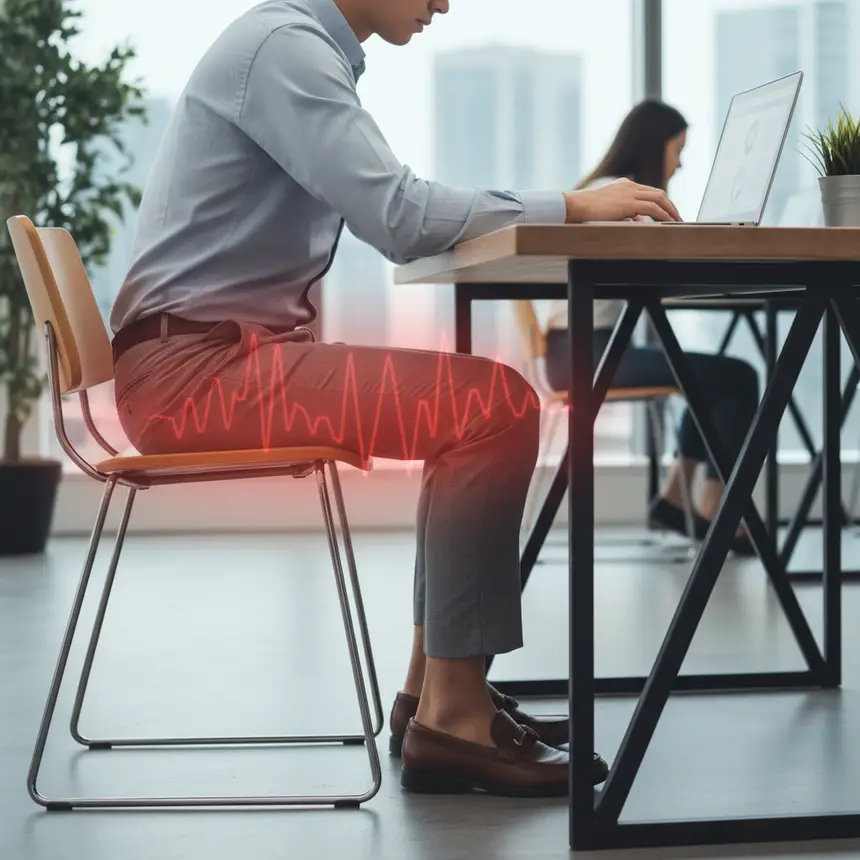
Unlock vitality at your desk! Combat sedentary work with simple office exercises to strengthen your upper body and improve core stability. Alleviate fatigue and enhance posture throughout your workday.

The Sedentary Trap: Reclaiming Your Body in the Workplace
Does this sound familiar? You spend hours hunched over your keyboard, your shoulders rounding forward, your neck craning towards the screen. By mid-afternoon, a dull ache settles in your upper back, and you feel generally sluggish. This static, prolonged sitting isn't just uncomfortable; it's a fast track to chronic fatigue and musculoskeletal imbalances. But here's the good news: you don't need a gym membership or an hour-long break to revitalize your body. With a few simple, discreet movements you can do right at your desk, you can combat the negative effects of sedentary work and inject some much-needed energy into your day.

The Hidden Costs of Prolonged Sitting on Your Health
Our modern, desk-bound lifestyles take a significant toll on our physical well-being. The act of sitting for extended periods can lead to a cascade of issues. It shortens chest muscles and weakens back muscles, contributing to poor posture like 'tech neck' and rounded shoulders. A weak core, often a consequence of too much sitting, frequently results in lower back pain. Furthermore, reduced circulation in the lower body can cause swelling and a general feeling of lethargy. These physical ailments don't just stop at discomfort; they can sap your energy levels, reduce focus, and ultimately diminish your productivity. Addressing these imbalances proactively is key to preventing more serious issues down the line.
※ This post contains affiliate links. I may earn a commission at no extra cost to you.

Effective Upper Body and Core Exercises for Your Office Space
Even during a busy workday, you can incorporate targeted movements to invigorate your body. Consistency and proper form are your allies.
Desk-Based Upper Body Power Moves
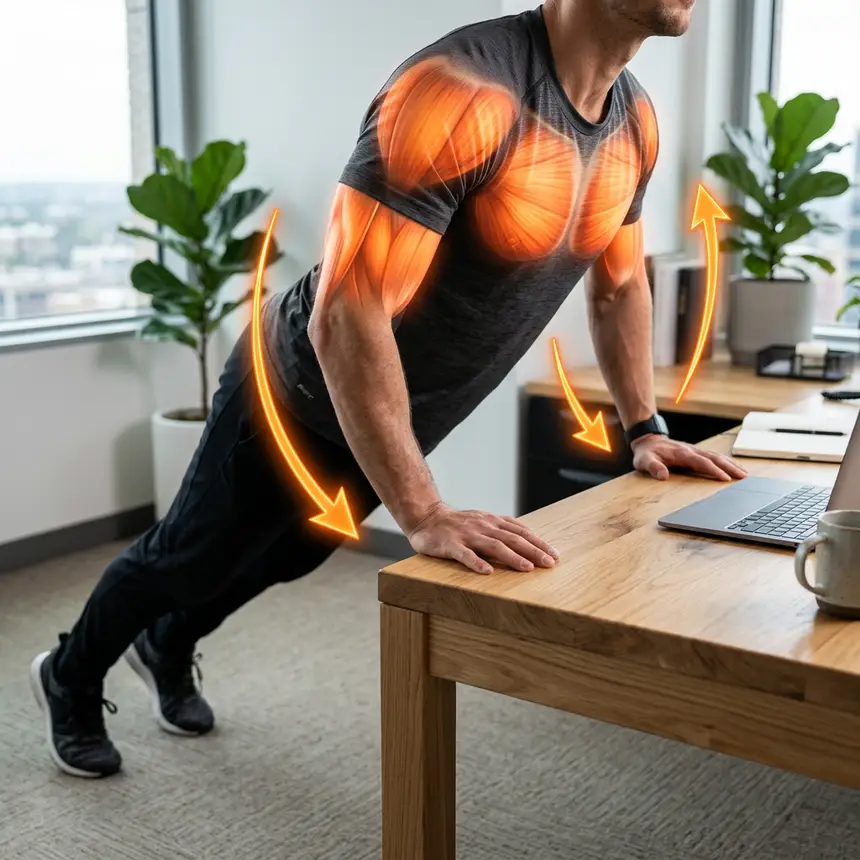
This exercise effectively strengthens your chest, shoulders, and arm muscles while promoting better blood flow.
1. Stand facing your desk, placing your hands shoulder-width apart on the edge.
2. Keep your body in a straight line from head to heels as you slowly lower your chest towards the desk by bending your elbows. Aim for about a 90-degree bend in your elbows.
3. Push back up to the starting position using your chest and arm strength.
4. Target 10-15 repetitions per set, gradually increasing as you get stronger.
Integrating Lower Body and Core Stability into Your Day
This is a great standing exercise you can do while waiting for the copier or during a quick break. It targets your glutes and core for improved postural stability.
1. Stand tall with good posture. Slowly extend one leg straight back behind you, engaging your glutes. Ensure your upper body and lower back remain stable, avoiding any arching.
2. Hold this position for approximately 10 seconds, feeling the contraction in your glutes.
3. Slowly return your leg to the starting position. Alternate legs, performing 3-5 repetitions on each side.
Desk-Based Upper Body Power Moves
This exercise effectively strengthens your chest, shoulders, and arm muscles while promoting better blood flow.
1. Stand facing your desk, placing your hands shoulder-width apart on the edge.
2. Keep your body in a straight line from head to heels as you slowly lower your chest towards the desk by bending your elbows. Aim for about a 90-degree bend in your elbows.
3. Push back up to the starting position using your chest and arm strength.
4. Target 10-15 repetitions per set, gradually increasing as you get stronger.
Integrating Lower Body and Core Stability into Your Day
This is a great standing exercise you can do while waiting for the copier or during a quick break. It targets your glutes and core for improved postural stability.
1. Stand tall with good posture. Slowly extend one leg straight back behind you, engaging your glutes. Ensure your upper body and lower back remain stable, avoiding any arching.
2. Hold this position for approximately 10 seconds, feeling the contraction in your glutes.
3. Slowly return your leg to the starting position. Alternate legs, performing 3-5 repetitions on each side.
Smart Strategies for Seamless Exercise Integration
To maximize the benefits of office workouts, consistency is paramount. Use these strategies to make desk exercises a natural part of your daily routine.
- Set Reminders: Use your phone or computer to set alarms every 30-60 minutes as a cue to stretch or perform a quick exercise set.
- Link to Tasks: Pair exercises with existing office routines. For instance, do a set of desk push-ups while your coffee brews, or perform leg raises while waiting for documents to print.
- Buddy System: If you find it hard to stay motivated alone, team up with a colleague. Schedule short exercise breaks together to encourage each other and make it more enjoyable.
- Progress Gradually: Don't try to do too much too soon. Start with fewer repetitions or sets and slowly increase as your body adapts. Always listen to your body and avoid pushing through pain.

Small Movements, Big Impact: Start Your Transformation Today
The simple desk exercises for upper body strength and core stability shared today can bring about remarkable changes with just a few minutes of effort. They can alleviate stiff shoulders and back pain, improve circulation, and significantly boost your overall energy levels. The key isn't perfection, but rather consistent action—even if it's just one set a day. Take a moment right now to step away from your chair and move your body. These small shifts in habit can profoundly enhance both your work efficiency and your quality of life. Here's to your healthier, more vibrant self!
Frequently Asked Questions
Q. How often should I do office exercises to see results?
A. Consistency is key! Aim to incorporate short exercise breaks, even just 5 minutes, 2-3 times a day. Scheduling them around natural breaks like before or after lunch can help establish a regular routine.
Q. My wrists hurt during desk push-ups, what can I do?
A. If you experience wrist pain, ensure your palms are flat on the desk surface with fingers spread wide to distribute your weight. If pain persists, try wall push-ups for a gentler alternative. Wrist supports can also offer some relief.
Q. Can these simple movements truly build strength?
A. Absolutely! While they may not lead to dramatic muscle hypertrophy like heavy weightlifting, consistent performance of these exercises effectively improves muscular endurance and strengthens the smaller, stabilizing muscles crucial for posture and daily function. They're particularly good for activating muscles that weaken from prolonged sitting.
Q. Are there any safety tips for exercising at my desk?
A. Always stop if you feel any sharp pain. Perform all movements in a slow, controlled manner, avoiding jerky motions or using momentum. Also, be mindful of your surroundings to ensure you don't disturb colleagues or create any tripping hazards.