Tired of diets focused solely on the scale? Discover how to effectively reduce body fat while building muscle for a toned physique with our muscle gain diet strategy. Uncover key strategies for lasting health and body transformation.

Beyond the Scale: The Transformative Power of a Muscle-Building Approach
Many of us aim for more than just a lower number on the scale; we seek improved body tone and renewed energy. A strategy that prioritizes increasing muscle mass while efficiently managing body fat, often called a 'muscle gain diet,' offers benefits far beyond simple weight reduction, significantly enhancing overall physical function. This method helps sculpt your physique and boost vitality without resorting to extreme dietary restrictions. One of the most common positive changes people experience is consistent satiety and a more stable eating pattern, which greatly reduces impulsive snacking or late-night cravings often triggered by irregular meals. Moreover, as your physical strength and exercise performance improve, you'll find daily life more energetic. Beyond aesthetic improvements like a smaller waistline and better-fitting clothes, you can expect a general uplift in well-being, making everyday activities like climbing stairs feel much easier. While weight loss might appear gradual, you’ll undoubtedly notice significant positive shifts in your body’s composition and density.
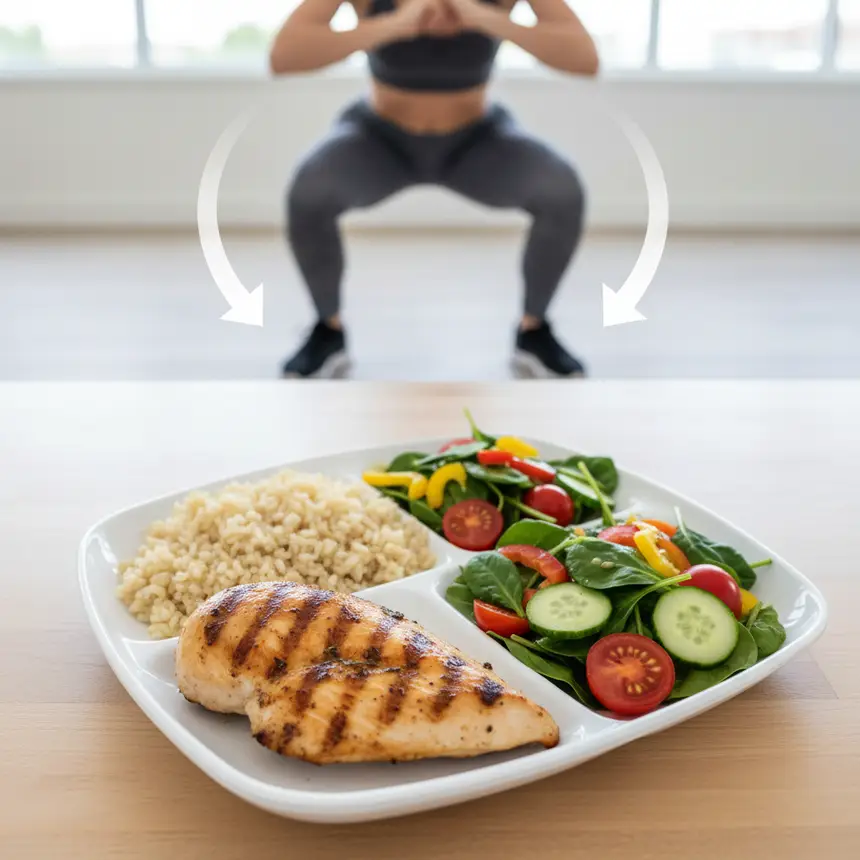
Harmonizing Nutrition and Training for Muscle Growth and Fat Reduction
Crafting a Sustainable Eating Plan
To build muscle while shedding body fat, prioritizing protein intake in your diet is paramount. Aim to include a palm-sized portion of lean meat, fish, legumes, eggs, or dairy with every meal. Carbohydrates, ideally from whole grains, sweet potatoes, or brown rice, should be consumed around your workouts or during periods of high activity to provide sufficient energy. Overly restricting carbs can actually hinder your workout performance and trigger intense cravings the next day. Start your day with a breakfast rich in protein and fiber to maintain stable blood sugar levels and satiety throughout the day. For dinner, opt for home-cooked protein and an abundance of vegetables over processed or delivery foods to prevent overeating.
Effective Strength Training Routine
Consistent full-body strength training about three times a week is ideal. Focus on compound exercises like squats, lunges, push-ups, dumbbell rows, and planks, as these engage multiple muscle groups simultaneously, maximizing training efficiency. Perform each exercise for 3 sets of 8-12 repetitions with a weight that challenges you, gradually increasing the load or reps over time. After your strength session, a 30-minute low-intensity cardio session, such as walking or light jogging, can aid fat burning and recovery. On non-training days, maintaining some physical activity through light walks or stretching will contribute to overall energy expenditure.
To build muscle while shedding body fat, prioritizing protein intake in your diet is paramount. Aim to include a palm-sized portion of lean meat, fish, legumes, eggs, or dairy with every meal. Carbohydrates, ideally from whole grains, sweet potatoes, or brown rice, should be consumed around your workouts or during periods of high activity to provide sufficient energy. Overly restricting carbs can actually hinder your workout performance and trigger intense cravings the next day. Start your day with a breakfast rich in protein and fiber to maintain stable blood sugar levels and satiety throughout the day. For dinner, opt for home-cooked protein and an abundance of vegetables over processed or delivery foods to prevent overeating.
Effective Strength Training Routine
Consistent full-body strength training about three times a week is ideal. Focus on compound exercises like squats, lunges, push-ups, dumbbell rows, and planks, as these engage multiple muscle groups simultaneously, maximizing training efficiency. Perform each exercise for 3 sets of 8-12 repetitions with a weight that challenges you, gradually increasing the load or reps over time. After your strength session, a 30-minute low-intensity cardio session, such as walking or light jogging, can aid fat burning and recovery. On non-training days, maintaining some physical activity through light walks or stretching will contribute to overall energy expenditure.
※ This post contains affiliate links. I may earn a commission at no extra cost to you.


Mastering the Muscle-Building Approach: Your Guide to Consistency
Setting Realistic Goals and Embracing Gradual Change
Instead of expecting dramatic weight loss in a short period, it's vital to set realistic, sustainable goals. Rather than forcing yourself into a perfect diet and high-intensity workouts from day one, focus on improving small habits incrementally. For instance, set achievable goals like consuming protein every morning, performing strength training 2-3 times a week, or choosing fruits and nuts over processed snacks. Approaching changes by adding one or two new healthy habits each month, rather than attempting a complete overhaul, makes the process less daunting and more sustainable in the long run. These gradual changes ultimately lead to significant success.
Tracking Progress Beyond the Scale
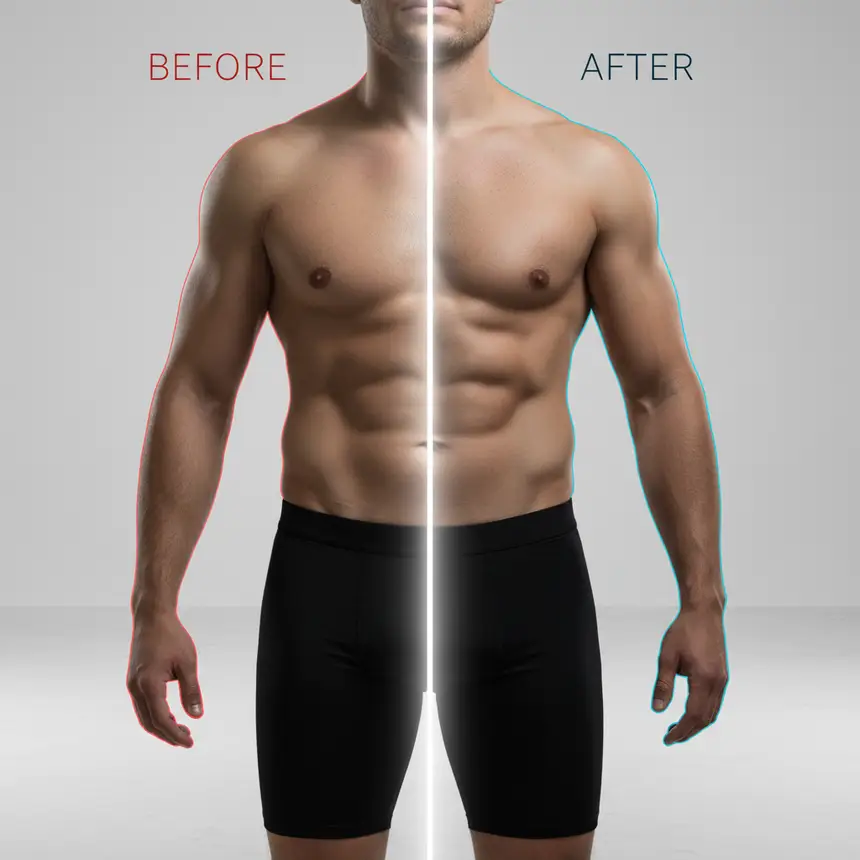
Instead of fixating solely on the number on the scale, it's crucial to track and observe various indicators of progress: how your clothes fit, your reflection in the mirror, increases in the weights you lift, quality of sleep, and your overall energy levels. Noticing these non-numerical improvements can be a powerful motivator. Consider taking weekly progress photos at the same time or keeping a workout journal to visually confirm small changes. Additionally, prioritizing adequate sleep and managing stress are essential for muscle recovery and hormonal balance, making them integral parts of your overall health strategy.
Instead of expecting dramatic weight loss in a short period, it's vital to set realistic, sustainable goals. Rather than forcing yourself into a perfect diet and high-intensity workouts from day one, focus on improving small habits incrementally. For instance, set achievable goals like consuming protein every morning, performing strength training 2-3 times a week, or choosing fruits and nuts over processed snacks. Approaching changes by adding one or two new healthy habits each month, rather than attempting a complete overhaul, makes the process less daunting and more sustainable in the long run. These gradual changes ultimately lead to significant success.
Tracking Progress Beyond the Scale
Instead of fixating solely on the number on the scale, it's crucial to track and observe various indicators of progress: how your clothes fit, your reflection in the mirror, increases in the weights you lift, quality of sleep, and your overall energy levels. Noticing these non-numerical improvements can be a powerful motivator. Consider taking weekly progress photos at the same time or keeping a workout journal to visually confirm small changes. Additionally, prioritizing adequate sleep and managing stress are essential for muscle recovery and hormonal balance, making them integral parts of your overall health strategy.
Is a Muscle-Building Strategy Right for You? Key Considerations and Who Benefits
Highly Recommended For
Important Considerations Before Starting
If you have any specific health conditions or are currently taking medication, it's crucial to consult with a healthcare professional before embarking on a new exercise or dietary plan. Initially, you might experience muscle soreness or fatigue, so it's important to listen to your body and gradually adjust the intensity. Also, understand that weight changes might be slower than with conventional diets, so patience is key to sustained success. Embracing this journey with persistence and consistency will ultimately lead to the desired transformations.
- Those weary of restrictive, starve-yourself diets: This approach is ideal for individuals seeking healthy weight management without extreme food limitations.
- Individuals concerned about lack of body tone after weight loss: If you want to sculpt your physique by reducing body fat and increasing muscle mass, this is for you.
- Those struggling with appetite control and frequent evening overeating: A protein-rich diet promotes satiety, helping stabilize appetite and reduce overconsumption.
- Anyone prioritizing long-term health and body composition improvement over quick numerical changes: Perfect for those committed to building sustainable healthy habits.
Important Considerations Before Starting
If you have any specific health conditions or are currently taking medication, it's crucial to consult with a healthcare professional before embarking on a new exercise or dietary plan. Initially, you might experience muscle soreness or fatigue, so it's important to listen to your body and gradually adjust the intensity. Also, understand that weight changes might be slower than with conventional diets, so patience is key to sustained success. Embracing this journey with persistence and consistency will ultimately lead to the desired transformations.
Frequently Asked Questions
Q. Won't building muscle make me weigh more?
A. Muscle is denser than fat, meaning it takes up less space but can weigh more for the same volume. So, as you gain muscle, the number on the scale might not drop significantly or could even temporarily increase. The most important progress indicators are fat loss, how your clothes fit, and changes in your body shape, not just the scale reading.
Q. Can I build muscle through diet alone, without exercise?
A. While nutrition is crucial, it's very difficult to significantly increase muscle mass through diet alone. Muscles require stimulation from resistance training to grow, which then needs adequate protein intake to support the repair and growth process. Optimal muscle gain is achieved when diet and exercise work together in balance.
Q. How much protein should I aim to eat daily?
A. For most adults, a protein intake of about 0.6 to 1.0 gram per pound of body weight (1.2 to 2.2 grams per kilogram) is often recommended. For example, if you weigh 150 lbs (approx. 68 kg), that would be around 90 to 150 grams of protein daily, spread across your meals. This can vary based on your activity level and fitness goals.
Q. I'm new to strength training. Where should I begin?
A. If you're a beginner, starting with bodyweight exercises is highly recommended. Focus on mastering fundamental full-body movements like squats, lunges, push-ups (possibly on your knees initially), and planks with correct form. Considering guidance from a certified fitness professional can also be very beneficial to ensure proper technique and progression.