Say goodbye to weak glutes and an unstable core! Build powerful lower body strength and a stable core with effective kettlebell exercises and targeted glute-strengthening routines. This guide provides practical steps and precautions for a healthier, stronger you.

The Underrated Power of Your Glutes: Why Strong Hips Matter
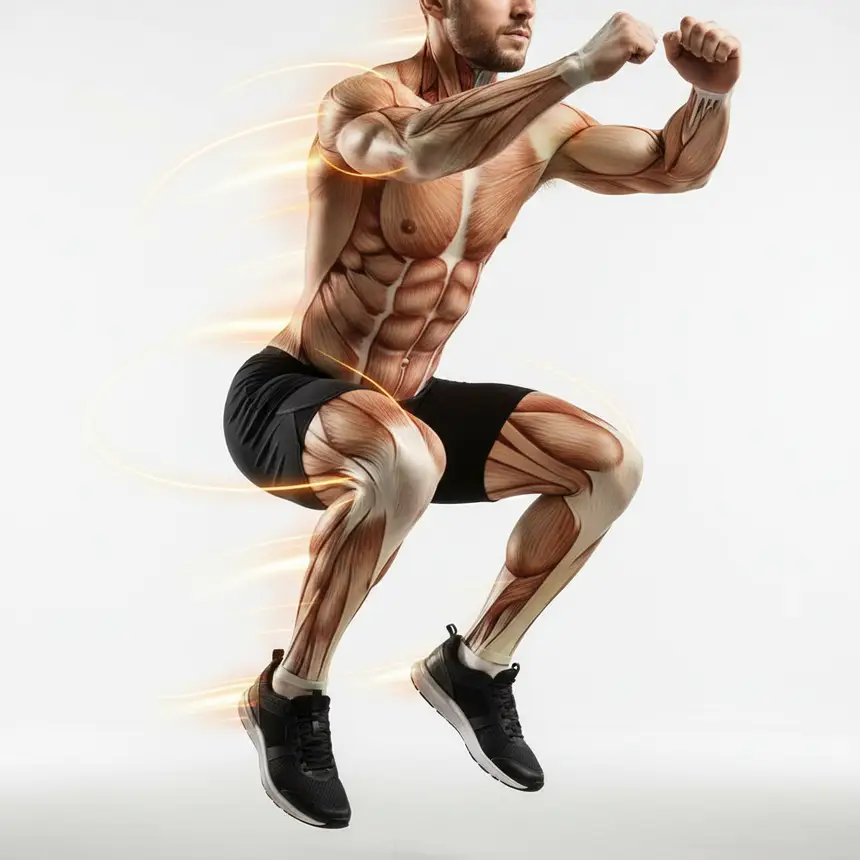
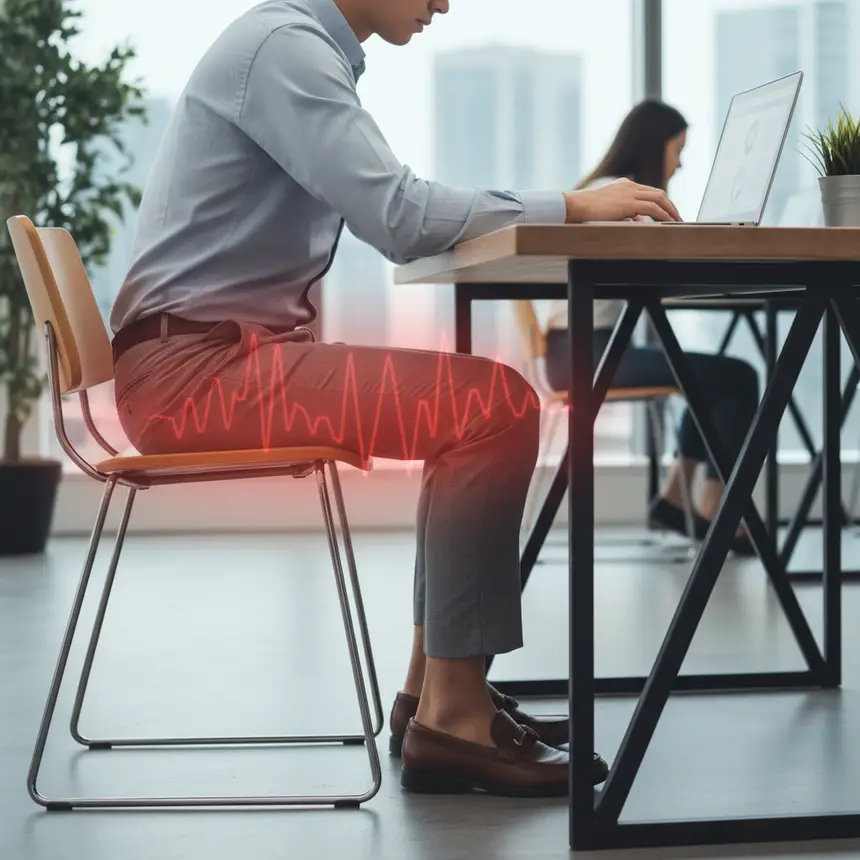
In our increasingly sedentary lifestyles, many individuals experience discomfort due to weakened gluteal muscles and an unstable core. The glutes, one of the body's largest muscle groups, are not just for aesthetics; they are fundamental for everyday movements like walking, running, and jumping, and play a crucial role in maintaining lower back health and overall posture. When your glutes are weak, it can lead to lower back pain, knee instability, and even imbalances in your gait. To counteract these issues and enhance full-body coordination, kettlebell exercises and targeted glute workouts are incredibly effective. It's time to focus on building strong, functional glutes, moving beyond just a sculpted physique towards a healthier, more capable body.

Unlocking Lower Body Power and Stability with Kettlebells and Glute Exercises
Building a robust lower body and core demands more than just lifting heavy; it requires precise muscle engagement and proper form. Here are effective kettlebell and glute-strengthening exercises to activate your glutes and boost full-body coordination.
1. Posterior Chain Activation Warm-up: Strengthening the connection between your hamstrings and glutes is key. Begin by focusing on movements that mimic pulling your heel towards your glutes, engaging the back of your thighs. The goal is to feel the effort where your glutes meet your hamstrings, not just in the front of your thigh.
2. Kettlebell Deadlift: This foundational exercise builds basic strength in your glutes and hamstrings. Position the kettlebell between your feet, then hinge at your hips (not your lower back), pushing your hips back as you lower your torso. Keep your core braced and your back straight, then drive up by pushing the floor away with your feet, using your glute power. Ensure your ribs don't flare excessively by keeping your core tight.
3. Kettlebell Swing: A dynamic movement that maximizes full-body power. Forcefully hinge your hips back, letting the kettlebell pass between your legs, then explosively drive your hips forward using your glutes and core to propel the kettlebell to chest height. The power comes from a strong hip hinge, not a squat. At the top of the movement, powerfully contract your glutes and engage your abs, so much so that your body might lean slightly backward.
4. Hip Thrust: Exceptionally effective for isolating and strengthening the gluteal muscles. Lean your upper back against a bench or low support, with your feet flat on the floor, then drive your hips towards the ceiling. At the peak of the movement, slightly push your knees outwards; this helps activate the outer glute muscles even more intensely. Be mindful to engage your abs to prevent your lower back from overarching.
5. Single-Leg Squat (Modified One-Leg V-Squat): This exercise strengthens glutes and hamstrings while improving unilateral balance. Position the foot of your supporting leg slightly narrower than a typical squat, and use your other foot on a rear support for assistance with balance. As you descend, concentrate on feeling the work in the glute and hamstring of your supporting leg. Drive up by pushing through your entire foot. Maintain a strong, braced core throughout.
6. Single-Leg Hip Thrust: Excellent for addressing muscular imbalances and building independent strength in each leg. Set up as you would for a standard hip thrust, but lift your hips using only one leg. Focus on keeping the knee of your working leg from caving inward, consistently pushing it outwards to maximize glute engagement.
1. Posterior Chain Activation Warm-up: Strengthening the connection between your hamstrings and glutes is key. Begin by focusing on movements that mimic pulling your heel towards your glutes, engaging the back of your thighs. The goal is to feel the effort where your glutes meet your hamstrings, not just in the front of your thigh.
2. Kettlebell Deadlift: This foundational exercise builds basic strength in your glutes and hamstrings. Position the kettlebell between your feet, then hinge at your hips (not your lower back), pushing your hips back as you lower your torso. Keep your core braced and your back straight, then drive up by pushing the floor away with your feet, using your glute power. Ensure your ribs don't flare excessively by keeping your core tight.
3. Kettlebell Swing: A dynamic movement that maximizes full-body power. Forcefully hinge your hips back, letting the kettlebell pass between your legs, then explosively drive your hips forward using your glutes and core to propel the kettlebell to chest height. The power comes from a strong hip hinge, not a squat. At the top of the movement, powerfully contract your glutes and engage your abs, so much so that your body might lean slightly backward.
4. Hip Thrust: Exceptionally effective for isolating and strengthening the gluteal muscles. Lean your upper back against a bench or low support, with your feet flat on the floor, then drive your hips towards the ceiling. At the peak of the movement, slightly push your knees outwards; this helps activate the outer glute muscles even more intensely. Be mindful to engage your abs to prevent your lower back from overarching.
5. Single-Leg Squat (Modified One-Leg V-Squat): This exercise strengthens glutes and hamstrings while improving unilateral balance. Position the foot of your supporting leg slightly narrower than a typical squat, and use your other foot on a rear support for assistance with balance. As you descend, concentrate on feeling the work in the glute and hamstring of your supporting leg. Drive up by pushing through your entire foot. Maintain a strong, braced core throughout.
6. Single-Leg Hip Thrust: Excellent for addressing muscular imbalances and building independent strength in each leg. Set up as you would for a standard hip thrust, but lift your hips using only one leg. Focus on keeping the knee of your working leg from caving inward, consistently pushing it outwards to maximize glute engagement.
※ This post contains affiliate links. I may earn a commission at no extra cost to you.


Practical Guide for Continuous Progress and Injury Prevention
The journey to building powerful glutes and a stable core begins with consistency and impeccable form. The kettlebell and glute workout routines outlined above can significantly improve your full-body strength and functionality. It's crucial to prepare your body before each session with adequate dynamic stretching and muscle activation exercises. For instance, using a foam roller for your back, lats, and thighs, or a small ball to target glute areas, can enhance muscle mobility pre-workout.
Important Considerations:
Commit to consistent effort and the right techniques to forge a healthy, powerful lower body. This will not only boost your daily energy but also enable more dynamic and confident movement in all aspects of life.
Important Considerations:
- Always prioritize correct form. Gradually increase weight only after you've mastered the movement.
- If you experience any pain during exercise, stop immediately and seek professional advice.
- Kettlebell training, in particular, requires full-body coordination, so beginners should start with light weights and focus on perfecting the movement patterns.
- After your workout, incorporate static stretches to relax tense muscles, aiding recovery and maintaining flexibility.
Commit to consistent effort and the right techniques to forge a healthy, powerful lower body. This will not only boost your daily energy but also enable more dynamic and confident movement in all aspects of life.
Frequently Asked Questions
Q. What kettlebell exercises are recommended for absolute beginners?
A. If you're new to kettlebells, it's essential to first master bodyweight squats and deadlift mechanics. Then, start with a very light kettlebell for deadlifts and goblet squats to establish fundamental movements and core stability. Once comfortable, you can gradually progress to kettlebell swings.
Q. What should I do if I experience lower back pain during glute exercises?
A. If you feel lower back pain during glute exercises, it often indicates your lower back is compensating for underactive glutes. Focus on bracing your core by contracting your abs tightly throughout the movement and concentrate on the stretch and contraction sensation in your glutes. Seeking guidance from a qualified coach to correct your form is highly recommended.
Q. Do you have any tips for effectively activating my glute muscles?
A. To effectively activate your glutes, try foam rolling or using a massage ball on the surrounding muscles before your workout. Pre-activate your glutes with light resistance band exercises like hip abductions or simple hip bridges. During your main workout, actively focus on the 'mind-muscle connection,' consciously squeezing your glutes with each repetition.