Discover a simple yet effective pre-sleep stretching routine designed to release daily tension and promote deeper, more restorative sleep.
Ease your body and mind into a state of tranquility for a peaceful night.

The Secret to Serene Nights: Unlocking the Power of Pre-Sleep Stretching
The daily grind can leave us feeling physically tight and mentally wired, making it tough to transition into a restful sleep. If you've ever tossed and turned, wishing for that deep, restorative slumber, a pre-sleep stretching routine might be your answer. This isn't just about touching your toes; it's about signaling to your body and mind that it's time to switch off and recharge.
Engaging in gentle stretches before bed helps activate your parasympathetic nervous system, shifting your body into a 'rest and digest' state. Think of it like bringing a high-performance car to a gentle halt after a long drive – it needs time to cool down and settle. By releasing muscle tension and improving circulation, these movements foster physical relaxation, which naturally translates to mental calm. This can significantly reduce the time it takes to fall asleep and enhance the overall quality of your rest, helping you wake up feeling refreshed and energized. Even a short 5-10 minute session can make a remarkable difference.
Engaging in gentle stretches before bed helps activate your parasympathetic nervous system, shifting your body into a 'rest and digest' state. Think of it like bringing a high-performance car to a gentle halt after a long drive – it needs time to cool down and settle. By releasing muscle tension and improving circulation, these movements foster physical relaxation, which naturally translates to mental calm. This can significantly reduce the time it takes to fall asleep and enhance the overall quality of your rest, helping you wake up feeling refreshed and energized. Even a short 5-10 minute session can make a remarkable difference.
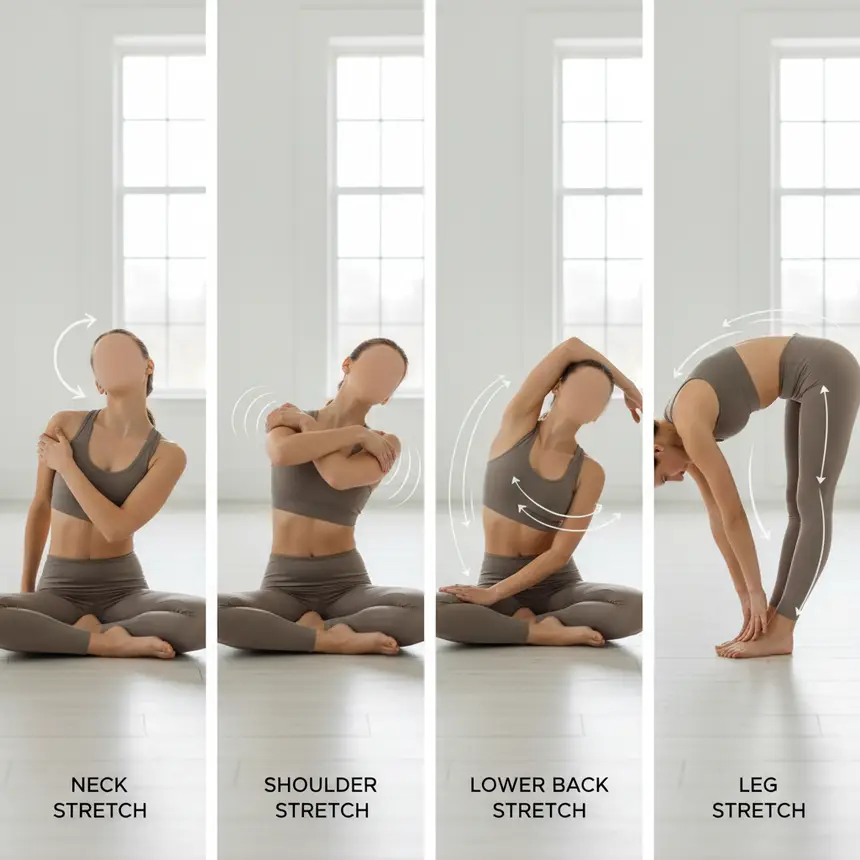
Your Step-by-Step Guide: A Calming Pre-Bed Stretch Sequence
Let's explore some easy-to-follow stretches you can incorporate into your nightly routine to melt away tension.
Breathwork: Your Foundation for Relaxation
Every effective stretch begins with conscious breathing. Practicing diaphragmatic breathing connects your mind and body. Inhale slowly through your nose, letting your belly expand. Then, exhale slowly through your mouth, drawing your navel towards your spine. Repeat this 3-5 times to prepare your body for deeper relaxation.
Releasing Upper Body Tension: Neck and Shoulder Relief
If you spend your day hunched over a computer or phone, this is crucial. While seated comfortably, gently tilt your head side to side to lengthen the sides of your neck. Then, tuck your chin towards your chest to release tension in the back of your neck. Follow this by shrugging your shoulders up towards your ears and then rolling them back and down in a circular motion, repeating 5 times to loosen up.
Cultivating Core Mobility: Loosening Hips and Lower Back
Prolonged sitting or standing can stiffen your lower back and hips. Lie on your back and hug both knees to your chest, gently rocking side to side to massage your lower back. Next, cross one ankle over the opposite knee, creating a figure-four shape. Gently pull the bottom leg towards your chest to stretch your hip and glute. Hold for 30 seconds on each side.
Soothing Tired Legs: Lower Body Unwind
Your calves and hamstrings work hard all day and often accumulate fatigue. Lie on your back with your legs extended straight up against a wall (legs-up-the-wall pose) for about 5 minutes. This helps improve circulation in your legs and reduces swelling. Alternatively, sit with your legs extended forward, flex your feet, and gently reach towards your toes to stretch your hamstrings and calves simultaneously.
Breathwork: Your Foundation for Relaxation
Every effective stretch begins with conscious breathing. Practicing diaphragmatic breathing connects your mind and body. Inhale slowly through your nose, letting your belly expand. Then, exhale slowly through your mouth, drawing your navel towards your spine. Repeat this 3-5 times to prepare your body for deeper relaxation.
Releasing Upper Body Tension: Neck and Shoulder Relief
If you spend your day hunched over a computer or phone, this is crucial. While seated comfortably, gently tilt your head side to side to lengthen the sides of your neck. Then, tuck your chin towards your chest to release tension in the back of your neck. Follow this by shrugging your shoulders up towards your ears and then rolling them back and down in a circular motion, repeating 5 times to loosen up.
Cultivating Core Mobility: Loosening Hips and Lower Back
Prolonged sitting or standing can stiffen your lower back and hips. Lie on your back and hug both knees to your chest, gently rocking side to side to massage your lower back. Next, cross one ankle over the opposite knee, creating a figure-four shape. Gently pull the bottom leg towards your chest to stretch your hip and glute. Hold for 30 seconds on each side.
Soothing Tired Legs: Lower Body Unwind
Your calves and hamstrings work hard all day and often accumulate fatigue. Lie on your back with your legs extended straight up against a wall (legs-up-the-wall pose) for about 5 minutes. This helps improve circulation in your legs and reduces swelling. Alternatively, sit with your legs extended forward, flex your feet, and gently reach towards your toes to stretch your hamstrings and calves simultaneously.
※ This post contains affiliate links. I may earn a commission at no extra cost to you.

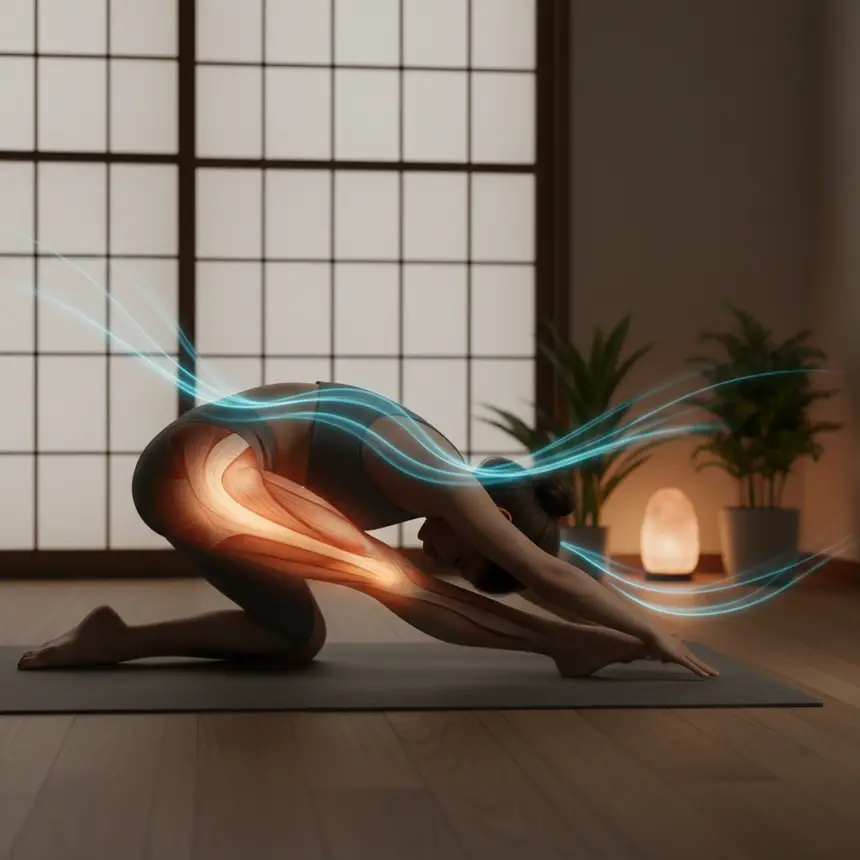
Maximizing Your Stretch: Tips for Safety and Who Benefits Most
To get the most out of your pre-sleep stretching and ensure you do it safely, keep these pointers in mind.
Guidelines for Safe and Effective Stretching
Who Can Benefit Most from Nighttime Stretching?
Pre-sleep stretching is more than just physical movement; it can become a cherished ritual that marks the end of your day and prepares you for a refreshed tomorrow. Embrace this small practice each night and unlock a more peaceful, energized life.
Guidelines for Safe and Effective Stretching
- No Pain: If you feel any sharp pain, stop immediately and ease off the stretch. You should feel a gentle pull or a comfortable lengthening, not discomfort.
- Avoid Bouncing: Bouncing into a stretch can increase your risk of injury. Instead, move slowly and smoothly into each position and hold it for 20-30 seconds.
- Breathe Through It: Don't hold your breath! Maintain deep, steady breathing throughout your stretches to help release tension more effectively.
- Consistency is Key: A short, daily stretching session is far more beneficial than infrequent, longer ones. Building a consistent habit is where real change happens.
Who Can Benefit Most from Nighttime Stretching?
- Anyone Seeking Better Sleep: Especially those struggling with insomnia or restless nights.
- Desk Workers or Those on Their Feet All Day: To counteract the stiffness from prolonged static postures.
- Individuals with High Stress or Anxiety: Physical relaxation can significantly contribute to mental tranquility.
- Those Looking for Post-Workout Recovery: Gentle stretching aids in muscle recovery and improves flexibility after more intense activity.
Pre-sleep stretching is more than just physical movement; it can become a cherished ritual that marks the end of your day and prepares you for a refreshed tomorrow. Embrace this small practice each night and unlock a more peaceful, energized life.
Frequently Asked Questions
Q. Do I need to stretch every night to see benefits?
A. Yes, consistency is paramount. Stretching delivers the best results when it becomes a regular habit. Even short, daily sessions are more effective than longer, infrequent ones.
Q. What should I do if I feel pain during a stretch?
A. Stretching should feel like a gentle, comfortable lengthening. If you experience any sharp pain, stop the movement immediately. Adjust the intensity within a pain-free range, or skip that particular stretch if it continues to cause discomfort.
Q. Is it better to stretch right before bed or allow some time before sleeping?
A. The ideal time is typically within 30 minutes before you plan to sleep. Stretching and then immediately getting into bed helps maintain that relaxed state, making it easier to drift off to sleep. You can adjust the routine to fit your personal schedule.
Q. Besides stretching, what other activities can help me sleep better?
A. Taking a warm shower or bath, reading a book, practicing mindfulness or meditation, and avoiding caffeine and excessive screen time before bed can all contribute to better sleep. Combining these practices with stretching can create a powerful synergy.