Discover the incredible benefits of jump rope exercise and learn proper techniques and routines for all levels, from beginners to advanced. Get your guide to a healthier you with jump roping.

Why Jump Roping is Your Ultimate Full-Body Workout
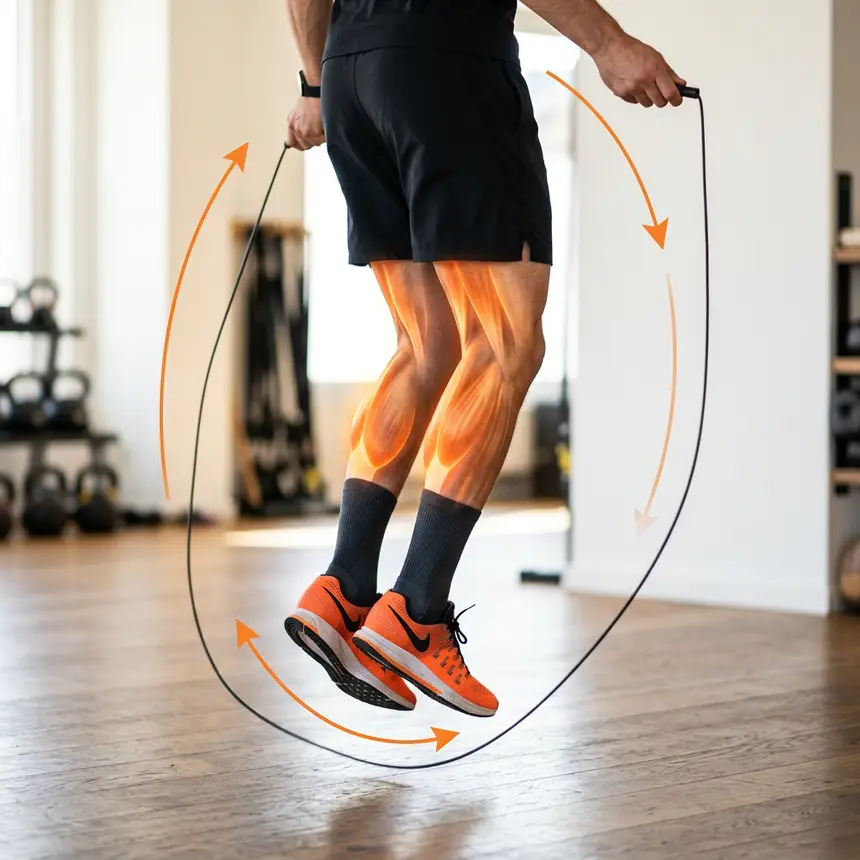
Jump roping, often underestimated, is a powerhouse exercise that delivers comprehensive physical benefits beyond simple cardio. This dynamic activity significantly boosts cardiovascular health while simultaneously building muscle strength and endurance. Consistent jump rope sessions enhance your cardiorespiratory fitness, increasing your daily energy levels and improving overall body control and movement efficiency. It's particularly effective for developing balance and agility, which translates to better performance in various sports and physical activities. By engaging multiple muscle groups throughout your body, jump roping also becomes an excellent tool for calorie expenditure. Thanks to its multifaceted advantages, jump roping is celebrated as one of the most accessible and effective workouts for people of all ages. Incorporate just 10 minutes of jump roping into your daily routine to experience these transformative changes.
Effective Jump Rope Routines: From Beginner Basics to Advanced Moves
To maximize the benefits of your jump rope workout, it’s crucial to use proper form and integrate a variety of routines. Start with basic two-foot jumps and gradually progress to more complex movements.
2. Basic Two-Foot Jump (30 seconds) followed by Rest (30 seconds), repeat 5 times.
3. Alternate Foot Jump (30 seconds) followed by Rest (30 seconds), repeat 3 times.
4. Cool-down (5 minutes): Calf and hamstring stretches.
2. Basic Two-Foot Jump (1 minute) followed by Rest (30 seconds), repeat 3 times.
3. Alternate Foot Jump (1 minute) followed by Rest (30 seconds), repeat 3 times.
4. Criss-Cross Jumps or High Knees (30 seconds) followed by Rest (30 seconds), repeat 2 times.
5. Cool-down (5 minutes).
Ensure you take adequate rest between sets. You can adjust the difficulty by gradually increasing the workout duration or adding more sets. Aim for 3-4 consistent sessions per week, tailored to your current fitness level.
- Fundamental Stance:
- Beginner-Friendly Routine:
2. Basic Two-Foot Jump (30 seconds) followed by Rest (30 seconds), repeat 5 times.
3. Alternate Foot Jump (30 seconds) followed by Rest (30 seconds), repeat 3 times.
4. Cool-down (5 minutes): Calf and hamstring stretches.
- Intermediate Routine:
2. Basic Two-Foot Jump (1 minute) followed by Rest (30 seconds), repeat 3 times.
3. Alternate Foot Jump (1 minute) followed by Rest (30 seconds), repeat 3 times.
4. Criss-Cross Jumps or High Knees (30 seconds) followed by Rest (30 seconds), repeat 2 times.
5. Cool-down (5 minutes).
Ensure you take adequate rest between sets. You can adjust the difficulty by gradually increasing the workout duration or adding more sets. Aim for 3-4 consistent sessions per week, tailored to your current fitness level.
※ This post contains affiliate links. I may earn a commission at no extra cost to you.

Your Practical Guide to Starting a Successful Jump Rope Journey
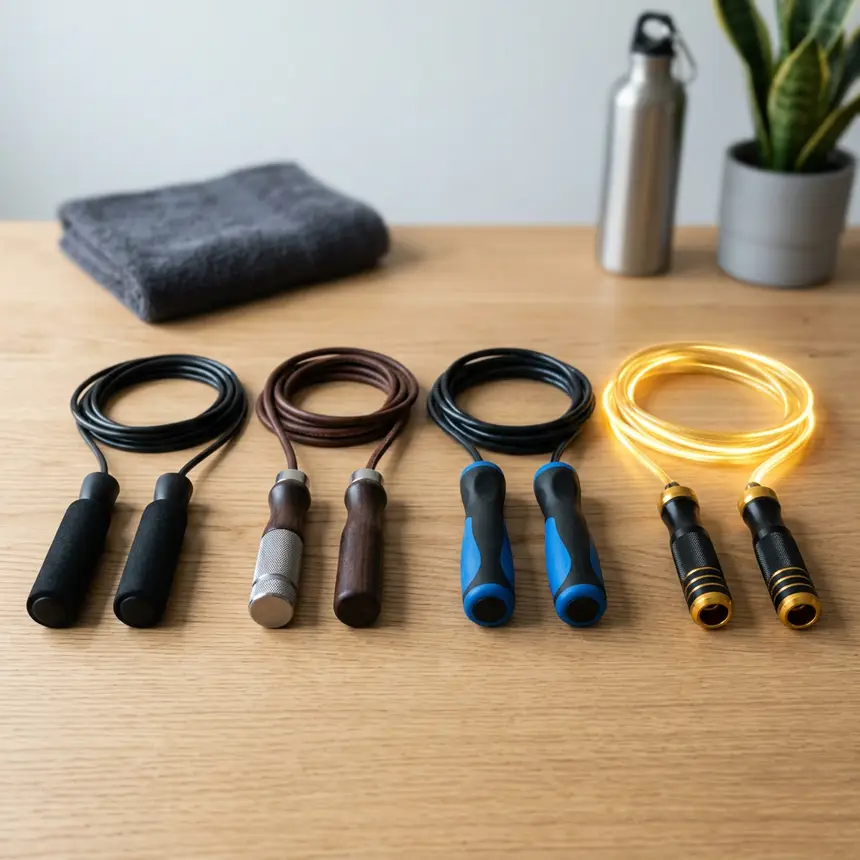
To maintain consistency with your jump rope exercise, leverage a few practical tips. First, selecting the right jump rope is paramount. A good rule of thumb for rope length is that when you step on the center of the rope with one foot, the handles should reach your armpits. Jump ropes come in various materials and weights, so choose one that matches your skill level and fitness goals. Lighter PVC ropes are great for speed, while heavier ropes can aid in strength building.
Second, always wear athletic shoes with good cushioning to minimize impact on your feet and joints. Running shoes or cross-training shoes are typically suitable. Third, never skip your pre-workout stretches and post-workout cool-downs to prevent injuries. Pay special attention to loosening up your calves, hamstrings, and shoulder muscles.
Fourth, avoid overdoing it in the beginning. Start with shorter sessions and gradually increase your workout time and intensity. For instance, begin with 5-minute sessions for the first week, then increase to 10 minutes the following week. Finally, to keep things engaging, try learning new jump rope tricks or exercising to your favorite music. The most crucial aspect is to develop a consistent habit, even if it’s just for a short period each day.
Second, always wear athletic shoes with good cushioning to minimize impact on your feet and joints. Running shoes or cross-training shoes are typically suitable. Third, never skip your pre-workout stretches and post-workout cool-downs to prevent injuries. Pay special attention to loosening up your calves, hamstrings, and shoulder muscles.
Fourth, avoid overdoing it in the beginning. Start with shorter sessions and gradually increase your workout time and intensity. For instance, begin with 5-minute sessions for the first week, then increase to 10 minutes the following week. Finally, to keep things engaging, try learning new jump rope tricks or exercising to your favorite music. The most crucial aspect is to develop a consistent habit, even if it’s just for a short period each day.
Important Considerations and Who Benefits Most from Jump Roping
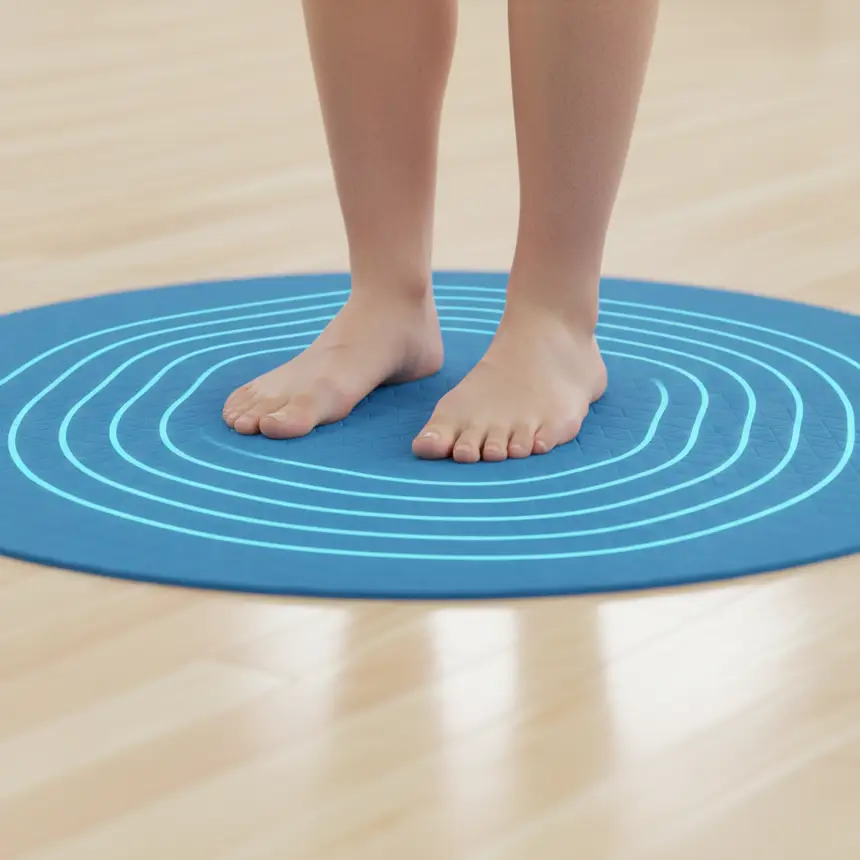
While jump roping is incredibly effective, adhering to certain precautions is vital for safe and efficient workouts. First, always choose a shock-absorbent surface like a wooden floor, grass, or a rubber mat over hard surfaces such as asphalt or concrete. This helps reduce stress on your knee and ankle joints. Second, if you experience any pain during your workout, stop immediately and rest. If joint pain persists, it’s advisable to consult a healthcare professional.
Jump rope exercise is particularly recommended for individuals who:
Be mindful that excessively high-intensity workouts can increase the risk of injury. Always adjust your workout intensity to match your current physical condition. By maintaining proper form and consistency, you can fully enjoy all the benefits jump roping has to offer.
Jump rope exercise is particularly recommended for individuals who:
- Seek high-calorie expenditure in a short amount of time.
- Aim to simultaneously improve full-body strength and cardiovascular capacity.
- Wish to develop better balance, agility, and coordination.
- Need an effective workout option for limited spaces.
- Want to relieve stress through physical activity.
Be mindful that excessively high-intensity workouts can increase the risk of injury. Always adjust your workout intensity to match your current physical condition. By maintaining proper form and consistency, you can fully enjoy all the benefits jump roping has to offer.
Frequently Asked Questions
Q. Is it okay to jump rope every single day?
A. While jump roping is a great exercise, it's generally better to jump rope 3-5 times a week, allowing for adequate rest and recovery, rather than performing high-intensity sessions daily. Beginners should start with 10-15 minutes and gradually increase duration. Rest is key for muscle recovery and injury prevention.
Q. Will jump roping put too much strain on my knees?
A. You can minimize knee strain by using proper form (knees slightly bent, landing on the balls of your feet), wearing well-cushioned athletic shoes, and exercising on shock-absorbent surfaces like mats or grass. If you feel pain, stop immediately and consult a professional.
Q. How do I choose the right jump rope?
A. A good rope length is when the handles reach your armpits when you stand on the middle of the rope with one foot. Start with a lightweight PVC rope, and as you gain proficiency, you can experiment with different materials and weights like steel wire or beaded ropes.
Q. Can jump roping really help with growth in children?
A. Some studies suggest that the repetitive jumping motion in jump roping can provide beneficial stimulation to growth plates, potentially promoting bone growth. Additionally, promoting growth hormone secretion and overall healthy physical development through full-body exercise can positively influence general growth.