Struggling to reduce body fat? Discover smarter ways to balance your body inside and out, moving beyond restrictive diets. Start your healthy transformation with sustainable eating habits and effective workouts.

The Frustration of Slow Progress Despite Your Best Efforts
You're hitting the gym consistently, carefully tracking your meals, and even checking your progress in the mirror every morning. Yet, those stubborn pockets of fat on your lower belly, inner thighs, or glutes just won't budge. The number on the scale might drop, but your reflection still leaves you feeling a bit underwhelmed. It’s like trying to move a heavy cart with a wheel stuck in the mud. If this sounds familiar, you’re definitely not alone. Sometimes, simply cutting calories and increasing exercise isn't enough; there might be deeper factors at play preventing you from achieving the body composition you desire.
Why Visible Fat Isn't the Whole Story: Signs of Internal Imbalance
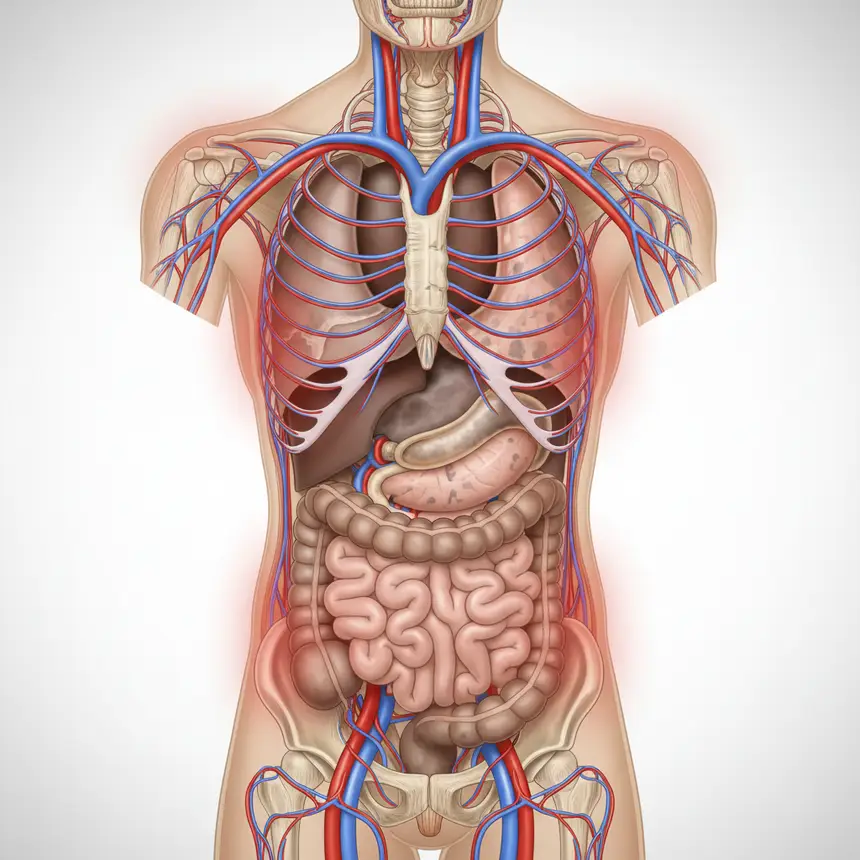
What you see on the surface—body fat—can often be just the tip of the iceberg. Many people trying to reduce their body fat percentage resort to extreme dietary restrictions or become overly reliant on cardio workouts. However, these approaches can actually disrupt your body's delicate balance in the long run. Unbalanced eating can lead to essential nutrient deficiencies, slowing down your metabolism and making it harder for your body to efficiently burn fat. Furthermore, our modern sedentary lifestyles and a diet rich in processed foods can cause an accumulation of metabolic byproducts, leading to issues like poor digestion, skin problems, and chronic fatigue. This internal sluggishness makes fat loss even more challenging. Think of it like a clogged pipe; no matter how much clean water you try to put through, the flow remains impeded if the system isn't clean.
※ This post contains affiliate links. I may earn a commission at no extra cost to you.


A Strategic Approach to Sustainable Body Fat Reduction
1. Smart Nutritional Choices
The secret to reducing body fat isn't about starving yourself; it's about 'eating well.' What you eat matters more than just how much. Protein is crucial for muscle maintenance and satiety, complex carbohydrates provide sustained energy, and healthy fats are vital for hormone balance. Prioritizing whole foods—fresh vegetables, fruits, whole grains, and lean proteins—over processed items will make a significant difference. Aim to balance your protein, carbs, and fats at each meal. For instance, a grilled chicken salad with a drizzle of olive oil, or brown rice with baked fish and a variety of steamed vegetables, offers a great nutritional profile.
2. Effective Exercise Routines
A combination of cardiovascular training and strength training is essential for fat loss. While cardio burns calories and improves heart health, strength training builds muscle mass, which boosts your basal metabolic rate—meaning you burn more calories even at rest. Incorporate full-body compound exercises (like squats, deadlifts, push-ups) 2-3 times a week, and complement this with 3-4 sessions of cardio like brisk walking, jogging, or cycling. High-intensity interval training (HIIT) can be particularly effective, creating an 'afterburn' effect that keeps your body burning calories even after your workout ends.
3. Supporting Your Body's Internal Systems
Supporting your body's natural cleansing mechanisms is also crucial for fat management. Adequate hydration is key; drinking enough water facilitates metabolism and helps flush out waste. Furthermore, incorporating probiotic and prebiotic-rich foods (like yogurt, fermented vegetables, and various plant fibers) can improve gut health, which in turn enhances nutrient absorption and waste elimination efficiency. Regular stretching and gentle yoga can also promote better circulation throughout your body, contributing to overall metabolic health.
The secret to reducing body fat isn't about starving yourself; it's about 'eating well.' What you eat matters more than just how much. Protein is crucial for muscle maintenance and satiety, complex carbohydrates provide sustained energy, and healthy fats are vital for hormone balance. Prioritizing whole foods—fresh vegetables, fruits, whole grains, and lean proteins—over processed items will make a significant difference. Aim to balance your protein, carbs, and fats at each meal. For instance, a grilled chicken salad with a drizzle of olive oil, or brown rice with baked fish and a variety of steamed vegetables, offers a great nutritional profile.
2. Effective Exercise Routines
A combination of cardiovascular training and strength training is essential for fat loss. While cardio burns calories and improves heart health, strength training builds muscle mass, which boosts your basal metabolic rate—meaning you burn more calories even at rest. Incorporate full-body compound exercises (like squats, deadlifts, push-ups) 2-3 times a week, and complement this with 3-4 sessions of cardio like brisk walking, jogging, or cycling. High-intensity interval training (HIIT) can be particularly effective, creating an 'afterburn' effect that keeps your body burning calories even after your workout ends.
3. Supporting Your Body's Internal Systems
Supporting your body's natural cleansing mechanisms is also crucial for fat management. Adequate hydration is key; drinking enough water facilitates metabolism and helps flush out waste. Furthermore, incorporating probiotic and prebiotic-rich foods (like yogurt, fermented vegetables, and various plant fibers) can improve gut health, which in turn enhances nutrient absorption and waste elimination efficiency. Regular stretching and gentle yoga can also promote better circulation throughout your body, contributing to overall metabolic health.

Your Practical Roadmap to Body Fat Reduction, Starting Today
1. Keep a Food Journal and Set Realistic Goals
Start by understanding exactly what you're consuming. A food journal, where you record all your meals and drinks for a few days, can reveal hidden calories or nutritional imbalances. After reviewing your entries, set specific, achievable goals. Instead of 'eat healthier,' aim for 'include protein and whole grains at every breakfast' or 'limit processed snacks to three times a week.' Small, realistic steps lead to sustainable change.
2. Plan Your Workouts and Prioritize Consistency
Exercise shouldn't be something you do 'if you have time,' but rather a scheduled commitment. Designate specific days and times for your workouts each week and stick to them. Begin with manageable goals, like 'walk for 15 minutes daily' or 'two home workout sessions per week,' gradually increasing intensity and duration. Consistency is paramount; tiny victories accumulate into significant transformations.
3. Optimize Hydration and Sleep Habits
Water is fundamental for every bodily function. Aim to drink at least 2 liters (around 8 glasses) of water daily. A glass of water before meals can also help you feel full and prevent overeating. Additionally, sleep is a critical period for your body's recovery and hormone regulation. Strive for 7-8 hours of quality sleep each night. To improve sleep quality, try to avoid screens before bed and create a relaxing pre-sleep environment.
Start by understanding exactly what you're consuming. A food journal, where you record all your meals and drinks for a few days, can reveal hidden calories or nutritional imbalances. After reviewing your entries, set specific, achievable goals. Instead of 'eat healthier,' aim for 'include protein and whole grains at every breakfast' or 'limit processed snacks to three times a week.' Small, realistic steps lead to sustainable change.
2. Plan Your Workouts and Prioritize Consistency
Exercise shouldn't be something you do 'if you have time,' but rather a scheduled commitment. Designate specific days and times for your workouts each week and stick to them. Begin with manageable goals, like 'walk for 15 minutes daily' or 'two home workout sessions per week,' gradually increasing intensity and duration. Consistency is paramount; tiny victories accumulate into significant transformations.
3. Optimize Hydration and Sleep Habits
Water is fundamental for every bodily function. Aim to drink at least 2 liters (around 8 glasses) of water daily. A glass of water before meals can also help you feel full and prevent overeating. Additionally, sleep is a critical period for your body's recovery and hormone regulation. Strive for 7-8 hours of quality sleep each night. To improve sleep quality, try to avoid screens before bed and create a relaxing pre-sleep environment.

Your First Step Towards a Fitter Body and a Confident Tomorrow
Reducing body fat is more than just lowering a number on the scale; it's a journey of understanding your body and cultivating healthier lifestyle habits. There will be moments when you feel like giving up, or when progress seems slower than expected. But remember, consistency trumps perfection. Small changes in habit compound into significant results, leading not just to physical transformation but also to increased energy and newfound confidence in your daily life. Don't hesitate any longer. Start your healthy journey for both your body and mind today. Your efforts will undoubtedly shine through.
Frequently Asked Questions
Q. How long does it typically take to see results from body fat reduction efforts?
A. The timeline for body fat reduction varies based on individual factors like current body composition, diet, and exercise intensity. However, with consistent effort, many people start noticing visible changes within about three months. Regular exercise 3-5 times a week combined with a healthy diet is key.
Q. Can I target fat loss in specific areas of my body?
A. Unfortunately, it's not possible to spot-reduce fat from specific areas. While you can strengthen muscles in particular regions, fat loss occurs systemically. By engaging in full-body workouts and managing your overall calorie intake, you'll reduce total body fat, which will naturally lead to fat reduction in those stubborn areas too.
Q. Which is more important for fat loss: diet or exercise?
A. Both are crucial, but diet often plays a larger role in fat loss, sometimes estimated at about 70% importance compared to 30% for exercise. You can't out-exercise a poor diet. The most effective approach combines a balanced nutritional plan with regular physical activity to create a synergistic effect.
Q. How can I manage excessive cravings while trying to reduce body fat?
A. To manage cravings, focus on consuming adequate protein and fiber, as these nutrients help you feel full and satisfied. Stick to regular meal times and prepare healthy snacks in advance to avoid impulsive unhealthy choices. Stress management and sufficient sleep also significantly impact appetite regulation.
Q. Does drinking a lot of water truly help with body fat reduction?
A. Yes, it's very beneficial. Adequate hydration boosts your metabolism, aids in flushing out waste products, and can help you feel full, preventing overeating. While water doesn't directly burn fat, it's essential for creating an optimal internal environment that supports your body's overall fat loss efforts.