Effective post-workout recovery is key to a healthy body and peak performance. From easing muscle soreness to preventing injuries, explore various recovery methods to achieve your fitness goals.

Why Proper Post-Workout Recovery is Non-Negotiable
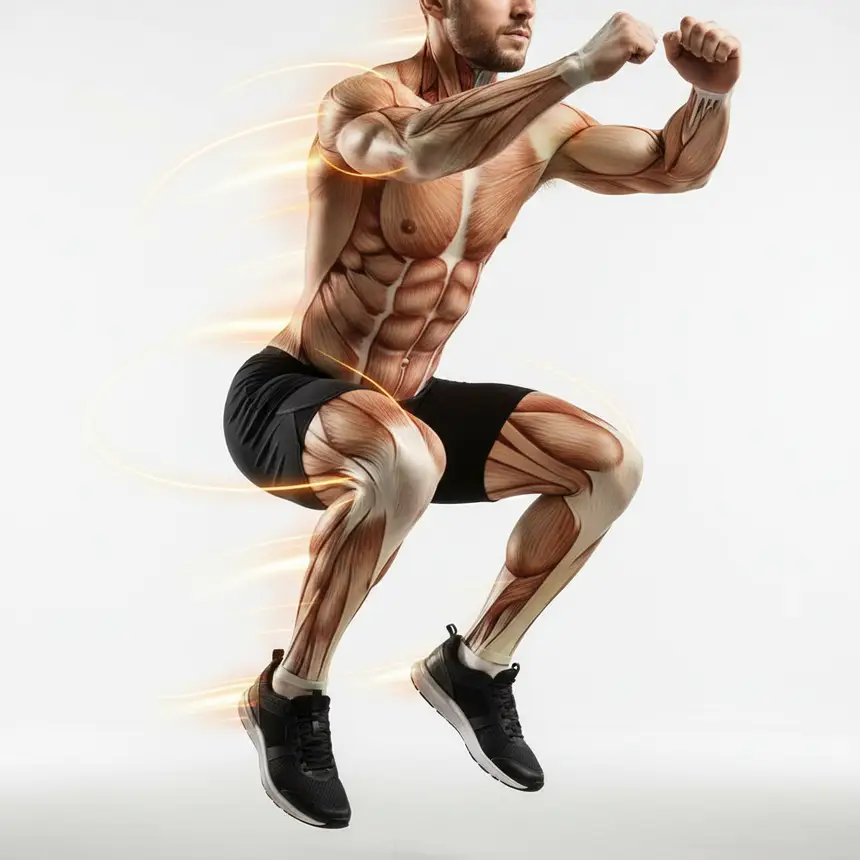
After an intense workout, your muscles experience microscopic tears and your body's energy reserves are depleted. Without adequate recovery, you risk prolonged muscle soreness, increased injury susceptibility, and a decline in future workout performance. Effective post-workout recovery goes beyond just resting; it's crucial for repairing damaged muscle tissues, replenishing energy stores, and reducing overall bodily stress. Through a comprehensive recovery process, your body rebuilds stronger, significantly contributing to achieving your fitness goals. Immediate recovery helps alleviate muscle discomfort and enhances flexibility, while in the long term, it's a cornerstone for improving athletic capability and maintaining a healthy physique.
Practical Strategies for Optimizing Your Post-Workout Recovery
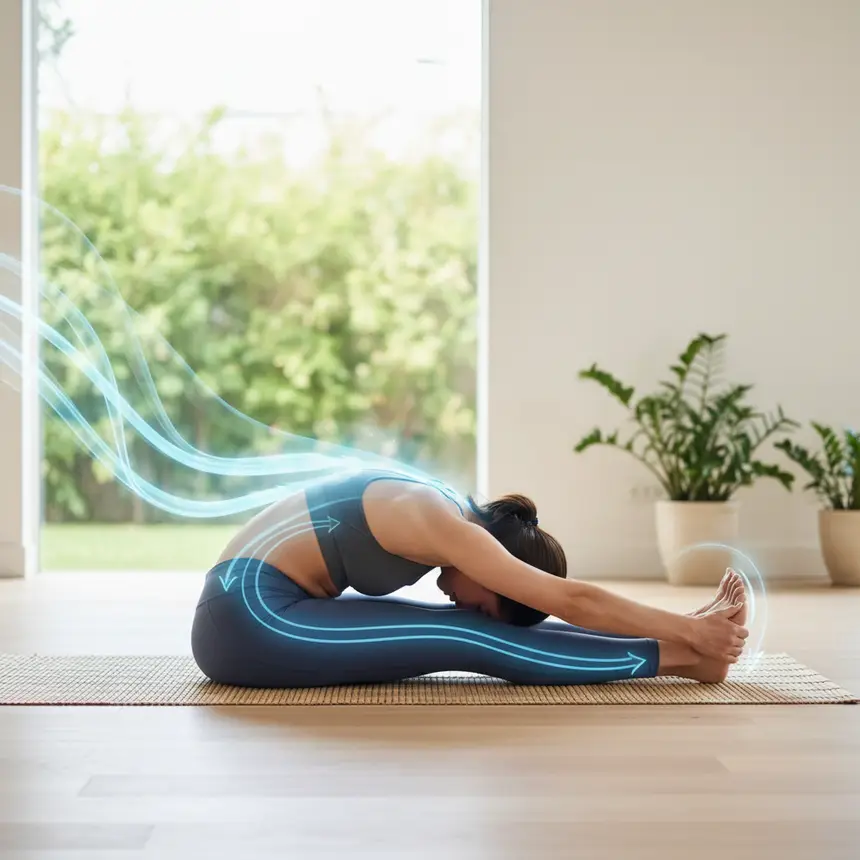
Integrating diverse techniques into your post-exercise routine can significantly aid your body's rejuvenation, promoting muscle relaxation and alleviating fatigue.
1. Targeted Muscle Release: It's vital to release tension from your muscles immediately after exercise. Utilizing tools that allow you to adjust intensity and approach for specific areas, or seeking professional manual therapy, can be highly beneficial. Tools employing rolling or vibration can help break up muscle knots and enhance blood circulation.
2. Full-Body Compression and Circulation Boost: Gentle compression across the body can improve the flow of blood and lymphatic fluid. This effectively aids in waste product removal and reduces swelling. For areas like the legs, using compression sleeves or air compression boots can specifically accelerate fatigue recovery.
3. Harnessing Heat Therapy: Warm temperatures assist in muscle relaxation and increase blood flow, thereby accelerating the recovery process. Applying warm compresses to fatigued areas or simply taking a warm shower can help relax muscle tension and provide comfort.
4. Rest in Optimal Positions: Resting in positions that minimize gravitational strain on the body is incredibly effective for full-body relaxation. For instance, elevating your legs above your heart or adjusting your body's angle to reduce pressure on the spine and joints can significantly expedite recovery.
1. Targeted Muscle Release: It's vital to release tension from your muscles immediately after exercise. Utilizing tools that allow you to adjust intensity and approach for specific areas, or seeking professional manual therapy, can be highly beneficial. Tools employing rolling or vibration can help break up muscle knots and enhance blood circulation.
2. Full-Body Compression and Circulation Boost: Gentle compression across the body can improve the flow of blood and lymphatic fluid. This effectively aids in waste product removal and reduces swelling. For areas like the legs, using compression sleeves or air compression boots can specifically accelerate fatigue recovery.
3. Harnessing Heat Therapy: Warm temperatures assist in muscle relaxation and increase blood flow, thereby accelerating the recovery process. Applying warm compresses to fatigued areas or simply taking a warm shower can help relax muscle tension and provide comfort.
4. Rest in Optimal Positions: Resting in positions that minimize gravitational strain on the body is incredibly effective for full-body relaxation. For instance, elevating your legs above your heart or adjusting your body's angle to reduce pressure on the spine and joints can significantly expedite recovery.
※ This post contains affiliate links. I may earn a commission at no extra cost to you.

Who Benefits Most from Dedicated Recovery Management?
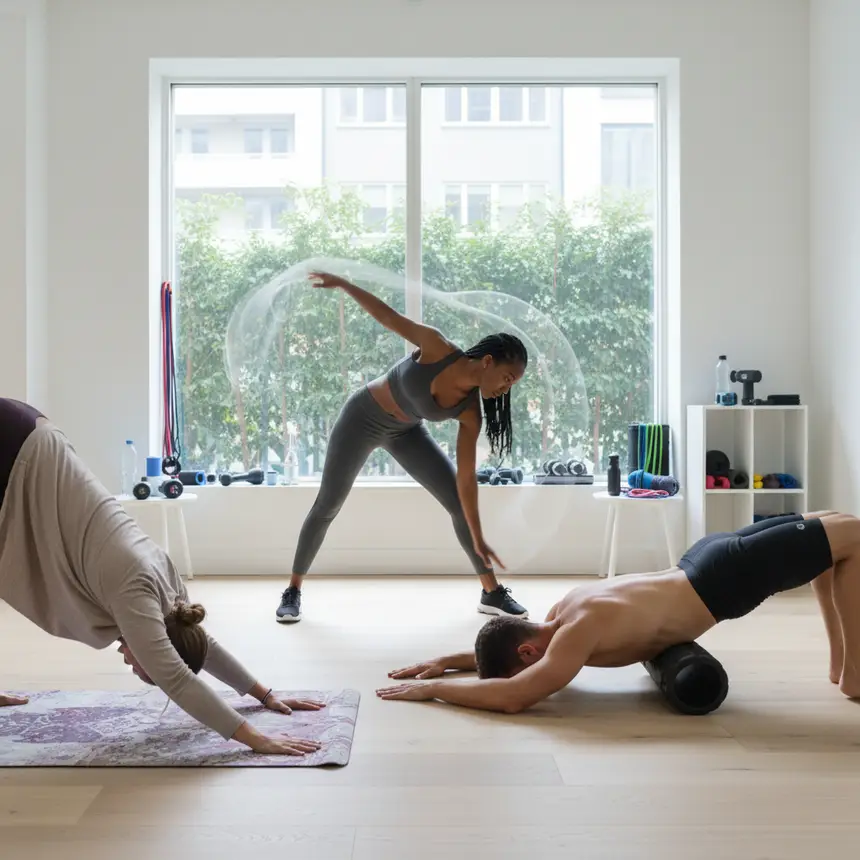
Post-workout recovery isn't just for elite athletes; it's essential for anyone who exercises regularly. However, proactive recovery management is particularly recommended for the following individuals:
- Those who engage in high-intensity workouts: Activities like weightlifting, marathons, or CrossFit place significant stress on the body, leading to greater muscle damage and fatigue, thus requiring more time and effort for recovery.
- Individuals with high physical activity in daily life: If your job requires prolonged standing, heavy physical labor, or you have active hobbies, you might accumulate fatigue beyond your workouts, making recovery a priority.
- Those experiencing frequent muscle soreness or slow recovery: If muscle soreness is severe after exercise or you feel heavy the next day, it could be a sign that your current recovery methods are insufficient.
- Anyone aiming for consistent improvement in athletic performance: Adequate recovery supports muscle growth and reduces injury risk, allowing you to sustain your long-term fitness goals. Before starting a recovery regimen, it's crucial to consider your physical condition and exercise volume to choose appropriate methods. Consulting a professional to tailor a personalized recovery plan can also be a great strategy.
Frequently Asked Questions
Q. Why is post-workout recovery so important?
A. Post-workout recovery is crucial for repairing damaged muscle tissues, replenishing energy stores, and reducing overall body stress. It helps alleviate muscle soreness, minimizes injury risk, and enables optimal performance in your next workout session.
Q. What helps when muscle soreness is severe after a workout?
A. When muscle soreness is intense, light stretching, warm compresses, and gentle massage of the affected area can be beneficial. Adequate hydration and a protein-rich diet are also important for muscle repair.
Q. How should I manage recovery time if I work out daily?
A. If you exercise daily, it's good practice to alternate muscle groups or incorporate low-intensity active recovery (e.g., light walking) after high-intensity sessions. Additionally, sufficient sleep and a balanced diet are critical for continuous recovery.
Q. Is it okay to get a massage immediately after a workout?
A. Yes, getting a massage immediately after a workout can help relax muscles and improve blood circulation. However, it's important to start gently and gradually adjust the pressure rather than using too much force initially.