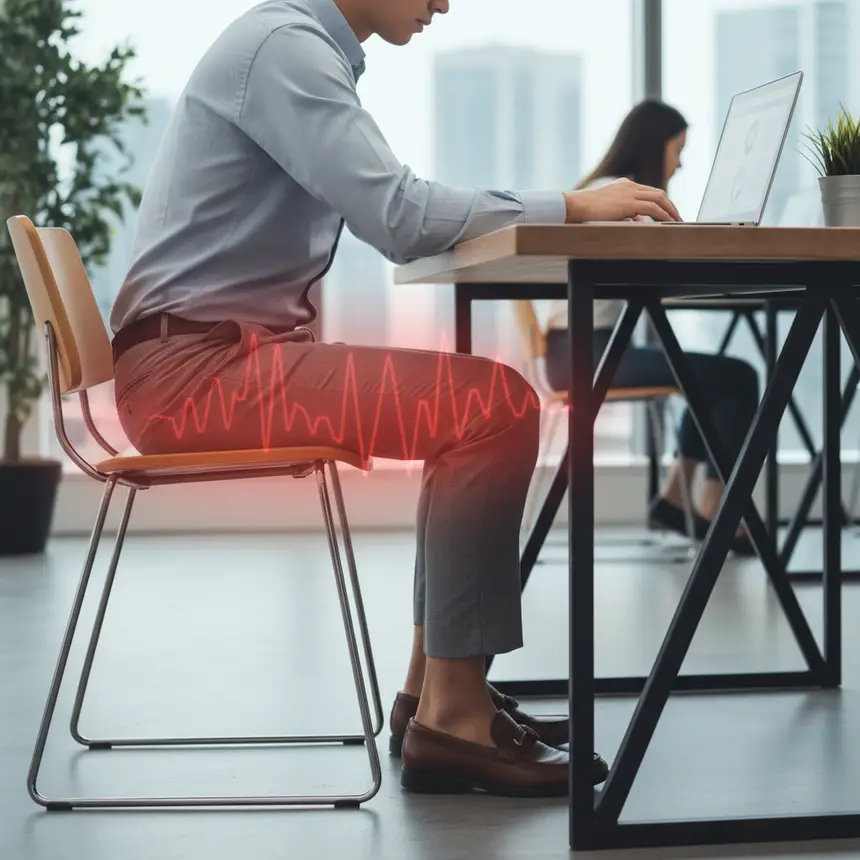
Are you suffering from tech neck and lower back pain in your daily life? Poor posture might be the cause. Discover simple yet effective posture correction exercises to restore spinal health and enjoy a vibrant, pain-free daily life.

H2. Are Nagging Neck and Back Pains Your Constant Companions?
If you spend hours hunched over a computer or constantly scrolling through your phone, chances are you've experienced that familiar stiffness in your neck or a deep ache in your lower back. This is particularly true for new mothers who often find their posture compromised while caring for their babies, putting extra strain on their pelvis and spine. These discomforts are more than just minor annoyances; they can snowball into chronic fatigue, headaches, and even digestive issues. Our bodies are intricately connected, and a misalignment in one area can disrupt overall well-being. If tech neck, persistent lower back pain, or general postural imbalances are impacting your daily life, it's time to seek a holistic solution.

H2. Uncovering the Hidden Causes Behind Your Postural Woes
Attributing neck and back pain solely to 'bad posture' oversimplifies the issue. More often, it's a complex interplay of prolonged static positions, habitual poor alignment, and imbalances where certain muscles are overused while others become weak. For instance, the forward head posture commonly known as 'tech neck' excessively strains the muscles at the back of your neck, which can then radiate pain to your shoulders and upper back. Furthermore, weak core muscles (abdominal and lower back stabilizers) and underdeveloped glutes can destabilize the spine and lead to an anterior pelvic tilt, a common culprit for lower back pain. For parents, repetitive bending while holding or tending to a child frequently misaligns the spine. Over time, these muscular imbalances gradually alter body shape and intensify the cycle of pain.
※ This post contains affiliate links. I may earn a commission at no extra cost to you.

H2. Effective Exercises to Reclaim Your Proper Posture
To correct misalignments and alleviate pain, a balanced approach is key: strengthen weakened muscles and release tension in overactive ones. Here are some exercises you can easily do at home:
- Self-Myofascial Release for Back Muscles: Use a soft pillow or a foam roller. Lie on your back with the tool positioned from the base of your skull down to your mid-back. Gently roll side-to-side to release tight muscles. Use your body weight to apply gentle pressure, pausing on particularly tender spots. This helps to soften stiff fascia around your spine.
- Spinal Alignment Assistance: Lie on your back with knees bent and feet flat. Place a thin book or folded towel between your knees and gently squeeze it. Perform small pelvic tilts, focusing on engaging your deep abdominal muscles without flattening your lower back completely. This helps stabilize the pelvis and encourages neutral spine alignment.
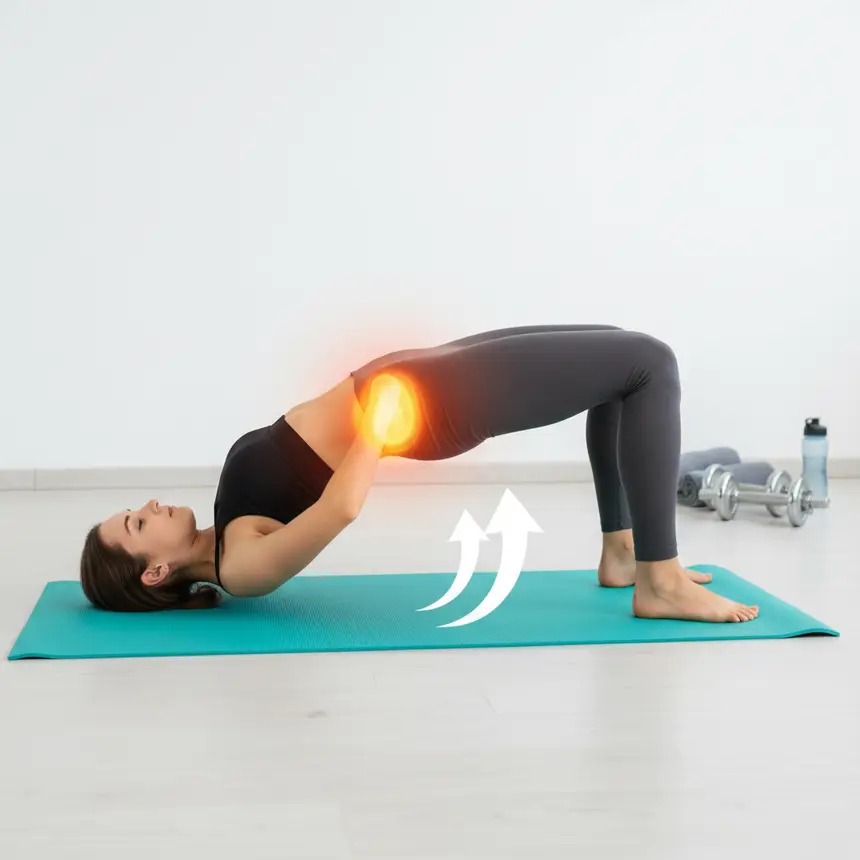
- Core and Glute Strengthening: The glute bridge is excellent for simultaneously engaging your glutes and core. Lie on your back with knees bent and feet hip-width apart. Lift your hips off the floor until your body forms a straight line from shoulders to knees. Hold for 1-2 seconds, then slowly lower. Other exercises like planks and bird-dog are also highly effective for building the foundational strength needed to support your spine.
H2. The Power of Consistency: Your Guide to a Pain-Free Life
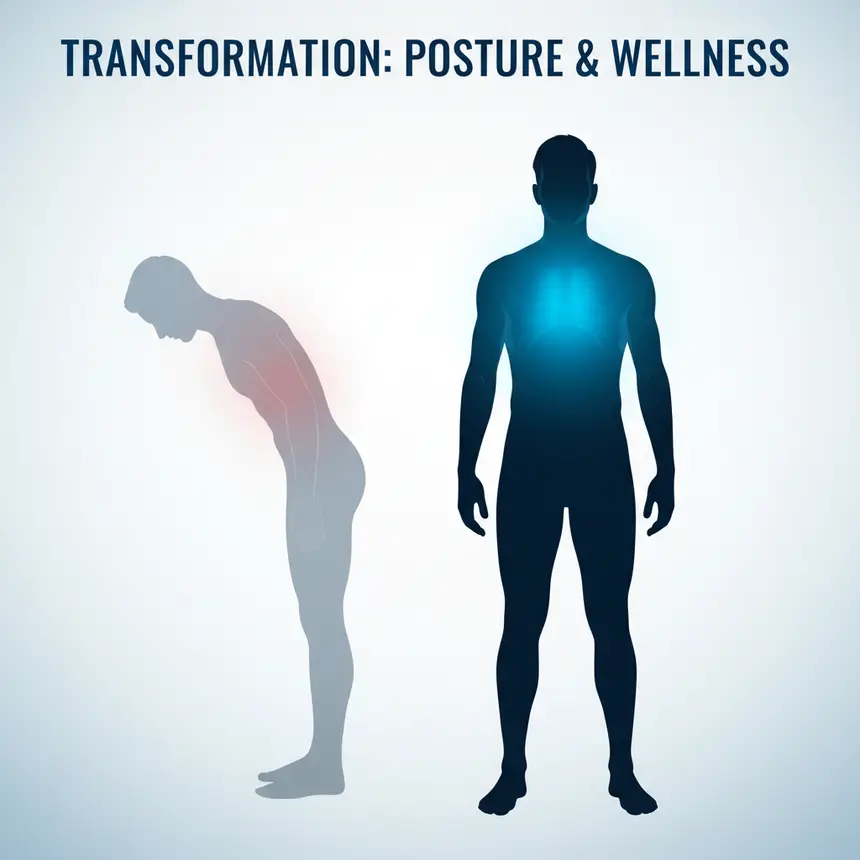
Posture correction isn't a quick fix; it's a journey that requires consistent effort. Incorporating the exercises mentioned above into your daily routine, even for short periods, is crucial. Start with a manageable intensity and duration, gradually increasing as your body adapts. If you experience sharp pain during any exercise, stop immediately and consult a professional. Consciously maintaining good posture throughout your day is also vital. For instance, when sitting, ensure your lower back is firmly against the chair's backrest, and when using your smartphone, try to bring it up to eye level rather than craning your neck down. Combining regular exercise with mindful postural habits will empower you to overcome tech neck and lower back pain, paving the way for a more energetic and pain-free life. Start your journey toward healthy change today with small, consistent steps.
Frequently Asked Questions
Q. Do I need to do posture correction exercises daily for them to be effective?
A. Yes, consistency is paramount for posture correction. Doing short, regular sessions daily is often more effective than longer, infrequent workouts. As your body adapts, you can gradually increase the duration and intensity of your exercises.
Q. What should I do if I feel pain while exercising?
A. If you experience sharp or persistent pain during an exercise, stop immediately. Pushing through pain can exacerbate injuries. It's crucial to consult a healthcare professional to identify the root cause and receive appropriate guidance.
Q. What everyday habits can help alleviate tech neck and lower back pain?
A. When using your smartphone or computer, adjust your screen to eye level. When sitting, ensure your hips are far back in the chair and your back is straight. Incorporate regular stretching breaks and short walks to combat prolonged sitting.
Q. What if I find it hard to exercise correctly on my own?
A. If you struggle with maintaining proper form, consider seeking guidance from a certified fitness professional or physical therapist. Their initial instruction can help you learn correct techniques, which you can then practice consistently at home for better results.