Struggling with rounded shoulders, neck pain, or poor posture? Discover effective at-home stretches like the Wall Angel to improve shoulder mobility and correct your alignment. Transform your posture and alleviate discomfort with these simple yet powerful exercises.

H2. Are Your Shoulders Holding Up? Diagnosing the Modern Malady of Rounded Shoulders
Have you ever taken a good look at your profile in the mirror? Do your shoulders slouch forward, or does your upper back seem a bit hunched? In our hyper-connected world, dominated by smartphones and computers, many individuals are struggling with rounded shoulders, also known as kyphosis. This isn't just about how you look; it can significantly impact your overall health and physical function. Let's dive into why rounded shoulders develop and the array of problems they can cause.
H2. Beyond Aesthetics: The Health Repercussions of Rounded Shoulders
Allowing rounded shoulders to persist over time can lead to a cascade of physical issues that can diminish your quality of life and create chronic discomfort.
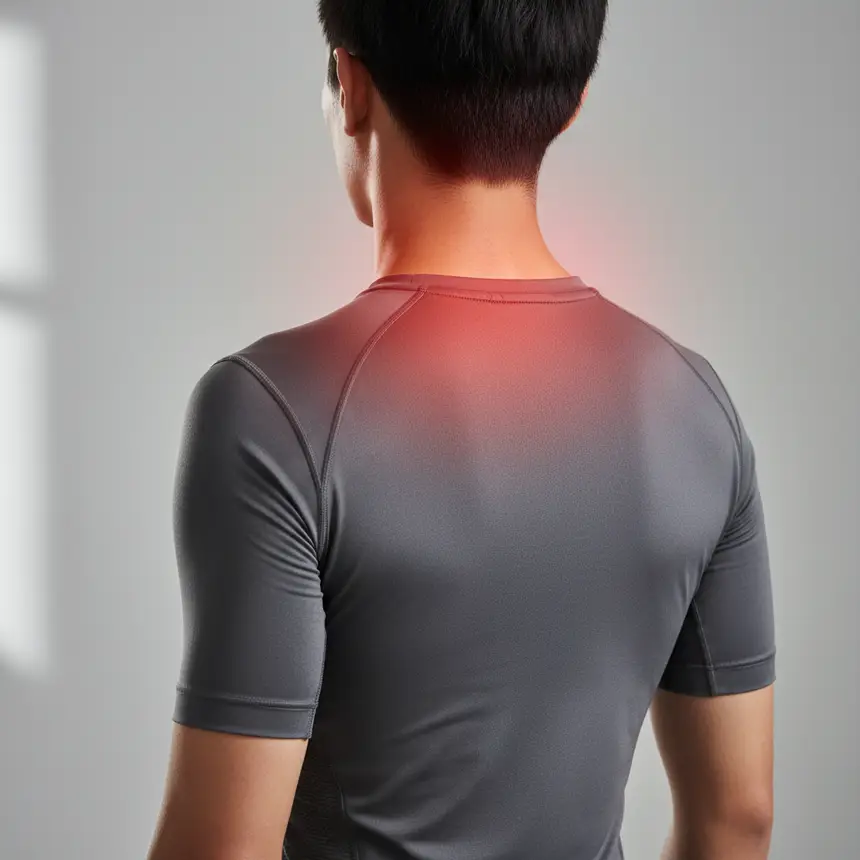
1. Postural Imbalance and Appearance Changes: When your shoulders roll forward, your neck naturally juts out, and your upper back becomes rounded. This often results in a 'text neck' appearance, overdeveloped upper traps, and a seemingly sunken chest, projecting an image of low confidence.
2. Chronic Pain Development: Poor posture places constant strain and pressure on the muscles of your neck, shoulders, and back. This can trigger persistent neck pain, shoulder stiffness, discomfort around the shoulder blades, and even headaches, potentially escalating into myofascial pain syndrome.
3. Restricted Shoulder Joint Mobility: A misaligned shoulder joint limits its natural range of motion. You might find it difficult or painful to lift your arms overhead or move them in certain directions, increasing your risk of injury during physical activity and hindering your athletic performance.
4. Impaired Respiratory Function: Rounded shoulders constrict the rib cage, preventing your lungs from fully expanding. This leads to shallow breathing, reduced oxygen intake, which can manifest as poor concentration or chronic fatigue.
5. Decreased Exercise Efficiency and Increased Injury Risk: Maintaining proper form during exercise becomes challenging, leading to disproportionate stress on certain muscles or ineffective targeting of desired muscle groups. This reduces workout effectiveness and significantly raises the likelihood of exercise-related injuries.
1. Postural Imbalance and Appearance Changes: When your shoulders roll forward, your neck naturally juts out, and your upper back becomes rounded. This often results in a 'text neck' appearance, overdeveloped upper traps, and a seemingly sunken chest, projecting an image of low confidence.
2. Chronic Pain Development: Poor posture places constant strain and pressure on the muscles of your neck, shoulders, and back. This can trigger persistent neck pain, shoulder stiffness, discomfort around the shoulder blades, and even headaches, potentially escalating into myofascial pain syndrome.
3. Restricted Shoulder Joint Mobility: A misaligned shoulder joint limits its natural range of motion. You might find it difficult or painful to lift your arms overhead or move them in certain directions, increasing your risk of injury during physical activity and hindering your athletic performance.
4. Impaired Respiratory Function: Rounded shoulders constrict the rib cage, preventing your lungs from fully expanding. This leads to shallow breathing, reduced oxygen intake, which can manifest as poor concentration or chronic fatigue.
5. Decreased Exercise Efficiency and Increased Injury Risk: Maintaining proper form during exercise becomes challenging, leading to disproportionate stress on certain muscles or ineffective targeting of desired muscle groups. This reduces workout effectiveness and significantly raises the likelihood of exercise-related injuries.
※ This post contains affiliate links. I may earn a commission at no extra cost to you.

H2. The Key to Correcting Rounded Shoulders: A Detailed Guide to the 'Wall Angel' Exercise
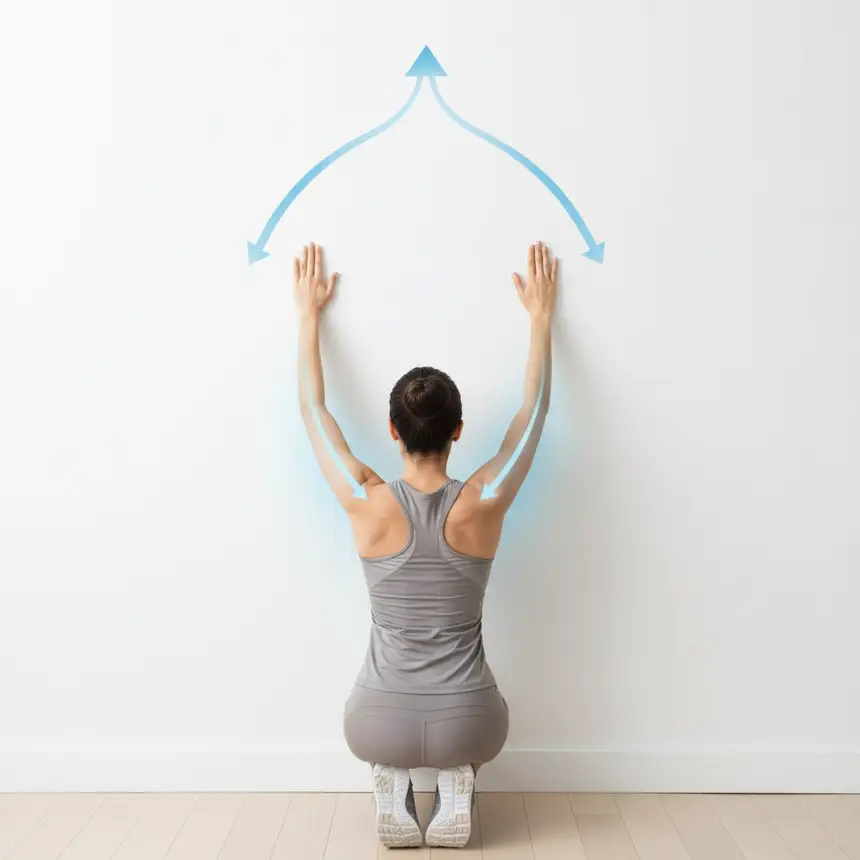
If you're looking to alleviate the various issues stemming from rounded shoulders, consistent and correct exercise is paramount. The 'Wall Angel' exercise, in particular, is highly recommended for improving shoulder mobility and posture correction. Its name comes from the motion of mimicking an angel spreading its wings against a wall.
H3. Key Benefits of the Wall Angel Exercise
H3. How to Perform the Wall Angel Exercise
1. Stand with your back flat against a wall, ensuring your heels, glutes, upper back, and head are gently touching the surface.
2. Slightly bend your knees to maintain a comfortable stance.
3. Bend your elbows to a 90-degree angle, attempting to keep your entire arms against the wall. Ideally, the back of your hands, elbows, and shoulders should all be in contact.
4. If your arms don't fully touch the wall, do not force them. Instead, gently approach the wall within your comfortable range of motion.
5. Slowly raise both arms overhead, extending them upwards like an angel opening its wings. Move smoothly and deliberately, being careful to keep your arms as close to the wall as possible.
6. Once your arms are near your ears, slowly lower them back to the starting position.
7. Repeat this movement 3-5 times to complete one set, performing a total of 2-3 sets.
H3. Key Benefits of the Wall Angel Exercise
- Enhanced Shoulder Joint Mobility: Gently loosens stiff shoulder joints and surrounding muscles, expanding their range of motion.
- Correct Postural Alignment: Helps to realign the thoracic spine and shoulders, aiding in the correction of text neck and rounded back.
- Upper Back Muscle Activation: Engages and strengthens crucial upper back muscles like the trapezius and rhomboids.
- Improved Body Awareness: Allows you to detect and correct asymmetries in your body alignment by using the wall as a reference point.
- Boosted Core and Spinal Stability: Training in a neutral spine position while maintaining wall contact strengthens core stability.
H3. How to Perform the Wall Angel Exercise
1. Stand with your back flat against a wall, ensuring your heels, glutes, upper back, and head are gently touching the surface.
2. Slightly bend your knees to maintain a comfortable stance.
3. Bend your elbows to a 90-degree angle, attempting to keep your entire arms against the wall. Ideally, the back of your hands, elbows, and shoulders should all be in contact.
4. If your arms don't fully touch the wall, do not force them. Instead, gently approach the wall within your comfortable range of motion.
5. Slowly raise both arms overhead, extending them upwards like an angel opening its wings. Move smoothly and deliberately, being careful to keep your arms as close to the wall as possible.
6. Once your arms are near your ears, slowly lower them back to the starting position.
7. Repeat this movement 3-5 times to complete one set, performing a total of 2-3 sets.
H2. Maximizing Your Wall Angel Workout: Practical Tips and Precautions
To get the most out of your Wall Angel exercise and prevent any potential strain, it's crucial to keep a few key tips and precautions in mind.
- Avoid Overexertion: Initially, tightness in your shoulder and chest muscles might prevent your arms from fully contacting the wall. Forcing them can strain your shoulders. Only move within a pain-free range of motion.
- Engage Your Core: During the exercise, focus on gently pulling your belly button towards your spine to engage your core. This helps prevent your lower back from arching excessively off the wall, protecting your spine and enhancing the exercise's effectiveness.
- Consistency is Key: Don't expect dramatic results overnight. Daily, consistent practice is far more effective. Even 5-10 minutes a day can significantly contribute to improved shoulder alignment and posture.
- Warm Up First: Performing some light stretches or warming up your body before starting the Wall Angel can help relax your muscles, allowing for a more effective and comfortable execution of the exercise.

H2. Don't Let Rounded Shoulders Linger: Consistency Is Your Path to Transformation
Rounded shoulders are a common issue in our modern lifestyle, but they are far from an incurable condition. With the Wall Angel exercise, consistent stretching, and mindful posture habits, significant improvement is absolutely achievable. The most critical elements are the courage to 'start now' and the perseverance to 'continue daily.' Take a few minutes each morning, before bed, or during a work break to practice the Wall Angel. You’ll soon discover a lighter feeling in your shoulders and a more confident, healthier version of yourself. Break free from the confines of rounded shoulders and reclaim your vibrant daily life!
Frequently Asked Questions
Q. Is it really necessary to correct rounded shoulders?
A. Yes, absolutely. Rounded shoulders are more than just an aesthetic concern; they can lead to chronic pain, reduced joint mobility, compromised breathing function, and various other health issues. Active correction is highly recommended for long-term well-being.
Q. Can I do the Wall Angel exercise every day?
A. Yes, the Wall Angel is considered a low-intensity stretch, making it suitable for daily practice. Consistency is key for optimal results. However, if you experience any pain, it's best to rest or consult with a fitness professional.
Q. Are there other exercises besides Wall Angels that help with rounded shoulders?
A. Beyond Wall Angels, exercises that improve thoracic spine mobility, foam rolling for the upper back, and exercises to strengthen the rhomboids (like band pull-aparts or rows) can also be very beneficial. The most important thing is to consistently perform exercises that suit your individual needs.
Q. My arms don't fully touch the wall when I do Wall Angels. Is that okay?
A. Yes, that's perfectly fine, especially when you're starting out. Many people have limited flexibility in their shoulders and chest, preventing full wall contact. The goal isn't to force it, but to gently try to get as close as possible without pain. With consistent practice, your range of motion will gradually improve.