Managing weight during menopause can be challenging due to hormonal shifts. Discover smart menopause diet strategies to overcome reduced metabolism and muscle loss, and achieve healthy weight management.

Menopause: The Unexpected Shadow of Weight Gain
Menopause marks a significant transition in a woman's life, often bringing with it a host of physical changes. Many women find themselves puzzled by shifts in their body composition, especially when their weight, which they've diligently managed for years, inexplicably starts to creep up or stubbornly refuses to budge despite their best efforts. This can be a source of considerable frustration. Even with reduced food intake and increased exercise intensity, achieving satisfactory results often feels like an uphill battle. This challenge isn't merely a matter of willpower; it stems from profound internal changes. To successfully navigate weight management during this phase, a targeted menopause diet approach that understands these internal shifts is essential.
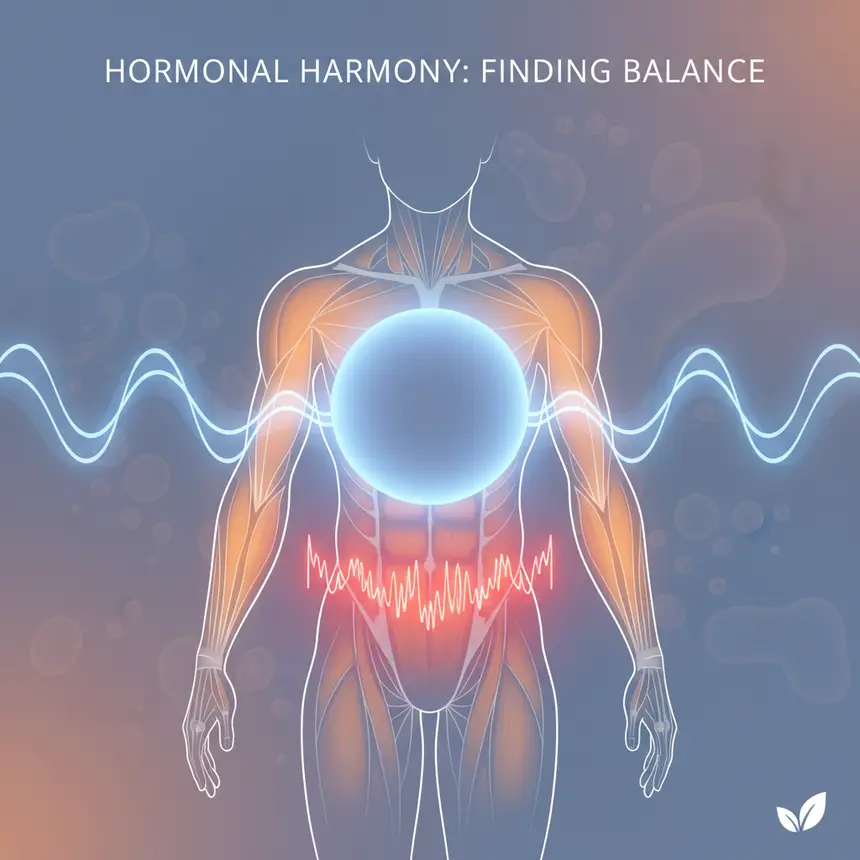
Menopausal Weight Changes: Signals from Your Hormones
Weight gain during menopause is strongly linked to the sharp decline in estrogen, a key female hormone. Estrogen plays a far broader role than just reproductive function; it influences various bodily processes, including basal metabolic rate, fat distribution, and muscle mass maintenance. As this hormone diminishes, the body's efficiency in burning energy decreases, naturally lowering your basal metabolism. Furthermore, it accelerates muscle loss, further reducing your calorie-burning capacity, and tends to encourage fat accumulation around the abdominal area. These changes are primary reasons why women might gain weight even with their usual diet and activity levels, necessitating a different strategy for a menopause diet.
※ This post contains affiliate links. I may earn a commission at no extra cost to you.


Your Menopause Diet: Strategies for Health and Vitality
During menopause, it's crucial to revamp your dietary and exercise strategies to align with your body's changing needs. The focus should shift from simply eating less and moving more to restoring internal balance.
- The Power of Strength Training: To counteract muscle loss, incorporating regular strength training 2-3 times a week is vital. Full-body exercises that engage large muscle groups, like squats, lunges, and push-ups, are effective in boosting metabolism and activating bodily functions. Using light dumbbells or resistance bands can also be beneficial.
- Nutritionally Balanced Diet: Protein is essential for muscle maintenance and synthesis, so ensure adequate intake of lean meats, fish, and legumes at every meal. Increase your consumption of fiber-rich vegetables, fruits, and whole grains for gut health and satiety. Also, include healthy fats from sources like nuts, avocados, and olive oil. Pay special attention to nutrient-dense foods rich in minerals and vitamins crucial for middle-aged women, such as calcium and Vitamin D.
- Prioritize Sleep and Stress Management: Lack of sleep and chronic stress can impact hormones that contribute to weight gain. Aim for 7-8 hours of quality sleep nightly and manage stress effectively through practices like meditation, yoga, or gentle walks. These lifestyle factors significantly contribute to the success of your menopause diet.

The Roadmap to a Successful Menopause Diet: Consistency is Key
A menopause diet is less about achieving dramatic short-term results and more about fostering sustainable, healthy changes through consistent effort. Start today with one small, actionable step. This could be a 30-minute walk daily or adding an extra serving of vegetables to your dinner. The key is consistency, not perfection. Sometimes, consulting with a professional to create a personalized exercise and meal plan can be very beneficial. By listening to your body's signals and dedicating time to self-care, you can navigate menopause with greater vitality and health. These accumulated efforts will bring about positive transformations in both your body and mind.
Frequently Asked Questions
Q. What specific nutrients should I focus on during a menopause diet?
A. During menopause, protein, calcium, and Vitamin D are crucial for maintaining muscle mass and bone health. We also recommend consuming omega-3 fatty acids and plenty of vitamins and minerals from diverse fruits and vegetables for cardiovascular health and antioxidant benefits.
Q. Why is strength training so important during menopause?
A. Hormonal changes during menopause naturally lead to muscle loss and a decrease in basal metabolic rate. Strength training helps counteract this muscle loss, boosts metabolism for effective fat reduction, and positively impacts bone density.
Q. What should I do if I hit a plateau during my menopause diet?
A. Plateaus are a normal part of any weight management journey. During this time, consider changing up your exercise routine or making small adjustments to your caloric intake. Most importantly, stay patient and consistent. Seeking professional guidance can also be helpful if needed.
Q. Is weight gain during menopause inevitable?
A. While hormonal shifts can predispose you to weight gain, it's certainly manageable. With a proper diet, regular exercise, and improved lifestyle habits, you can effectively manage your weight and maintain a healthy body composition. Proactive management is key.
Q. Beyond diet, what other lifestyle habits support weight management during menopause?
A. Prioritizing adequate sleep (7-8 hours), managing stress (through meditation, yoga, or hobbies), and consistent hydration are all vital. These factors support hormone balance and boost metabolic activity, positively influencing weight management efforts.