Many believe cardio alone is enough for fitness. However, true vitality and a robust body require strength training. Discover why building muscle is crucial for combating aging, improving metabolism, and boosting energy in your daily life.

Is Your Fitness Routine Missing a Critical Component?
When most people embark on a journey to better health, their first thought often turns to aerobic activities like running, cycling, or brisk walking. There's no denying the benefits of cardio – it's fantastic for heart health and can certainly leave you feeling invigorated. However, have you ever found yourself consistently hitting the pavement or the elliptical, yet still feeling persistently fatigued, experiencing stiffness in your joints, or noticing a gradual decline in your overall vitality as the years pass? If so, you might be overlooking a crucial piece of the wellness puzzle. Imagine building a magnificent house with a beautiful roof but forgetting to construct sturdy foundational walls. Your body, much like that house, needs robust internal support to thrive long-term. To truly build a resilient, energetic, and capable body, it’s time to seriously consider integrating strength training into your routine.
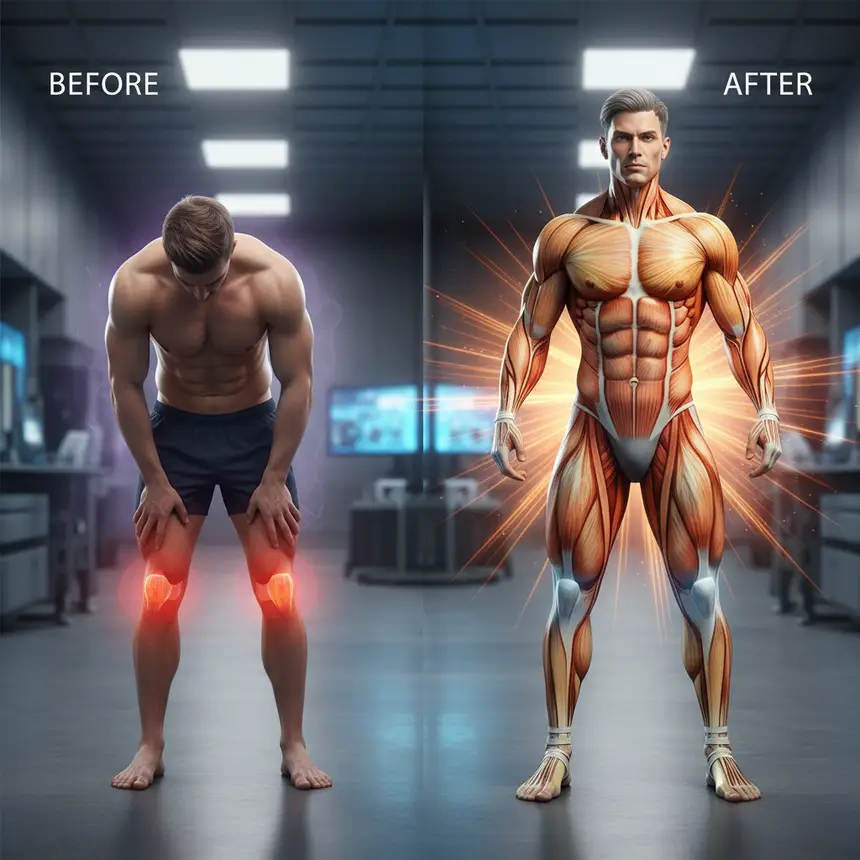
Unlocking Your Body's Full Potential: The Core Benefits of Strength Work
One of the most significant physiological changes we experience as we age is the natural decline in muscle mass, a process that typically begins in our mid-thirties. This isn't merely about losing physical strength; it has far-reaching implications for your entire body's well-being. As muscle diminishes, it's often replaced by fat, leading to a slower metabolism, making weight management more challenging. Furthermore, muscles are your body's primary 'energy engines.' When you lack sufficient muscle, your body becomes less efficient at utilizing energy, often resulting in chronic fatigue and a general sense of sluggishness, even manifesting as a 'skinny fat' physique – normal weight with a high body fat percentage.
Strength training offers a powerful solution to these challenges:
1. Boosted Metabolic Activity: More muscle mass directly translates to a higher resting metabolic rate. This means your body burns more calories even when you're at rest, aiding in fat management and providing a sustained energy boost throughout your day.
2. Enhanced Structural Support: Muscles act as crucial stabilizers and shock absorbers for your bones and joints. Strengthening these muscles through resistance training can reduce stress on your joints, improve overall postural alignment, and help alleviate discomfort in various parts of your body.
3. Accessible and Safe Progression: Many shy away from strength training due to a misconception that it involves heavy weights and high risk. In reality, strength training is incredibly safe and effective when approached progressively, tailored to your body's current capabilities and range of motion. You can start with foundational bodyweight exercises like squats and lunges, gradually incorporating light dumbbells or resistance bands as you get stronger.
Commit to incorporating full-body strength training into your routine 2-3 times a week. Even simple daily movements like standing up from a chair or performing wall push-ups can be a great starting point.
Strength training offers a powerful solution to these challenges:
1. Boosted Metabolic Activity: More muscle mass directly translates to a higher resting metabolic rate. This means your body burns more calories even when you're at rest, aiding in fat management and providing a sustained energy boost throughout your day.
2. Enhanced Structural Support: Muscles act as crucial stabilizers and shock absorbers for your bones and joints. Strengthening these muscles through resistance training can reduce stress on your joints, improve overall postural alignment, and help alleviate discomfort in various parts of your body.
3. Accessible and Safe Progression: Many shy away from strength training due to a misconception that it involves heavy weights and high risk. In reality, strength training is incredibly safe and effective when approached progressively, tailored to your body's current capabilities and range of motion. You can start with foundational bodyweight exercises like squats and lunges, gradually incorporating light dumbbells or resistance bands as you get stronger.
Commit to incorporating full-body strength training into your routine 2-3 times a week. Even simple daily movements like standing up from a chair or performing wall push-ups can be a great starting point.
※ This post contains affiliate links. I may earn a commission at no extra cost to you.


Your Path to Lasting Strength and Vitality: Embracing the Journey
Embarking on your strength training journey doesn't have to be intimidating or require an immediate overhaul of your lifestyle. The most crucial step is simply to begin. There’s no need to lift heavy weights or master complex exercises from day one. Start with bodyweight movements, focusing intently on feeling the target muscles engage. This mindful approach is key to building a strong foundation.
Now is the perfect moment to initiate this small yet profound change. Why not integrate strength training into your daily life starting today for a healthier, more vibrant you? Your dedication to a stronger self is genuinely celebrated.
- Prioritize Proper Form: Especially for beginners, mastering correct form over the number of repetitions or the amount of weight is paramount. This not only prevents injuries but also maximizes the effectiveness of each exercise. Use mirrors to check your technique or consider a few sessions with a certified fitness professional for guidance.
- Progressive Overload: As your body adapts and grows stronger, gradually increase the intensity of your workouts. This could mean adding more repetitions, increasing the weight, or trying more challenging variations of exercises. This progression is vital for continued muscle growth and to keep your motivation high.
- Consistency is Key: While immediate results are tempting, the true benefits of strength training unfold through consistent effort over time. Aim for regular sessions, even if they are shorter, 2-3 times a week. Building this habit is more impactful than sporadic, intense bursts of activity.
Now is the perfect moment to initiate this small yet profound change. Why not integrate strength training into your daily life starting today for a healthier, more vibrant you? Your dedication to a stronger self is genuinely celebrated.
Frequently Asked Questions
Q. Is there an age limit to start strength training?
A. Absolutely not! Strength training is beneficial for people of all ages. For older adults, maintaining and building muscle mass is crucial for quality of life and preventing age-related decline. The key is to choose appropriate intensities and exercises that suit your current physical condition and to progress safely.
Q. Should I strength train every day for the best results?
A. Muscles grow during the recovery phase after a workout, not just during the workout itself. So, it's generally more effective to train 2-3 times a week, allowing adequate rest for each muscle group. For beginners, full-body workouts on alternate days are often recommended.
Q. What strength exercises can I do at home without equipment?
A. Many effective strength exercises require no equipment. Great options include squats, lunges, push-ups (you can modify them by doing them against a wall or on your knees), planks, and glute bridges. Watch online tutorials to learn proper form and aim for consistency.
Q. I have significant muscle soreness after strength training; is that normal?
A. Delayed Onset Muscle Soreness (DOMS), which typically appears 1-2 days after a workout, is a normal physiological response, especially when starting a new routine or increasing intensity. It's often a sign that your muscles are adapting and growing. However, if the pain is severe, sharp, or felt in your joints, it's best to adjust your workout intensity or consult with a fitness professional.