Discover tailored Pilates strategies for your 50s. Focus on joint protection, strength building, and balance improvement with customized workouts to embrace an active midlife.

Understanding Midlife Fitness: Key Goals for Your 50s and Pilates Benefits
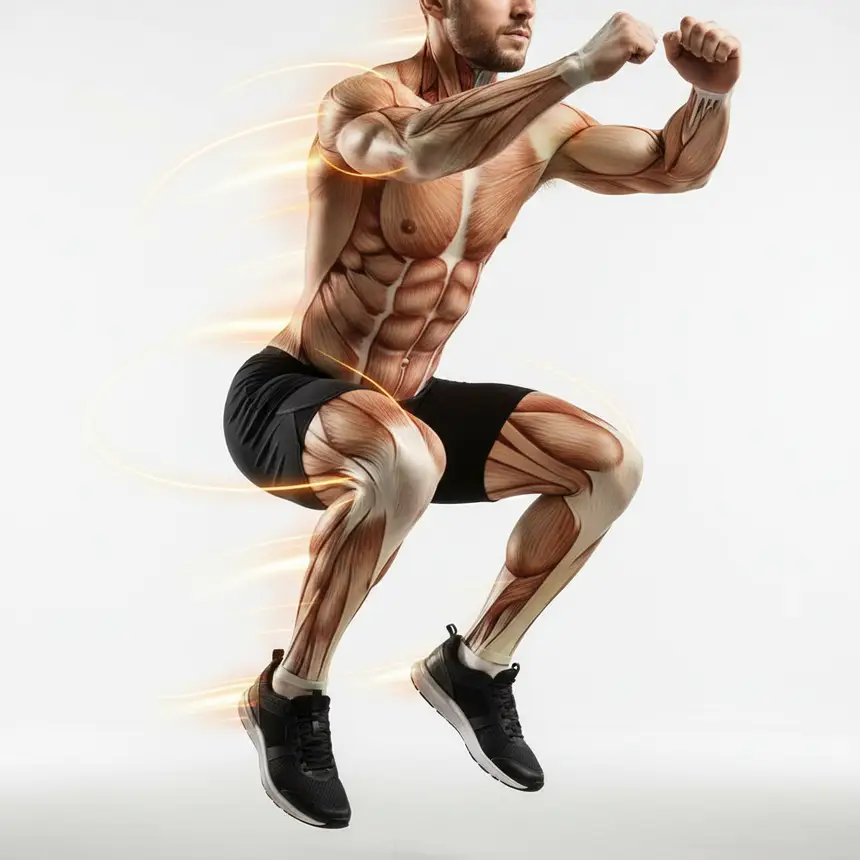
As we advance in years, our bodies undergo a series of natural transformations. Reaching your 50s often brings notable physical shifts, such as a gradual decrease in muscle mass, bone density weakening, and a reduction in joint mobility. During this phase, it's more beneficial to adopt an exercise regimen perfectly suited to your current physical condition rather than rigidly adhering to the workouts of your younger days. The primary aim of exercising in your 50s extends beyond just weight management; it focuses on enhancing overall quality of life. For instance, it's crucial to support spinal health by strengthening core muscles while minimizing joint strain, and to improve balance to significantly reduce the risk of falls. Pilates is widely recognized as an excellent fitness choice that addresses these specific physical characteristics and needs of individuals in their 50s. This exercise method allows for intensity adjustments based on individual fitness levels, and its precise movements help concurrently boost body stability and flexibility. Furthermore, the deep breathing and focused concentration involved can provide a sense of mental calm, contributing to a holistic approach to midlife health.
Custom Pilates Programs for the 50s: Detailed Movements and Routine Guidance
Unlike programs designed for those in their 20s, Pilates for individuals in their 50s prioritizes stability and functional recovery over high-intensity challenges. For example, while younger adults might tackle advanced moves like the Teaser or Swan Dive to push their limits in strength and flexibility, midlife strength training focuses on maintaining stable postures and preventing injuries. A tailored Pilates program for your 50s typically includes:
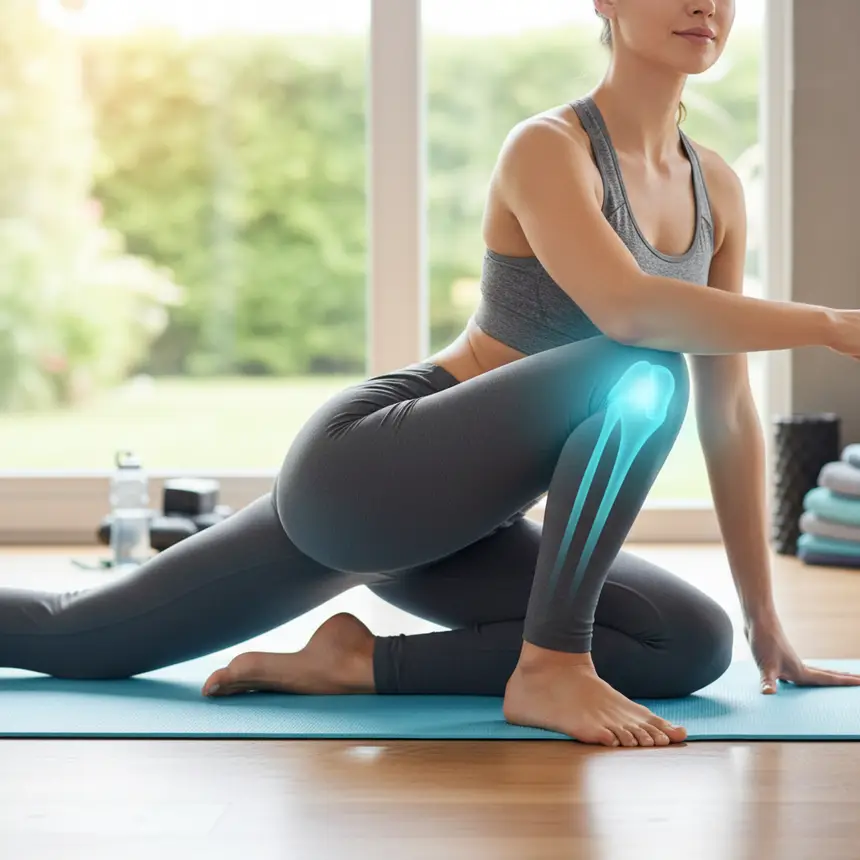
- Joint Protection and Range of Motion Improvement: The emphasis is on gently moving major joints like the knees, hips, and shoulders. Repeated movements within a pain-free range are more beneficial than excessive stretching. For instance, the Bridge exercise effectively strengthens the glutes and spine without stressing the lower back, making it highly suitable for 50s health and fitness.
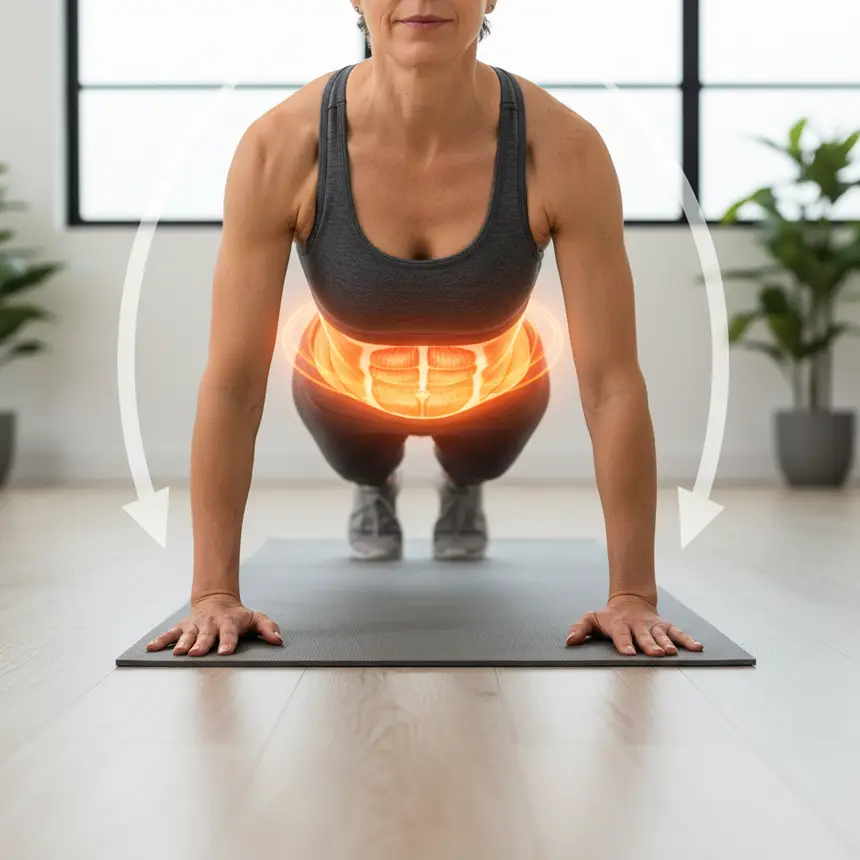
- Core Stability Enhancement: Exercises targeting the abdominal and back muscles are vital for spinal stabilization and maintaining proper posture. It's best to start with stable, wider-base variations of exercises like planks or the Hundred, gradually increasing the difficulty.
- Balance Improvement: To counteract the natural decline in balance with age, movements like single-leg stands or modified lunges are incorporated. These directly help in preventing falls.
- Circulation and Tension Release: Gentle stretching and breathwork promote full-body circulation and relieve muscle tension, enhancing overall flexibility. A study, for instance, indicated that regular low-intensity exercise significantly improves circulation in middle-aged individuals. Pilates can uniquely offer both low-impact cardiovascular benefits and muscle-strengthening effects simultaneously.
※ This post contains affiliate links. I may earn a commission at no extra cost to you.

Safe and Effective Exercise Practices for Your 50s
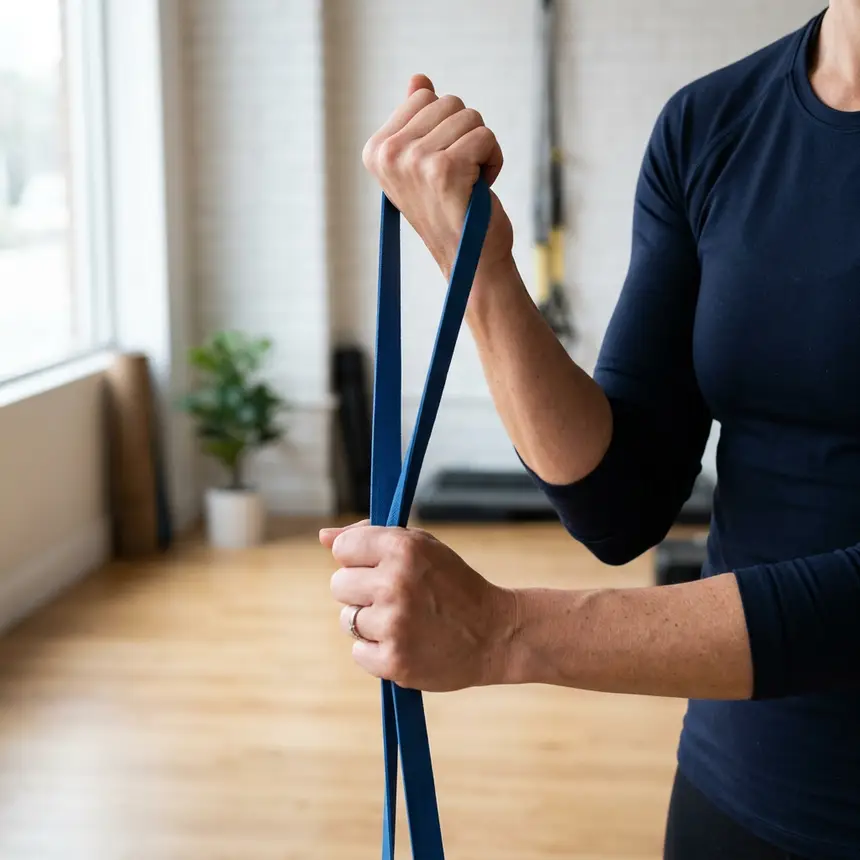
When starting a new exercise regimen or changing your current one in your 50s, adhering to certain principles is crucial. This helps prevent injuries and maximizes workout benefits. First, seek professional guidance. For precise movements like those in Pilates, one-on-one instruction from an experienced instructor is vital to learn correct form and appropriate intensity for your body. Incorrect posture can easily lead to injury. Second, listen to your body. If you feel pain during an exercise, stop immediately, rest, or reduce the intensity. Prioritize 'safety' over pushing 'a little harder.' Third, consistency is key. Regular exercise two to three times a week is far more effective for long-term health than short bursts of intense activity. Aim for a habit of moving consistently, even if it's just 15 minutes daily. Finally, utilizing various props can be beneficial. Tools like foam rollers, resistance bands, and small exercise balls can help target specific muscles more effectively or reduce joint strain.
Precautions and Recommended Candidates for 50s Workouts
When embarking on or continuing an exercise routine in your 50s, it's essential to be aware of several precautions. The most critical step is to consult a healthcare professional before starting any new program. Especially if you have chronic conditions or suffer from joint pain, a discussion with your doctor or physical therapist is necessary to determine suitable exercises and intensity levels. Additionally, ensure adequate hydration during workouts and avoid getting too cold. Sudden, high-intensity exercise can lead to muscle soreness or injury, so always begin with low intensity and gradually increase your workload. The goal of midlife strength training is to build a foundation for healthy aging, making patience and consistency vital. This tailored approach to exercise, particularly Pilates, is highly recommended for individuals who:
- Experience difficulty exercising due to chronic joint pain in the back or knees.
- Wish to improve their quality of life through better posture and enhanced balance.
- Are beginning to feel discomfort in daily activities due to muscle loss.
- Seek both psychological well-being and physical vitality.
- Are looking for a safe and structured exercise methodology.
Frequently Asked Questions
Q. Is it too late to start Pilates in my 50s?
A. It's absolutely not too late. Pilates can be adjusted in intensity to match individual physical conditions and abilities, making it a perfectly safe and effective exercise to begin in your 50s. The key is consistent practice with proper form under professional guidance.
Q. Can Pilates truly help with joint health in my 50s?
A. Yes, it can be very beneficial. Pilates strengthens the muscles surrounding your joints without undue stress, thus enhancing joint stability. It also gently increases range of motion, contributing to improved joint flexibility. Starting at a low intensity and gradually increasing is important.
Q. How many times a week should someone in their 50s do Pilates?
A. Generally, practicing 2-3 times a week consistently is recommended. However, this can be adjusted based on individual fitness levels and recovery rates. If you're new to exercise, starting with once a week to allow your body to adapt before gradually increasing frequency can be a good approach.
Q. Is Pilates suitable for men in their 50s?
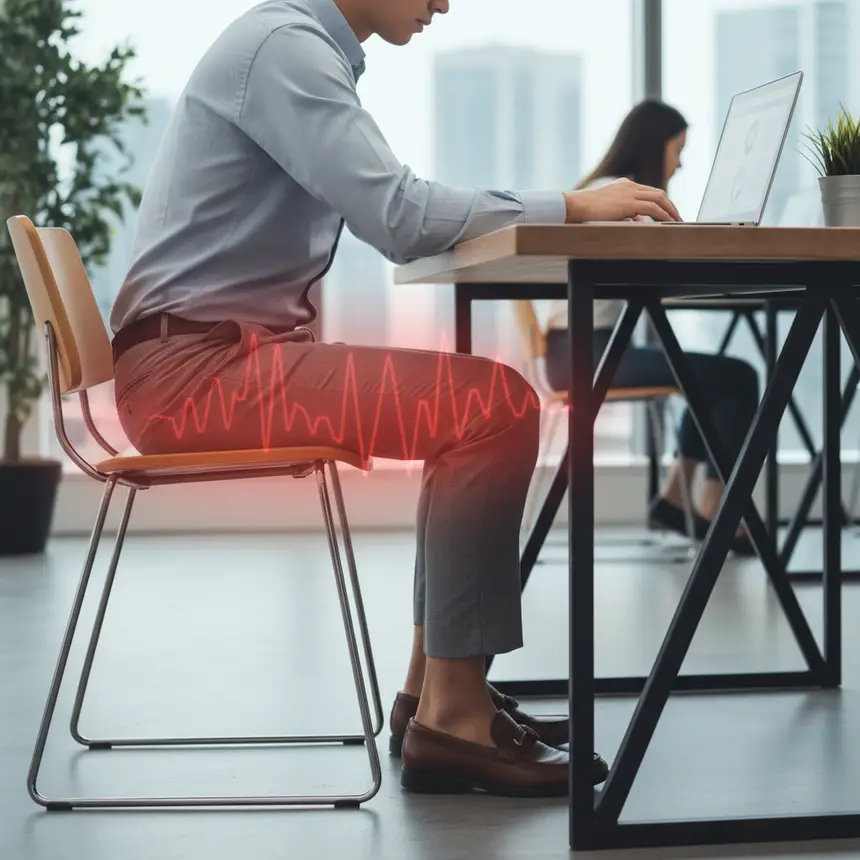
A. Absolutely. Pilates is an effective exercise for people of all ages and genders. For men in their 50s, especially those who maintain fixed postures for long periods at work or have physical imbalances from sports like golf, Pilates can be extremely helpful in improving their overall physical condition and balance.