Explore why weight management becomes challenging for men over 40 and discover effective diet, exercise, and metabolic activation strategies tailored for declining basal metabolic rates. Get practical guidance for a healthier life.

Why Does Weight Management Become Challenging After 40?
Many men in their 40s and beyond find that managing their weight becomes a significantly harder task. The once-effective methods of slightly reducing food intake or starting a new exercise routine yield minimal results, often leaving them feeling more fatigued than before. This frustration is common when the pounds that used to melt away now seem to be stubbornly stuck, like pushing against an immovable object. Discovering an expanding waistline or noticing a different reflection in the mirror becomes a personal reality for many. These shifts aren't simply a matter of willpower; they are deeply intertwined with physiological changes occurring within the body. There's a clear reason why the diet and exercise routines that worked in your 20s or 30s are no longer effective, and understanding these underlying changes is the crucial first step for successful weight management in middle-aged men.
Tailored Solutions for Your Evolving Body
The primary reasons weight management becomes more difficult for middle-aged men include a decline in basal metabolic rate, shifts in male hormone levels, and a natural reduction in muscle mass. These changes collectively slow down fat burning and make muscle synthesis more challenging. Therefore, instead of relying on past methods, a multi-faceted approach that considers these physiological shifts is essential.
1. Dietary Refinement: Focus on Quality Over Quantity
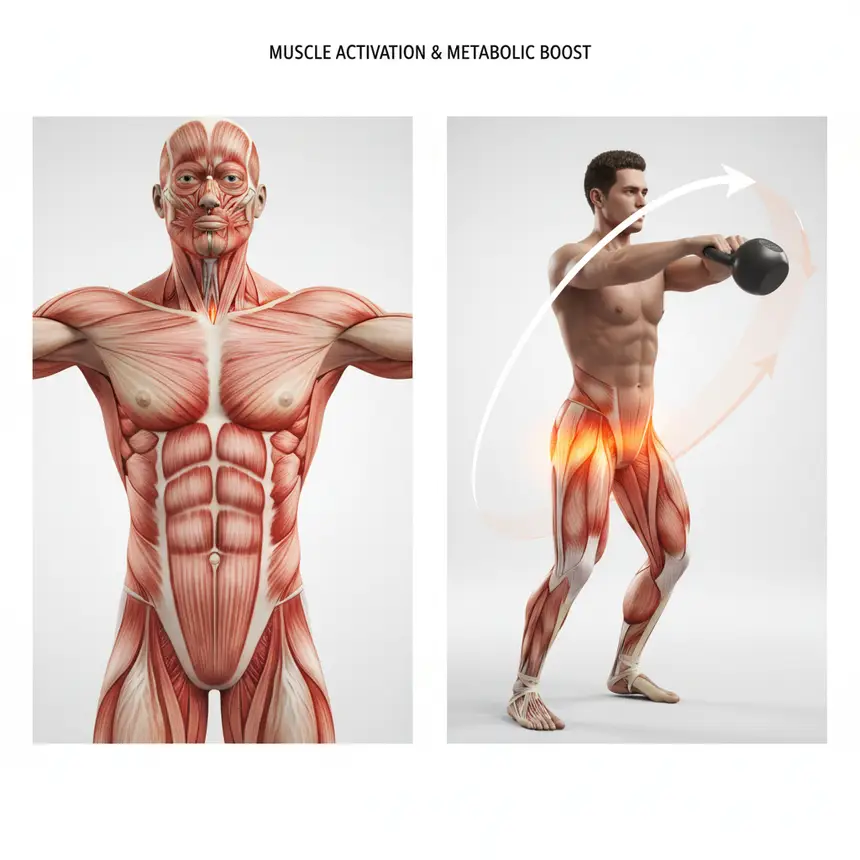
2. Exercise Strategy: Muscle Preservation and Metabolic Activation
3. Metabolic Support: Enhancing Body Vitality Through Nutrition
1. Dietary Refinement: Focus on Quality Over Quantity
- Rather than just cutting calories, prioritize increasing protein intake to support muscle maintenance and growth. Opt for complex carbohydrates and healthy fats to sustain satiety and stabilize blood sugar. It's particularly beneficial to keep dinner light and avoid late-night snacking. Incorporating plenty of fiber-rich vegetables also aids digestion and boosts fullness.
2. Exercise Strategy: Muscle Preservation and Metabolic Activation
- Consistent strength training, ideally 3-4 times a week, combined with cardiovascular exercise, is crucial. Strength training plays a decisive role in preserving declining muscle mass and maintaining a healthy basal metabolic rate. Choose weights and repetitions appropriate for your fitness level, focusing on compound exercises that engage multiple muscle groups. Exercises like squats, deadlifts, push-ups, and rows effectively activate metabolism by utilizing large muscle groups simultaneously.
3. Metabolic Support: Enhancing Body Vitality Through Nutrition
- If diet and exercise alone feel insufficient, consider focusing on specific nutrients vital for metabolic processes. Components that aid in converting fat into energy, amino acids that support muscle recovery and synthesis, and coenzymes involved in cellular energy production can contribute to increased vitality and exercise efficiency in middle-aged men. For instance, minerals like zinc are important for male hormone balance, and B-complex vitamins play essential roles in energy metabolism. These nutrients can sometimes be difficult to obtain sufficiently through diet alone, so consulting with a professional about supplementation might be an option. This comprehensive approach will contribute not just to reducing numbers on the scale but also to improving body composition and overall vitality.
※ This post contains affiliate links. I may earn a commission at no extra cost to you.


Practical Guide and Precautions for Sustainable Change
Weight management for middle-aged men is not a sprint; it's a marathon. It's crucial to approach it with consistency and patience, rather than expecting drastic short-term changes. Here are some actionable tips and precautions you can start implementing today:
- Regular Sleep Habits: Adequate sleep is essential for hormone balance and recovery from fatigue, positively impacting metabolic function. Aim for 7-8 hours of quality sleep per night.
- Stress Management: Chronic stress can elevate cortisol levels, potentially promoting fat storage. It's important to set aside time for stress relief through meditation, hobbies, or light walks.
- Hydration: Drinking enough water facilitates metabolism and helps prevent overeating by promoting a feeling of fullness.
- Regular Health Check-ups: Understand your health status accurately and seek professional advice when necessary. If you have chronic conditions like high blood pressure or diabetes, consult with a healthcare professional to create a safe exercise and diet plan.
- Avoid Extreme Diets: Drastic dietary restrictions or excessive exercise can harm your health and trigger rebound weight gain. Listening to your body's signals and gradually building healthy habits is key to successful weight management for middle-aged men. Consistent effort will lead to enhanced physical vitality and a healthier life.
Frequently Asked Questions
Q. What are the main reasons men struggle with weight loss after 40?
A. The primary reasons include a decrease in basal metabolic rate, changes in male hormone levels, and a natural decline in muscle mass. These factors collectively slow down fat burning, making it harder for older diet methods to be effective.
Q. What types of exercise are most effective for middle-aged men?
A. A combination of strength training and cardiovascular exercise is most effective. Strength training is crucial for maintaining and building muscle mass, which boosts metabolism. Compound exercises like squats and deadlifts are highly recommended. Cardiovascular exercise benefits heart health and fat burning.
Q. Are there specific dietary considerations for men over 40 trying to lose weight?
A. Instead of just reducing overall intake, focus on increasing protein to prevent muscle loss. Opt for complex carbohydrates from whole grains and vegetables over refined carbs. Keeping dinners lighter and cutting down on unnecessary late-night snacks and processed foods are also key.
Q. Are nutritional supplements essential for weight management in middle-aged men?
A. While not strictly essential, supplementing certain nutrients (e.g., B vitamins, zinc, magnesium, specific amino acids) that might be lacking in a balanced diet can help activate metabolism and maintain energy levels. It's advisable to consult with a professional before starting any supplements.
Q. My weight loss progress is slow; how can I stay motivated?
A. Weight management in middle age should focus on long-term health improvements rather than short-term goals. Appreciate small changes and focus on positive physical shifts like better-fitting clothes or increased stamina, rather than just the scale. Consistency and patience are vital; finding enjoyable activities that you can stick with will boost your long-term success.