Discover effective kettlebell exercises perfect for fitness beginners.
Learn how to strengthen your core and enhance full-body muscle tone with practical moves that fit into any busy schedule.

Overcoming Initial Hurdles: The Beginner's Guide to Functional Fitness
Many embarking on a fitness journey face common dilemmas: feeling overwhelmed by complex gym equipment, struggling with body awareness, or battling the effects of prolonged sitting. A weak core and lack of overall body tone often lead to discomfort and reduced athletic performance in daily life. Finding an accessible yet effective starting point that builds foundational strength and improves functional movement is crucial. This is where kettlebell training shines—it's a versatile tool that engages the entire body, enhancing not just muscle strength but also coordination and overall physical capability. Kettlebells provide a fun and rewarding way to improve your body's proprioception and full-body coordination, whether you're at home or at the gym. Let's explore this efficient workout method.
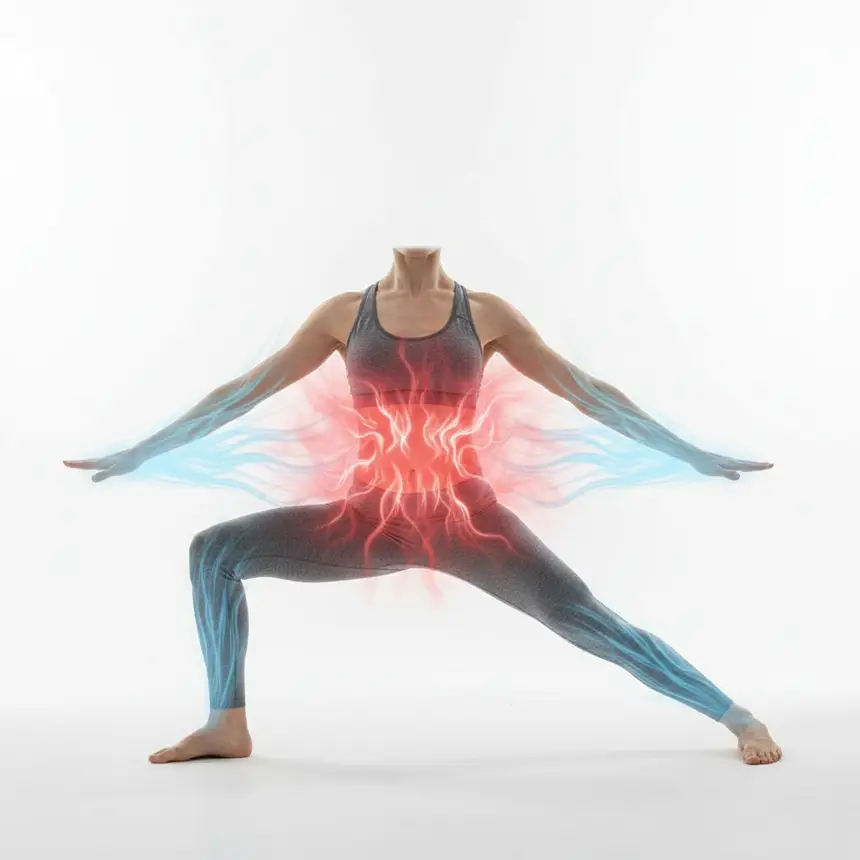
Unlocking Your Body's Potential: Why Functional Movement Matters
Modern lifestyles frequently involve extended periods of inactivity or repetitive, limited movements. This often leads to an underdeveloped core, muscular imbalances, and a noticeable decrease in full-body elasticity. Crucially, it can also diminish our "proprioception"—the body's ability to sense its position and movement in space. When proprioception is compromised, workouts become less efficient, and the risk of injury in daily activities increases. Functional training, especially with tools like kettlebells, addresses these issues by promoting integrated movements that restore balance and improve the body's natural mechanics. This functional approach goes beyond simply building muscle; it enhances the fluidity of movements required in everyday life.
※ This post contains affiliate links. I may earn a commission at no extra cost to you.

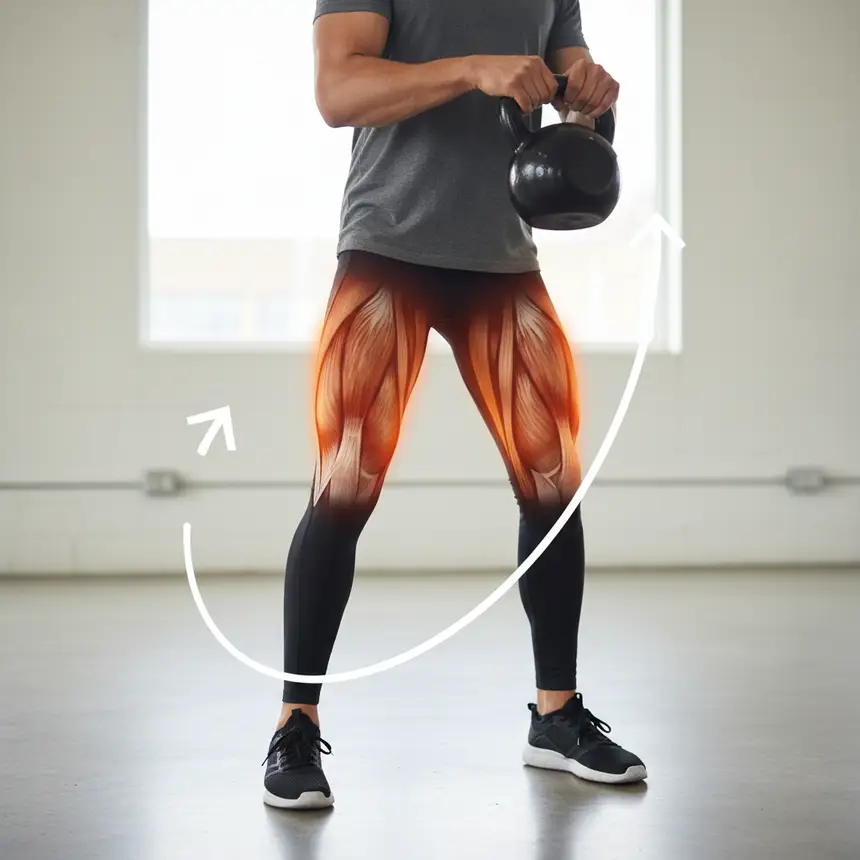
Essential Kettlebell Exercises for Core Strength and Full-Body Tone
Kettlebell training effectively stimulates your entire body through a variety of dynamic movements. Here are some key exercises that beginners can easily incorporate:
Warm-Up: Shoulder and Scapula Mobility Drills
Before diving into dynamic kettlebell movements, it's vital to prepare your shoulders and scapulae to prevent injury and optimize your range of motion. Start in a tabletop position on your hands and knees. Lower your elbows to the floor, maintaining a straight line with your torso, and gently drop your chest towards the ground. As you do this, press your forearms into the floor, allowing your upper back to round slightly, and exhale deeply. This mobility drill will prime your upper body for the demanding movements of kettlebell exercises.
The Kettlebell Seesaw Press
This exercise is fantastic for building shoulder strength and stability while rigorously engaging your core, particularly your obliques. Stand with your feet wider than shoulder-width apart, holding two kettlebells at chest height. Powerfully press one kettlebell overhead while simultaneously bringing the other down to your chest, moving them in a rhythmic, seesaw-like fashion. The key is to brace your core and glutes to prevent your body from swaying. Maintain a strong, stable torso throughout the movement, being mindful not to arch your lower back excessively.
The Kettlebell Clean
The Kettlebell Clean is a full-body coordination exercise that teaches you to efficiently transfer power from your lower body to your upper body. Begin with your feet wider than shoulder-width, the kettlebell positioned between your legs. Explosively drive through your hips and glutes to lift the kettlebell, fully extending your hips and knees to transfer momentum upwards. Guide the kettlebell smoothly into a rack position at your chest. As you descend, hinge at your hips, allowing the kettlebell to return naturally between your legs. This dynamic movement demands synchronized muscle activation, explosiveness, and immediate core engagement.
Warm-Up: Shoulder and Scapula Mobility Drills
Before diving into dynamic kettlebell movements, it's vital to prepare your shoulders and scapulae to prevent injury and optimize your range of motion. Start in a tabletop position on your hands and knees. Lower your elbows to the floor, maintaining a straight line with your torso, and gently drop your chest towards the ground. As you do this, press your forearms into the floor, allowing your upper back to round slightly, and exhale deeply. This mobility drill will prime your upper body for the demanding movements of kettlebell exercises.
The Kettlebell Seesaw Press
This exercise is fantastic for building shoulder strength and stability while rigorously engaging your core, particularly your obliques. Stand with your feet wider than shoulder-width apart, holding two kettlebells at chest height. Powerfully press one kettlebell overhead while simultaneously bringing the other down to your chest, moving them in a rhythmic, seesaw-like fashion. The key is to brace your core and glutes to prevent your body from swaying. Maintain a strong, stable torso throughout the movement, being mindful not to arch your lower back excessively.
The Kettlebell Clean
The Kettlebell Clean is a full-body coordination exercise that teaches you to efficiently transfer power from your lower body to your upper body. Begin with your feet wider than shoulder-width, the kettlebell positioned between your legs. Explosively drive through your hips and glutes to lift the kettlebell, fully extending your hips and knees to transfer momentum upwards. Guide the kettlebell smoothly into a rack position at your chest. As you descend, hinge at your hips, allowing the kettlebell to return naturally between your legs. This dynamic movement demands synchronized muscle activation, explosiveness, and immediate core engagement.

Your Path to Stronger Movement: A Consistent Kettlebell Approach
Kettlebell training transcends mere strength building; it's a powerful method to awaken your body's functional capabilities and achieve full-body balance. As a beginner, prioritize mastering proper form with a lighter kettlebell. As your proficiency grows, gradually increase the weight to challenge yourself further. A good starting point is to aim for 3 sets of 10-12 repetitions for each exercise, performing these sessions 2-3 times per week. Always complement your kettlebell workouts with adequate warm-ups, cool-downs, and perhaps some cardiovascular activity to aid recovery and boost overall fitness. This consistent dedication will not only forge stronger muscles but also instill newfound vitality and confidence in your daily life. Embrace the journey and unlock a healthier, more capable you with kettlebell training. It's crucial to consistently work out to maximize your body's potential.
Frequently Asked Questions
Q. I'm new to kettlebell training. What's a good starting weight for beginners?
A. For beginners, it's best to start with a lighter kettlebell (e.g., 8-10 lbs for women, 15-25 lbs for men) to focus on learning proper form and movement patterns. You can gradually increase the weight as your technique improves.
Q. I sometimes feel lower back discomfort during kettlebell exercises. What should I do?
A. Lower back discomfort often stems from improper form or a weak core. Ensure you're engaging your core and glutes throughout the exercises. Also, prioritize thorough warm-ups and cool-downs. If discomfort persists, consider seeking guidance from a certified fitness professional.
Q. Can kettlebell training really help tone my entire body?
A. Absolutely! Kettlebell exercises like swings, cleans, and snatches are compound movements that engage multiple muscle groups simultaneously. This makes them highly effective for improving full-body strength, endurance, and overall muscle tone when performed consistently with a well-designed routine.
Q. How many times a week should a beginner do kettlebell workouts?
A. For beginners, training 2-3 times per week is generally recommended. This allows for sufficient muscle recovery and growth. As you progress, you can adjust the frequency and intensity of your workouts.
Q. What is the biggest advantage of incorporating kettlebells into my fitness routine?
A. The greatest benefit of kettlebell training is its ability to simultaneously enhance strength, endurance, flexibility, balance, and proprioception using just one tool. It's an incredibly efficient functional training method that can deliver significant fitness improvements in a relatively short amount of time.