Discover the ultimate beginner gym workout order. This guide covers everything from warm-up to strength, cardio, and cool-down for safe and effective training. Learn common mistakes to avoid and practical tips to kickstart your healthy fitness journey. Perfect for new gym-goers!

H2. Feeling Lost at the Gym? Your First Steps Matter!
Stepping into a gym for the first time can feel overwhelming, can't it? With rows of unfamiliar machines and seasoned gym-goers, it's easy to feel unsure where to even begin. For fitness novices, establishing a clear workout order isn't just about efficiency; it's crucial for maximizing your results and, more importantly, preventing injuries. Think of it as a roadmap for your fitness journey. A well-structured gym routine provides the clarity you need to navigate your workouts effectively and build a strong foundation. Let's explore the essential flow that will guide your initial steps toward a successful fitness experience.
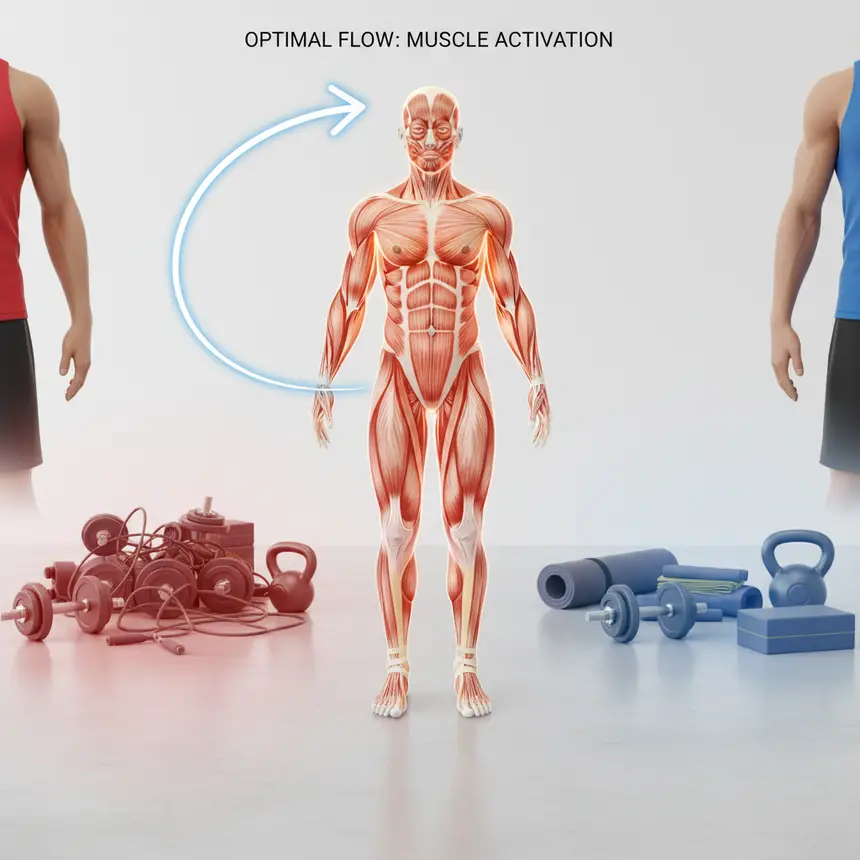
H2. Why Does Your Workout Sequence Really Make a Difference?
It’s tempting to jump straight into your favorite exercises or tackle the heaviest weights first. However, every phase of a workout serves a specific purpose, and skipping or misordering these steps can significantly hinder your progress and even put you at risk. For instance, launching into intense strength training without a proper warm-up can strain unprepared muscles and joints. Similarly, performing exhaustive cardio before your weightlifting session might deplete your energy reserves, leaving you too fatigued to effectively stimulate muscle growth. A well-planned sequence, on the other hand, ensures your body progressively adapts, performs optimally, and recovers efficiently. Just like constructing a house requires a specific order—foundation, framing, then interiors—your body benefits from a systematic approach to exercise for optimal results.
※ This post contains affiliate links. I may earn a commission at no extra cost to you.


H2. The Optimal Workout Flow for Newcomers: A Step-by-Step Breakdown
The key to a successful exercise routine lies in clearly defining the goals of each stage. Following this order will ensure both efficiency and safety in your workouts.
- Preparation Phase: The Warm-Up (5-10 minutes)
- Core Phase: Structured Strength Training (2-3 times per week)
- Concluding Phase: Cardiovascular Exercise (20-30 minutes, optional)
- Recovery Phase: Cool-Down and Static Stretching
H2. Practical Tips to Dodge Common Beginner Gym Blunders
Avoiding these typical mistakes made by those new to the gym can significantly enhance your safety and the effectiveness of your workouts.
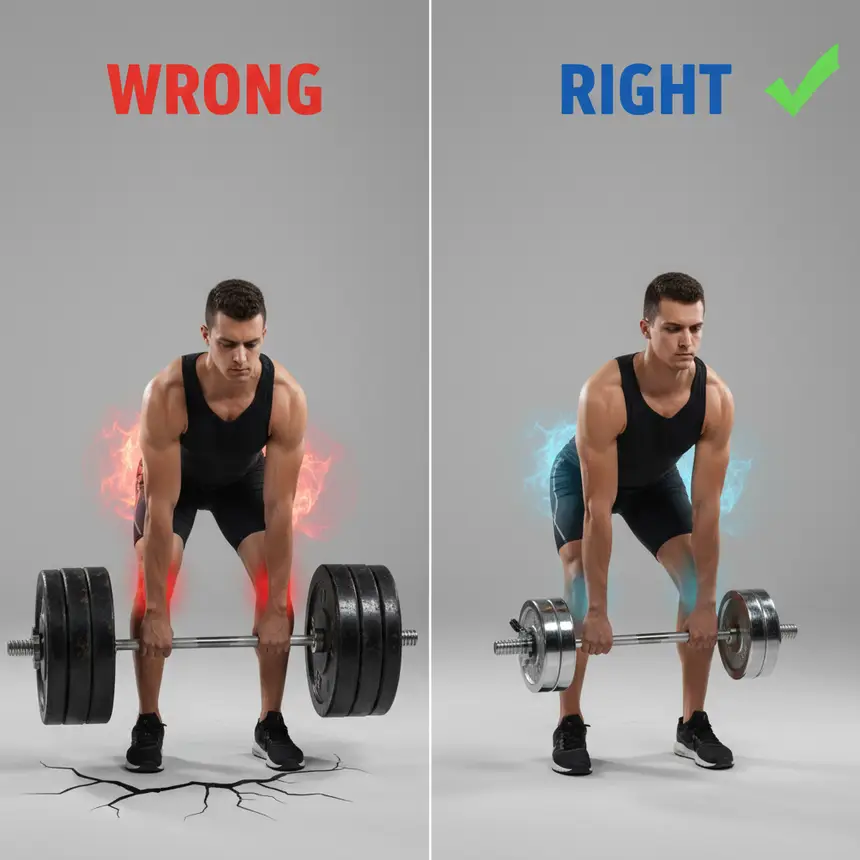
- Resist the Urge to Lift Heavy Too Soon: For beginners, mastering proper form with lighter weights is paramount. Incorrect form with heavy weights dramatically increases injury risk and prevents effective muscle engagement. Always check your form in the mirror, and don't hesitate to ask a trainer for feedback.
- Let Go of the 'Every Day' Mindset: Muscles actually grow and repair during rest periods, not just during the workout itself. Therefore, instead of training daily, a consistent schedule of about three times a week with adequate rest days in between is far more effective for muscle development. Rest is just as vital as your training sessions.
- Don't Skip Strength Training for Cardio: For a well-rounded physique and optimal health, both strength training and cardiovascular exercise are essential. Strength training boosts your metabolism, helps with fat loss, and sculpts your body, while cardio improves heart health and endurance. Integrating both harmoniously is crucial for comprehensive fitness.

H2. Consistency Breeds Change: The Right Start is Key
Embarking on your fitness journey at the gym can feel daunting at first. However, by adhering to a structured beginner gym workout order, avoiding common pitfalls, and committing to consistency, you'll undoubtedly witness incredible transformations. Fitness is a marathon, not a sprint. There's no need to rush; progress at your own pace. With the right knowledge and unwavering dedication, you can enjoy your path toward a healthier, more vibrant life. Remember, small, consistent efforts compound into significant achievements. Here's to building healthy workout habits and celebrating every step of your journey!
Frequently Asked Questions
Q. As a beginner, how many times a week should I hit the gym?
A. For gym beginners, aiming for 2-3 strength training sessions per week is generally recommended. Muscles grow during the recovery period after a workout, so incorporating sufficient rest days is crucial. Consistency with rest days often yields better results than trying to train every single day.
Q. Is it okay to do cardio before my strength training session?
A. While a short, light cardio session is excellent as a warm-up, prolonged high-intensity cardio before strength training can deplete your energy reserves, potentially hindering your performance. It's generally advised to perform cardio after your strength workout for better fat-burning efficiency and energy management.
Q. I'm not sure which strength exercises to start with. Any advice?
A. Beginners at the gym should typically start with machine-based exercises as they are easier to learn and carry a lower risk of injury. Focus on compound movements that work large muscle groups, such as the leg press, lat pulldown, and chest press machines. As you gain confidence and strength, you can gradually progress to free weights.
Q. How much water should I drink during my workout?
A. Staying hydrated during exercise is vital due to fluid loss through sweat. A general recommendation is to drink about 17-20 ounces (500-600ml) of water 2-3 hours before your workout, and then 5-7 ounces (150-200ml) every 15-20 minutes during exercise. It's best to drink before you feel thirsty.
Q. Should I also pay attention to my diet to enhance my workout results?
A. Absolutely, a balanced diet is just as critical as your workouts for maximizing results. Protein is essential for muscle repair and growth, carbohydrates provide energy for your sessions, and healthy fats support overall bodily functions. Focus on whole, unprocessed foods, and ensure you include plenty of fruits and vegetables.