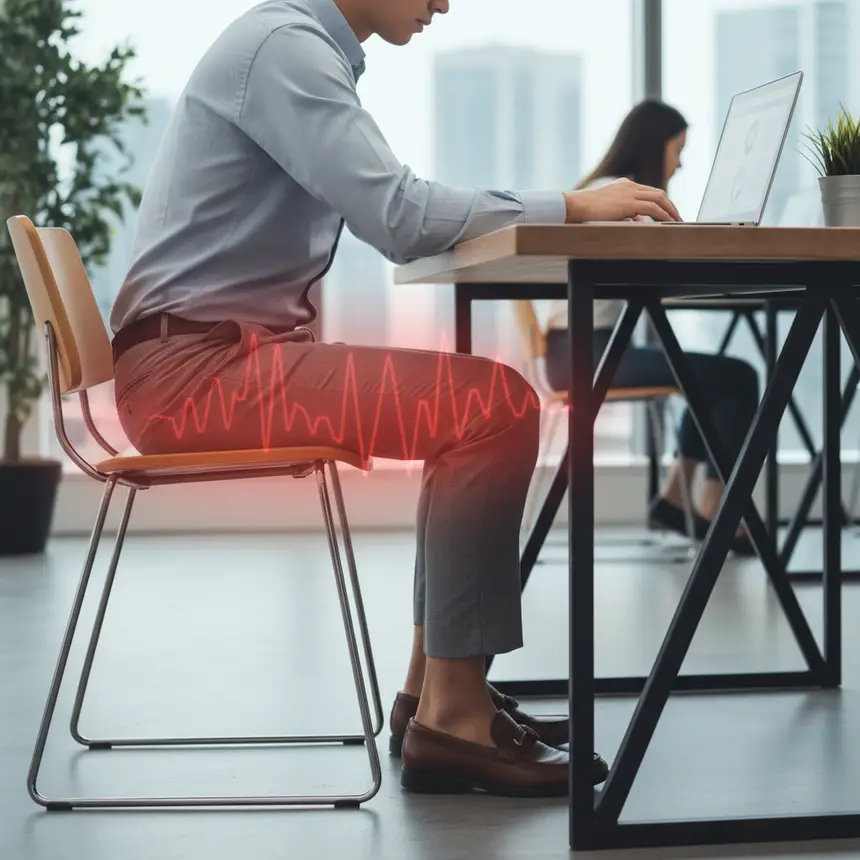
Discover easy micro-workouts to combat stiffness from prolonged sitting and screen time. Learn how short movement breaks can boost energy, improve posture, and enhance overall well-being throughout your busy day.

The Hidden Impact of a Sedentary Lifestyle on Your Body
In our modern world, convenience often comes at the cost of prolonged static postures. From the daily commute to hours spent at a desk and then relaxing on the couch, our bodies are gradually becoming stiff. That nagging lower back pain, shoulders that creep up towards your ears, or a forward-jutting neck aren't just signs of fatigue; they indicate deeper issues. Extended periods in the same position lead to muscle imbalances and poor circulation. Even if you hit the gym regularly, your body struggles to return to a state of ease. Without movement even during short breaks, stiffness increases, energy wanes, and daily discomfort can escalate, potentially leading to low energy levels and reduced focus. Small changes in habit are crucial to counteract these effects.
Targeted Micro-Workouts: Big Changes from Small Moments
Problems stemming from static postures often concentrate in specific body areas. To address these, try incorporating simple movements tailored to different situations. Utilizing short breaks throughout your day for micro-workouts can act as an effective safeguard against physical decline.
1. When You've Been Seated Too Long – Lower Body & Core Reset
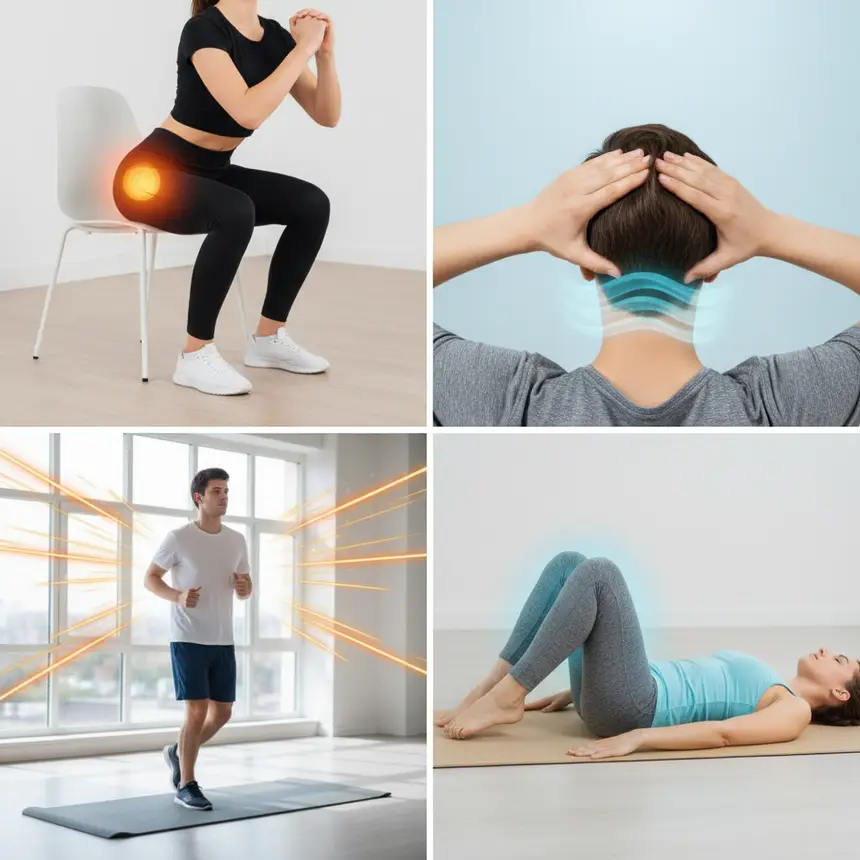
Chair Squats: Stand in front of a chair, push your hips back as if to sit, lightly touch the chair, then push through your heels to stand up. Focus on engaging your glutes and prevent your knees from caving forward. Perform 10-15 repetitions for 2-3 sets to alleviate discomfort in your lower back and hip area.
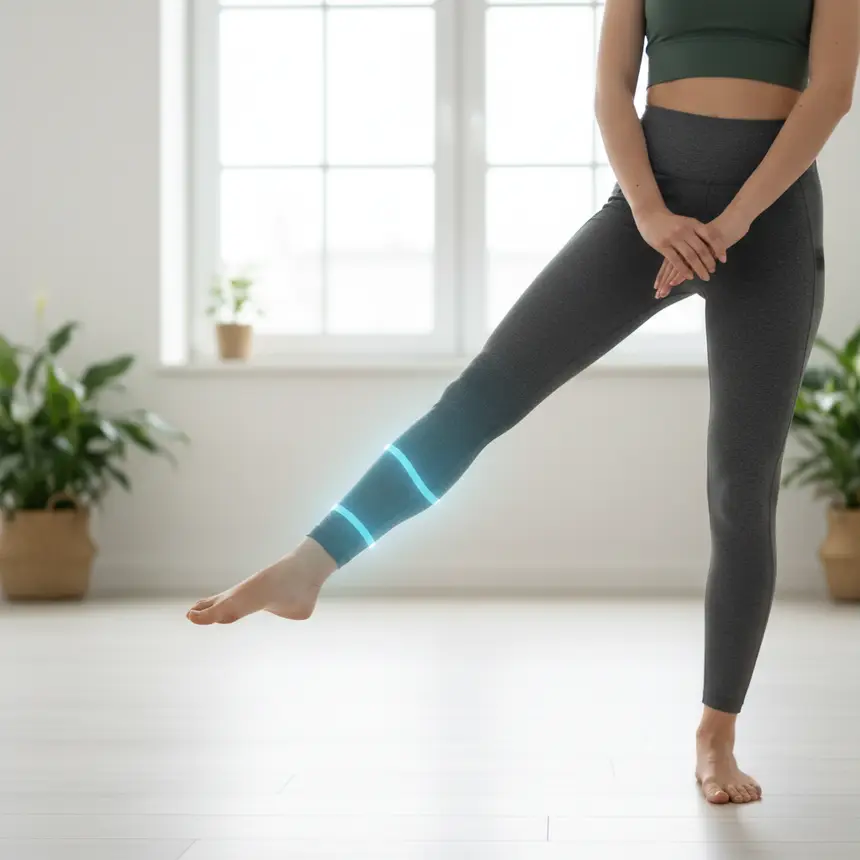
Calf Raises: Repeatedly lift and lower your heels. This acts as a pump, helping to return pooled blood from your lower legs back to your heart, aiding in reducing leg swelling and improving circulation.
2. After Extended Digital Device Use – Releasing Neck & Shoulder Tension
Chin Tucks: Gently pull your chin straight back, as if making a double chin. Avoid tensing your jaw or overly arching your chest. Instead, focus on lengthening your spine. Slightly drawing your shoulder blades together can further assist in aligning your neck and shoulders, crucial for correcting a forward head posture.
3. When Focus Dips and Brain Fog Sets In – Energize Your Mind & Body
Light On-the-Spot Jogging or Jumping: A few minutes of light jogging in place or brief jumping jacks can temporarily elevate your heart rate, boosting oxygen supply to your brain. This can clear your mind and restore focus faster than a cup of coffee. It also improves upper body circulation, helping to release tension in the neck and shoulders.
4. Winding Down Your Day – Releasing Tension & Relaxing
Wall Sits: Lean your back against a wall and slide down until your knees are bent at a 90-degree angle, holding the position. This simultaneously strengthens your thigh and core muscles and helps maintain good posture.
Supine Knee Rocks: Lie on your back with knees bent and feet flat on the floor. Gently rock your knees from side to side. This effectively and gently releases accumulated tension around your lower back from the day.
1. When You've Been Seated Too Long – Lower Body & Core Reset
Chair Squats: Stand in front of a chair, push your hips back as if to sit, lightly touch the chair, then push through your heels to stand up. Focus on engaging your glutes and prevent your knees from caving forward. Perform 10-15 repetitions for 2-3 sets to alleviate discomfort in your lower back and hip area.
Calf Raises: Repeatedly lift and lower your heels. This acts as a pump, helping to return pooled blood from your lower legs back to your heart, aiding in reducing leg swelling and improving circulation.
2. After Extended Digital Device Use – Releasing Neck & Shoulder Tension
Chin Tucks: Gently pull your chin straight back, as if making a double chin. Avoid tensing your jaw or overly arching your chest. Instead, focus on lengthening your spine. Slightly drawing your shoulder blades together can further assist in aligning your neck and shoulders, crucial for correcting a forward head posture.
3. When Focus Dips and Brain Fog Sets In – Energize Your Mind & Body
Light On-the-Spot Jogging or Jumping: A few minutes of light jogging in place or brief jumping jacks can temporarily elevate your heart rate, boosting oxygen supply to your brain. This can clear your mind and restore focus faster than a cup of coffee. It also improves upper body circulation, helping to release tension in the neck and shoulders.
4. Winding Down Your Day – Releasing Tension & Relaxing
Wall Sits: Lean your back against a wall and slide down until your knees are bent at a 90-degree angle, holding the position. This simultaneously strengthens your thigh and core muscles and helps maintain good posture.
Supine Knee Rocks: Lie on your back with knees bent and feet flat on the floor. Gently rock your knees from side to side. This effectively and gently releases accumulated tension around your lower back from the day.
※ This post contains affiliate links. I may earn a commission at no extra cost to you.

Maximizing Micro-Workout Effectiveness: Principles and Precautions
Consistency is key with micro-workouts. It's not about one perfect session, but rather making small, regular movements a habit. Even with a busy schedule, you can experience positive physical changes through these short bursts of activity.
In conclusion, micro-workouts offer a practical way to revitalize your body and maintain health, even without dedicated long exercise sessions. Starting today, those 5-minute breaks can be the starting point for transforming your body.
- Never Ignore Pain: If you feel discomfort or pain during an exercise, stop immediately and rest. Pushing through pain can worsen injuries.
- Focus on Proper Form: Prioritize the correct execution of each movement over simply counting repetitions. Using a mirror or seeking advice from a fitness professional to learn proper form is crucial for effectiveness and safety.
- Avoid Overambitious Goals: Don't try to do too many exercises or spend too much time from the start. Begin with just 5 minutes a day, focusing on one or two movements, then gradually increase. This approach helps build sustainable habits.
In conclusion, micro-workouts offer a practical way to revitalize your body and maintain health, even without dedicated long exercise sessions. Starting today, those 5-minute breaks can be the starting point for transforming your body.
Frequently Asked Questions
Q. How often should I do micro-workouts for best results?
A. Consistency is more important than duration for micro-workouts. Even 5-10 minutes, repeated 2-3 times a day, can be effective. The key is to build a habit of regular movement throughout your day.
Q. Can micro-workouts replace my regular gym sessions?
A. Micro-workouts are excellent for preventing imbalances and improving circulation from prolonged static positions. However, for overall strength building or cardiovascular fitness improvement, they are best complemented by regular exercise. Think of micro-workouts as supportive habits that enhance your overall well-being, not as a complete replacement for a full workout routine.
Q. I work in an office; are there discreet micro-workouts I can do?
A. Absolutely! Chin tucks, seated calf raises, subtle abdominal contractions while seated, and shoulder shrugs are all exercises you can do without drawing much attention. If getting up is not feasible, focus on simple seated stretches and muscle activation exercises.
Q. Can these short exercises help with chronic pain in specific areas?
A. Yes, micro-workouts that either relax or strengthen the muscles around a painful area can help alleviate discomfort. For example, core and glute activation for lower back pain, or cervical alignment and upper body relaxation for neck and shoulder pain. However, if pain is severe or persistent, it's crucial to consult a healthcare professional to identify the root cause.