Discover a 4-week nutritional strategy to effectively reduce visceral fat and achieve a healthy weight. Find detailed guidance on phased meal planning, practical tips, and important precautions for a healthier you.

Smart Dietary Choices for Reducing Stubborn Visceral Fat
Many individuals strive for weight loss to improve both their health and appearance, but often face challenges with visceral fat, the deep-seated fat around abdominal organs. This type of fat isn't just a cosmetic concern; it's linked to various health risks, making proactive management essential. The good news is that with a proper approach and consistent effort, it's certainly manageable. A structured 4-week dietary strategy aims to do more than just drop numbers on the scale. It's designed to efficiently switch your body's fat metabolism system and establish sustainable healthy eating habits. This method can lead to noticeable physical changes and an overall improvement in well-being within approximately one month. Consistent adherence can result in a lighter body and a more energetic daily life.

Phased Meal Planning: A Strategic Approach to Fat Burning
To effectively promote fat burning and manage weight, a diet should gradually introduce changes through a series of phases. This strategy can be broadly divided into two main stages.
Stage 1: Initial Body Reset (Week 1)
During this period, the focus is on encouraging the body to use fat as its primary energy source instead of carbohydrates. For the first three days, the diet revolves around high-protein, low-carb liquid nutrition. From day four to day seven, one meal at lunch is permitted, consisting of high-protein, low-carb foods, excluding grains and flour, while other meals remain in liquid form. This extremely restricted carbohydrate intake helps to induce a state of 'ketosis,' accelerating fat burning. It's crucial to select nutritional supplements that are high in protein and low in sugar and carbohydrates during this phase.
Stage 2: Accelerating and Maintaining Fat Burning (Weeks 2-4)
Starting from week two, regular meals are allowed for both lunch and dinner, but carbohydrate intake remains restricted. The diet should include protein-rich foods with healthy fats, such as chicken breast salads, salmon steaks, tofu steaks, duck, and beef and mushroom stir-fries. Fresh vegetables, avocados, tomatoes, and eggs can be added to ensure nutritional balance. Sugar and flour must be strictly avoided during this stage. Additionally, intermittent fasting is introduced, maintaining a 24-hour fast once a week. The frequency increases to twice a week in week three and up to three times (on alternate days) in week four. This maximizes the body's fat metabolism capabilities and can contribute to improved gut health by aiding in waste elimination and boosting metabolism.
Stage 1: Initial Body Reset (Week 1)
During this period, the focus is on encouraging the body to use fat as its primary energy source instead of carbohydrates. For the first three days, the diet revolves around high-protein, low-carb liquid nutrition. From day four to day seven, one meal at lunch is permitted, consisting of high-protein, low-carb foods, excluding grains and flour, while other meals remain in liquid form. This extremely restricted carbohydrate intake helps to induce a state of 'ketosis,' accelerating fat burning. It's crucial to select nutritional supplements that are high in protein and low in sugar and carbohydrates during this phase.
Stage 2: Accelerating and Maintaining Fat Burning (Weeks 2-4)
Starting from week two, regular meals are allowed for both lunch and dinner, but carbohydrate intake remains restricted. The diet should include protein-rich foods with healthy fats, such as chicken breast salads, salmon steaks, tofu steaks, duck, and beef and mushroom stir-fries. Fresh vegetables, avocados, tomatoes, and eggs can be added to ensure nutritional balance. Sugar and flour must be strictly avoided during this stage. Additionally, intermittent fasting is introduced, maintaining a 24-hour fast once a week. The frequency increases to twice a week in week three and up to three times (on alternate days) in week four. This maximizes the body's fat metabolism capabilities and can contribute to improved gut health by aiding in waste elimination and boosting metabolism.
※ This post contains affiliate links. I may earn a commission at no extra cost to you.

Practical Guide for Efficient Fat Loss
Achieving successful fat loss requires combining dietary composition with several practical efforts.
- Wise Supplement Selection: In the initial phase, liquid nutritional supplements should be high in protein and low in sugars and carbohydrates. Be mindful that carbohydrate intake exceeding 50g per meal can hinder fat metabolism. Prioritize nutritional content over taste.
- Low-Carb Meal Preparation: Focus on protein sources like chicken breast, fish, tofu, and beef, accompanied by plenty of fresh vegetables. Always keep items like tomatoes and cabbage stocked in your fridge. For busy days, simple options like grilled meat with these vegetables or just eggs cooked in olive oil can suffice.
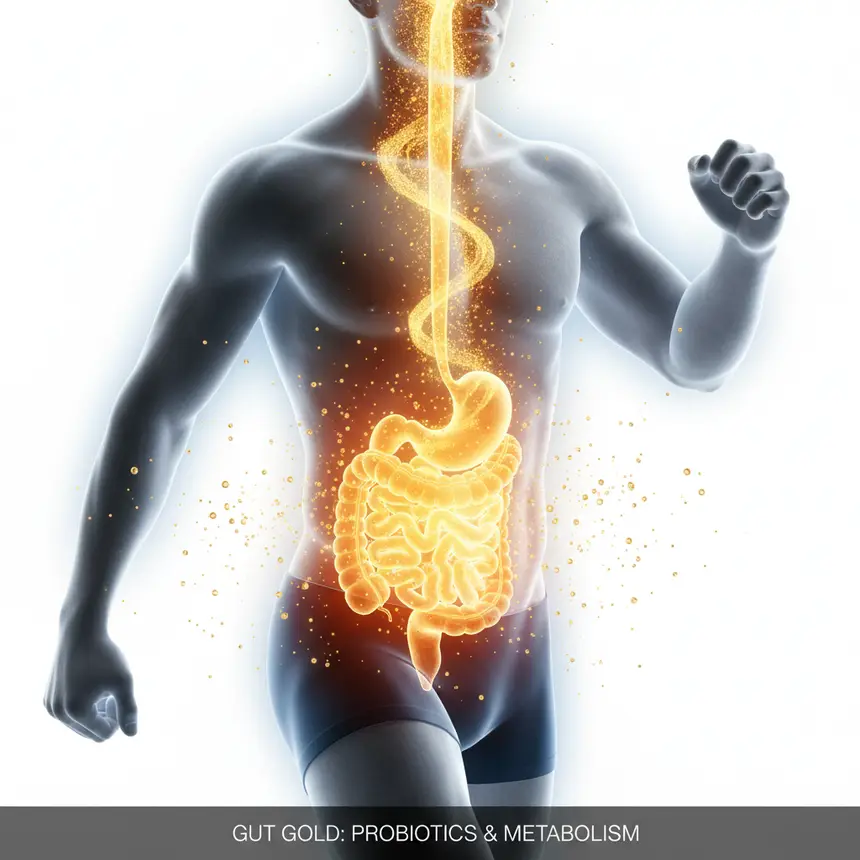
- Gut Health Management: Supplementing with beneficial bacteria (probiotics) can support efficient fat metabolism and appetite control. Consuming them before meals may positively influence satiety-related hormone secretion, making portion control easier. Studies suggest certain strains (e.g., Lactobacillus rhamnosus, Lactobacillus gasseri, Bifidobacterium) can aid in body fat management and enhance satiety.
- Consistent Hydration: Drinking plenty of water helps maintain a smooth metabolism and keeps you feeling full.
- Post-Overeating Strategy: If you happen to overeat, it's crucial to strive to regain balance by implementing a 24-hour fast the next day. This can be effective in reactivating fat metabolism and resetting your body for the next meal.

Advice for Safe and Sustainable Weight Management
Regardless of the diet, safety and sustainability are paramount. An overly aggressive approach can harm your health.
Precautions
Recommended For
Precautions
- Avoid Extreme Calorie Restriction: Drastically cutting food intake can lower your basal metabolic rate, which is counterproductive for long-term weight loss and often leads to the yo-yo effect. It's crucial to support your body's stable energy use through regular meals.
- Listen to Your Body's Signals: If you experience adverse symptoms like dizziness or excessive fatigue, you must stop the dietary adjustments and consult a professional.
- Consider Individual Health Conditions: If you have specific medical conditions or are pregnant, always consult a healthcare professional before making dietary changes. Intermittent fasting, in particular, may not be suitable for everyone.
Recommended For
- Individuals Struggling with Visceral Fat: This approach can be particularly effective for those concerned about abdominal fat.
- Those Seeking a Short-Term Dietary Reset: It's suitable for individuals looking to kickstart healthy eating habits with a structured, short-term plan.
- Individuals Aiming to Boost Metabolism: It can be beneficial for those looking to improve gut health and enhance fat metabolism efficiency.
Frequently Asked Questions
Q. What is the most crucial aspect of this 4-week dietary strategy?
A. The most crucial aspects are strategically limiting carbohydrate intake to encourage the body to use fat as its primary energy source, and simultaneously supporting gut health with beneficial bacteria (probiotics). Maintaining regular high-protein, low-carb meals, rather than extreme calorie restriction, is also key.
Q. I'm new to intermittent fasting. What should I be aware of?
A. If you're new to intermittent fasting, it's best to start with a 24-hour fast once a week to allow your body to adapt. During fasting, ensure you drink plenty of water, and if you experience severe dizziness or discomfort, stop immediately. Consulting a healthcare professional based on your individual health status is recommended.
Q. This diet includes a lot of meat. Is that healthy?
A. This diet emphasizes limiting carbohydrate intake and increasing protein and healthy fat consumption. Consuming a variety of high-quality protein sources like chicken breast, fish, tofu, duck, and lean meats, along with plenty of fresh vegetables, helps maintain nutritional balance. It's important to choose fresh, unprocessed protein sources over overly processed or very fatty meats.
Q. How can I prevent the yo-yo effect after weight loss?
A. To prevent the yo-yo effect after weight loss, it's crucial to maintain healthy eating habits even after completing the structured diet. Instead of drastically changing your diet again, gradually increase carbohydrate intake and stick to regular meals with sufficient protein and vegetables. Strategic management, such as a 24-hour fast after overeating, can also help regulate your body's balance.