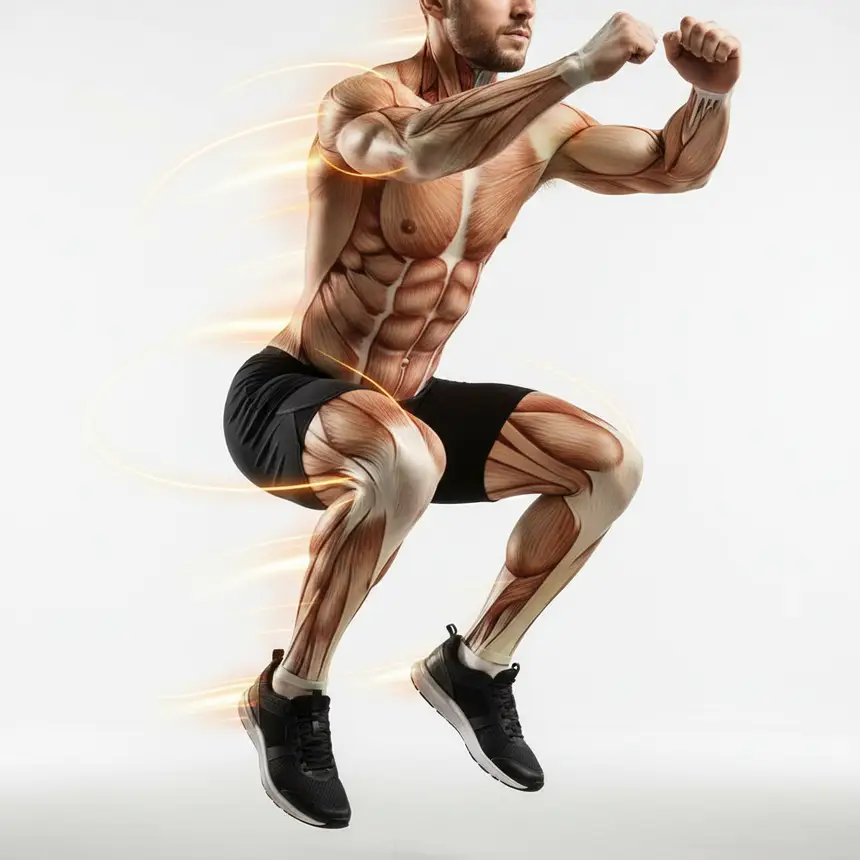
A comprehensive guide to building a powerful chest and transforming your shirt fit through exercise. Discover effective workout routines, nutritional strategies, and consistent practices to achieve a confident upper body.

Transform Your Shirt Fit: The Secret to a Confident Upper Body Through Exercise
Have you ever felt frustrated that your chest muscles don't stand out as much as you'd like when you put on a shirt, despite all your hard work? Many find themselves disappointed when consistent bench presses and push-ups don't yield the firm, well-defined chest they envision. This isn't always due to a lack of effort; individual physiology, hormonal balance, and genetic predispositions can all influence muscle development rates. The chest area, in particular, often feels slower to develop for many. It's crucial to not only reduce body fat but also to enhance the volume and definition of the muscles themselves. To tackle this challenge and achieve an impressive upper body that makes clothes look great, a holistic approach is necessary. This means going beyond just adding bulk and meticulously refining the contours and shape of the pectoral muscles. With the right exercise strategy and consistent dedication, you can build natural, well-proportioned chest muscles and experience the confidence that comes with a perfectly fitted shirt.
Effective Workout Routines and Nutritional Strategies for Chest Volume and Definition
To ensure balanced development of your chest muscles, stimulating the pectorals from various angles is key. Instead of focusing on just one exercise, you should combine different movements to evenly develop the upper, middle, and lower chest regions.
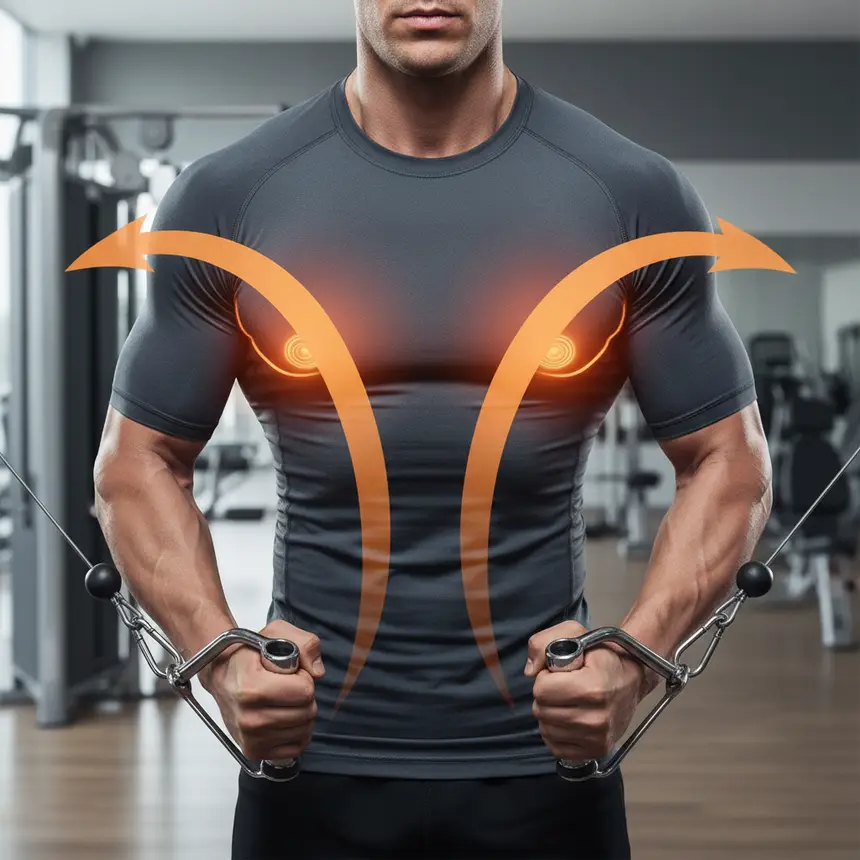
- Exercise Selection: While the bench press is fundamental, incorporate incline dumbbell presses to target the upper chest and dips or decline push-ups for the lower chest. Fly movements, such as dumbbell flyes and cable crossovers, are highly effective for maximizing muscle contraction and sharpening the inner chest line. Push-ups can be varied in intensity by adjusting foot elevation or hand width.
- Progressive Overload Principle: For muscle growth, it's essential to continually challenge your muscles by progressively increasing weight, repetitions, or sets. Don't stick to light weights; instead, gradually apply more challenging loads while maintaining proper form.
- Importance of Nutrition: Adequate protein intake is crucial for muscle growth. Aim for 1.6 to 2.2 grams of protein per kilogram of body weight, and ensure a balanced intake of complex carbohydrates and healthy fats. For muscle definition, managing body fat percentage is also vital, so maintaining a healthy body composition through overall dietary control is recommended.
※ This post contains affiliate links. I may earn a commission at no extra cost to you.


Establishing an Effective Workout Plan for Consistent Progress
Achieving your desired chest shape and shirt fit demands a structured plan and consistent execution. It's about more than just lifting weights; you need a goal-oriented approach.
1. Choose a Suitable Routine: Begin with a full-body or upper-lower split routine that includes chest workouts 2-3 times per week. Gradually adjust the frequency and intensity based on your recovery capacity and goals. Beginners often benefit from working with a certified trainer to learn proper form and establish an effective routine.
2. Maintain a Workout Log: Recording the types of exercises, sets, repetitions, and weights used during each session is incredibly important. This allows you to visually track your progress, anticipate plateaus, and plan future workouts effectively.
3. Prioritize Recovery and Rest: Just as important as training is sufficient recovery. Muscles are broken down during exercise and grow during rest, so aim for 7-9 hours of quality sleep daily, and give trained muscle groups at least 48 hours to recover. Stretching or light cardio can also aid in recovery.
4. Adopt a Long-Term Perspective: Noticeable changes take time. You'll need consistent effort for at least 2-3 months, and often 6 months or more, to see significant results. Patience and persistence are the keys to success.
1. Choose a Suitable Routine: Begin with a full-body or upper-lower split routine that includes chest workouts 2-3 times per week. Gradually adjust the frequency and intensity based on your recovery capacity and goals. Beginners often benefit from working with a certified trainer to learn proper form and establish an effective routine.
2. Maintain a Workout Log: Recording the types of exercises, sets, repetitions, and weights used during each session is incredibly important. This allows you to visually track your progress, anticipate plateaus, and plan future workouts effectively.
3. Prioritize Recovery and Rest: Just as important as training is sufficient recovery. Muscles are broken down during exercise and grow during rest, so aim for 7-9 hours of quality sleep daily, and give trained muscle groups at least 48 hours to recover. Stretching or light cardio can also aid in recovery.
4. Adopt a Long-Term Perspective: Noticeable changes take time. You'll need consistent effort for at least 2-3 months, and often 6 months or more, to see significant results. Patience and persistence are the keys to success.
Key Considerations and Personalized Approaches for Maximizing Workout Results
On your journey to building strong, aesthetically pleasing chest muscles, it's important to consider several precautions and personalized approaches.
These efforts will not only enhance your chest muscles but also promote overall upper body balance, leading to confident posture and a satisfying shirt fit. With consistent effort and smart strategies, you can achieve the strong, defined upper body you desire.
- Maintain Proper Form: To prevent injuries and effectively activate muscles, maintaining correct form in all exercises is paramount. Prioritize practicing with lighter weights and perfect form rather than rushing to lift heavy.
- Listen to Your Body: If you feel any pain, stop the exercise immediately and rest. Overdoing it can lead to injuries that force you to take extended breaks from training.
- Ensure Balanced Upper Body Development: Focusing solely on chest muscles can lead to rounded shoulders or postural imbalances. It's crucial to incorporate back, shoulder, and arm exercises to create a well-balanced upper body physique.
- Personalized Strategies: Everyone's muscle growth rate, recovery ability, and body type are different. Therefore, finding the exercise methods and dietary plans that best suit you is essential. If needed, consider consulting a certified trainer or nutritionist to develop a personalized plan.
These efforts will not only enhance your chest muscles but also promote overall upper body balance, leading to confident posture and a satisfying shirt fit. With consistent effort and smart strategies, you can achieve the strong, defined upper body you desire.
Frequently Asked Questions
Q. Why aren't my chest muscles growing despite consistent workouts?
A. Several factors can contribute to slow chest muscle development. You might have incorrect exercise form, rely too much on certain movements without stimulating all parts of the chest, or lack adequate nutrition and rest. Genetic factors and hormonal balance also play a role. It's important to incorporate varied exercise angles, apply progressive overload, and remain consistent.
Q. What chest exercises should I focus on to improve my shirt fit?
A. To improve your shirt fit, focus on building overall chest volume and contour. Include incline presses for upper chest development, flat bench presses for the middle chest, and fly movements and dips for inner chest lines and lower chest. It's also crucial to train your shoulders and back to create a balanced upper body physique.
Q. How should I manage my diet for chest muscle growth?
A. Adequate protein intake is essential for chest muscle growth. Aim for 1.6-2.2 grams of high-quality protein per kilogram of body weight (from sources like chicken breast, fish, legumes) spread across your meals. Also, consume complex carbohydrates for energy and healthy fats. For muscle definition, managing overall calorie intake to control body fat is also important.
Q. How long does it take to see noticeable changes in chest muscles and shirt fit?
A. While individual results vary, you can typically start to feel initial changes within 2-3 months of consistent training and proper diet. More significant body composition changes and improved shirt fit are usually noticeable after 6 months or more of sustained effort. Patience and a long-term perspective are key.
Q. I feel shoulder or elbow pain during chest workouts. What should I do?
A. If you experience shoulder or elbow pain during exercise, stop immediately and identify the cause. This can occur due to incorrect form, using weights that are too heavy, or insufficient warm-up. If the pain persists, seek professional medical advice. Always prioritize proper stretching and maintaining correct form in your routine.