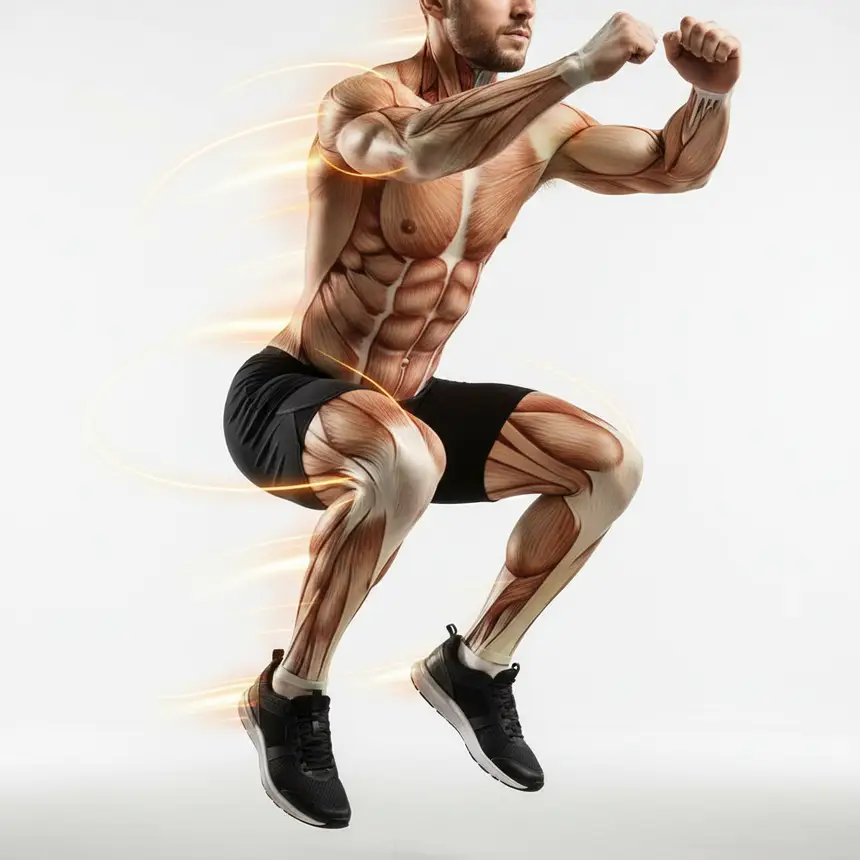
Unlock powerful leg strength with the power leg press. Learn proper form, safe techniques, and effective tips for a robust lower body workout.

Transform Your Lower Body Strength
Many aspire to build powerful, well-defined legs but often hesitate due to the perceived complexity of exercises like squats or deadlifts. Perhaps you're already on a lower body routine and seeking new ways to challenge your muscles. Today, we'll explore the power leg press, an incredibly effective tool for significant lower body development. This machine systematically engages various leg muscles, offering a robust solution for your fitness goals. It's more than just pushing weights; with proper form and a strategic approach, it can elevate your entire workout experience.
Understanding Common Lower Body Workout Challenges
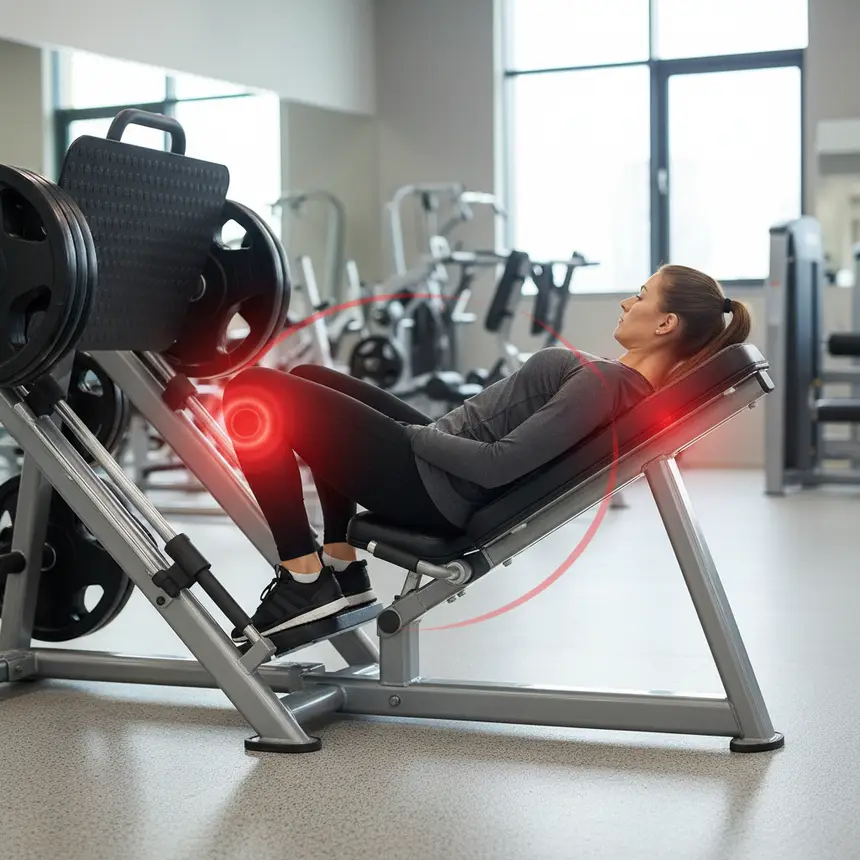
Lower body workouts can sometimes feel daunting, especially when incorporating heavy-duty equipment like the power leg press. Incorrect technique can not only diminish your results but also introduce discomfort or strain. For instance, fully extending your knees until they 'lock out' places undue stress on your joints rather than muscles. Another frequent error is allowing your lower back to lift off the backrest, which can put pressure on your spine. Furthermore, if your knees collapse inward during the pushing phase, it can misalign your joints and negatively impact overall leg stability. Recognizing and actively correcting these common mistakes is crucial for a safe and productive workout.
※ This post contains affiliate links. I may earn a commission at no extra cost to you.

Executing the Power Leg Press with Precision
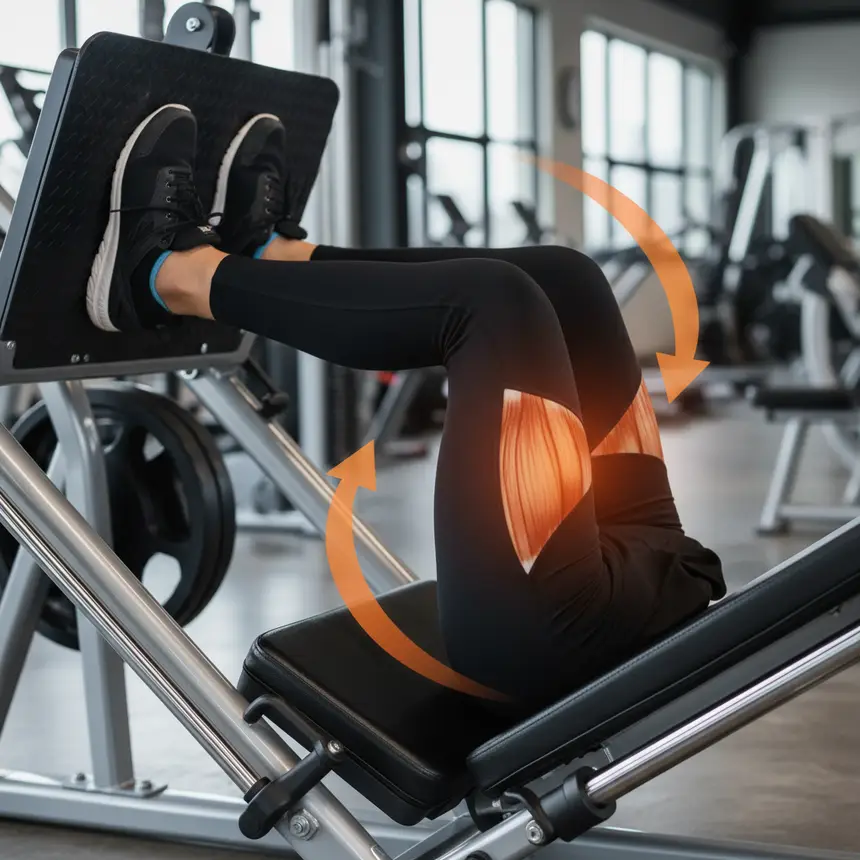
The power leg press is a fantastic exercise for developing multiple lower body muscle groups simultaneously. It effectively targets your quadriceps (front of thighs), hamstrings (back of thighs), and glutes (buttocks). To perform it correctly, adhere to a few core principles. Begin by seating yourself on the platform, ensuring your back and glutes are firmly pressed against the backrest. Grip the handles for stability. Position your feet about shoulder-width apart, with your toes pointing slightly outward for a natural alignment. Placing your feet higher on the platform can increase glute and hamstring engagement, but always adjust to avoid excessive knee stress. Next, release the safety levers and slowly lower the platform towards your body until your knees are bent at approximately a 90-degree angle. Maintain core engagement to keep your lower back pressed against the pad, and prevent your knees from extending past your toes. When pushing, drive through your heels, extending your legs powerfully but stopping just short of full knee lockout to protect your joints. Generally, inhale as you lower the platform and exhale as you push it up.
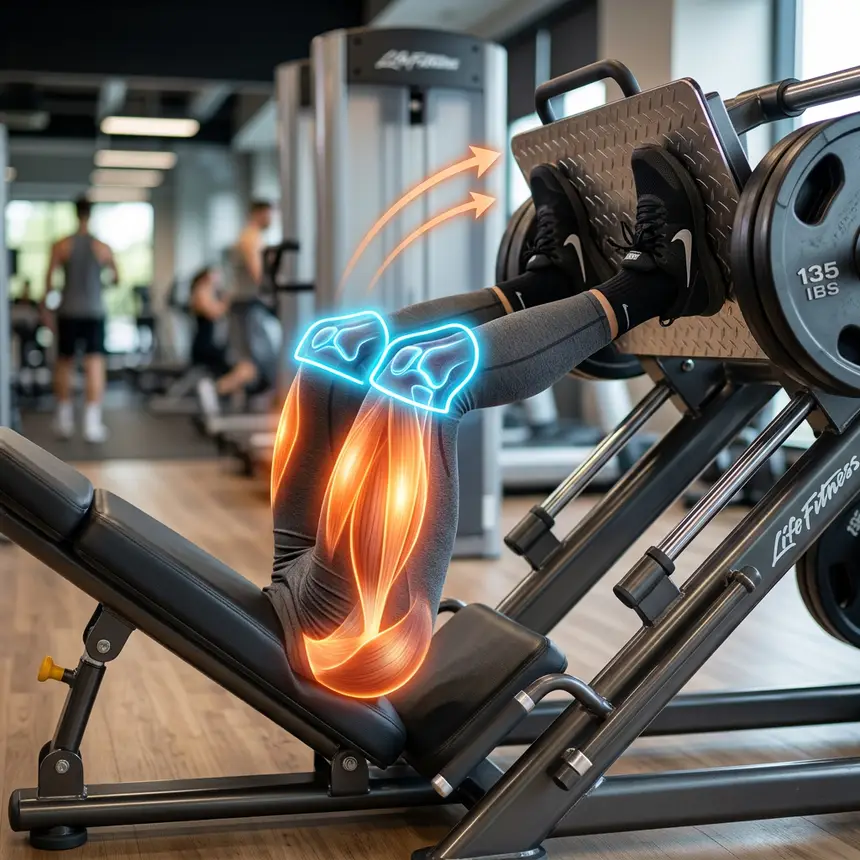
Crafting Your Effective Power Leg Press Routine
Achieving your lower body goals with the power leg press requires a structured routine and a progressive approach. For beginners, start with a lighter weight that allows you to comfortably perform 15-20 repetitions, focusing intently on mastering the correct form. If your aim is muscle growth and strength, select a weight that makes 8-12 repetitions challenging, and gradually increase your sets. If you notice your knees tend to cave inward, incorporate accessory exercises like side leg raises or hip abductions to activate your outer thigh muscles (gluteus medius, abductors). Consciously thinking about 'pushing your knees out' during the movement can also aid in form correction. Using a resistance band around your thighs for practice can be beneficial. Consistent practice and self-assessment are key to finding the optimal form and weight for your unique body.
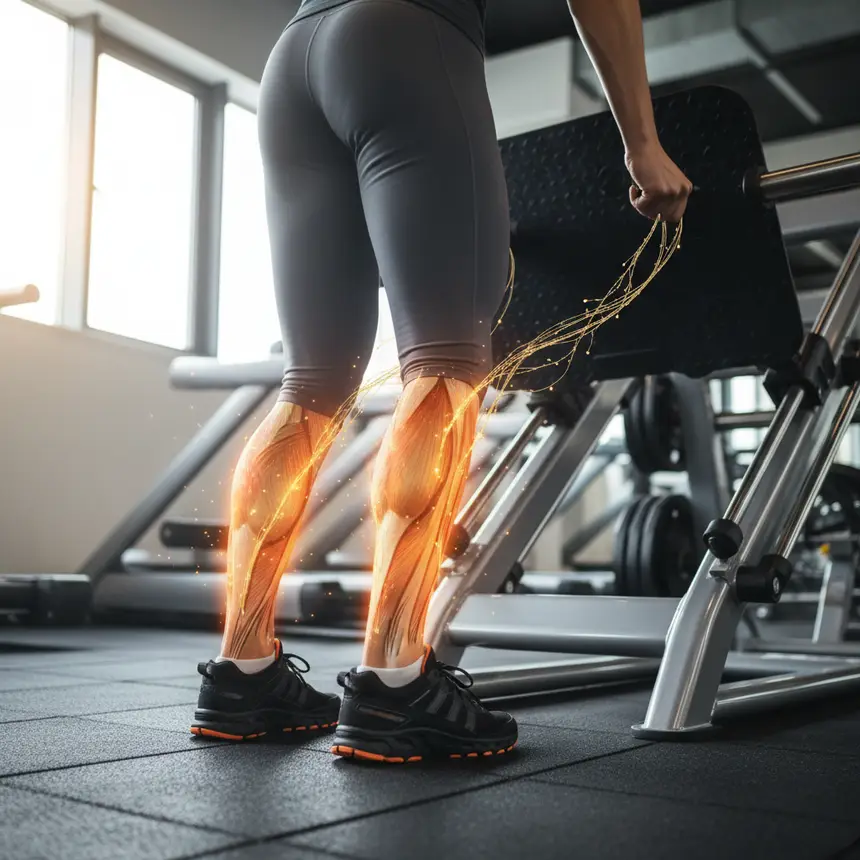
Your Journey Towards Powerful, Healthy Legs
The power leg press is a highly effective exercise that can significantly enhance your lower body strength. Compared to free-weight squats or deadlifts, it offers greater stability due to the seated position, making it an accessible option for beginners to safely challenge themselves with heavier loads. By consistently practicing with proper form and appropriate weight, you can do more than just build leg power; you can sculpt balanced lower body aesthetics and improve overall physical function. Apply what you've learned today to build a strong and healthy lower body. Your dedication and effort will undoubtedly lead to rewarding results.
Frequently Asked Questions
Q. What is the primary difference between a power leg press and a standard leg press?
A. A power leg press typically features a 45-degree incline and often uses a plate-loaded system, allowing for heavier weights. Standard leg presses are usually flatter or have a lower incline, designed for more stable workouts with relatively lighter loads.
Q. How does changing foot placement on the power leg press platform affect muscle targeting?
A. Placing your feet higher on the platform emphasizes the glutes and hamstrings, while a lower placement tends to target the quadriceps more. However, be mindful of joint strain when experimenting with foot positions.
Q. What's the best way to ensure safe leg pressing without knee discomfort?
A. Avoid locking out your knees; keep them slightly bent at the top of the movement. Ensure your knees track in line with your toes. Also, adjust your range of motion to match your flexibility and prioritize correct form over lifting excessive weight.
Q. What advantages does the power leg press offer compared to squats?
A. The power leg press provides a more stable, seated position, which reduces the involvement of your lower back and core. This allows individuals, especially beginners or those with lower back sensitivities, to safely handle heavier weights and focus directly on leg muscle engagement.
Q. What's the recommended breathing technique for the power leg press?
A. A common recommendation is to inhale as you lower the platform (during the eccentric phase) and exhale as you push the platform away (during the concentric phase). This helps maintain intra-abdominal pressure, stabilizing your core.