Struggling with energy crashes after meals? Discover easy 10-minute post-meal exercises that can help you manage blood sugar levels, boost energy, and prevent the dreaded food coma. Transform your routine with these practical tips.

The Irresistible Pull of Post-Meal Relaxation: Is It Really Harmless?
That familiar wave of tiredness and the desire to kick back after a satisfying meal are universal. It feels natural to head straight for the couch or bed, letting the delicious food settle. However, this seemingly innocent comfort often hides a dramatic fluctuation in our body's blood sugar levels. Especially after a carb-rich meal, glucose levels can soar rapidly, and a lack of immediate physical activity can put an unexpected strain on our system. Managing post-meal blood sugar isn't just for those with specific health conditions; it’s about understanding and intelligently navigating the energy shifts everyone experiences after eating, crucial for overall well-being.
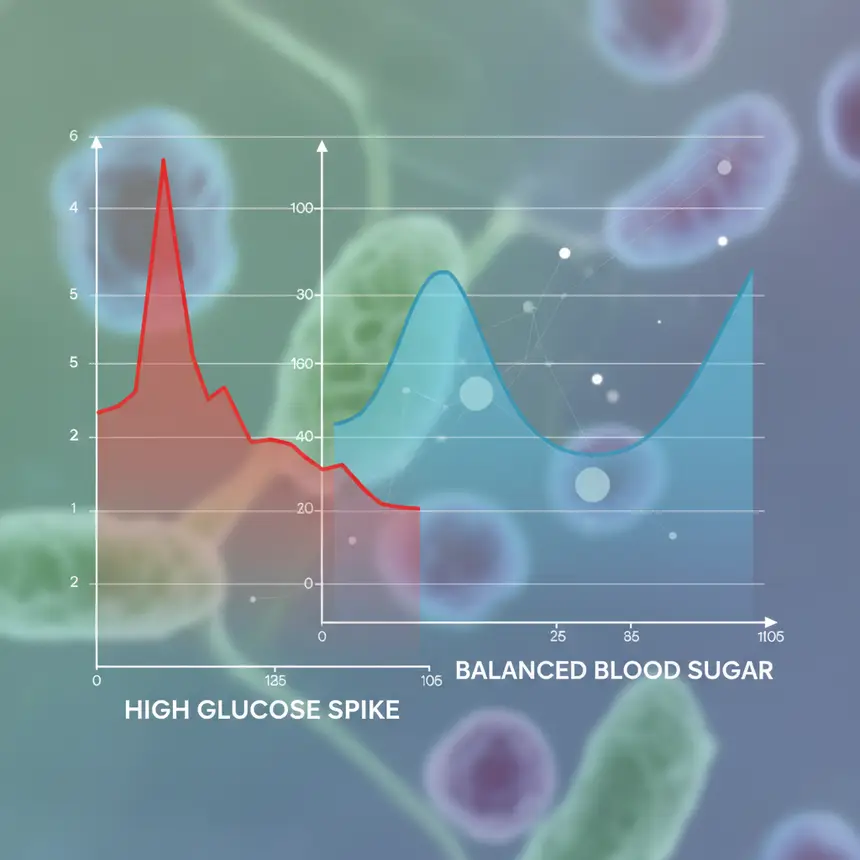
Understanding the Perilous Post-Meal Glucose Rollercoaster
After we eat, the glucose entering our bloodstream is either used for energy or stored. When we remain inactive right after a meal, our muscles are slower to absorb this glucose for energy. This leads to an excess of sugar lingering in the blood, causing a sudden, tidal wave-like surge in blood sugar levels. This rapid rise is often followed by an equally sharp drop, creating an 'energy rollercoaster' that leaves us feeling fatigued and unfocused. Over the long term, this surplus glucose is more easily converted into fat, contributing to weight gain and potentially impacting our overall health balance negatively. Maintaining stable post-meal blood sugar is therefore essential for consistent daily energy and long-term health.
※ This post contains affiliate links. I may earn a commission at no extra cost to you.


Your 10-Minute Movement Arsenal for Blood Sugar Balance
You don't need elaborate workouts or extensive time commitments to manage post-meal blood sugar. Just about 10 minutes of light activity after eating can significantly boost the rate at which glucose is absorbed by your muscles, helping to smooth out those sharp blood sugar rises. Here are three simple exercises you can easily incorporate into your daily routine:
- The Dynamic Stroll: After your meal, get up and take a brisk walk, swinging your arms naturally back and forth. A pace of about 2.5-3 miles per hour (4-5 km/h), where you can still hold a conversation but feel slightly winded, is ideal. Engaging large muscle groups in your arms and legs simultaneously helps improve circulation and burn glucose quickly.
- Standing Cross-Body Knee Lifts: Stand with your feet shoulder-width apart. Lift one knee towards your chest and bring the opposite elbow to meet it. Alternate sides. This movement engages your core and thigh muscles simultaneously, improving the efficiency with which your body uses blood sugar for energy.
- Assisted Squats (Chair Squats): Stand in front of a chair with your feet shoulder-width apart. Lower your hips as if you're about to sit down, lightly touching the chair, then stand back up. This safely activates your thigh and glute muscles, effectively consuming a significant amount of blood sugar, and is gentle on the knees, making it accessible for everyone.
Smart Strategies for Integrating Movement into Your Day
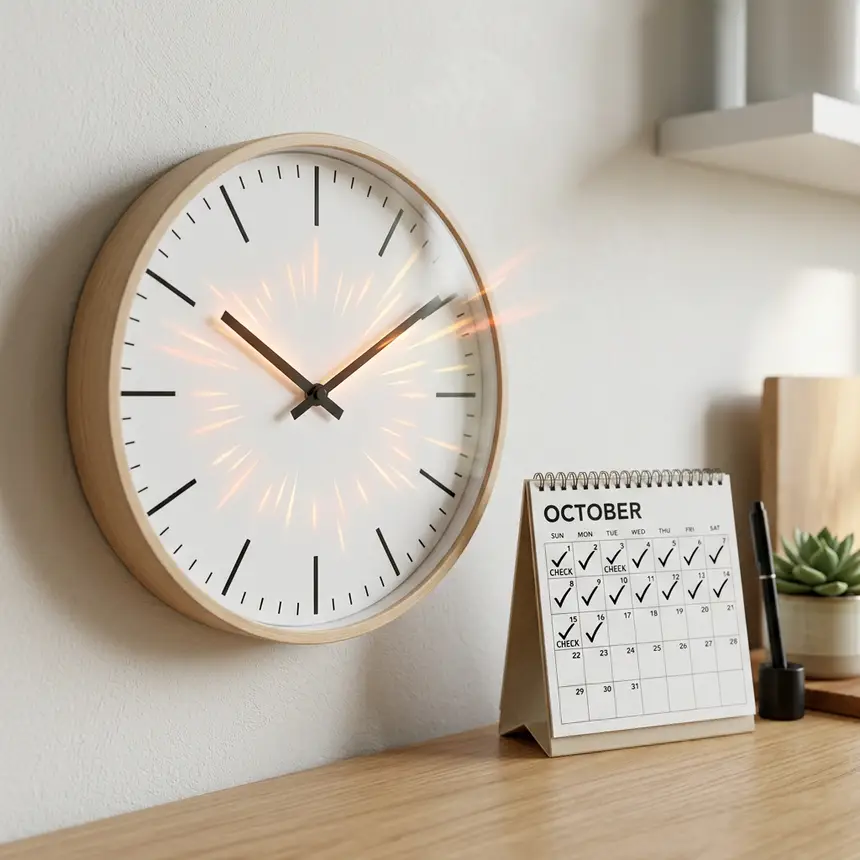
While forming new habits can feel daunting, incorporating a 10-minute post-meal movement routine can be surprisingly easy. The key isn't perfection, but consistency. Start by choosing just one of the three exercises that feels most comfortable. Look for natural transition points: after clearing the table, take a short stroll; during a TV commercial break, do a few sets of standing knee lifts; or use your lunch break for a quick walk around the office. The crucial principle is simply to avoid lying down immediately after eating. Small, consistent efforts each day will yield remarkable improvements in your blood sugar balance and overall vitality.

Start Your Health Transformation Today: Reclaim Your Energy
Post-meal sluggishness and fatigue don't have to be your default. A mere 10-minute investment can dictate your daily energy levels and build a strong foundation for long-term health. If you're looking to mitigate those glucose surges, resist the urge to immediately relax after eating and instead engage in even a brief period of movement. Choose just one exercise to start today and commit to it consistently. Observe the positive changes in how your body feels. Healthy habits begin with small actions. Take charge now, and build a more energetic tomorrow with a 10-minute post-meal movement routine.
Frequently Asked Questions
Q. Won't exercising right after eating upset my digestion?
A. Gentle movements like light walking or stretching, as opposed to intense workouts, can actually aid digestion by promoting blood flow and can help alleviate feelings of heaviness. The key is to choose activities that don't strain your digestive system.
Q. Do I really need to do this for 10 minutes every day?
A. While daily practice is ideal, you can still experience significant positive changes by consistently exercising 3-4 times a week. The most important aspect is making it a regular habit rather than sporadic efforts.
Q. Is this effective regardless of what I eat?
A. The effects are most pronounced after meals rich in carbohydrates, as these cause the largest fluctuations in blood sugar. However, even after protein or fat-heavy meals, movement helps activate your metabolism and contributes to overall health management.
Q. Are there exercises I can do in small spaces like my home or office?
A. Absolutely! 'Standing Cross-Body Knee Lifts' and 'Assisted Squats (Chair Squats)' are highly effective exercises that require minimal space and no special equipment, making them perfect for quick, anytime movement.