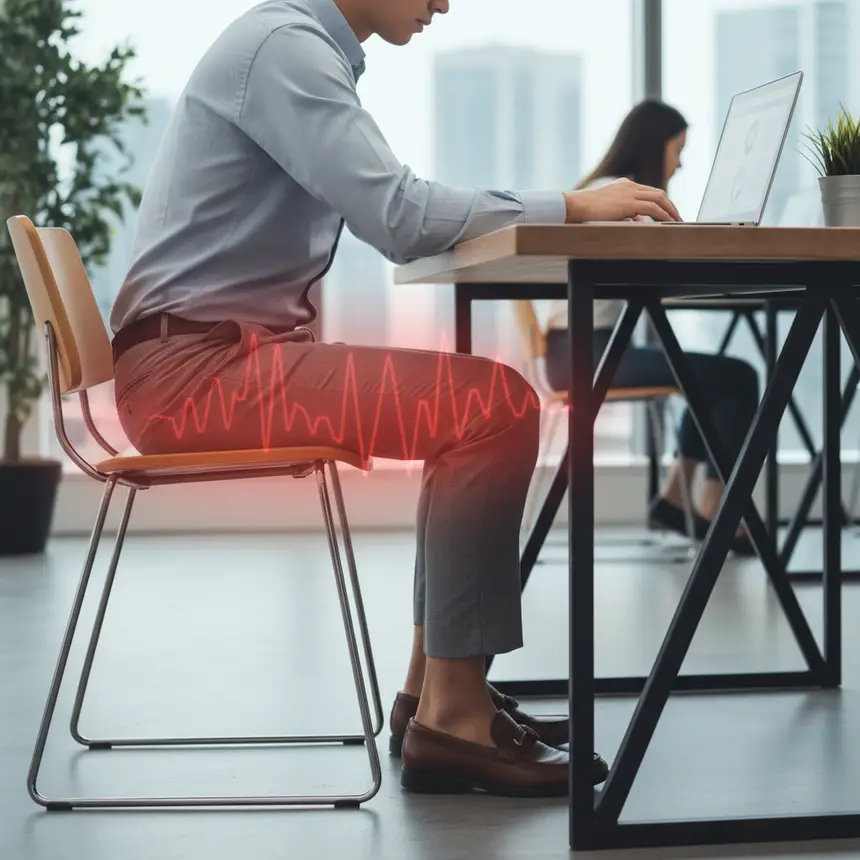
Concerned about your teen's posture, focus, or stress levels? Discover how Pilates can be a game-changer for adolescents. Learn how it promotes proper alignment, boosts concentration for academics, and offers an effective outlet for stress relief during crucial developmental years.

Is Your Teen's Slouching Posture More Than Just a Phase?
Take a moment to observe the young people around you. It's increasingly common to see teenagers with rounded shoulders and a forward-jutting neck, often hunched over their devices or textbooks. While parents might initially dismiss this as typical teen behavior, this pervasive posture can significantly impact a growing adolescent's physical health and overall well-being. Are you worried that your child's postural imbalances might hinder their growth or affect their ability to concentrate? This article will delve into the common physical challenges faced by growing teens and explore how incorporating Pilates can offer substantial benefits.
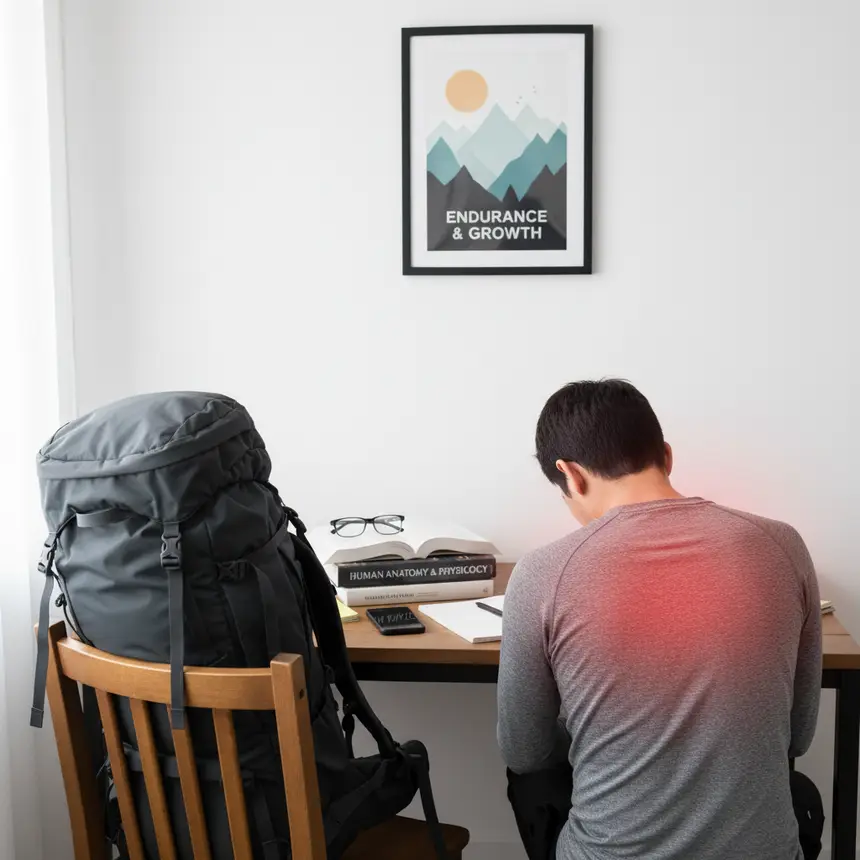
Understanding Postural Imbalances in Adolescence
Several factors contribute to the prevalent postural issues seen in today's young people. Firstly, the sheer volume of time spent sitting is a major culprit. From school lessons to after-school tutoring and homework, prolonged periods seated exert continuous pressure on the developing spine. Secondly, the ubiquitous use of smartphones and tablets encourages a head-down, shoulders-forward posture that becomes habitual. Thirdly, carrying heavy backpacks can create uneven strain on the shoulders and spine, leading to leaning or a rounded upper back. These combined elements disrupt the spine's natural curvature and create muscular imbalances, initiating a detrimental cycle that obstructs the development of proper posture in growing teens.
※ This post contains affiliate links. I may earn a commission at no extra cost to you.

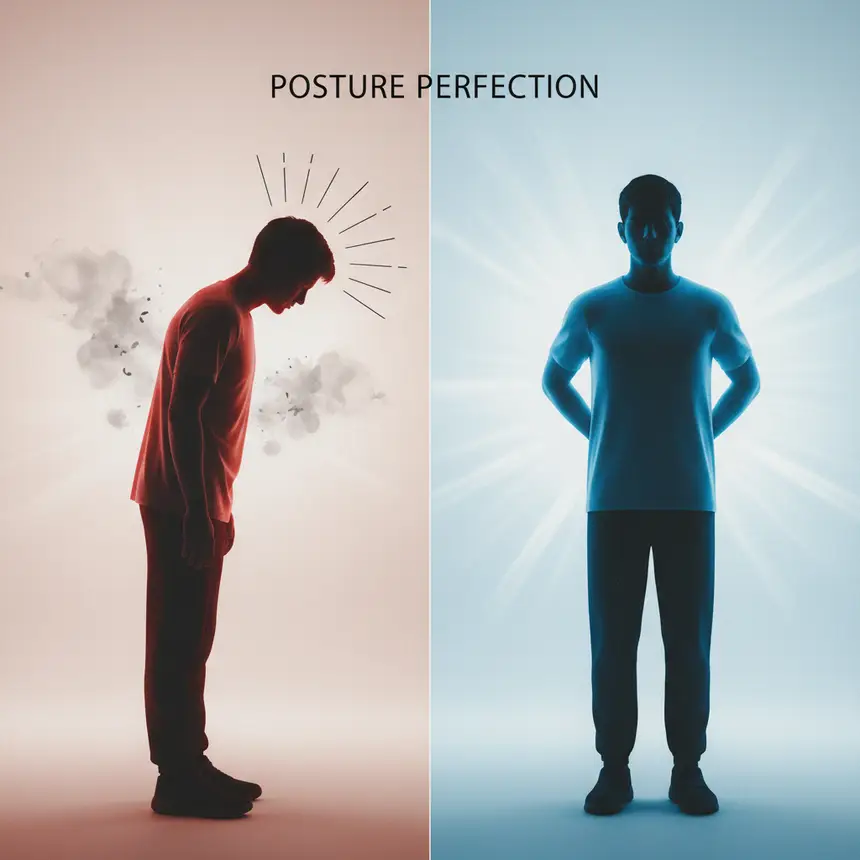
Three Core Benefits of Pilates for Growing Teens
Pilates offers much more than just muscle strengthening; it hones body awareness and fosters balanced movement. Here are the specific advantages Pilates provides for adolescents:
- Establishing Proper Posture and Correcting Imbalances: Pilates fortifies core muscles, which stabilize the spine and anchor the body's center. This process significantly helps in rectifying common issues like rounded backs, slouched shoulders, and forward head posture. By learning to sense and control their body's movements, teens can internalize correct alignment, enabling them to maintain good posture even in daily activities. For instance, spinal articulation exercises gently mobilize stiff vertebrae, while deep breathing engaging the transverse abdominis provides profound core stability, laying a solid foundation for optimal skeletal growth.
- Boosting Academic Concentration: The practice of Pilates emphasizes deep, rhythmic breathing and demands conscious focus on each movement. This naturally enhances oxygen flow to the brain and calms the mind, contributing to improved concentration. The act of attentively listening to an instructor's cues and meticulously controlling body movements during exercise indirectly trains the focus and problem-solving skills essential for academic success. It’s akin to systematically assembling puzzle pieces, actively stimulating cognitive functions.
- Stress Reduction and Mental Serenity: Adolescence is often a period marked by considerable stress due to academic pressures, social dynamics, and future uncertainties. Pilates provides an excellent physical outlet to alleviate this tension. The rhythmic movements combined with deep breathing activate the parasympathetic nervous system, promoting relaxation of both mind and body. Furthermore, the endorphins released post-workout induce positive feelings, significantly aiding in stress reduction. Think of it as clearing a clogged pipe, providing a refreshing release from accumulated mental and physical pressures.
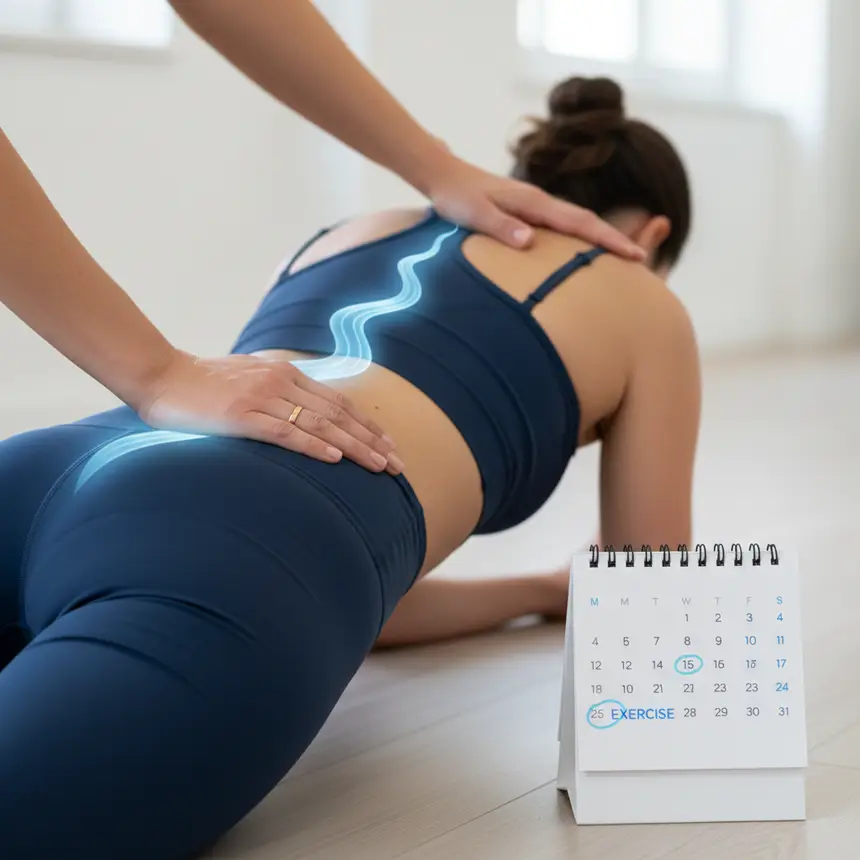
Practical Steps for Teens Starting Pilates
If you're considering Pilates to support your teen's healthy development, here are a few key considerations:
- Seek Expert Guidance: A growing teen's body is still developing, and improper exercise technique can lead to injury. It’s crucial to learn correct movements tailored to individual body characteristics and developmental stages under the supervision of an experienced instructor.
- Consistency is Key: Rather than expecting immediate, dramatic changes, prioritize consistent practice. Engaging regularly, perhaps 2-3 times a week, and learning to enjoy the process of body transformation is vital for sustained participation.
- Integrate into Daily Life: Encourage your teen to consciously apply the correct posture and breathing techniques learned in Pilates class to their home and school environments. For example, simply practicing sitting tall with engaged abdominal muscles while at a desk can make a significant difference. Maintaining proper neck and shoulder alignment while reading or using digital devices is also an important ongoing effort.

Nurturing Healthy Growth with Pilates!
Adolescence is a pivotal stage marked by dynamic physical and mental changes. During this critical period, fostering good postural habits and helping teens achieve physical and mental balance is one of the most valuable gifts a parent can give. Pilates transcends mere exercise; it empowers young individuals to understand and control their bodies, offering a crucial tool for finding balance amidst academic and life stresses. Why not introduce Pilates into your teen's life today to support their healthy growth? A small start can lead to profound future benefits.
Frequently Asked Questions
Q. What's the best age for teenagers to start Pilates?
A. Generally, early to mid-teens (around 12-14) is a good time, as they can better understand complex instructions and body awareness concepts. However, it’s always best to consult with a certified instructor who has experience with younger clients to determine readiness.
Q. Can Pilates really help with common teen posture problems like slouching or 'tech neck'?
A. Yes, absolutely! Pilates focuses on strengthening core muscles and improving body alignment, which are crucial for correcting slouching, rounded shoulders, and forward head posture (often called 'tech neck'). It teaches them how to engage the right muscles to hold themselves upright.
Q. How often should my teen do Pilates to see results?
A. For noticeable benefits, attending Pilates sessions 2-3 times per week is generally recommended. Consistency is more important than intensity, so finding a sustainable routine that fits into their schedule is key.
Q. Besides Pilates, what other activities complement a teen's physical development?
A. A balanced approach is ideal. Activities like swimming, cycling, or team sports can complement Pilates by providing cardiovascular benefits and different types of movement. Strength training with light weights (under supervision) can also be beneficial, as can yoga for flexibility and mindfulness.
Q. Are there simple Pilates exercises my teen can do at home?
A. Yes, many basic Pilates exercises can be done at home with just a mat. Simple movements like pelvic tilts, abdominal curls, spinal twists, and basic bridging can be a great start. It’s always good to learn these from a qualified instructor first to ensure proper form and prevent injury before practicing independently.