Discover healthy diet strategies to overcome the challenge of weight loss as you age and combat frustration. Learn practical ways to boost your metabolism and achieve sustainable weight management through balanced nutrition and lifestyle changes.

Puzzled by Persistent Weight Gain? You're Not Alone.
Do you find yourself staring in the mirror, barely recognizing the reflection, or sighing every time you open your closet? What used to be an easy few pounds to shed in your younger years now feels like an insurmountable challenge as you get older. Stubborn belly fat and fuller cheeks seem to erase your jawline, and clothes that once fit perfectly now feel uncomfortably snug. The relentless cycle of late nights, stress-induced comfort eating, and frequent social drinks takes its toll, leaving you feeling sluggish and perpetually tired. You've tried restrictive diets and trending fads, only to abandon them after a few days. If you feel like you've hit a dead end, struggling to find solutions on your own, it's a common sentiment. Many people reach this point, not just wanting to see a number change on the scale, but genuinely yearning to regain their overall health and vitality.
Weight Gain and Fatigue: More Than Just a Lack of Willpower
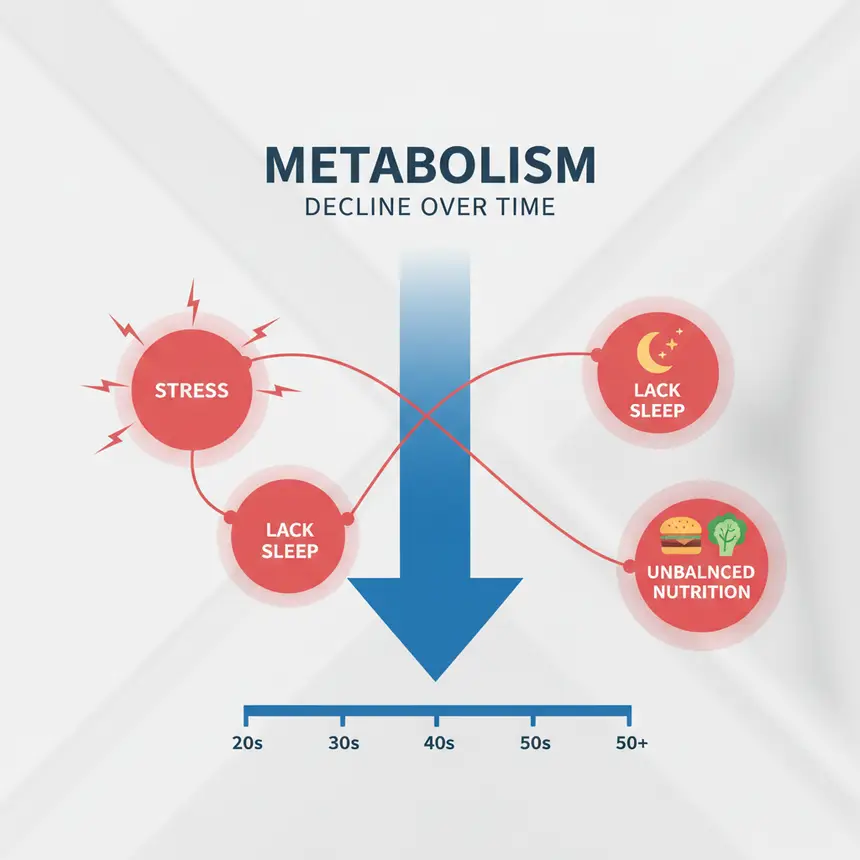
It's easy to blame a lack of willpower when weight loss efforts repeatedly fail. However, the struggle to lose weight and the increasing fatigue that often accompanies aging are far more complex than a simple deficiency in resolve. Our metabolic rate naturally begins to slow down from our mid-20s. A decrease in basal metabolic rate means that consuming the same amount of calories is more likely to lead to fat storage, and your body becomes less efficient at using energy, leaving you constantly tired. On top of this, sleep deprivation and chronic stress can disrupt hormone balance, leading to increased appetite and promoting fat accumulation. In our fast-paced modern lives, irregular eating habits and nutritional imbalances can cause specific nutrient deficiencies, which further impair bodily functions and make sustainable weight loss even harder. Ultimately, weight gain is the result of various interconnected changes within the body, and understanding these mechanisms is the critical first step towards a healthier diet.
※ This post contains affiliate links. I may earn a commission at no extra cost to you.

A Personalized Approach for Sustainable Weight Management
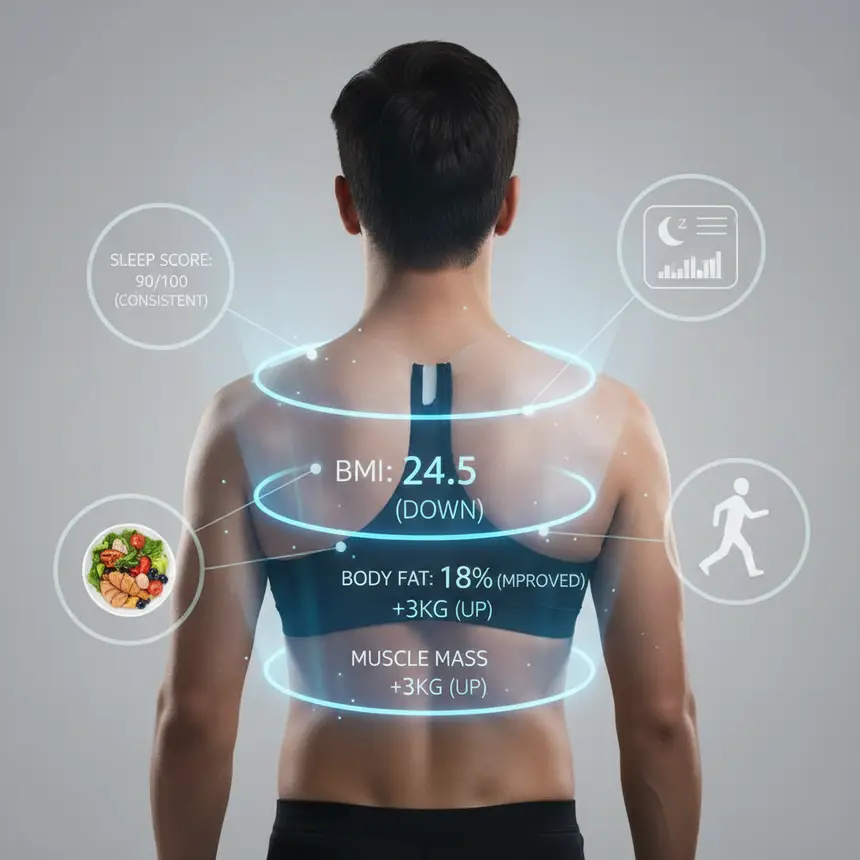
A successful diet strategy involves much more than just eating less or avoiding certain foods. True transformation begins with accurately understanding your body's internal state and building a tailored plan. The first step is to assess your current physical condition. This means undergoing a body composition analysis to determine muscle mass, body fat percentage, and basal metabolic rate, as well as a thorough review of your lifestyle habits, including diet, sleep patterns, and stress management. Through this process, blood tests can reveal any nutrient deficiencies or factors affecting metabolic function. Based on this personalized data, you can establish customized guidelines for your diet, activity levels, and nutritional support. For instance, keeping a food journal helps you objectively review your eating habits, allowing you to make improvements with expert feedback. Furthermore, incorporating essential nutrients that help restore vitality and boost metabolism is crucial. Focus on increasing your daily activity with simple movements like walking or light stretching, rather than just formal 'exercise.' The key is to help your body become more efficient at using its own energy.

Reclaiming Your Vitality and Embracing Healthy Confidence
The journey to healthy weight loss is a marathon, not a sprint, requiring consistency rather than perfection. While initial changes might seem subtle, faithfully following a personalized diet strategy will eventually lead to remarkable transformations. In just a few months, you'll feel lighter, and the fatigue that once plagued your daily life will be replaced with newfound energy. This surge of vitality won't just reflect in your improved physique, but also in your boosted confidence when getting dressed and a refreshed feeling each morning. These positive physical shifts naturally translate into mental well-being, enhancing your self-esteem. Remember, consistency outweighs perfection. It's okay to deviate from your plan occasionally, as long as you return to it with a flexible mindset. Start building healthy habits for yourself today. By focusing on nutritional balance and lifestyle improvements, you can go beyond just shedding pounds and truly embark on a healthier, more vibrant life. Now is the perfect time to begin that transformation.
Frequently Asked Questions
Q. Why does losing weight get harder as we age?
A. As we age, our metabolism naturally slows down, and our basal metabolic rate decreases. This means our bodies burn fewer calories at rest, making it easier to store fat even with the same food intake. Hormonal changes, stress, and poor sleep can also complicate weight loss efforts.
Q. What's the very first step I should take for a healthy diet?
A. The most crucial first step is to accurately understand your current body condition. This involves assessing your body composition, dietary habits, and overall lifestyle. Establishing a personalized strategy based on this comprehensive evaluation will be most effective.
Q. Can I lose weight without formal exercise?
A. While not 'formal exercise,' increasing your daily activity levels can be very beneficial. Incorporating more walking, taking the stairs, or doing light stretching, combined with dietary management, can yield positive results. However, regular exercise significantly boosts metabolism and helps preserve muscle mass.
Q. Beyond diet, what other methods support nutritional balance?
A. Nutritional supplements can help fill gaps for vitamins, minerals, or other nutrients that are hard to get enough of through diet alone. Consulting with a professional to assess your nutritional status and recommend appropriate supplements can greatly benefit overall health and metabolic function.
Q. How can I manage stress effectively during weight loss?
A. Stress can trigger overeating and increased appetite, so effective management is vital. Incorporate strategies like consistent sleep, meditation, light walks, or engaging in hobbies that help you relax. Don't hesitate to seek professional help if stress becomes overwhelming.