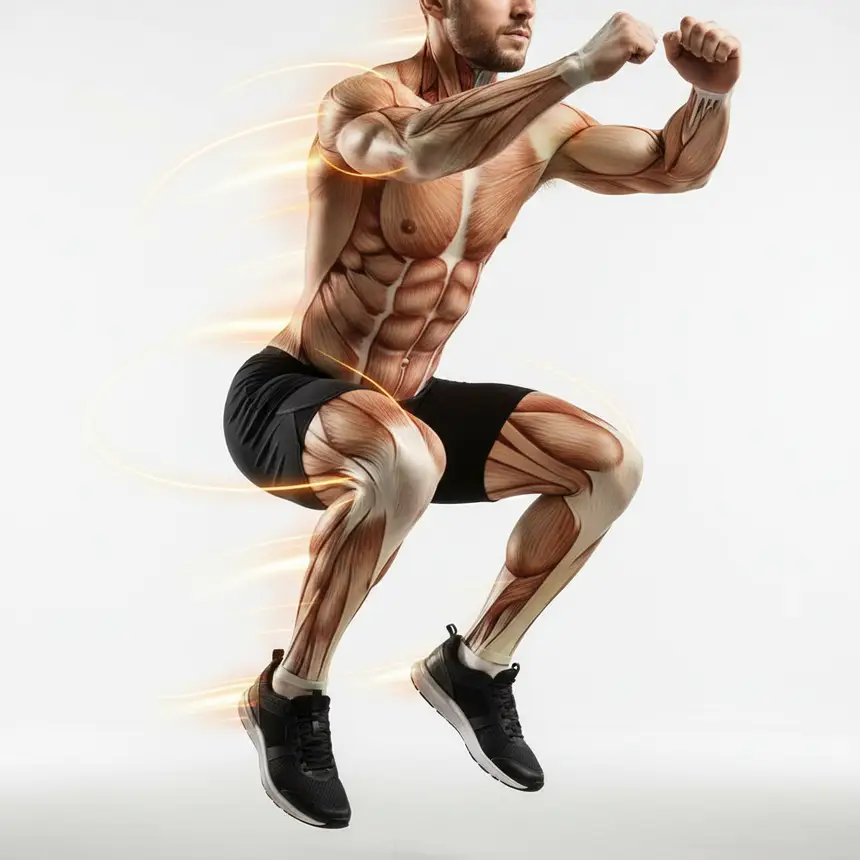
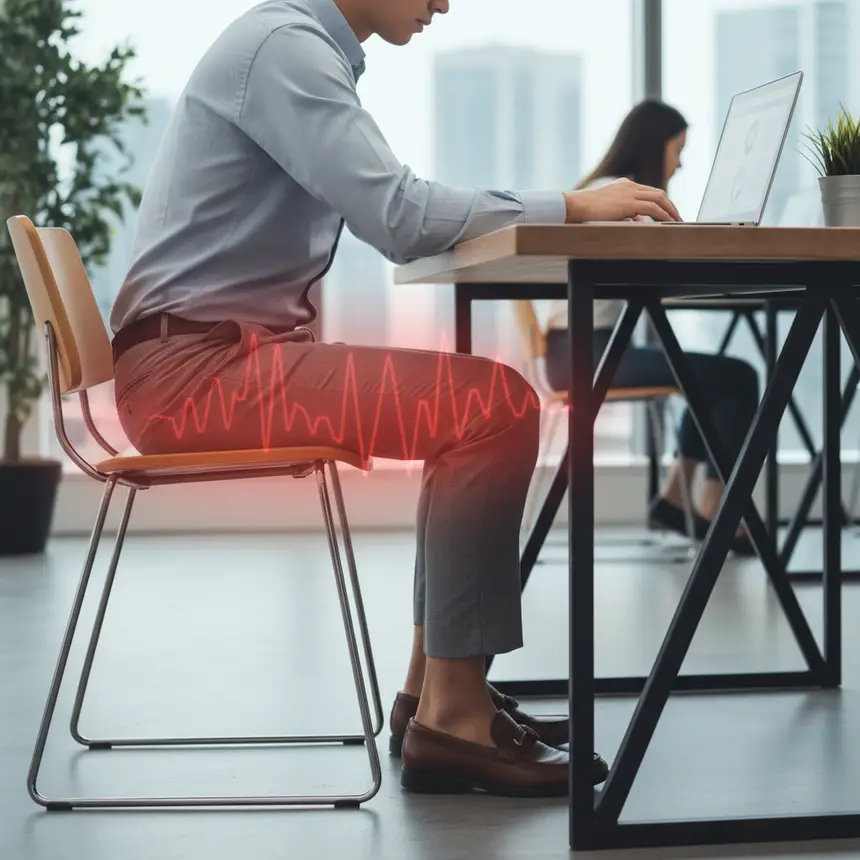
Looking for a quiet, low-impact way to boost your fitness at home? Discover how indoor step machines can transform your 'gap time' into powerful cardio and lower body strength sessions. Get active without the noise!

The Home Workout Dilemma: Why Getting Started Can Be Tough
Embarking on a fitness journey at home often comes with unique hurdles. Many aspire to stay active but find themselves wrestling with limited space, the cost of elaborate gym equipment, or, for those in shared living spaces like apartments, the persistent worry of disturbing neighbors with noise. This struggle is particularly pronounced when seeking effective cardiovascular and lower body strengthening routines that don't disrupt the household peace. Such practical challenges can easily dampen motivation before it even takes root, ultimately derailing personal health goals. But what if there was a way to navigate these obstacles, ensuring consistent, effective workouts without the usual fuss?
The Silent Revolution: Embracing Noise-Free Home Fitness
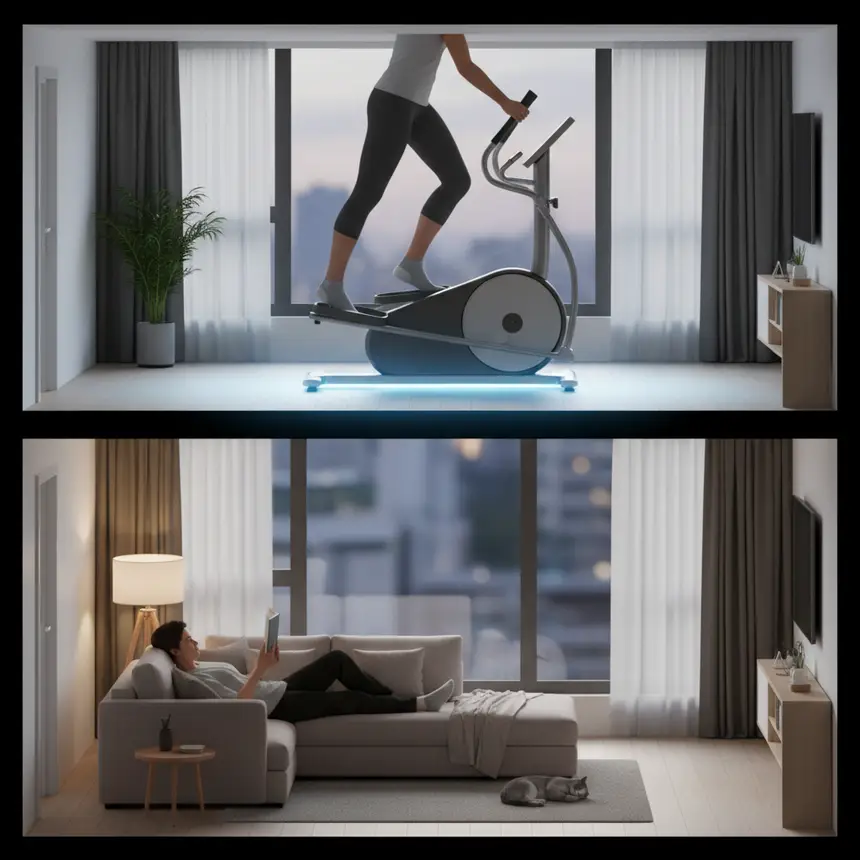
One of the most significant barriers to consistent home exercise is noise. High-impact movements like jumping or running, common in many cardio routines, can quickly lead to concern about disturbing residents downstairs. Even traditional indoor exercise machines might generate considerable impact noise or mechanical sounds. This isn't just an annoyance; it can severely undermine the sustainability of a fitness regimen and even strain neighborly relations. If a workout delivers results but comes at the cost of peace of mind, it often leads to abandonment. Therefore, creating a tranquil exercise environment—one that allows you to work out comfortably at any hour—is crucial for long-term health management. Opting for low-impact equipment that minimizes noise is paramount, playing a decisive role in enhancing your workout enjoyment and maintaining consistency.
※ This post contains affiliate links. I may earn a commission at no extra cost to you.

Maximize Your 'Gap Time': Smart Strategies for Indoor Stepper Workouts
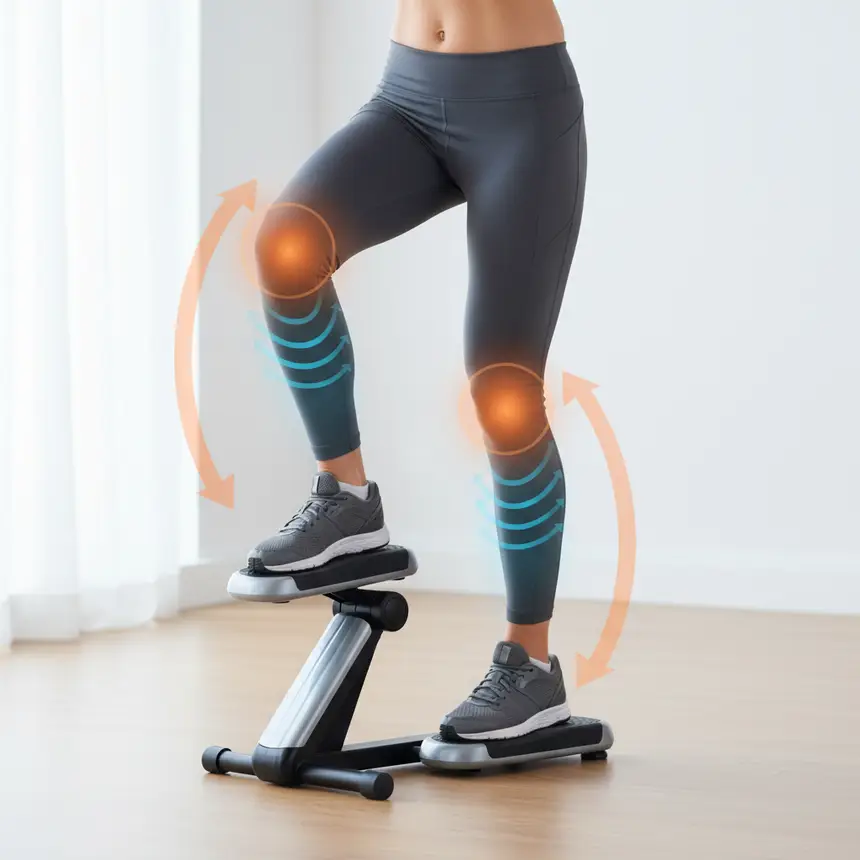
If you're looking for an effective, noise-conscious home solution for cardio and lower body strength, a low-impact indoor step machine is a smart choice. With hydraulic or air-cushioned systems, these devices offer smooth motion, minimizing stress on joints like knees and ankles while replicating the benefits of climbing stairs.
- Joint Protection & Lower Body Strengthening: Gentle foot pedal action reduces impact, making it safe for all ages to strengthen lower body muscles and gain cardiovascular benefits. Regular use builds glutes and thigh muscles, aiding in metabolism boost.
- Full-Body Expansion & Customization: Some models include upper body resistance bands, allowing you to engage arms, shoulders, and back simultaneously, maximizing full-body benefits in less time. Adjust pedal height and resistance to match your fitness level. Built-in digital displays track duration, steps, and calories, providing motivation and structured progress.
- Effective 'Gap Time' Exercise & Hygiene: Compact and quiet, these machines are easily moved for use anywhere at home. Utilize short bursts during TV time or breaks—e.g., three 10-minute sessions daily for a total of 30 minutes. Anti-slip, high-elastic footpads are safe for bare feet and are detachable for easy cleaning, ensuring a hygienic workout space.
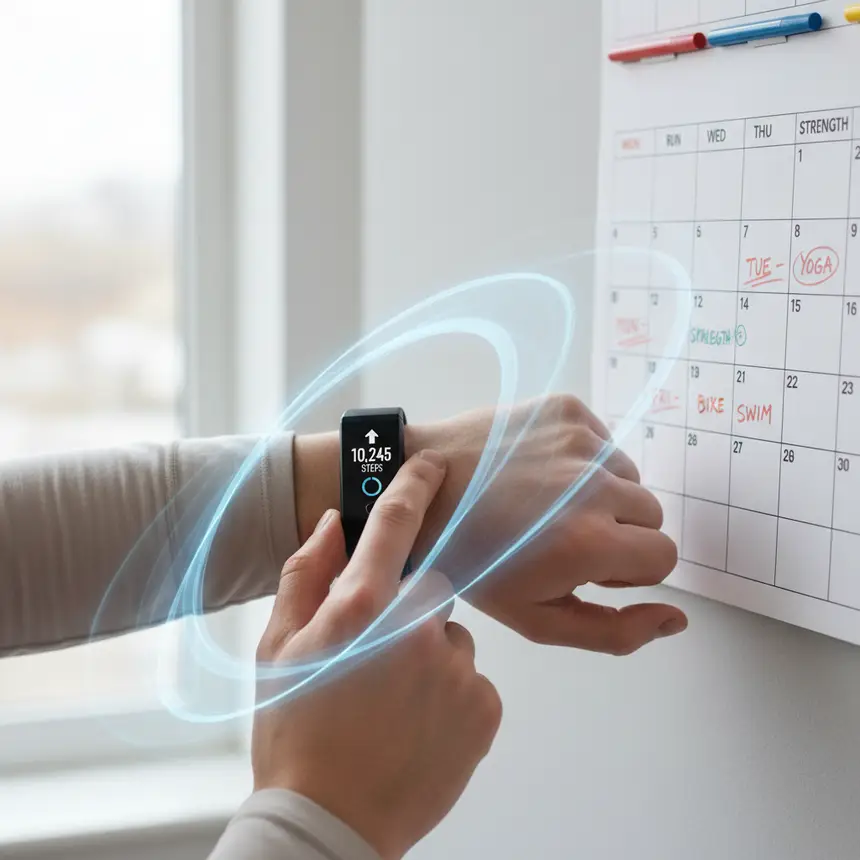
Your Path to Consistency: Practical Tips for Lasting Health
Consistency is key when starting any new exercise. To build a healthy habit with an indoor step machine, follow these guidelines:
- Set Mini-Routines: Begin with short 10-minute sessions, gradually increasing. Use 'gap time' strategies like 5 minutes in the morning, 5 after lunch, and 10 in the evening to reach a 30-minute daily goal.
- Maintain Proper Form: Keep your back straight, engage your core, and press pedals smoothly with your whole foot. Avoid letting knees extend past toes, and stop immediately if you feel pain, adjusting intensity as needed.
- Vary Workouts & Stay Motivated: Beyond basic stepping, try different foot placements for glute activation or use resistance bands for a full-body effect. Track your progress on the digital display and reward yourself for milestones to boost motivation.
Frequently Asked Questions
Q. How does an indoor step machine differ from actual stair climbing?
A. While both provide excellent lower body and cardiovascular benefits, indoor step machines are specifically designed to minimize joint impact, especially with hydraulic or air-cushioned systems. This allows for a comfortable, quiet workout at home, free from weather constraints or time limitations, which is a major advantage over traditional stair climbing.
Q. What is the correct posture when using a step machine?
A. Maintain a straight back, engage your abdominal muscles to stabilize your core, and gently press down on the pedals with your entire foot. Ensure your knees don't go beyond your toes, lean slightly forward without arching your lower back, keep your gaze straight ahead, and relax your shoulders.
Q. Can 'gap time' workouts truly be effective?
A. Absolutely! Short, focused 'gap time' workouts are highly effective, especially for busy individuals. For instance, three 10-minute sessions totaling 30 minutes a day can significantly contribute to improved cardiovascular health and lower body strength. Consistency is key, so integrating frequent movement into your daily routine is more beneficial than infrequent, long sessions.
Q. Can individuals with joint issues use this type of equipment?
A. Most low-impact indoor step machines are designed with joint protection in mind. However, individual joint conditions vary. If you have pre-existing knee or ankle pain, it's highly recommended to consult with a healthcare professional or physical therapist before starting any new exercise program. Always stop immediately if you experience pain during your workout.