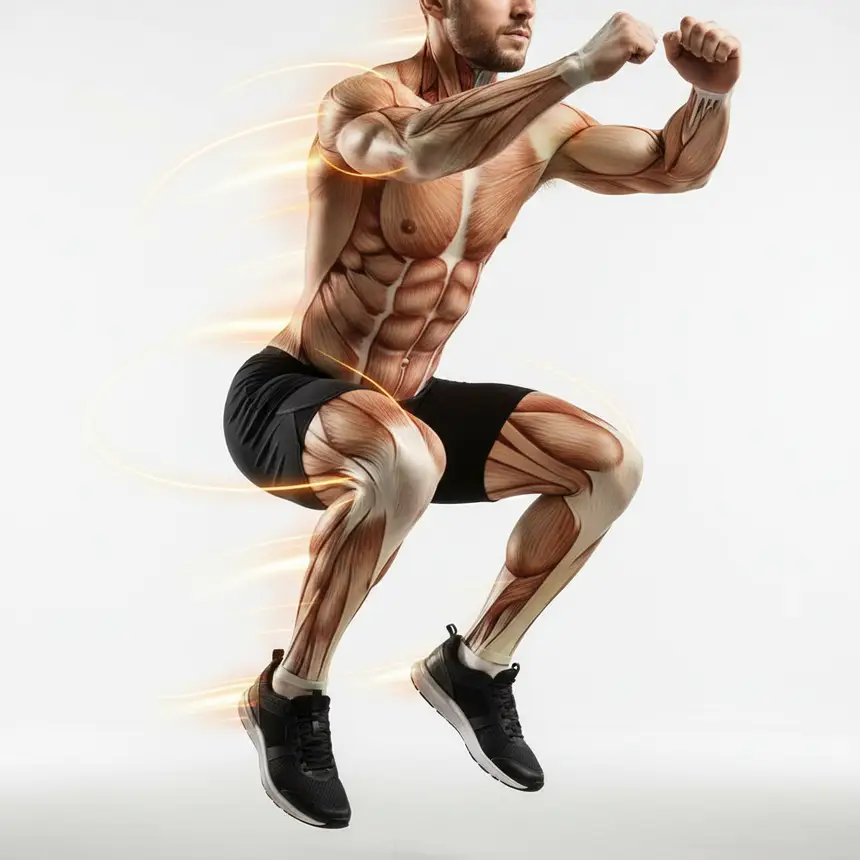
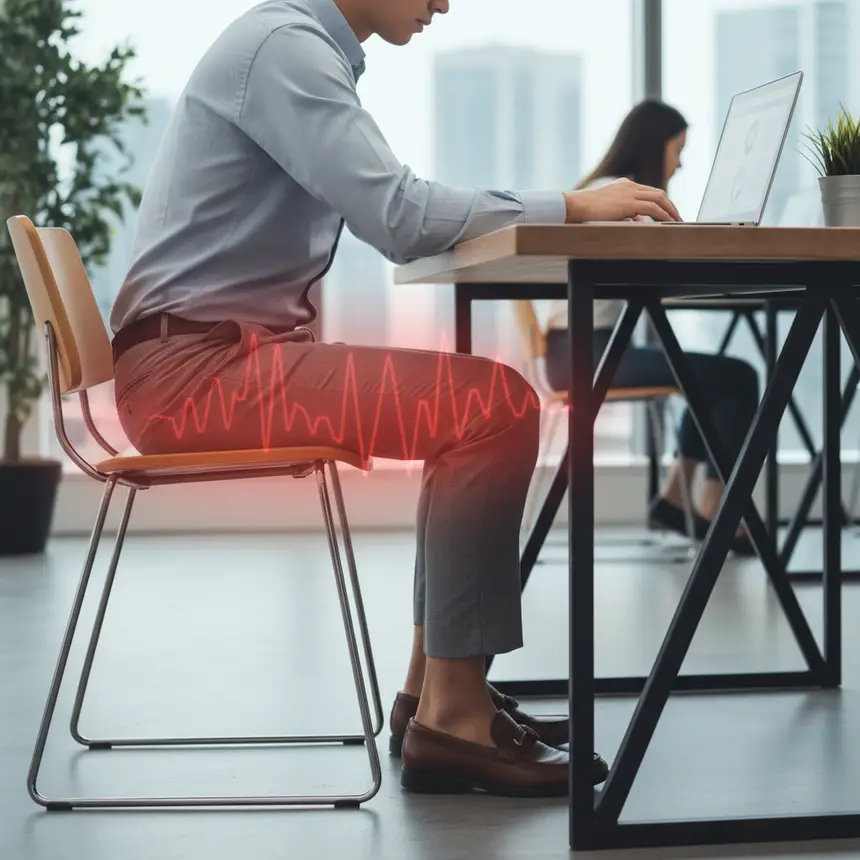
Is resting always the answer for knee pain? Discover how incorrect knee pain exercise habits can worsen discomfort. Learn proper exercises and management tips to strengthen your knee joints and alleviate pain, regaining an active lifestyle.

When Your Knees Ache: Is Resting Always the Best Prescription?
Imagine this: you've just finished a long walk or a light workout, and suddenly, your knees start to ache. Your first instinct might be to stop all activity and avoid any movement that could possibly worsen the discomfort. Many people genuinely believe that any form of exercise, especially 'knee pain exercises,' will only further wear down their cartilage. But is this always the smartest approach for long-term knee health? While temporary rest can provide relief, extended inactivity can actually lead to reduced circulation around the joint and rapid muscle weakening. This can create a vicious cycle where pain persists, or even intensifies, making it harder to regain mobility. Your knees, like many other joints, thrive on thoughtful movement.
Beyond Cartilage: Unraveling the True Causes of Knee Discomfort
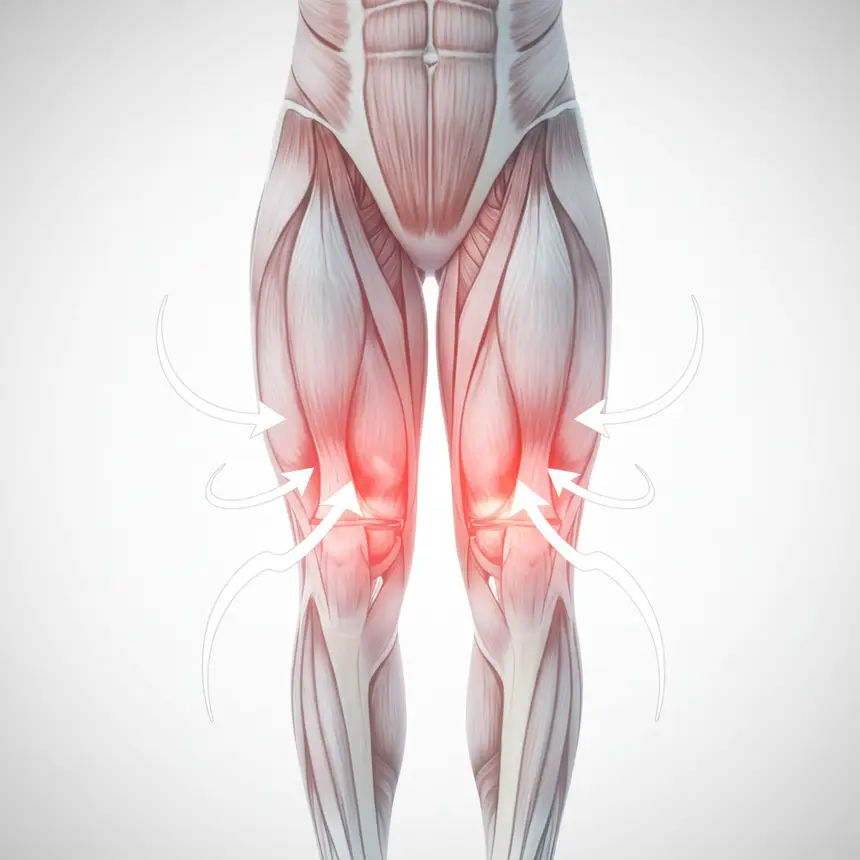
It’s common to associate all knee pain with cartilage damage, but the reality is far more complex. Your knee pain might stem from a variety of mechanical issues, such as muscular imbalances, weakened glutes, overactive quadriceps, or dysfunction in your hip joint. The knee is not merely a shock-absorbing hinge; it's a dynamic joint that relies on movement to circulate synovial fluid, which is crucial for nourishing your cartilage. When you stop moving, this vital circulatory process slows down, potentially compromising cartilage health. Essentially, knee pain often arises when the intricate system of muscles and ligaments supporting your knee falls out of sync. Simply resting, without addressing these underlying biomechanical factors, rarely offers a complete or lasting solution.
※ This post contains affiliate links. I may earn a commission at no extra cost to you.

Smart Movement: Effective Exercises for Managing Knee Pain
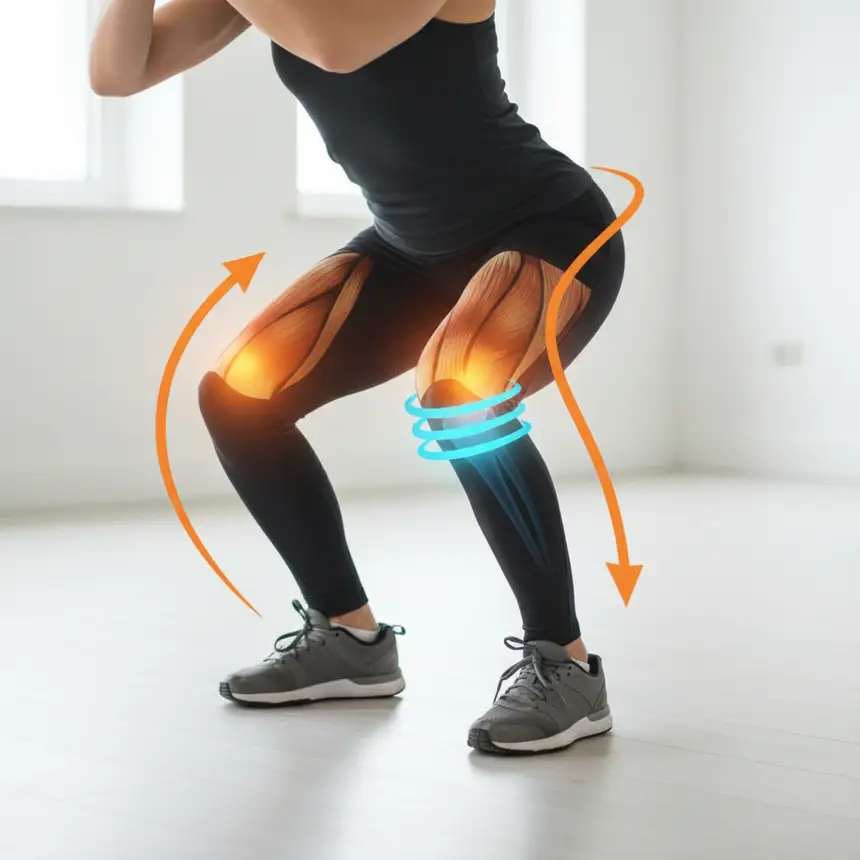
To effectively manage and alleviate knee pain, a proactive approach involving the right kind of exercise is far more beneficial than complete immobilization. The key is to engage in "low-impact movements" within your "pain-free range of motion." Start with gentle joint mobility drills and short walks, ensuring you don't put excessive pressure on your knees while promoting circulation. It's crucial to shift focus from solely relying on your quadriceps to activating and strengthening the posterior chain muscles, including your glutes and hamstrings.
- Bodyweight Squats: Perform slowly, focusing on sitting back as if into a chair, only going as deep as comfortable without pain.
- Glute Bridges: Lie on your back with knees bent, feet flat, then lift your hips off the ground to activate your glutes.
- Band Hamstring Curls: Use a resistance band around your ankles and gently curl your heels towards your glutes while standing or lying prone.
- Hip Abductions (Side-Lying Leg Raises): Lie on your side and lift your top leg straight up, targeting the hip abductor muscles for improved knee stability.
Daily Habits for Healthier Knees: Practical Tips and Self-Care
Beyond targeted knee pain exercises, incorporating small, consistent habits into your daily routine can significantly contribute to long-term knee health.
1. Gradual Activity Progression: Slowly increase your walking distance or light activities within your pain-free limits. Avoid sudden, intense bursts of exercise.
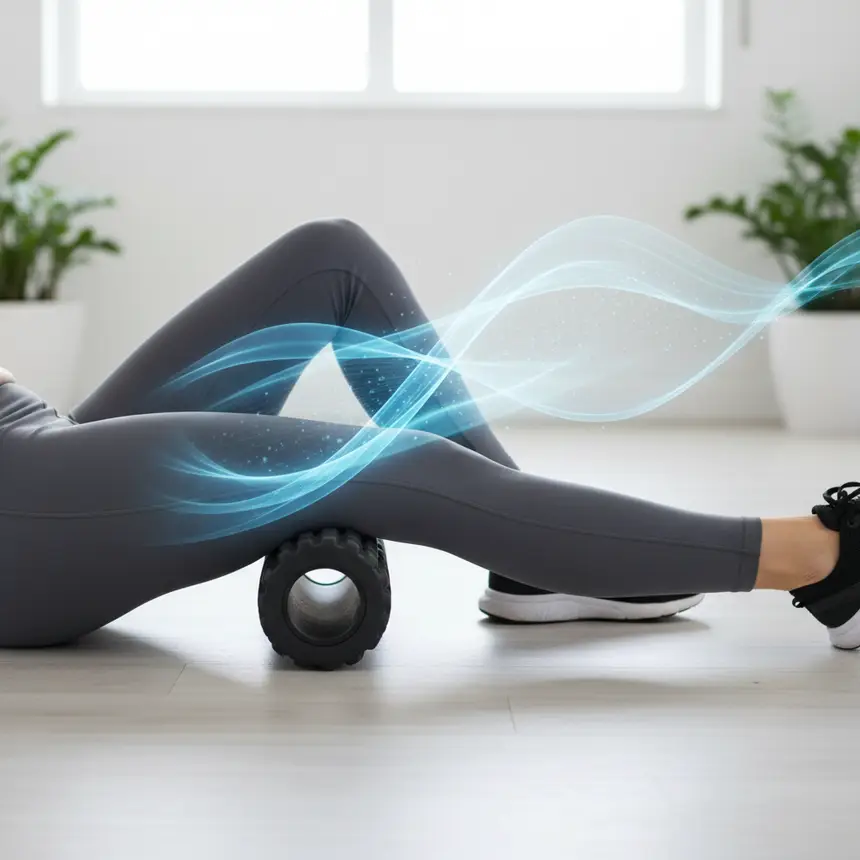
2. Soft Tissue Release: Loosening tight muscles around your knees, hips, and lower legs can improve exercise efficiency and reduce discomfort. Use a foam roller or massage ball on your quads, hamstrings, and calves. Don't forget to address any tension around your hip flexors and glutes as well.
3. Manage Swelling and Fatigue: After physical activity or a long day, you might experience swelling or increased fatigue. Applying cold or warm compresses, or utilizing supportive tools designed to enhance circulation, can aid muscle recovery and alleviate discomfort. These external management strategies can play a role in reducing mechanical stress on the joint, contributing to a long-term recovery plan.
4. Appropriate Footwear: Opt for comfortable, supportive shoes that can absorb impact and provide adequate stability for your feet and knees.
These practical tips can help make your knee movements smoother and accelerate recovery post-exercise.
1. Gradual Activity Progression: Slowly increase your walking distance or light activities within your pain-free limits. Avoid sudden, intense bursts of exercise.
2. Soft Tissue Release: Loosening tight muscles around your knees, hips, and lower legs can improve exercise efficiency and reduce discomfort. Use a foam roller or massage ball on your quads, hamstrings, and calves. Don't forget to address any tension around your hip flexors and glutes as well.
3. Manage Swelling and Fatigue: After physical activity or a long day, you might experience swelling or increased fatigue. Applying cold or warm compresses, or utilizing supportive tools designed to enhance circulation, can aid muscle recovery and alleviate discomfort. These external management strategies can play a role in reducing mechanical stress on the joint, contributing to a long-term recovery plan.
4. Appropriate Footwear: Opt for comfortable, supportive shoes that can absorb impact and provide adequate stability for your feet and knees.
These practical tips can help make your knee movements smoother and accelerate recovery post-exercise.
Your Knees Thrive on Smart Movement, Not Just Rest
Ultimately, your knees are not merely joints to be "protected and pampered"; they are complex structures that truly flourish when engaged in "proper movement." While completely halting activity might offer short-term relief from pain, it rarely addresses the root cause or contributes to long-term joint function and recovery. In fact, prolonged inactivity can weaken the surrounding support structures, potentially leading to even greater discomfort down the road. Instead of fearing movement when facing knee pain, embrace the courage to find and consistently practice the right knee pain exercises within your pain-free zone. The key is to wisely adjust the intensity based on your discomfort levels and gradually expand your range of motion. Your knees will grow stronger and healthier with every thoughtful step you take. Start prioritizing healthy movement for your knees today – your active future depends on it!
Frequently Asked Questions
Q. What's the best first exercise to do if I have knee pain?
A. If your pain isn't severe, start with gentle joint mobility exercises or short, comfortable walks that don't put stress on your knees. Simple movements like flexing and extending your ankles can also be helpful.
Q. What should I do if I feel pain during a knee exercise?
A. If you experience pain during an exercise, stop immediately and rest. Once the pain subsides, either reduce the intensity or switch to a different exercise to avoid overstraining your knee. It's crucial to always exercise within your "pain-free range."
Q. What strength exercises are good for knee pain?
A. Effective strength exercises for knee pain should target not only your quadriceps but also surrounding muscles like your glutes and hamstrings. Bodyweight squats, glute bridges, and side-lying hip abductions are great examples. Begin with low intensity and gradually increase as you get stronger.
Q. What if my knee pain is too severe to move?
A. If you're experiencing severe knee pain, it's essential to seek a professional diagnosis and consultation first. Initially, prioritize rest and stability. Once the pain begins to subside, you can gradually introduce very light stretches or joint mobility exercises as advised by your healthcare provider.
Q. What daily habits can help prevent knee pain?
A. Maintaining a healthy weight, practicing good posture, wearing supportive footwear, and incorporating regular stretching and strength training are all important. Additionally, avoid prolonged sitting and take frequent breaks to move around throughout the day.