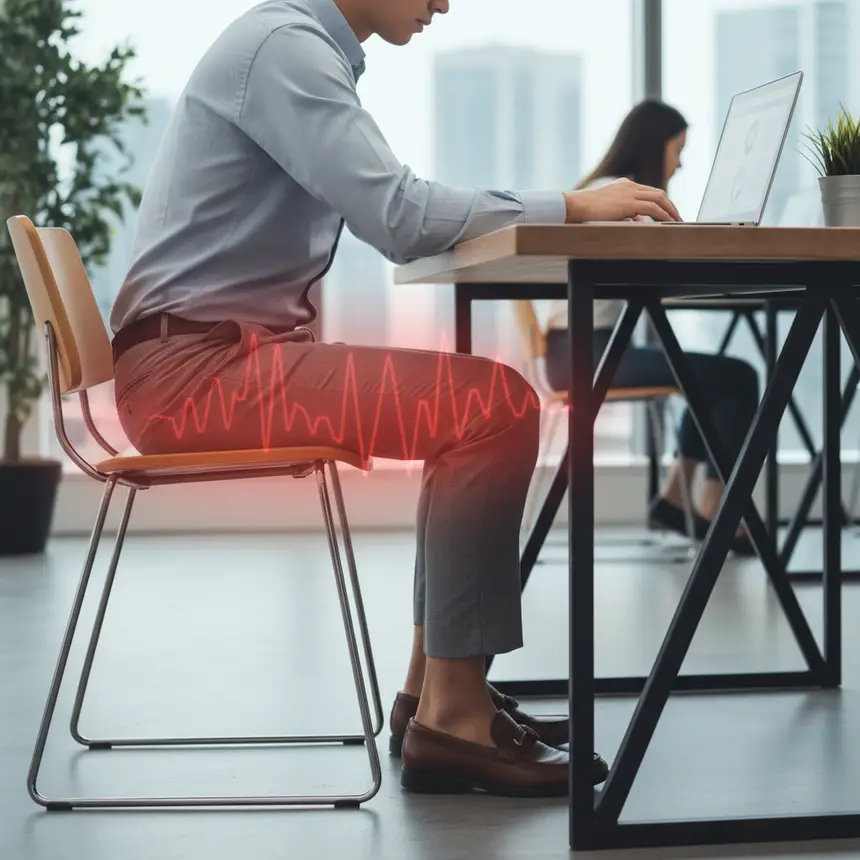
Discover effective exercises to correct a misaligned pelvis caused by sedentary lifestyles and poor habits. Strengthen your core and improve overall posture for a healthier, more balanced life.

The Foundation of Good Posture: Why Pelvic Alignment Matters
In our modern lives, spending extended hours sitting or looking at screens often leads to muscular imbalances. The pelvis, acting as the crucial link between your upper and lower body, is particularly susceptible to misalignment due to these habits, profoundly impacting your overall posture and health. A misaligned pelvis can disrupt the natural S-curve of your spine, cause uneven shoulders and neck issues, and even alter your gait. Correct pelvic alignment isn’t just about looking balanced; it reduces unnecessary tension throughout your body, optimizes energy efficiency, and lessens fatigue. When your body's center is properly aligned, movements become smoother, walking feels lighter, and you naturally exude more confidence. Begin your journey to better posture by simply observing your own habits. Take a moment to check your shoulder height or the symmetry of your hips in a mirror – even small observations can provide valuable insights.
Essential Movements for Core Strength and Body Alignment
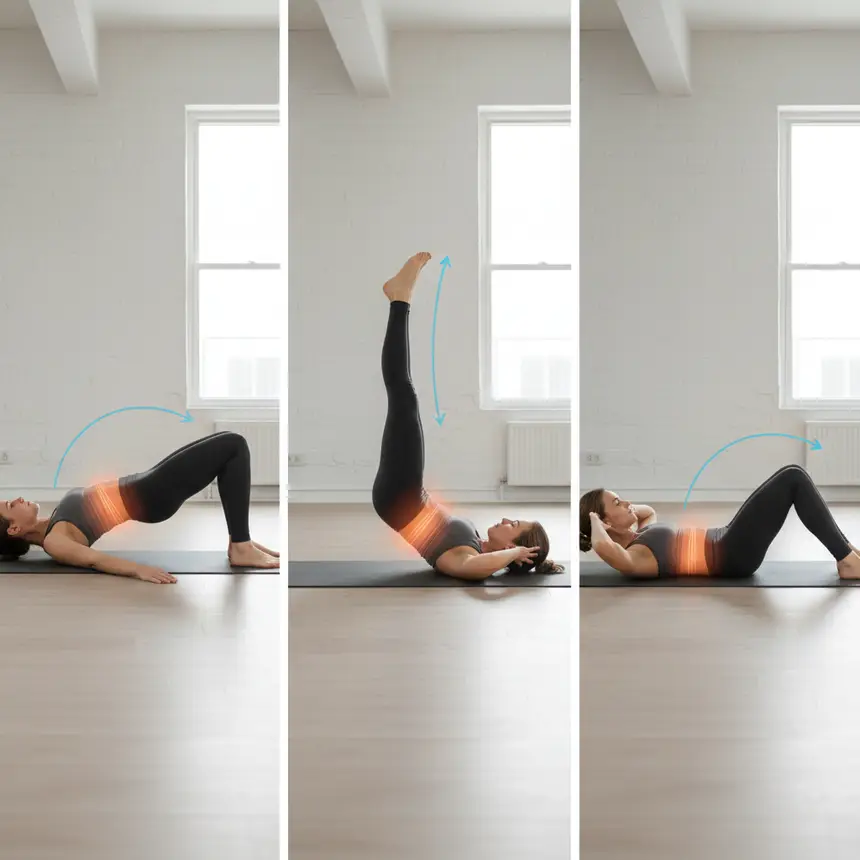
Exercises aimed at stabilizing your body's center begin with strengthening your core muscles. These deep abdominal and back muscles play a vital role in supporting and stabilizing your spine. By building a strong core, you naturally create a solid foundation for maintaining good posture. These alignment-focused movements emphasize balancing the muscles around the pelvis through controlled contraction and relaxation, helping to bring your spine into proper alignment.
- Articulated Pelvic Lift: Lie on your back with knees bent and feet hip-width apart. As you exhale, draw your lower belly towards your spine, then slowly lift your tailbone and sequentially peel your spine off the floor until your shoulders, hips, and knees form a straight line. Hold briefly, then inhale as you slowly lower each vertebra back to the starting position. This movement strengthens the glutes and abdominals while improving spinal flexibility, which enhances pelvic mobility.
- Lower Abdominal Leg Drop: Lie on your back, knees bent, and lift your legs so your knees are directly over your hips and your shins are parallel to the floor. As you exhale, slowly lower one leg towards the floor without allowing your lower back to arch. Inhale as you return it to the starting position. The key here is to keep your core engaged to stabilize your lower back. This exercise specifically targets deeper abdominal muscles crucial for pelvic stability.
- Supine Upper Body Curl: Lie on your back with knees bent and hands placed behind your head. Exhale as you slowly curl your upper body off the floor, engaging your core until your shoulders and chest lift. Keep your gaze directed towards your navel and avoid straining your neck. This strengthens the abdominal muscles, which in turn helps support an upright spine.
※ This post contains affiliate links. I may earn a commission at no extra cost to you.

Integrating Posture Correction Exercises into Your Daily Life
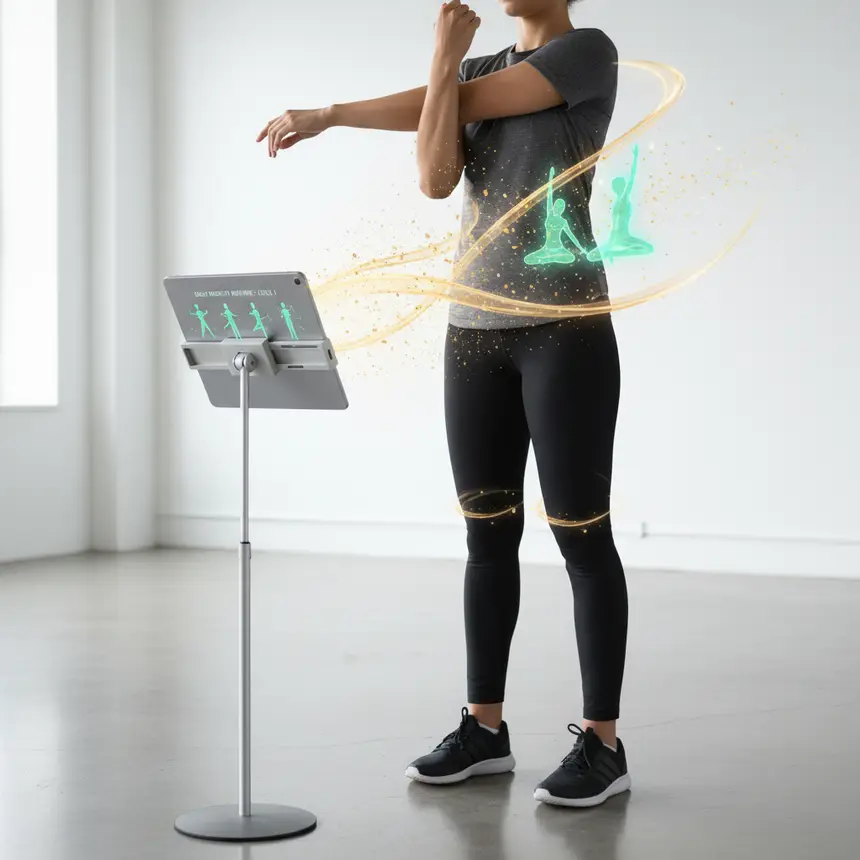
The most effective way to start a posture improvement regimen is by seeking professional guidance. Consulting a certified trainer can help you accurately assess your current physical condition and specific imbalances, allowing for a personalized exercise plan. Initially, the focus should be on correcting improper form and mastering precise movements. Participating in private sessions or small group classes can provide the detailed instruction needed to maximize the benefits of your workouts.
If professional guidance isn't immediately feasible, leveraging online courses or fitness apps can be an excellent alternative. Many platforms offer structured routines and detailed explanations for beginners, making it entirely possible to follow along from home. The crucial aspect is to start with foundational movements that match your current fitness level, rather than jumping into advanced exercises prematurely. For instance, commit to just 15 minutes a day, establishing a consistent workout schedule. Always include light stretching before and after your exercise session. Focus on performing each movement slowly and accurately, coordinating with your breath.
If professional guidance isn't immediately feasible, leveraging online courses or fitness apps can be an excellent alternative. Many platforms offer structured routines and detailed explanations for beginners, making it entirely possible to follow along from home. The crucial aspect is to start with foundational movements that match your current fitness level, rather than jumping into advanced exercises prematurely. For instance, commit to just 15 minutes a day, establishing a consistent workout schedule. Always include light stretching before and after your exercise session. Focus on performing each movement slowly and accurately, coordinating with your breath.
Tips for Safe and Sustainable Posture Improvement
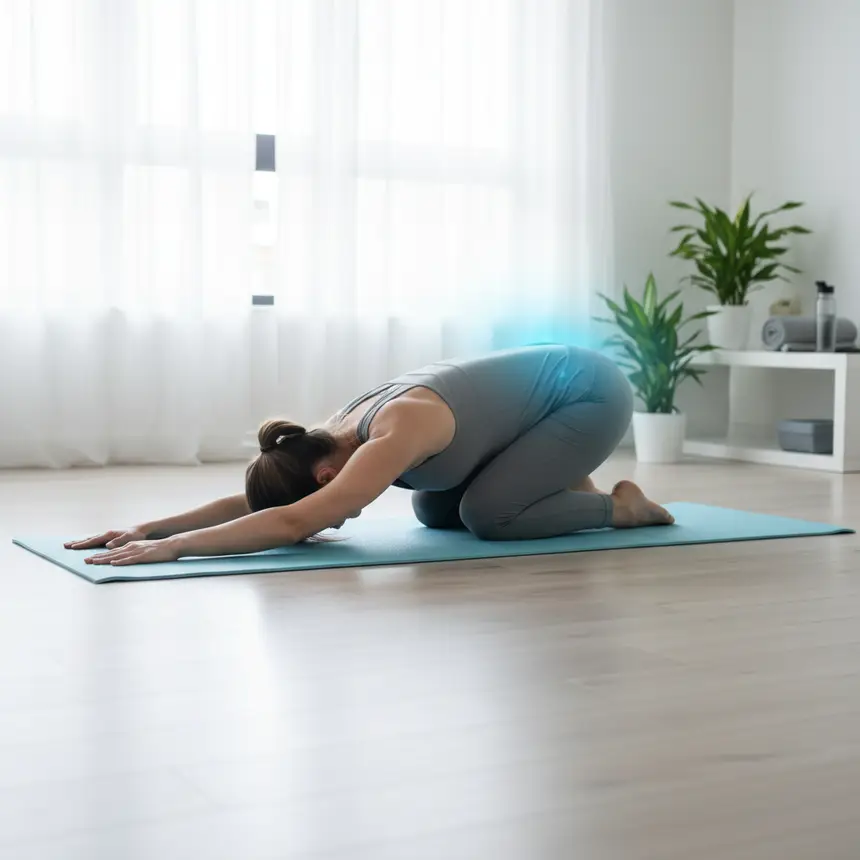
When it comes to posture correction exercises, expecting dramatic, overnight changes isn't realistic. Instead, consistent and gradual effort is the key. You might not notice significant differences in the first few weeks, but with patience and persistence, you'll find your body naturally gravitating towards proper alignment. It's essential to always listen to your body during workouts. If you feel any discomfort or sharp pain, immediately stop the movement and rest, or adjust the intensity. Pushing through pain can lead to injury, so prioritize your safety above all else.
After your exercise session, always incorporate sufficient stretching to release muscle tension and allow your body adequate time to recover. Proper nutrition and ample sleep are equally vital for muscle repair and overall physical well-being. These exercises are highly recommended for office workers who sit for long periods, individuals experiencing back or shoulder pain due to postural imbalances, and anyone with a sedentary lifestyle leading to weakened core muscles. They can also be beneficial for women seeking pelvic care post-childbirth or athletes looking to enhance their performance. Pelvic alignment exercises offer more than just aesthetic improvements; they foster inner stability and confidence, significantly enhancing your quality of life.
After your exercise session, always incorporate sufficient stretching to release muscle tension and allow your body adequate time to recover. Proper nutrition and ample sleep are equally vital for muscle repair and overall physical well-being. These exercises are highly recommended for office workers who sit for long periods, individuals experiencing back or shoulder pain due to postural imbalances, and anyone with a sedentary lifestyle leading to weakened core muscles. They can also be beneficial for women seeking pelvic care post-childbirth or athletes looking to enhance their performance. Pelvic alignment exercises offer more than just aesthetic improvements; they foster inner stability and confidence, significantly enhancing your quality of life.
Frequently Asked Questions
Q. What problems can arise from a misaligned pelvis?
A. Pelvic misalignment can lead to issues such as a distorted spinal curve, uneven shoulders, and chronic lower back and neck pain. It can also affect your walking gait and cause perceived leg length discrepancies, among other bodily imbalances.
Q. How long does it typically take to see results from posture correction exercises?
A. While individual results vary, many people start noticing positive changes like improved posture or reduced pain after about 4 to 6 weeks of consistent practice. The key is long-term consistency rather than short-term expectations.
Q. Are there effective posture correction routines I can do by myself at home?
A. Absolutely. Many online resources, such as YouTube videos or fitness apps, offer structured core-strengthening and stretching routines for beginners. Starting with basic movements like articulated pelvic lifts and lower abdominal leg drops is a great approach.
Q. What should I do if I experience pain during my exercise routine?
A. If you feel any uncomfortable or sharp pain during exercise, you should immediately stop the movement and rest. Continuing through pain can lead to injury. If the pain persists, it's important to consult with a healthcare professional or a certified trainer.
Q. What exercise equipment can assist with posture correction?
A. You can achieve significant results with bodyweight exercises alone. However, tools like foam rollers, resistance bands, or exercise rings can help enhance muscle activation or improve stretching effectiveness for specific areas.