Hidden deep within, visceral fat is more than just a cosmetic issue—it's a serious health threat. Discover effective strategies for visceral fat management through diet and exercise habits.
Learn concrete methods to reduce accumulated visceral fat and reclaim a vibrant, healthy life.

Why is Belly Fat So Stubborn? Uncovering the Reality of Visceral Fat
Many people find themselves frustrated by persistent abdominal fat, even with consistent healthy eating and regular exercise. This is especially true for visceral fat, the deep-seated fat that accumulates around internal organs. Whether you're dealing with a 'skinny fat' physique – thin limbs but a protruding belly – or appear slender but receive a warning about high visceral fat during a health check, this type of fat poses a unique challenge. So, what exactly is this stubborn visceral fat, and why is it so hard to get rid of? Unlike subcutaneous fat, which lies just beneath the skin and is easy to pinch, visceral fat is located deep within the body, making it invisible. It's not just a cosmetic concern; it's a major contributor to various metabolic syndromes, including high blood pressure, type 2 diabetes, and high cholesterol. Therefore, effective visceral fat management is a crucial first step not just for a leaner physique, but for a healthier life overall.
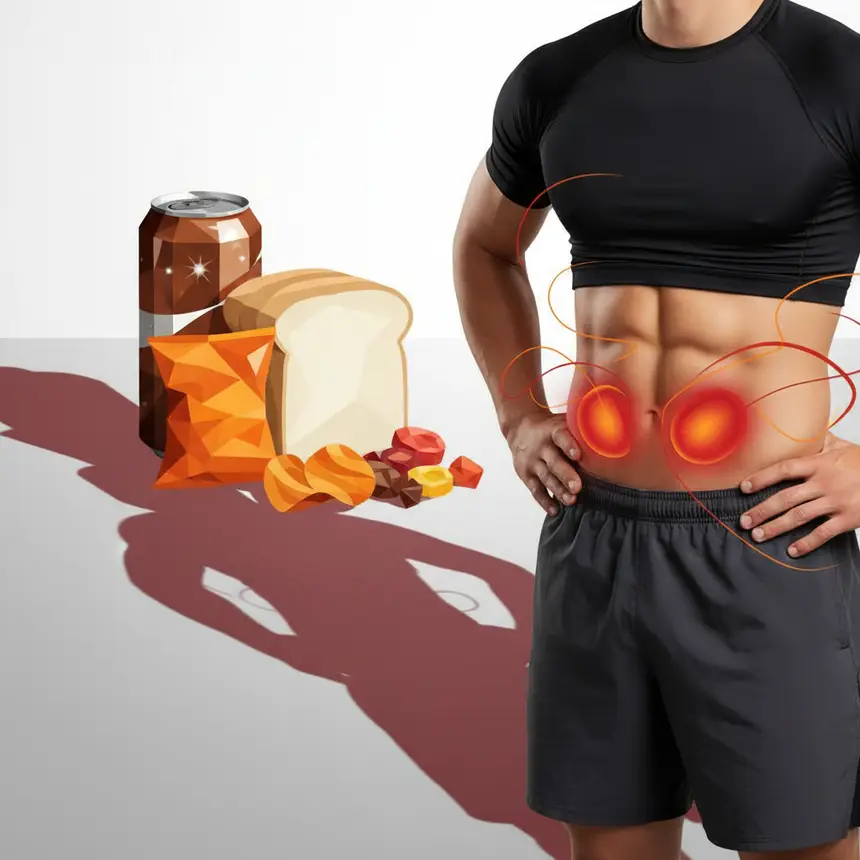
The Hidden Threat: Unpacking the Causes and Health Risks of Visceral Fat Accumulation
The accumulation of visceral fat in our bodies is closely linked to several lifestyle factors. One of the primary culprits is an unbalanced diet. Specifically, a diet rich in simple carbohydrates like sugars and refined grains causes rapid spikes in blood sugar. This, in turn, leads to excessive insulin secretion, prompting the body to store surplus energy as fat around the liver and other internal organs. Furthermore, a sedentary lifestyle, where energy intake exceeds expenditure, naturally accelerates fat accumulation. Chronic stress and irregular sleep patterns can also contribute to hormonal imbalances that favor visceral fat storage. Once accumulated, visceral fat is more than just a passive fat deposit; it actively releases inflammatory substances, contributing to chronic systemic inflammation and damaging blood vessel health, thereby increasing the risk of cardiovascular diseases. Because visceral fat surrounds vital organs, its presence carries significant health risks, underscoring the urgent need for proactive management.
※ This post contains affiliate links. I may earn a commission at no extra cost to you.


Strategic Eating: Diet Planning and Meal Timing for Visceral Fat Reduction
The first step towards effective visceral fat management invariably begins with dietary improvements. It's not just about cutting calories, but rather focusing on what you eat and when.
- Minimize Simple Carbohydrates: Opt for complex carbohydrates like brown rice and whole grains instead of refined carbs found in pastries, pasta, and sugary drinks. This helps prevent sharp blood sugar spikes.
- Adequate Protein and Fiber Intake: Consuming plenty of protein-rich foods such as chicken breast, fish, tofu, and legumes, alongside fiber-rich vegetables and fruits, helps maintain satiety and preserve muscle mass. This positively influences your basal metabolic rate.
- Regulate Meal Timing: Employing time-restricted eating, where you maintain a fasting window each day, can also be highly effective. For instance, finishing dinner early and not consuming anything but water until the next morning encourages your body to use stored fat for energy and helps stabilize insulin levels, contributing to visceral fat reduction. Consistent practice can lead to a noticeable feeling of lightness and improved energy.
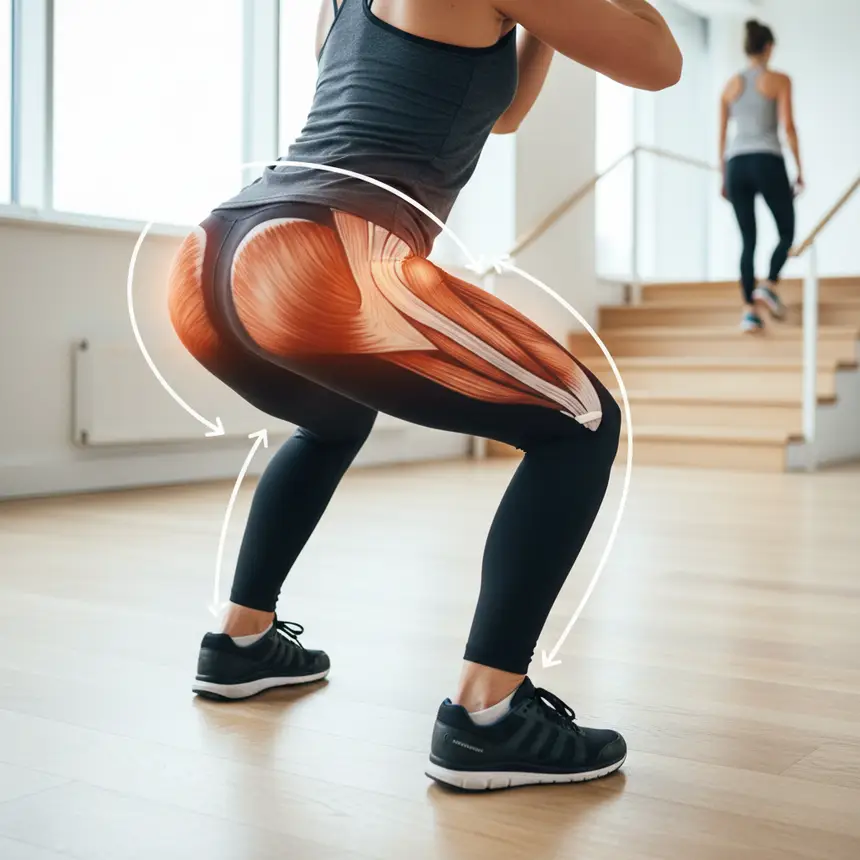
Boosting Activity and Exercise to Combat Visceral Fat
Alongside dietary adjustments, regular physical activity is a critical component in reducing visceral fat. Simply walking might not be enough to make a significant impact.
- High-Intensity Interval Training (HIIT): This type of training, which alternates between short bursts of intense exercise and brief recovery periods, is highly effective for visceral fat burning due to its 'afterburn effect,' where calorie expenditure continues even after the workout. An example would be sprinting for one minute followed by two minutes of walking, repeated several times.
- Incorporate Strength Training: Adding core-focused strength exercises like squats and planks 2-3 times a week helps build muscle mass. Increased muscle mass boosts your basal metabolic rate, enhancing overall fat-burning efficiency. It also improves the tone and firmness around your midsection.
- Increase Daily Activity: Drinking over 2 liters of water daily is also important for boosting metabolism and aiding waste elimination. Furthermore, making small changes like taking the stairs instead of the elevator or walking to nearby destinations can cumulatively lead to significant improvements in your overall activity level. Sustaining these habits for about six months can yield notable positive changes, such as a reduced waistline and decreased chronic fatigue.
The Power of Consistency: Embracing Sustainable Habits for Visceral Fat Management
The journey to reduce visceral fat isn't a quick fix; it's a gradual process. This deep-seated fat often accumulates over a long period due to ingrained lifestyle habits, meaning that improving it also requires consistent, long-term effort. Many are tempted by unverified methods promising rapid results, but these can disrupt the body's metabolic system or even lead to harmful side effects. The most reliable and safe approach to visceral fat management lies in consistently adhering to fundamental health principles: balanced nutrition, regular exercise, sufficient sleep, and stress management. Through these sustained efforts, you can expect not only changes in your physique but also a reduction in chronic fatigue, an improvement in overall health markers, and a renewed sense of vitality. Start today with small, consistent changes to build a foundation for a healthier life. Your body's transformation will surely reflect your unwavering dedication.
Frequently Asked Questions
Q. What's the main difference between visceral fat and subcutaneous fat?
A. Subcutaneous fat is located just under the skin and can be easily pinched, while visceral fat is deep within the abdomen, surrounding your internal organs. While subcutaneous fat plays roles in insulation and cushioning, excessive visceral fat significantly elevates the risk of various metabolic diseases.
Q. Can I quickly reduce visceral fat by only eating specific foods?
A. Unfortunately, there's no magical food that can quickly eliminate visceral fat. The most effective way to manage visceral fat is through a balanced nutritional intake, calorie control, and consistent physical activity working together.
Q. Is it possible to reduce visceral fat through diet alone, without exercise?
A. While diet control is a crucial component for visceral fat reduction, exercise is essential to maximize results and ensure long-term health. Combining cardiovascular workouts with strength training not only burns fat but also increases muscle mass, boosting your metabolism for more effective visceral fat management.
Q. How long does it typically take to see a reduction in visceral fat?
A. The timeline varies based on individual effort and body composition, but generally, you can expect to see meaningful reductions in visceral fat after consistently combining diet and exercise for about 3 to 6 months. It's more important to focus on sustainable lifestyle changes rather than rapid, short-term weight loss.