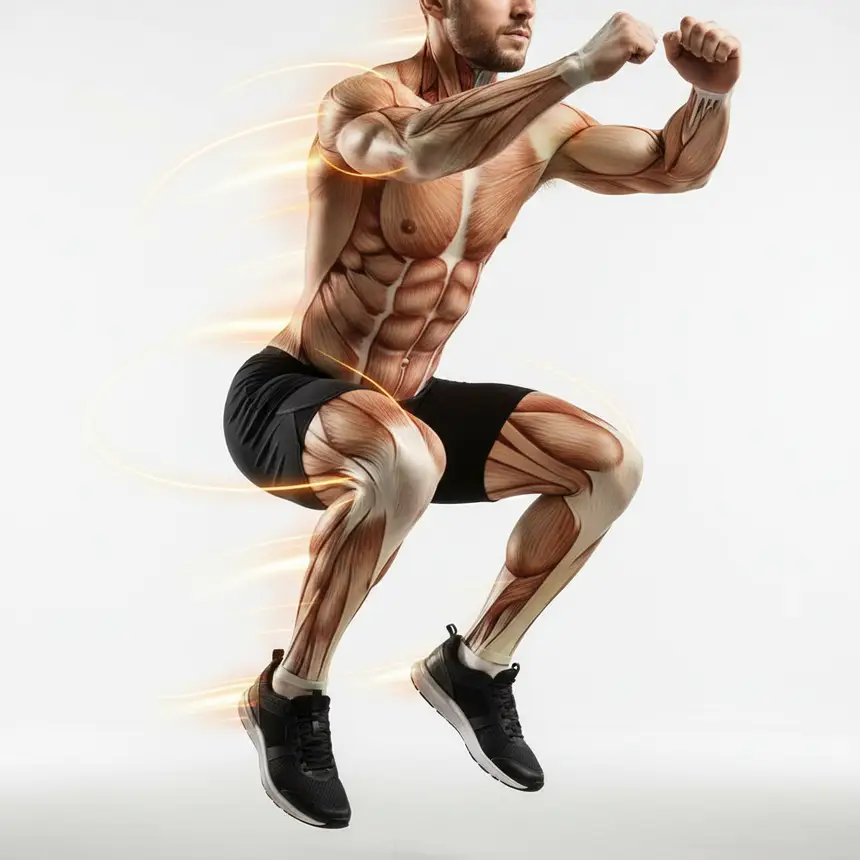
Are rounded shoulders causing you discomfort and pain? We break down the causes of this common modern ailment and introduce the "Wall Angel" exercise, an easy-to-follow posture correction stretch you can do at home. Reclaim good posture and a healthier life through consistent practice.

The Modern Predicament: Discomfort from Rounded Shoulders
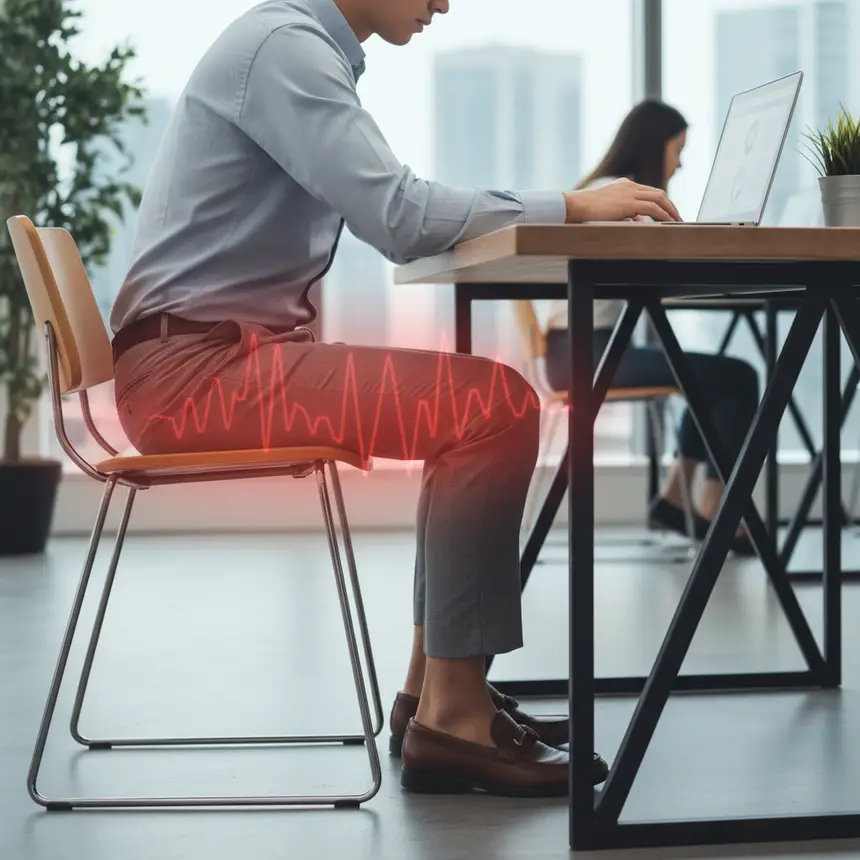
In today's digital age, prolonged screen time—whether on smartphones or computers—has become second nature. This constant forward-leaning posture often leads to a gradual rounding of the shoulders, a condition commonly known as 'rounded shoulders.' This isn't just an aesthetic concern, making you appear tired or less confident. It can also manifest as persistent stiffness in your neck and shoulders, escalating to chronic pain. If you often wake up with discomfort, find clothes don't quite hang right, or notice a creaking sensation when you lift your arms, you might be experiencing the effects of rounded shoulders. Take a moment to check your profile in a mirror: are your shoulders positioned forward of your ears?
Understanding Rounded Shoulders: More Than Just Bad Habits
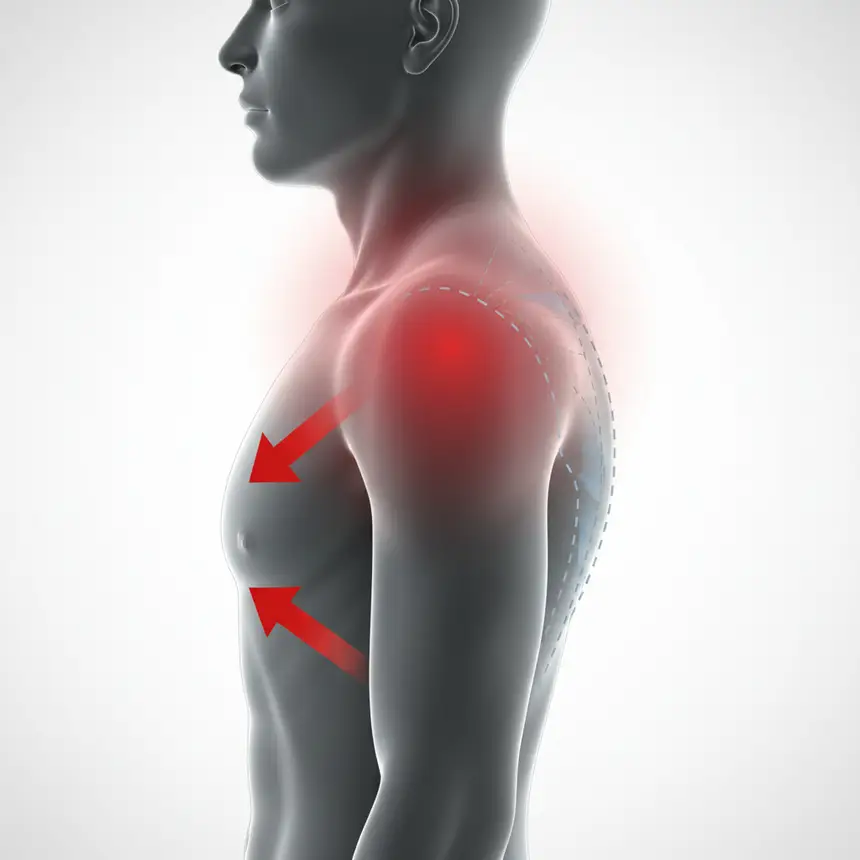
Rounded shoulders stem from more than just a slouching habit. Prolonged static postures often lead to muscle imbalances, where chest muscles shorten and upper back muscles weaken. This imbalance is exacerbated by 'tech neck'—when your head cranes forward from looking at devices—which naturally pulls your shoulders inward. Such alterations in shoulder alignment bring forth a cascade of physical issues. They place undue stress on the neck and shoulder joints, leading to chronic pain and headaches. Your shoulder joint's range of motion can become restricted, impairing performance in exercises and increasing injury risk. Furthermore, a constricted rib cage and limited diaphragm movement can result in shallower breathing, reduced oxygen intake, and even decreased concentration. It's crucial to consider if the postures you find comfortable in your daily routine are inadvertently compromising your shoulder health.
※ This post contains affiliate links. I may earn a commission at no extra cost to you.

Your Key to Better Posture: The Wall Angel Exercise
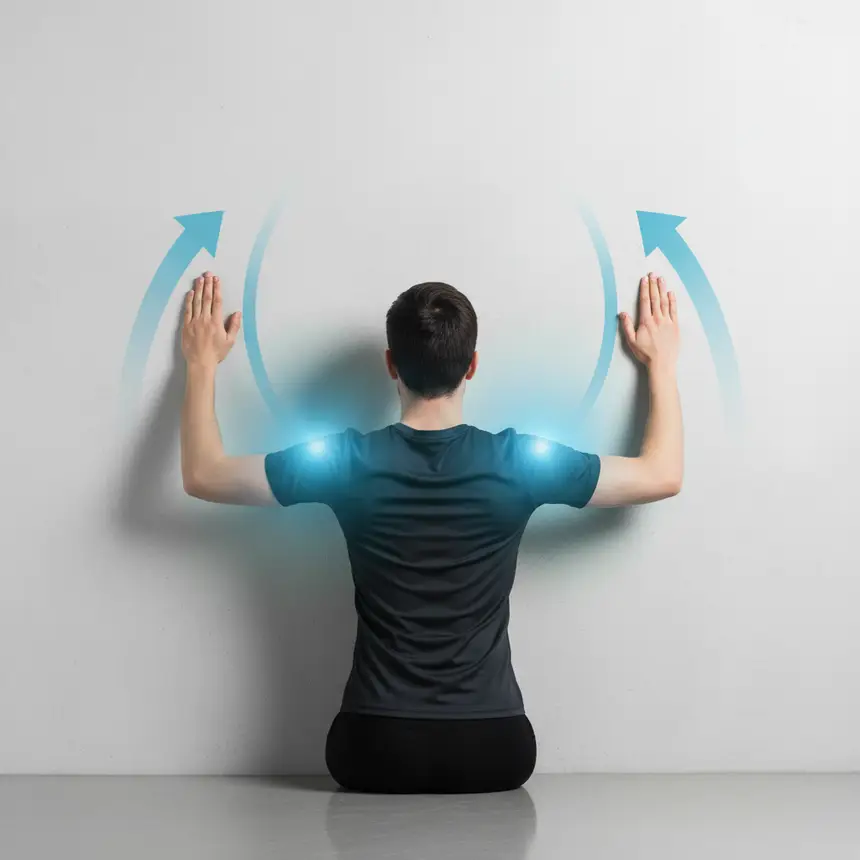
A highly effective exercise for improving rounded shoulders is the 'Wall Angel.' This movement, reminiscent of an angel spreading its wings against a wall, significantly boosts shoulder joint mobility and activates the crucial upper back muscles, greatly aiding posture correction. It's also excellent for recognizing and correcting body asymmetry by using the wall as a reference.
2. Slightly bend your knees and gently engage your core to prevent your lower back from arching away from the wall.
3. Bend your elbows to 90 degrees, aiming to keep your forearms and the backs of your hands against the wall. (Again, it’s okay if they don't fully touch at first.)
4. As you exhale, slowly raise your arms upwards, as if making a snow angel. Concentrate on keeping your elbows and the backs of your hands connected to the wall as much as possible, aiming for your hands to reach ear level.
5. Inhale as you slowly return your arms to the starting position.
- Here’s how to perform the Wall Angel:
2. Slightly bend your knees and gently engage your core to prevent your lower back from arching away from the wall.
3. Bend your elbows to 90 degrees, aiming to keep your forearms and the backs of your hands against the wall. (Again, it’s okay if they don't fully touch at first.)
4. As you exhale, slowly raise your arms upwards, as if making a snow angel. Concentrate on keeping your elbows and the backs of your hands connected to the wall as much as possible, aiming for your hands to reach ear level.
5. Inhale as you slowly return your arms to the starting position.
- Aim for 3-5 repetitions per set, completing 2-3 sets. Initially, your arms might lift from the wall, but with consistent practice, you'll notice a progressive increase in your shoulder's range of motion.
Consistency Is Key: Reclaiming a Vibrant Life with Better Posture
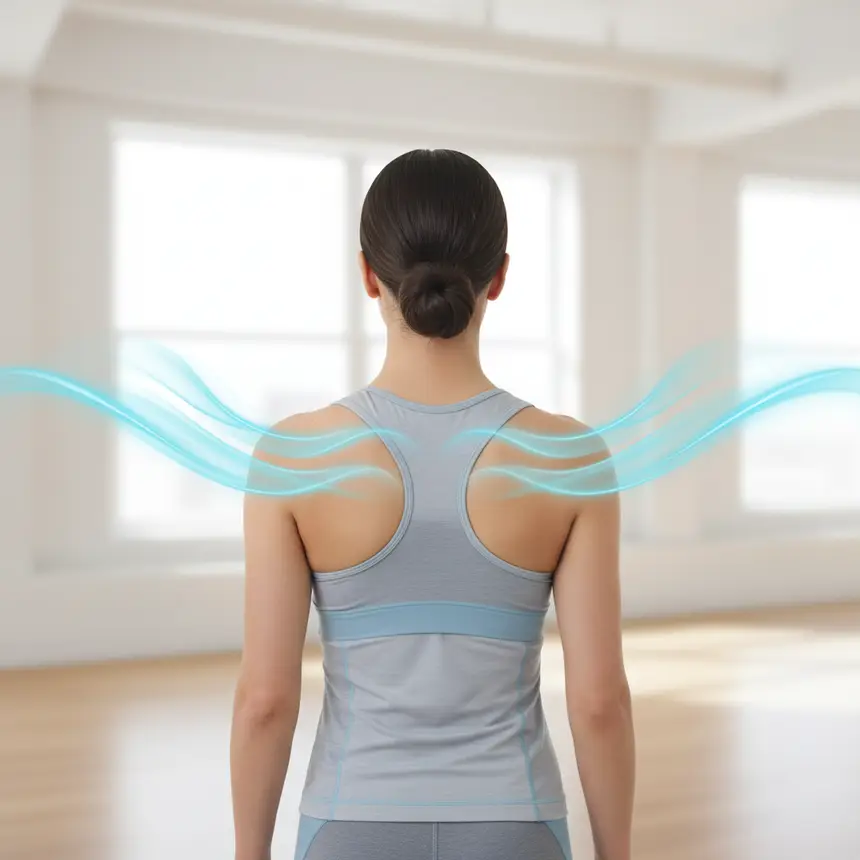
The most critical factor in correcting rounded shoulders is consistency. When performing the Wall Angel, if your shoulders or chest muscles feel stiff, avoid forcing your arms against the wall. Instead, move gently within your comfortable range of motion. Remember to engage your core appropriately to maintain a neutral spine, preventing your lower back from arching excessively. This exercise is particularly beneficial for office workers who spend a lot of time on computers, individuals seeking to enhance shoulder flexibility without pain, or anyone needing a warm-up or cool-down stretch for upper body workouts. Dedicating just 5-10 minutes daily to this practice can lead to a noticeable transformation, gradually straightening your shoulders and fostering a more energetic and confident demeanor. Start today to cultivate healthier shoulders and improved posture!
Frequently Asked Questions
Q. Why do people get rounded shoulders?
A. Rounded shoulders primarily develop from a combination of prolonged sitting, poor posture habits from using smartphones or computers, and muscle imbalances where chest muscles become tight and upper back muscles weaken.
Q. What problems can arise if rounded shoulders are left unaddressed?
A. Ignoring rounded shoulders can lead to various physical issues, including chronic pain like neck and shoulder pain or headaches, decreased shoulder joint range of motion, impaired breathing function, reduced exercise efficiency, and an increased risk of injury.
Q. How often should I do the Wall Angel exercise for best results?
A. It's most effective to practice consistently, dedicating about 5-10 minutes each day. Start with 2-3 sets and gradually increase your duration as you get more comfortable.
Q. What if my arms can't fully touch the wall during the Wall Angel?
A. That's completely normal. If your shoulders or chest muscles are stiff, it might be challenging to keep your entire arm against the wall at first. The key is not to force it; instead, move gently within your available range of motion. With consistent practice, you'll see improvement.
Q. Are there other daily habits that can help improve rounded shoulders?
A. Yes, consciously adopting habits like sitting or standing with your shoulders pulled back, and taking frequent stretch breaks, can help. When using a smartphone, try to adjust the screen height to avoid looking down excessively, and remember to regularly stand up and move around.