Struggling with poor posture, a rounded back, or persistent lower back pain from prolonged sitting? Discover the correct conventional deadlift form and core engagement techniques to restore your body's balance and move with confidence.

The Silent Strain of Modern Lifestyles: Posture Imbalance
In today's fast-paced world, many of us spend countless hours seated, whether at a desk, commuting, or relaxing. This sedentary pattern subtly undermines our body's natural alignment, leading to a cascade of physical imbalances. Common culprits include rounded shoulders, a hunched upper back, and a posterior pelvic tilt. These postural shifts aren't just aesthetic concerns; they create significant discrepancies in strength between the front and back muscle groups, often culminating in chronic lower back discomfort, neck stiffness, and tight hamstrings. Imagine a meticulously built tower slowly leaning and eventually toppling – that’s often what happens to our body’s functional integrity. Even during downtime, these ingrained postures persist, hindering recovery and perpetuating a vicious cycle of physical decline. How can we effectively counteract these fundamental imbalances and reclaim full-body function?
Reclaiming Your Body's Balance: The Conventional Deadlift
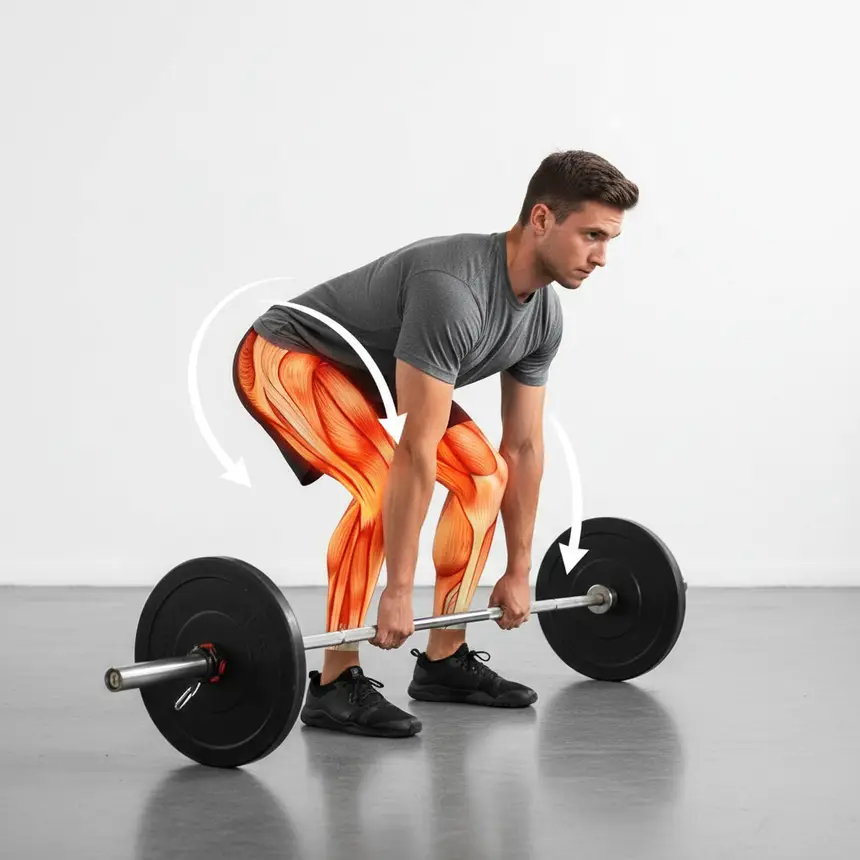
One of the most potent exercises for addressing modern postural imbalances and enhancing full-body muscular coordination is the conventional deadlift. This isn't merely about hoisting heavy weight; it's a foundational movement focused on restoring overall body balance by simultaneously engaging the glutes, back, and core muscles. Critically, the essence lies not in simply "bending over" but in mastering the "Hip Hinge," a movement centered around your hip joints. A proper hip hinge involves pushing your hips back as if reaching for a wall behind you, maintaining a neutral spine, and keeping your chest slightly elevated. You should feel a gentle stretch in your hamstrings – that’s your cue for a correct hinge. Incorrect form can place undue stress on your knees or spine, emphasizing the importance of precise technique.
Essential setup for a stable lift is also crucial. Position your feet about hip-width apart, with the barbell close to your shins. Your grip should be slightly wider than shoulder-width, allowing your arms to hang naturally. Root your entire foot firmly into the floor for maximum stability. Before initiating the lift, it’s vital to use "Slack Out" and "Wedging" techniques to connect your body to the barbell. Slack Out involves fully extending your arms and engaging your back to apply slight tension to the bar, removing any play. Wedging is a preparatory maneuver where you slightly lower your hips from the hinge position, drive your feet into the floor, and create strong intra-abdominal pressure to brace your core. These processes stabilize your spine and ensure all muscles fire cohesively for an efficient transfer of power.
Essential setup for a stable lift is also crucial. Position your feet about hip-width apart, with the barbell close to your shins. Your grip should be slightly wider than shoulder-width, allowing your arms to hang naturally. Root your entire foot firmly into the floor for maximum stability. Before initiating the lift, it’s vital to use "Slack Out" and "Wedging" techniques to connect your body to the barbell. Slack Out involves fully extending your arms and engaging your back to apply slight tension to the bar, removing any play. Wedging is a preparatory maneuver where you slightly lower your hips from the hinge position, drive your feet into the floor, and create strong intra-abdominal pressure to brace your core. These processes stabilize your spine and ensure all muscles fire cohesively for an efficient transfer of power.
※ This post contains affiliate links. I may earn a commission at no extra cost to you.

Key Principles for a Successful Conventional Deadlift
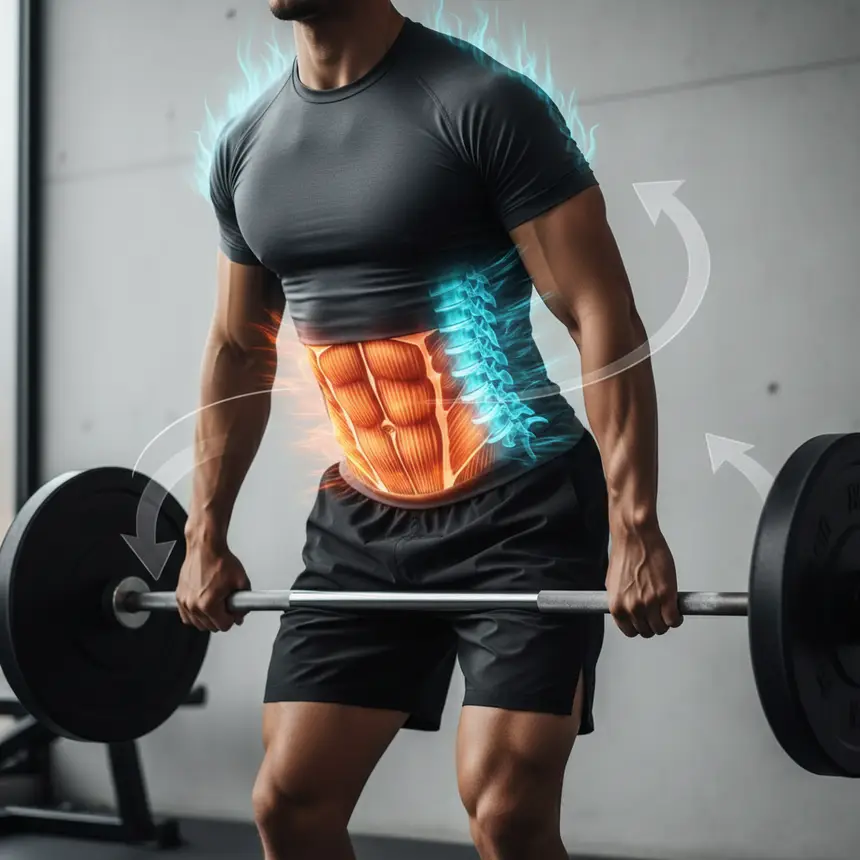
In the conventional deadlift, proper intra-abdominal pressure (bracing) and breathing take precedence over the actual weight being lifted. Before lifting the barbell, inhale deeply through your nose, expanding your abdomen to create a firm internal pressure. During the upward movement, hold your breath, maintaining this pressure to stabilize and protect your spine. This consistent bracing activates your core muscles maximally, leading to a much more stable and powerful lift. This seemingly small habit makes a significant difference, drastically reducing injury risk and enhancing exercise efficacy. The conventional deadlift is far more than just a strength exercise; it’s a comprehensive movement pattern training that refines hip function, spinal alignment, and foot stability. It excels at safeguarding your lower back, establishing correct body alignment, and effectively strengthening your glutes and back muscles. Initially, resist the urge to load heavy weights. Instead, focus on mastering the precise form with lighter loads. As your body internalizes the correct movement patterns, your strength and stability will naturally improve. Embrace consistent practice and a thorough understanding of the conventional deadlift to cultivate a healthier, more balanced physique.
Frequently Asked Questions
Q. Who can benefit most from the conventional deadlift?
A. Individuals who spend a lot of time sitting, experiencing a rounded back, slouched shoulders, or chronic lower back discomfort, will find it particularly effective for posture improvement and core strengthening. It's also excellent for anyone looking to enhance full-body coordination and balance.
Q. How can I avoid lower back pain during deadlifts?
A. The key is mastering the "hip hinge" movement. Focus on pushing your hips back and maintaining a neutral spine, rather than just bending your lower back. Additionally, proper core bracing (creating intra-abdominal pressure) and controlled breathing are crucial for spinal protection.
Q. What's a good starting weight for beginners?
A. Begin with just the barbell or very light weights. Prioritize perfect form and feeling the correct muscle activation over lifting heavy. It's highly recommended to use a mirror or seek guidance from a qualified fitness professional.
Q. Why are 'Slack Out' and 'Wedging' important techniques?
A. These two techniques are vital for connecting your body securely to the barbell before the lift, maximizing full-body coordination, preventing injuries, and enabling efficient force transfer. Slack Out removes any "play" in the bar, while Wedging links your upper and lower body to stabilize your core.