Seeking effective exercises for strong legs and a stable core? Discover the benefits of squats, lunges, and resistance band training, along with proper form and practical tips for consistent progress. Start your journey to balanced strength and vitality.

Ready to Strengthen Your Core and Lower Body?
In our modern lifestyles, prolonged sitting can weaken crucial muscle groups, especially in the lower body and core. These muscles are not just for aesthetics; they are the foundation for overall health, vitality, and functional movement. Are you experiencing unexplained aches, pains, or postural imbalances? A robust lower body supports daily activities, while a strong core stabilizes your spine and helps prevent injuries. Today, we're diving deep into the powerful 'squat exercise benefits,' the correct 'lunge posture,' and versatile 'resistance band exercise methods.' These fundamental movements can spark incredible transformations in your physical well-being.
The Undeniable Importance of Lower Body and Core Strength
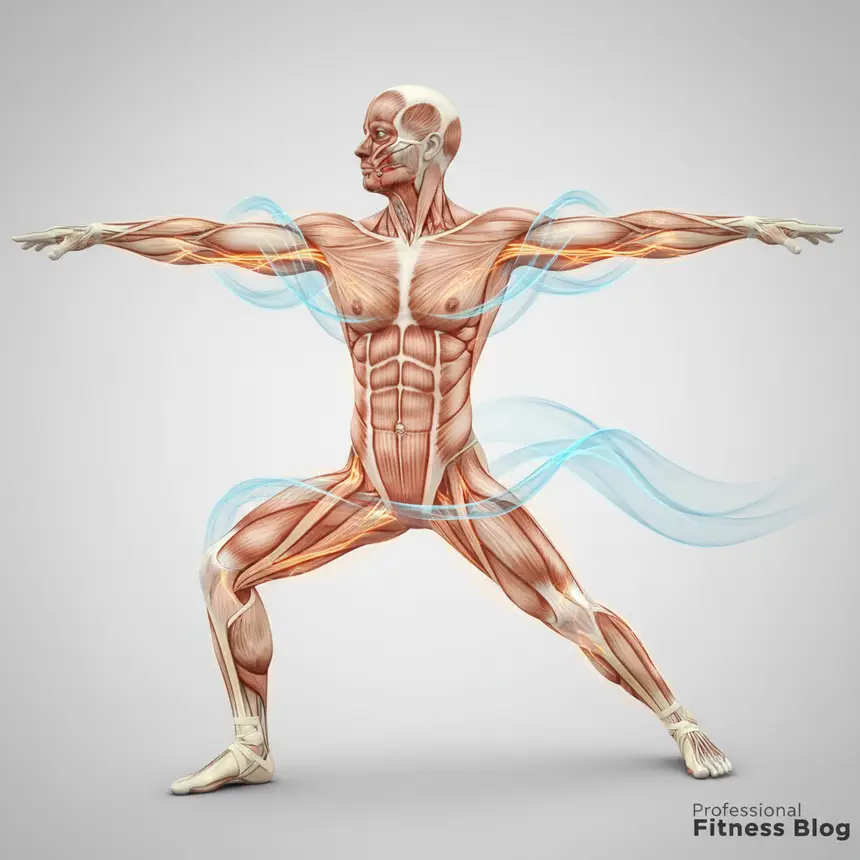
Our bodies are intricately connected systems, and at their heart lie the lower body and core muscles. These groups do more than just generate power; they are fundamental for maintaining posture, improving balance, and ensuring smooth, efficient movement. The benefits of squat exercises are immense, engaging over 70% of your body's muscles, especially targeting the glutes, thighs, and calves, which significantly boosts your metabolic rate. Lunge exercises excel at working each leg independently, helping to correct muscular imbalances and enhance hip stability. Furthermore, resistance band exercise methods offer adjustable tension, allowing you to stimulate muscles in diverse ways, target smaller stabilizing muscles, and adapt the intensity for all fitness levels. Efficiently strengthening these core muscle groups isn't just about looking good; it's directly linked to injury prevention and a higher quality of life.
※ This post contains affiliate links. I may earn a commission at no extra cost to you.

Maximizing Your Workout with Proper Form
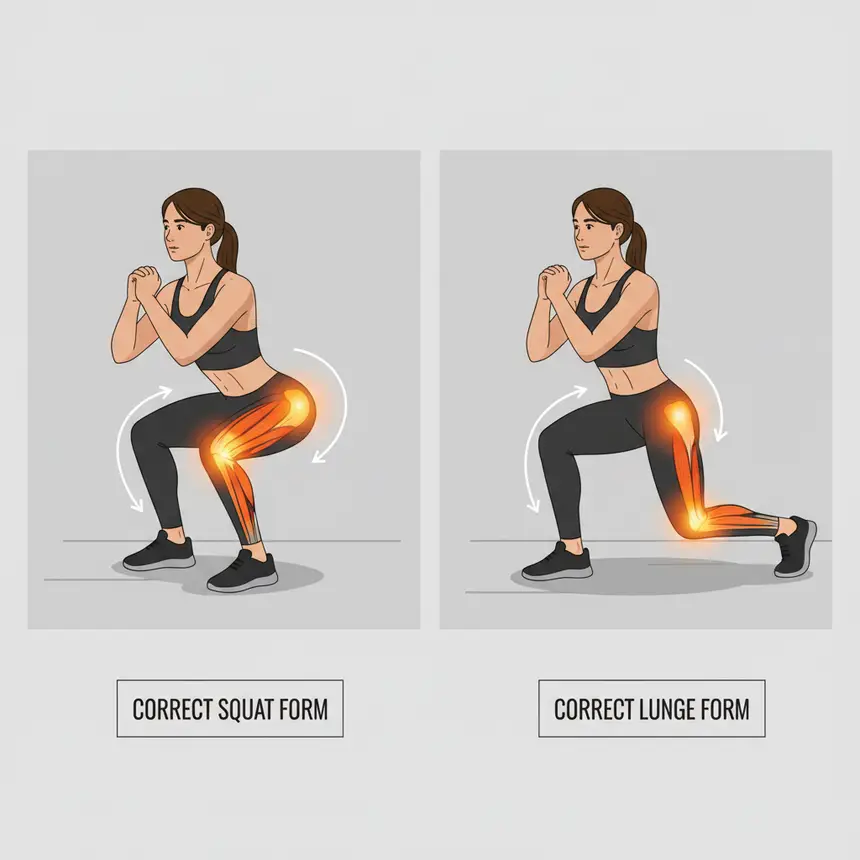
The most critical aspect of any exercise is 'correct form.' Incorrect execution can lead to injuries and significantly diminish your workout's effectiveness. Here's how to master the essential techniques for squats, lunges, and resistance band exercises.
Your Perfect Squat Form Guide
1. Stand with your feet shoulder-width apart, toes pointing slightly outward.
2. Keep your chest lifted, gaze forward, and engage your core to brace your midsection.
3. Initiate the movement by pushing your hips back as if sitting in a chair, bending your knees. Ensure your knees do not track past your toes.
4. Aim to lower until your thighs are parallel to the floor, adjusting depth based on your flexibility.
5. Push through your heels to return to the starting position. Maintain a neutral spine throughout the entire movement.
Mastering the Lunge Posture
1. Begin by standing with your feet hip-width apart, then take a large step forward with one leg.
2. Bend both knees, lowering your back knee until it's just above the floor. Your front knee should be directly over your ankle.
3. Keep your torso upright and core engaged to maintain balance and stability.
4. Push off with your front foot, using your glutes and thigh muscles to return to the starting position.
5. Alternate legs to ensure balanced strength development.
Effective Resistance Band Exercises
Your Perfect Squat Form Guide
1. Stand with your feet shoulder-width apart, toes pointing slightly outward.
2. Keep your chest lifted, gaze forward, and engage your core to brace your midsection.
3. Initiate the movement by pushing your hips back as if sitting in a chair, bending your knees. Ensure your knees do not track past your toes.
4. Aim to lower until your thighs are parallel to the floor, adjusting depth based on your flexibility.
5. Push through your heels to return to the starting position. Maintain a neutral spine throughout the entire movement.
Mastering the Lunge Posture
1. Begin by standing with your feet hip-width apart, then take a large step forward with one leg.
2. Bend both knees, lowering your back knee until it's just above the floor. Your front knee should be directly over your ankle.
3. Keep your torso upright and core engaged to maintain balance and stability.
4. Push off with your front foot, using your glutes and thigh muscles to return to the starting position.
5. Alternate legs to ensure balanced strength development.
Effective Resistance Band Exercises
- Banded Squats: Wrapping a resistance band around your knees during squats can more effectively activate your outer glute muscles. Focus on pushing your knees outward against the band's resistance to prevent them from caving in.
- Banded Leg Press (Seated): Sit on a chair, loop a band around your feet, and hold the ends with your hands. Extend your legs straight out against the band's tension to work your quadriceps.
- Banded Hip Abduction: While standing or lying down, loop a band around your ankles and move one leg out to the side against the band's resistance to strengthen your outer hip muscles. These exercises leverage controlled resistance to intensify muscle engagement and improve overall workout efficiency.
Practical Tips for Consistent Progress
Even the best exercises won't yield results without consistent effort. Here are some actionable tips to help you build and maintain a sustainable exercise habit:
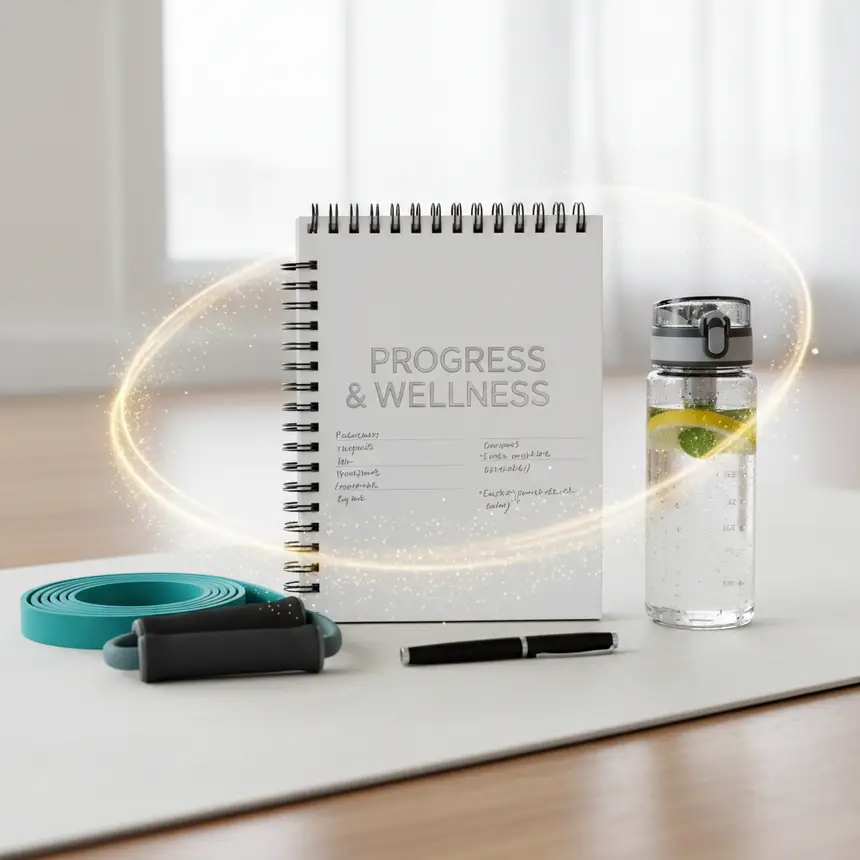
1. Set Goals and Track Progress: Establish realistic goals (e.g., 15 minutes, 3 times a week) and keep an exercise journal. Small achievements accumulate into significant motivation.
2. Apply Progressive Overload: Instead of overdoing it initially, gradually increase repetitions, sets, or the resistance level of your bands. This ensures your muscles are continuously challenged to grow stronger.
3. Prioritize Rest and Nutrition: Just as important as exercise is adequate rest for muscle recovery and a balanced diet. Consume enough protein, vitamins, and minerals to support your body's optimal function.
4. Explore Variations: Repetitive workouts can lead to boredom. Incorporate different squat or lunge variations using resistance bands, or mix in other lower body exercises to keep things engaging and provide new stimuli.
5. Consider Professional Guidance: If you find certain exercises challenging or experience pain, don't hesitate to seek advice from a fitness professional. Proper guidance can prevent injuries and make your workouts more effective.
1. Set Goals and Track Progress: Establish realistic goals (e.g., 15 minutes, 3 times a week) and keep an exercise journal. Small achievements accumulate into significant motivation.
2. Apply Progressive Overload: Instead of overdoing it initially, gradually increase repetitions, sets, or the resistance level of your bands. This ensures your muscles are continuously challenged to grow stronger.
3. Prioritize Rest and Nutrition: Just as important as exercise is adequate rest for muscle recovery and a balanced diet. Consume enough protein, vitamins, and minerals to support your body's optimal function.
4. Explore Variations: Repetitive workouts can lead to boredom. Incorporate different squat or lunge variations using resistance bands, or mix in other lower body exercises to keep things engaging and provide new stimuli.
5. Consider Professional Guidance: If you find certain exercises challenging or experience pain, don't hesitate to seek advice from a fitness professional. Proper guidance can prevent injuries and make your workouts more effective.

Your Journey Towards a More Vibrant Body
Today, we've explored the profound 'squat exercise benefits,' mastered the correct 'lunge posture,' and uncovered versatile 'resistance band exercise methods.' These three fundamental movements are pivotal not just for strengthening specific muscle groups, but for enhancing overall bodily function and building a well-balanced physique. While they might seem challenging at first, with consistent practice and a focus on proper form, you will soon feel your body becoming stronger and more agile. Begin your journey toward a healthier, more vibrant life today. Your dedication will undoubtedly pay off.
Frequently Asked Questions
Q. I experience knee pain during squats or lunges. What should I do?
A. Knee pain often stems from poor form or muscle weakness. First, ensure your form is correct, paying attention that your knees don't extend past your toes. If pain persists, try reducing your range of motion or consult a fitness expert for personalized guidance. Incorporating resistance bands to strengthen supporting muscles can also be beneficial.
Q. How do I choose the right resistance band?
A. Resistance bands come in various strengths. Beginners should start with a lighter band (thinner, more stretchy) and gradually progress to stronger ones. Bands also come in different forms, such as loop bands or long strap bands, so choose one that suits the specific exercises you plan to do.
Q. Is it okay to do squats or lunges every day?
A. Muscles grow and strengthen during the recovery period after a workout, so it's generally not recommended to perform intense workouts on the same muscle groups every single day. Aim for 2-3 lower body workouts per week, allowing for adequate rest in between or varying your workouts to target different muscle groups. If you wish to exercise daily, consider alternating intensity or focusing on different body parts each day.
Q. Why does my lower back hurt when I squat?
A. Lower back pain during squats usually indicates incorrect form, such as rounding your back or arching it excessively. Focus on engaging your core firmly, pushing your hips back, and maintaining a straight torso throughout the movement. Practicing in front of a mirror or using a chair for support can help you refine your form.