Essential warm-up before exercise reduces injury risk and boosts workout efficiency. Understand muscle and blood flow changes, then build safe, enjoyable exercise habits with simple yet effective warm-up routines.

The Hidden Risks of Rushing into Your Workout
Have you ever felt a sudden stiffness, unusual shortness of breath, or even a twinge of pain when you dive straight into your workout? It's a common scenario for many fitness enthusiasts who skip the crucial warm-up phase, often thinking, "I'm just going to do a quick session, it'll be fine." However, your body isn't designed to go from zero to sixty in an instant. Jumping into intense physical activity without proper preparation can surprise your system, leading to more than just discomfort. It's like asking a cold engine to redline immediately—it might sputter, stall, or worse, sustain damage. This isn't just about feeling a bit off; it's a clear signal that your body is unprepared, potentially paving the way for injuries, diminished performance, and even a loss of motivation for future workouts. Giving your body a proper warm-up isn't a luxury; it's a necessity for optimal function.
Understanding Your Body's Physiological Response to Warm-Up
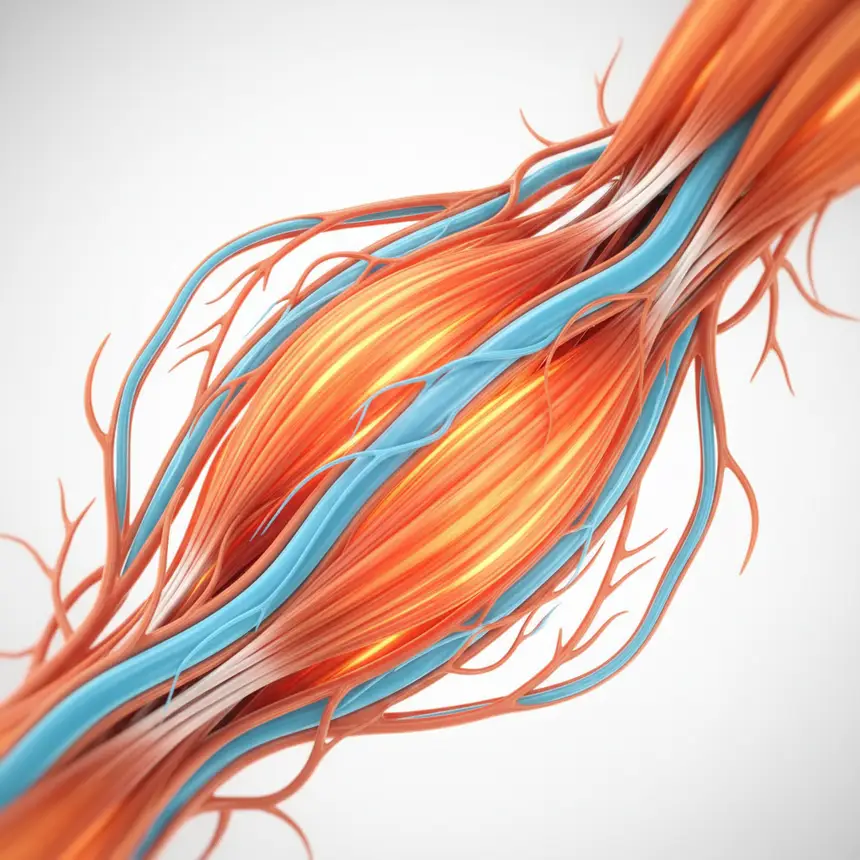
When your body transitions from a state of rest to intense activity, a series of physiological changes must occur to ensure safety and efficiency. A primary change involves increasing muscle temperature. Cold muscles are less pliable, much like a rubber band stored in the freezer—they're stiff and prone to tearing. A gradual warm-up gently elevates muscle temperature, which in turn enhances blood circulation. This increased blood flow delivers vital oxygen and nutrients to your muscles more effectively, making muscle fibers more elastic and allowing for a greater range of motion.
Furthermore, your heart rate and respiratory rate need to ascend gradually. An abrupt shift to high-intensity exercise can place undue stress on your cardiovascular system, potentially causing a sudden spike in blood pressure, dizziness, or headaches. Think of it as a jet plane needing a full runway to gain speed before takeoff; your body requires similar preparation time to adapt. Warm-ups progressively activate these bodily systems, minimizing potential risks during your main workout. The nervous system also benefits, sharpening the communication pathways between your brain and muscles, thereby improving coordination and reaction time.
Furthermore, your heart rate and respiratory rate need to ascend gradually. An abrupt shift to high-intensity exercise can place undue stress on your cardiovascular system, potentially causing a sudden spike in blood pressure, dizziness, or headaches. Think of it as a jet plane needing a full runway to gain speed before takeoff; your body requires similar preparation time to adapt. Warm-ups progressively activate these bodily systems, minimizing potential risks during your main workout. The nervous system also benefits, sharpening the communication pathways between your brain and muscles, thereby improving coordination and reaction time.
※ This post contains affiliate links. I may earn a commission at no extra cost to you.


Crafting an Effective Warm-Up Routine for Enhanced Performance
An effective warm-up doesn't demand complex maneuvers or a significant time commitment. The goal is to gently engage your major joints and muscle groups, preparing them for the work ahead. Here’s a straightforward warm-up routine anyone can incorporate:
- Light Cardio (5 minutes): Begin with activities like walking in place, light jogging, or shadow boxing. The aim is to slowly elevate your heart rate and feel your body begin to warm up.
- Dynamic Stretching (5-7 minutes):
- Arm Circles: Loosen up your shoulder joints. Perform 5 forward and 5 backward circles.
- Leg Swings: Increase hip mobility. Hold onto a wall and swing each leg forward/backward 5-10 times, then side-to-side 5-10 times.
- Torso Twists: Improve core and spinal flexibility. Gently twist your upper body left and right from a standing position.
- Walking Lunges or Bodyweight Squats: Activate the primary muscles you'll use in your main workout. Perform 5-10 repetitions light and controlled.

Building Smart Habits for Safer and More Enjoyable Workouts
A warm-up is more than just a physical preparation; it's a signal to your body, a gentle announcement that it’s time to switch gears into activity mode. This brief period of readiness can significantly prevent sudden aches, muscle cramps during your main workout, and positively impact post-exercise fatigue and recovery time. This is precisely why professional athletes never skip their pre-game warm-ups—they understand its critical role in maximizing performance and averting injuries.
Committing to a regular warm-up routine is akin to investing in an exercise insurance policy. While you might not see dramatic changes overnight, over the long term, it extends your athletic lifespan and builds a solid foundation, allowing you to safely tackle higher intensity workouts. Starting today, dedicate at least five minutes before each session to awaken your body. This practice not only offers physical benefits but also enhances mental focus, preparing you psychologically for the task at hand. By making this small investment in your body, you’ll unlock a healthier, more vibrant, and ultimately more rewarding fitness journey.
Committing to a regular warm-up routine is akin to investing in an exercise insurance policy. While you might not see dramatic changes overnight, over the long term, it extends your athletic lifespan and builds a solid foundation, allowing you to safely tackle higher intensity workouts. Starting today, dedicate at least five minutes before each session to awaken your body. This practice not only offers physical benefits but also enhances mental focus, preparing you psychologically for the task at hand. By making this small investment in your body, you’ll unlock a healthier, more vibrant, and ultimately more rewarding fitness journey.
Frequently Asked Questions
Q. How long should I warm up for an effective session?
A. Generally, 5 to 15 minutes is sufficient. The ideal duration can vary depending on the intensity and type of your main workout, as well as your personal physical condition. The key is to feel your body getting warm and your joints becoming more fluid.
Q. Are warm-ups and stretching the same thing?
A. Warm-ups are the process of raising your body temperature and heart rate to prepare for exercise, often incorporating dynamic stretches. Static stretching, on the other hand, involves holding a stretch to improve flexibility and is typically recommended after your main workout or as a separate session. Dynamic movements are more effective for a pre-workout warm-up.
Q. Do I really need to warm up every time, or can I occasionally skip it?
A. For safe and effective exercise, it's highly recommended to warm up every time you work out. It's especially crucial before high-intensity workouts or when trying new exercises. Even a short warm-up consistently performed can significantly reduce the risk of injury and improve workout efficiency.
Q. Should I warm up longer in cold weather?
A. Yes, in colder temperatures, your body may require more time to elevate its core temperature. It's advisable to extend your warm-up by 5-10 minutes compared to normal. Dressing in layers to maintain body heat can also be beneficial.
Q. What are the most common injuries if I skip warming up?
A. Without a proper warm-up, common acute injuries include muscle strains, ligament sprains, joint pain, and in severe cases, muscle tears. Additionally, the cardiovascular system can be unduly stressed, increasing the risk of heart-related issues.