Discover effective ways to build strength for a toned body and energetic daily life. Learn how to strengthen muscles efficiently with proper form, progressive overload, balanced nutrition, and adequate rest.

Feeling Underpowered Despite Regular Workouts? It Might Be Your Strength
Have you ever felt like your consistent exercise routine isn't quite delivering the results you hoped for? You hit the gym, follow home workout videos, yet climbing a flight of stairs still leaves you breathless, or carrying groceries makes your arms tremble. If you find yourself easily fatigued or experiencing back stiffness from sitting for too long, these could be signs of insufficient foundational strength. It's time to look beyond just weight loss and adopt the right approach to building muscle strength for a more toned and vigorous body.

The Impact of Low Muscle Strength on Your Body
When people hear 'muscle strength,' they often picture bodybuilders with massive physiques. However, muscle strength isn't just about showing off; it's the vital ability that supports our body and enables every movement in our daily lives. When strength diminishes, our bodies face several challenges. Firstly, posture can suffer, leading to issues like 'tech neck' or rounded shoulders, which often cause discomfort in the neck, shoulders, and lower back. Additionally, even minor activities can cause easy fatigue, reducing overall physical activity and contributing to a sense of lethargy. Understanding this crucial role of muscle strength is the first step in effective strength building.
※ This post contains affiliate links. I may earn a commission at no extra cost to you.


Key Principles for Efficient Muscle Development
To effectively build muscle strength, you need to understand and apply a few core principles. Above all, 'proper form' is paramount. Instead of lifting heavy weights prematurely, focus on executing fundamental movements like bodyweight squats, lunges, and push-ups with precise form. Concentrate on feeling the muscle engagement, which prevents injuries and maximizes exercise effectiveness. Next is the principle of 'progressive overload.' Muscles won't grow if they aren't continually challenged. Aim to gradually increase the weight by 5-10% or boost your reps and sets every 2-4 weeks. Lastly, 'sufficient protein intake' is essential for muscle growth. After workouts, your muscle fibers need ample protein to repair and rebuild stronger. Consuming high-quality protein sources like chicken breast, eggs, tofu, and Greek yogurt balanced across your meals is crucial.

Implementing a Strength Training Routine and Lifestyle Habits
Consistency is king when it comes to strength training. Instead of aiming for an ambitious five-plus workouts a week from the start, it's far more effective to consistently commit to shorter sessions, perhaps 30 minutes, three times a week. For instance, you could dedicate Monday to lower body, Wednesday to upper body, and Friday to a full-body workout. Furthermore, 'adequate rest' is as crucial as the workout itself for muscle growth. Muscles typically require around 48 hours to recover, so avoid working the same muscle group on consecutive days. On rest days, light stretching or walking can aid circulation. Ensure 7-8 hours of quality sleep nightly to give your body ample time to recover fully. Integrating these routines into your daily life is how you effectively build strength.
Patience and Persistence Lead to Tangible Results
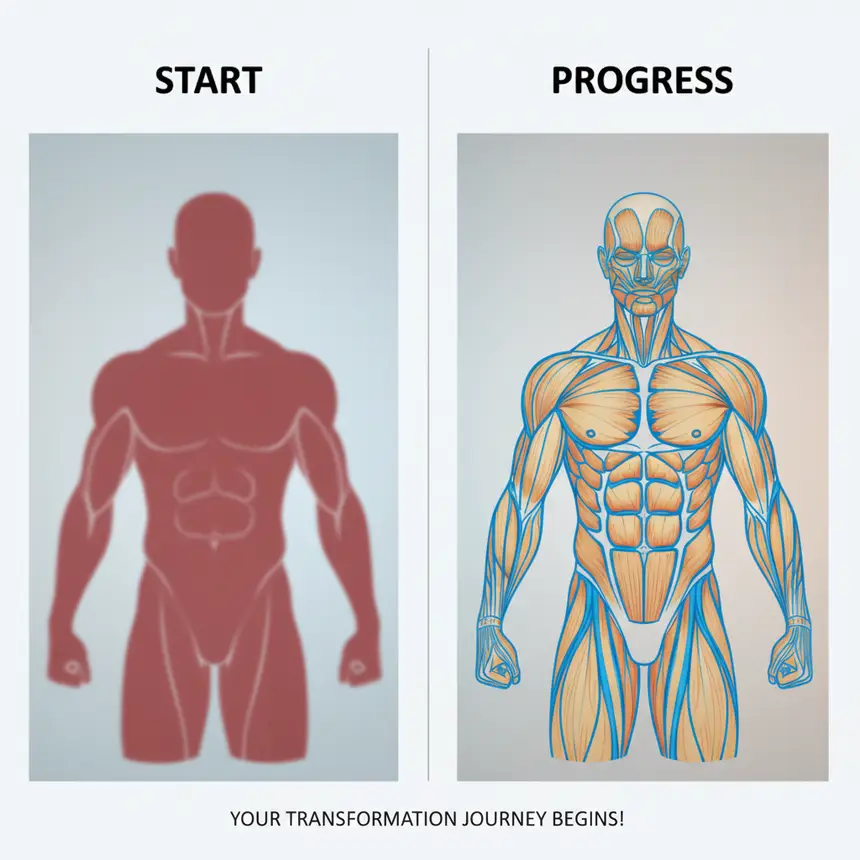
Building muscle strength is a marathon, not a sprint. You might feel discouraged if you don't see noticeable changes in the first month or two. However, muscles typically begin to show visible growth only after 6 to 8 weeks of consistent stimulation. Don't rush the process; instead, celebrate moving one more rep or one more set than you did yesterday. The most important thing isn't setting grand goals, but rather 'just starting' and 'not giving up.' With consistent effort, you will undoubtedly discover a stronger, more vibrant version of yourself. If you're reading this and deciding to start your fitness journey, you're already halfway there. We wholeheartedly support your healthy transformation!
Frequently Asked Questions
Q. I'm a beginner to strength training. Where should I start?
A. Begin with foundational compound exercises like bodyweight squats, lunges, push-ups, and planks. Focus on mastering proper form by observing yourself in a mirror, and consider professional guidance if needed.
Q. Is it normal to experience severe muscle soreness after strength training?
A. Mild muscle soreness is a natural part of muscle growth, but if the pain is severe or lasts for several days, ensure you're getting enough rest and adjust your workout intensity. Stretching and massage are also important for injury prevention.
Q. Can I lose weight effectively just by doing strength training?
A. Strength training builds muscle mass, which boosts your basal metabolic rate, making it very effective for long-term fat loss. Combining it with cardiovascular exercises and a healthy diet will lead to much more efficient weight management.
Q. Why is protein intake so crucial after a workout?
A. Protein plays a key role in repairing and rebuilding muscle fibers damaged during strength training. Consuming quality protein within 30-60 minutes post-workout significantly aids muscle recovery and growth.
Q. Can I build significant strength through home workouts alone?
A. Absolutely! Bodyweight exercises can be very effective for strength development if you consistently increase their intensity. Incorporating light equipment like resistance bands, dumbbells, or kettlebells can add variety and challenge. Consistency is key.