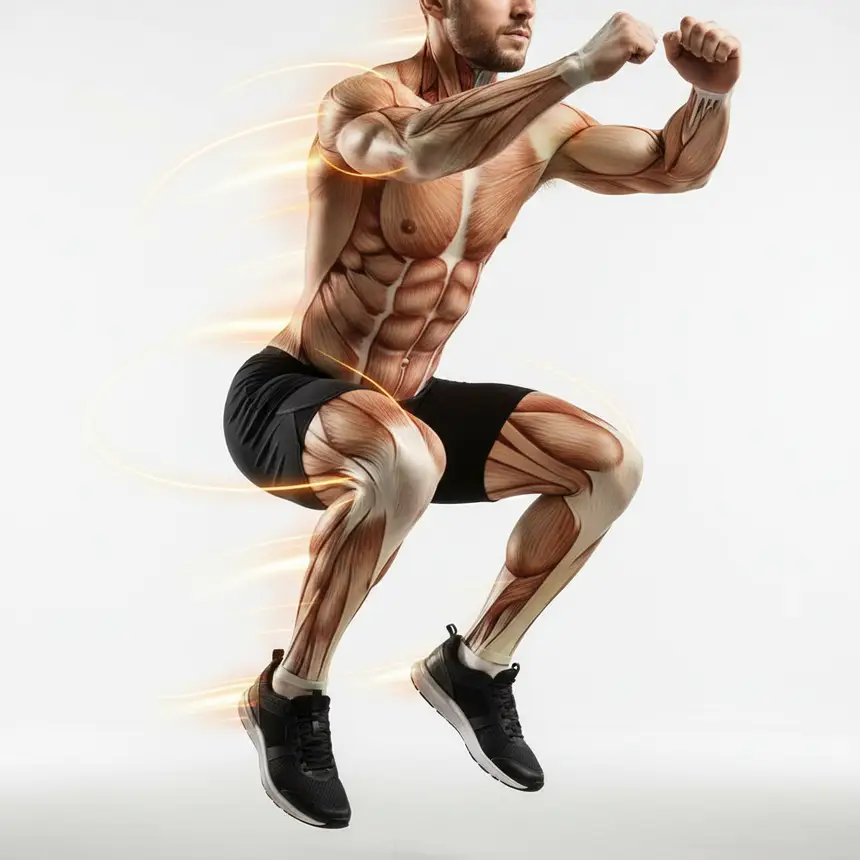
Tired of discomfort from rounded shoulders? This blog explores the impact of rounded shoulders on daily life and health, then guides you through the 'Wall Angel' exercise to reclaim proper posture at home. Discover effective tips for relieving shoulder tension and improving your alignment.

Why You Can't Ignore Rounded Shoulders Anymore
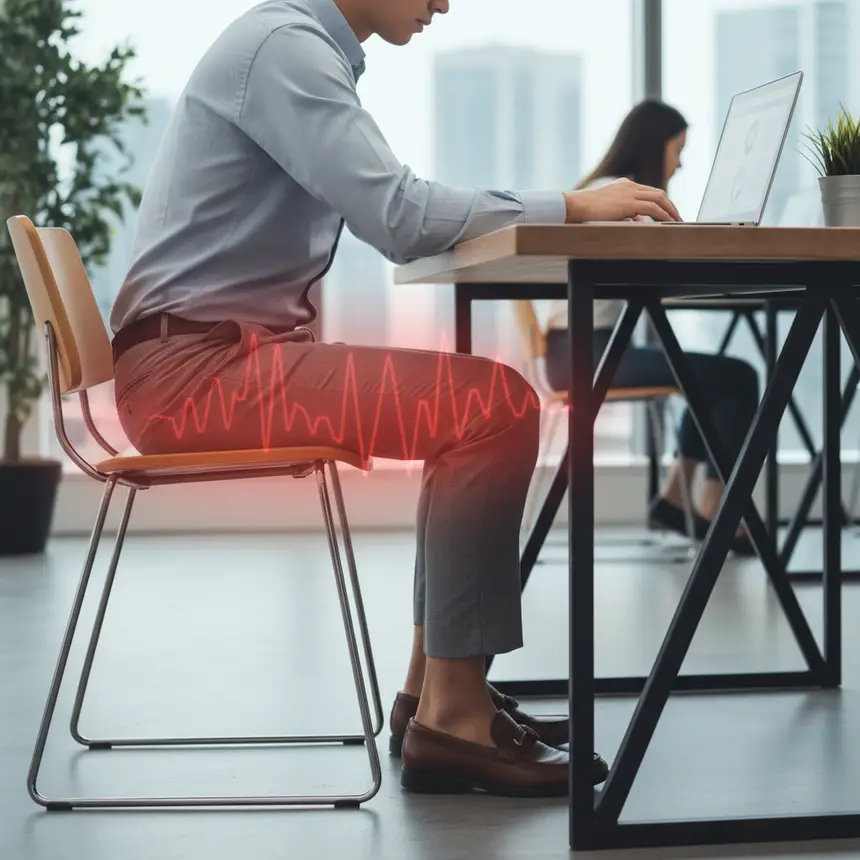
Rounded shoulders, often a result of modern lifestyles and constant tech use, are more than just a cosmetic concern. This common postural issue, where your shoulders slump forward and your upper back rounds, can significantly impact your physical health and overall confidence. Prolonged periods of sitting, especially hunched over computers or smartphones, can lead to muscle imbalances that pull your shoulders out of alignment. This isn't just about looking less confident; it creates unnecessary tension in your neck and upper back, which can easily escalate into chronic discomfort.When your shoulders are rounded, it often co-occurs with a forward head posture. This combination can lead to an uneven development of neck and shoulder muscles, potentially making your neck appear thicker or causing your chest to look sunken. Such postural deviations can restrict the range of motion in your joints, making simple movements like reaching overhead or behind your back feel difficult or painful. Beyond daily inconvenience, this misalignment can compromise your performance during workouts and increase the risk of injuries. Furthermore, a collapsed chest can lead to shallower breathing and reduced oxygen intake, potentially contributing to fatigue and difficulty concentrating.
Your At-Home Guide to Shoulder Alignment: The Wall Angel
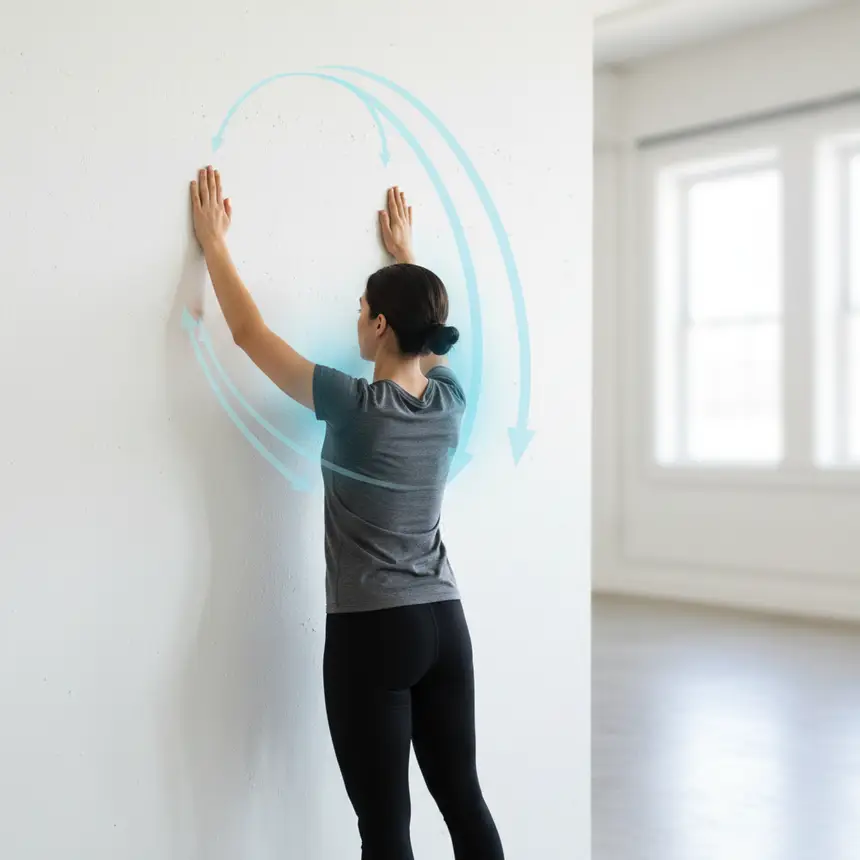
One of the most effective and accessible exercises to combat rounded shoulders and reclaim proper posture is the 'Wall Angel.' This movement, named for its resemblance to a snow angel performed against a wall, is excellent for improving shoulder mobility and activating your upper back muscles, which are crucial for postural correction.Step 1: Set Your Foundation
Stand with your back pressed firmly against a wall. Ensure your heels, glutes, upper back, and the back of your head are all touching the wall. Slightly bend your knees to help flatten your lower back against the wall, preventing an excessive arch. Engaging your core gently during this step will enhance stability.Step 2: Position Your Arms
Raise your arms out to the sides, bending your elbows at a 90-degree angle. Try to keep the back of your hands, elbows, and shoulders as close to the wall as possible. It's crucial not to force them against the wall if it causes pain or compromises your posture. It's perfectly fine if they don't touch initially; focus on gentle approximation within your comfortable range of motion.Step 3: Spread Your Wings
Slowly slide your arms upwards along the wall, mimicking an angel spreading its wings. Maintain contact with the wall as much as possible with your elbows and the back of your hands. Lift your arms until they are near your ears, then slowly lower them back to the starting position. Repeat this movement for 3-5 repetitions, completing 2-3 sets. If you find your arms lifting off the wall due to tightness in your shoulders or chest, don't push it. Work within your current range of motion to prevent strain.
Stand with your back pressed firmly against a wall. Ensure your heels, glutes, upper back, and the back of your head are all touching the wall. Slightly bend your knees to help flatten your lower back against the wall, preventing an excessive arch. Engaging your core gently during this step will enhance stability.Step 2: Position Your Arms
Raise your arms out to the sides, bending your elbows at a 90-degree angle. Try to keep the back of your hands, elbows, and shoulders as close to the wall as possible. It's crucial not to force them against the wall if it causes pain or compromises your posture. It's perfectly fine if they don't touch initially; focus on gentle approximation within your comfortable range of motion.Step 3: Spread Your Wings
Slowly slide your arms upwards along the wall, mimicking an angel spreading its wings. Maintain contact with the wall as much as possible with your elbows and the back of your hands. Lift your arms until they are near your ears, then slowly lower them back to the starting position. Repeat this movement for 3-5 repetitions, completing 2-3 sets. If you find your arms lifting off the wall due to tightness in your shoulders or chest, don't push it. Work within your current range of motion to prevent strain.
※ This post contains affiliate links. I may earn a commission at no extra cost to you.

Maximizing Your Results: Tips and Who Benefits Most
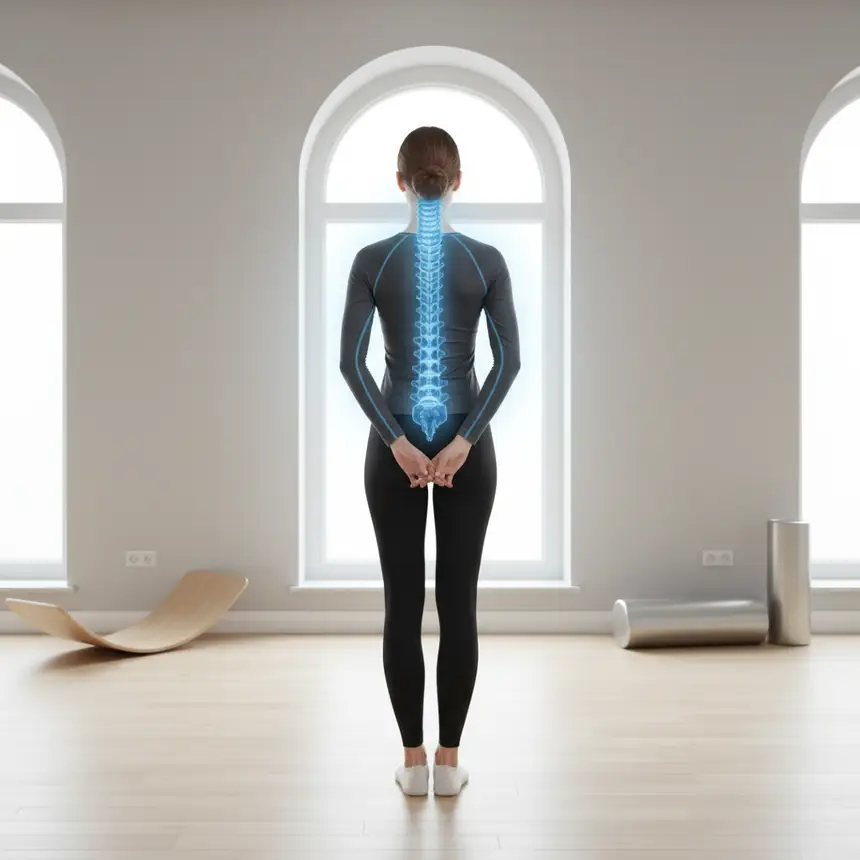
To get the most out of the Wall Angel exercise, keep a few key tips and considerations in mind. Consistency is paramount; performing this exercise for a short period daily will yield better results than infrequent, longer sessions. During the exercise, focus on engaging your core to prevent your lower back from arching excessively, and concentrate on a deep, expansive breath as you open your chest. Don't be discouraged if your arms don't initially stay flat against the wall. The goal is gradual improvement in your range of motion. If you experience any pain, stop immediately and rest. Pushing through pain can lead to injury.This exercise is particularly beneficial for individuals who:
Work at a desk: Those who spend long hours at a computer and have developed a forward head posture or rounded shoulders.
Have postural imbalances: Anyone struggling with misaligned shoulders or thoracic spine issues.
Need pre/post-workout stretching: Ideal for warming up before upper body workouts or as a cool-down to improve shoulder mobility.
Seek pain-free mobility: Individuals looking to enhance shoulder flexibility without putting excessive strain on the joints.Simple yet profoundly effective, consistent practice of the Wall Angel can significantly improve rounded shoulders and overall posture. Start incorporating this exercise into your daily routine today to cultivate a healthier, more confident stance.
Work at a desk: Those who spend long hours at a computer and have developed a forward head posture or rounded shoulders.
Have postural imbalances: Anyone struggling with misaligned shoulders or thoracic spine issues.
Need pre/post-workout stretching: Ideal for warming up before upper body workouts or as a cool-down to improve shoulder mobility.
Seek pain-free mobility: Individuals looking to enhance shoulder flexibility without putting excessive strain on the joints.Simple yet profoundly effective, consistent practice of the Wall Angel can significantly improve rounded shoulders and overall posture. Start incorporating this exercise into your daily routine today to cultivate a healthier, more confident stance.
Frequently Asked Questions
Q. What causes rounded shoulders?
A. Rounded shoulders are primarily caused by modern lifestyle factors such as prolonged sitting, habitually looking down at smartphones, improper exercise form, and muscle stiffness due to stress. These habits create muscle imbalances in the shoulders and upper back, leading to the forward-slumping posture.
Q. How often should I do the 'Wall Angel' exercise for best results?
A. For optimal results, it's most effective to perform the 'Wall Angel' exercise daily. We recommend dedicating about 5-10 minutes each day, completing 2-3 sets. Consistent practice is key to improving posture and shoulder mobility.
Q. What should I do if I feel pain during the exercise?
A. If you experience any pain during the exercise, stop the movement immediately and rest. Pushing through pain can exacerbate injuries. Always move gently within your comfortable range of motion, and consider seeking guidance from a fitness professional if needed.
Q. What problems can arise if rounded shoulders are left unaddressed?
A. Leaving rounded shoulders unaddressed can lead to a host of health issues, including forward head posture, chronic neck and shoulder pain, headaches, reduced joint mobility, compromised breathing function, and an increased risk of injury during physical activity. Addressing it early can significantly improve your overall quality of life.
Q. Are there other beneficial stretches for rounded shoulders besides the 'Wall Angel'?
A. Yes, in addition to the 'Wall Angel,' other beneficial exercises for improving rounded shoulders include chest stretches, rhomboid strengthening exercises, and latissimus dorsi stretches. Consulting with a fitness expert can help you create a personalized routine that best suits your needs.