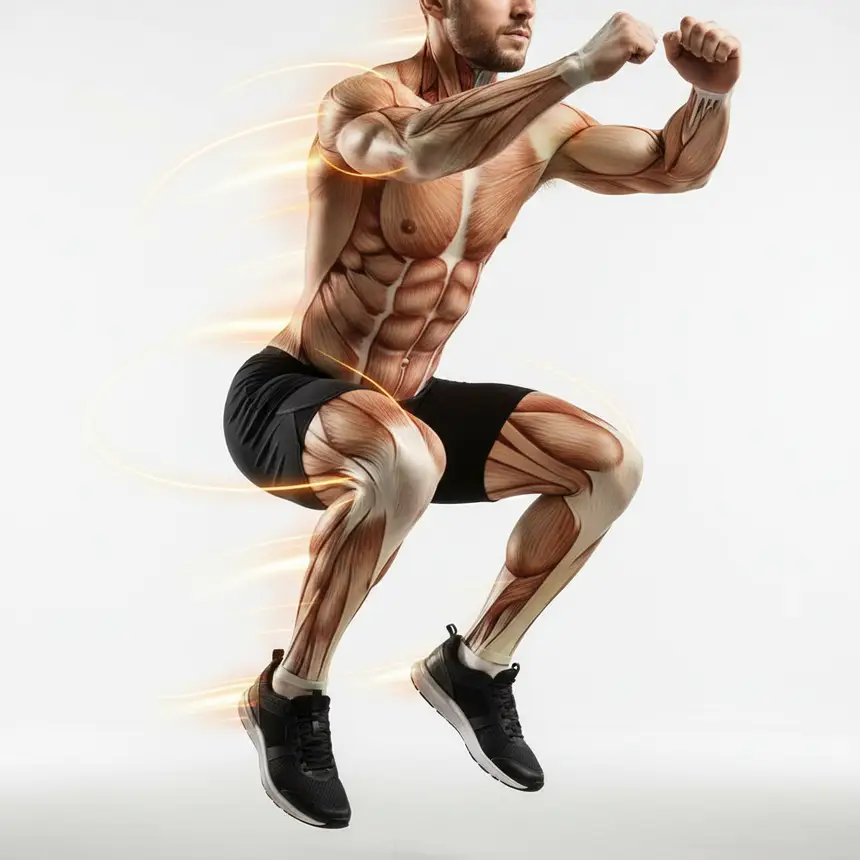
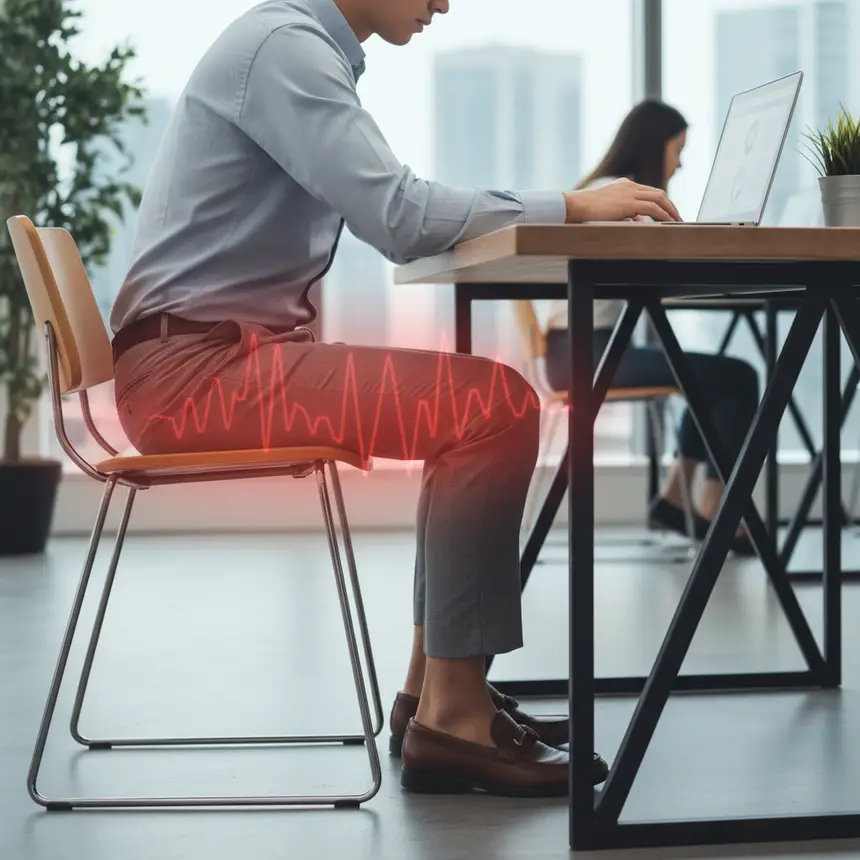
Tired of chronic pain and poor posture caused by rounded shoulders? This article details the causes of slouched posture, effective shoulder stretches, and the Wall Angel exercise. Learn how to practice daily at home to regain healthy alignment.

Modern Living's Common Ailment: When Rounded Shoulders Affect Your Life
In our digitally driven world, countless hours spent hunched over computers or smartphones have made rounded shoulders—often called "slouching" or "hunchback"—a pervasive issue. This posture, where shoulders roll forward and the upper back rounds, isn't just about appearance. It triggers a cascade of physical problems, diminishing your quality of life. Ignoring it can lead to chronic pain, impaired breathing, and reduced athletic performance. A healthy shoulder alignment is fundamental to your entire body's well-being.
Postural Imbalance, Chronic Pain, and Functional Decline
Rounded shoulders disrupt your body's natural balance, often causing a forward head posture. This creates excessive tension in neck and shoulder muscles, resulting in a thick neck line or a slumped chest. Persistent abnormal pressure on shoulder joints, neck, and upper back commonly leads to chronic myofascial pain, including neck stiffness, shoulder aches, scapular pain, and headaches. Moreover, a constricted rib cage and limited diaphragm movement can lead to shallow breathing, causing fatigue and poor concentration. For active individuals, misaligned shoulders can decrease workout effectiveness and increase injury risk in exercises like bench presses or overhead presses.
Postural Imbalance, Chronic Pain, and Functional Decline
Rounded shoulders disrupt your body's natural balance, often causing a forward head posture. This creates excessive tension in neck and shoulder muscles, resulting in a thick neck line or a slumped chest. Persistent abnormal pressure on shoulder joints, neck, and upper back commonly leads to chronic myofascial pain, including neck stiffness, shoulder aches, scapular pain, and headaches. Moreover, a constricted rib cage and limited diaphragm movement can lead to shallow breathing, causing fatigue and poor concentration. For active individuals, misaligned shoulders can decrease workout effectiveness and increase injury risk in exercises like bench presses or overhead presses.
Unpacking the Causes of Rounded Shoulders and an Effective Solution: The Wall Angel
Rounded shoulders primarily stem from muscle imbalances caused by prolonged static postures, extensive smartphone and computer use, and insufficient post-exercise stretching. Specifically, the chest muscles often become tight and shortened, while the upper back muscles weaken and lengthen, pulling the shoulders forward. Thankfully, these postural imbalances can be significantly improved with proper awareness and consistent exercise. Among various corrective movements, the "Wall Angel" exercise stands out as a highly effective choice for restoring shoulder health.
The Remarkable Benefits and Step-by-Step Guide to the Wall Angel Exercise
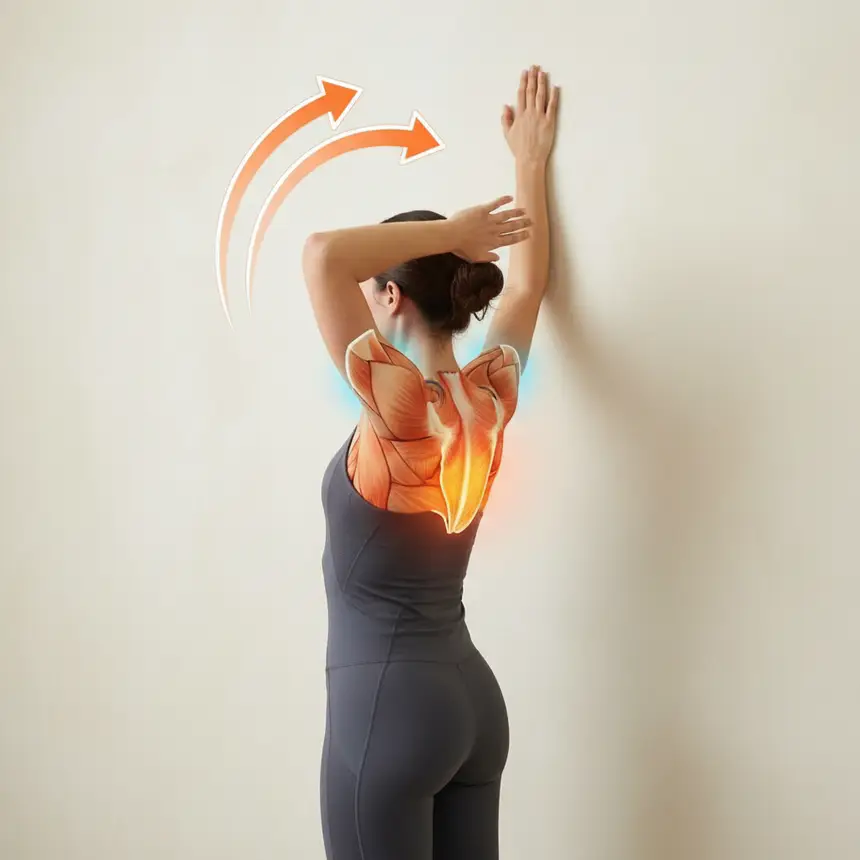
The Wall Angel is an excellent exercise for increasing shoulder joint mobility and correcting rounded back and forward head posture. Performed against a wall, mimicking an angel spreading its wings, this movement helps realign the thoracic spine and shoulders, activating weakened upper back muscles (like the rhomboids and trapezius) to improve overall posture. It also enhances proprioception, helping you identify and correct your body's asymmetries against the wall, while simultaneously training core and spinal stability.
Here’s how to perform the Wall Angel:
1. Stand with your back flat against a wall, ensuring your heels, glutes, entire back, and head are touching the surface. Slightly bend your knees for comfort and better wall contact.
2. Bend your elbows to 90 degrees, aiming to have your forearms, elbows, and shoulders all touching the wall. If they don't fully touch, don't force it; gently aim for contact within your comfortable range of motion.
3. Keeping your arms in contact with the wall, slowly raise both arms overhead, as if an angel is spreading its wings. Lift them until your hands are near your ears, then slowly lower them back to the starting position.
4. Repeat this movement for 3-5 repetitions, completing 2-3 sets.
The Remarkable Benefits and Step-by-Step Guide to the Wall Angel Exercise
The Wall Angel is an excellent exercise for increasing shoulder joint mobility and correcting rounded back and forward head posture. Performed against a wall, mimicking an angel spreading its wings, this movement helps realign the thoracic spine and shoulders, activating weakened upper back muscles (like the rhomboids and trapezius) to improve overall posture. It also enhances proprioception, helping you identify and correct your body's asymmetries against the wall, while simultaneously training core and spinal stability.
Here’s how to perform the Wall Angel:
1. Stand with your back flat against a wall, ensuring your heels, glutes, entire back, and head are touching the surface. Slightly bend your knees for comfort and better wall contact.
2. Bend your elbows to 90 degrees, aiming to have your forearms, elbows, and shoulders all touching the wall. If they don't fully touch, don't force it; gently aim for contact within your comfortable range of motion.
3. Keeping your arms in contact with the wall, slowly raise both arms overhead, as if an angel is spreading its wings. Lift them until your hands are near your ears, then slowly lower them back to the starting position.
4. Repeat this movement for 3-5 repetitions, completing 2-3 sets.
- Tip: Initially, tight shoulder or chest muscles might make it difficult to keep your arms on the wall. Focus on moving within a pain-free range. Engage your core gently to prevent your lower back from arching excessively.
※ This post contains affiliate links. I may earn a commission at no extra cost to you.

Sustained Practice and Important Considerations for Healthy Shoulders
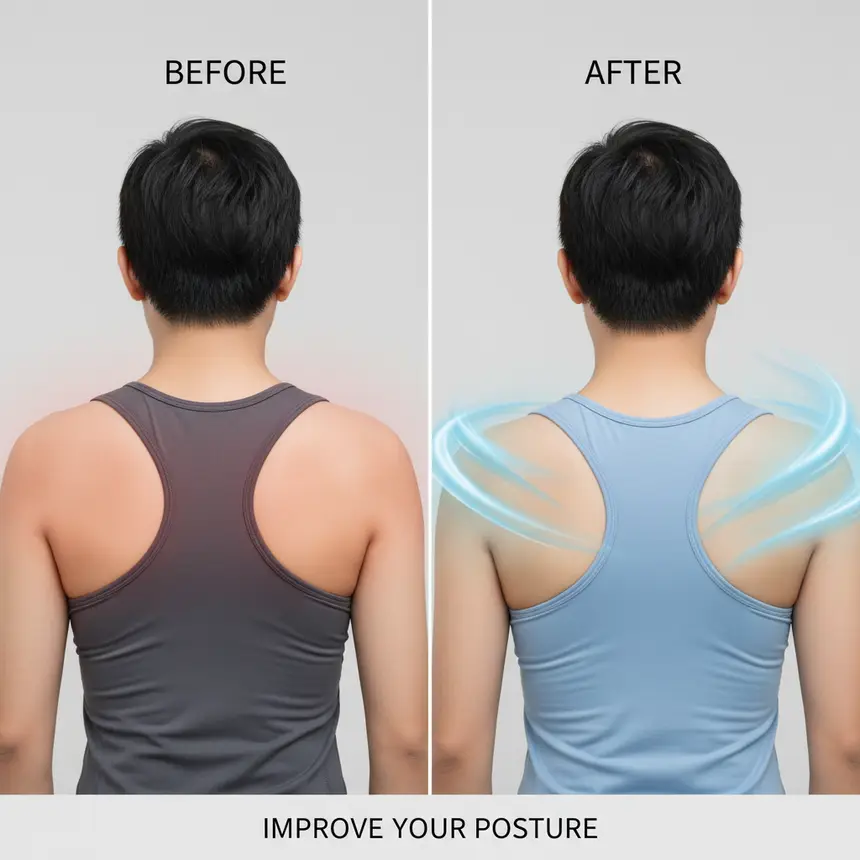
Effectively correcting rounded shoulders and maintaining proper posture demands consistent effort and lifestyle adjustments. Incorporating effective stretches like the Wall Angel into your daily routine is crucial. Beyond just performing the exercises, developing a conscious awareness of your body and actively striving for good posture will drive lasting positive changes. Consistent dedication is the key to reclaiming not only better posture but also overall physical vitality.
The Path to Change: Consistency and Personal Pace
Rounded shoulders don't disappear overnight. Consistent daily practice of exercises like the Wall Angel is paramount. Dedicate a short period, perhaps 10 minutes each morning or evening, to make it a routine. Regularity will gradually enhance shoulder joint mobility, strengthen weakened back muscles, and improve thoracic and shoulder alignment. Always tailor your exercise intensity to your body's current state. If you're new to these exercises or have shoulder pain, start slowly, staying within a pain-free range. Don't force your arms onto the wall; focus on gradual improvements in your range of motion. If pain arises, stop immediately and seek professional advice to prevent injury and ensure effective progress.
Cultivating Shoulder-Friendly Habits in Daily Life
Beyond formal exercises, fostering shoulder-friendly habits throughout your day is essential. Take regular stretch breaks if you sit for long periods. Adjust your computer monitor to eye level and strive to avoid excessively looking down at your smartphone. Small environmental tweaks can significantly impact your posture. These mindful efforts collectively prevent future slouching and contribute to maintaining healthy body alignment for the long term.
The Path to Change: Consistency and Personal Pace
Rounded shoulders don't disappear overnight. Consistent daily practice of exercises like the Wall Angel is paramount. Dedicate a short period, perhaps 10 minutes each morning or evening, to make it a routine. Regularity will gradually enhance shoulder joint mobility, strengthen weakened back muscles, and improve thoracic and shoulder alignment. Always tailor your exercise intensity to your body's current state. If you're new to these exercises or have shoulder pain, start slowly, staying within a pain-free range. Don't force your arms onto the wall; focus on gradual improvements in your range of motion. If pain arises, stop immediately and seek professional advice to prevent injury and ensure effective progress.
Cultivating Shoulder-Friendly Habits in Daily Life
Beyond formal exercises, fostering shoulder-friendly habits throughout your day is essential. Take regular stretch breaks if you sit for long periods. Adjust your computer monitor to eye level and strive to avoid excessively looking down at your smartphone. Small environmental tweaks can significantly impact your posture. These mindful efforts collectively prevent future slouching and contribute to maintaining healthy body alignment for the long term.
Frequently Asked Questions
Q. Why do people get rounded shoulders?
A. Rounded shoulders typically result from muscle imbalances. Prolonged sitting, excessive phone use, and insufficient stretching after exercise can tighten chest muscles while weakening upper back muscles, causing shoulders to pull forward.
Q. Is it okay to do the Wall Angel exercise daily?
A. Yes, the Wall Angel is a relatively low-impact posture correction exercise, so daily practice is often recommended for consistent improvement. However, if you experience any pain, rest or consult a fitness professional.
Q. How long does it take to correct rounded shoulders?
A. The timeframe varies depending on individual posture imbalance and consistency of practice. Generally, consistent effort over several weeks to a few months is needed. You might start noticing changes after about 4 weeks.
Q. Are there other at-home exercises for posture correction besides the Wall Angel?
A. Absolutely. Exercises like Push-up Plus, Band Pull-aparts, and thoracic mobility stretches can also help correct rounded shoulders. Combining them with the Wall Angel can be even more effective.
Q. Should I see a professional if my rounded shoulders are severe?
A. If you experience chronic, severe pain or if your posture imbalance significantly impacts your daily life, it's advisable to consult a qualified fitness professional, physical therapist, or doctor for a proper assessment and personalized guidance.