Can't resist those late-night cravings? Discover the real reasons behind your evening hunger beyond just willpower. Learn practical, healthy strategies to manage your night eating habits effectively.

The Evening Temptation: Battling Uncontrollable Night Eating Habits
Many of us find ourselves locked in a nightly struggle with cravings that seem impossible to ignore. After a long day, when you should be winding down, your stomach might feel empty, and an intense urge to eat something begins to build. Often, it's not genuine hunger but a desire to simply snack or 'fill a void,' leading to late-night trips to the kitchen and subsequent regrets the next morning. It's easy to dismiss these night eating habits as a mere lack of willpower. However, the truth is, they're often deeply rooted in our complex biological rhythms and the various environmental factors of modern life. Consuming excessive food right before bedtime can lead to a host of health issues, including digestive discomfort, disrupted sleep quality, and unwanted weight gain. If you've been grappling with persistent evening hunger, it's time to understand its true causes and explore practical strategies to manage it healthily.
Why Do We Get So Hungry at Night? Unpacking the Hidden Reasons Behind Evening Cravings
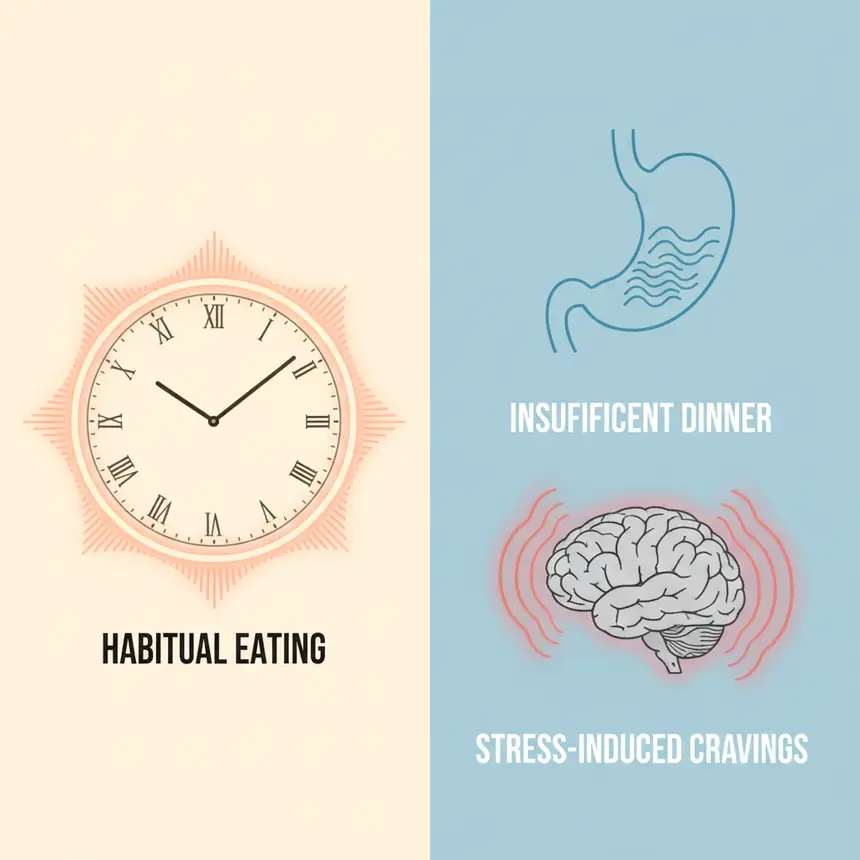
The powerful urge to eat at night stems from several key factors. First, our bodies are incredibly adept at forming habits. If you consistently eat at specific times, your brain can begin to associate those times with 'mealtime,' sending hunger signals regardless of your actual energy needs. For instance, if snacking at 10 PM is a daily routine, your brain might conditionally trigger a desire for food as that hour approaches. Second, the timing and quantity of your dinner play a crucial role. Eating your evening meal too early or not making it substantial enough can result in a long fasting period before bed, naturally leading to a resurgence of hunger late at night. Diets lacking in protein and fiber, in particular, struggle to maintain satiety, leaving you vulnerable to late-night temptations. Third, emotional factors, especially stress, are significant contributors. The stress and anxiety accumulated throughout a busy day often lead us to seek comfort and reward in the evening, frequently through food. This isn't just physical hunger but 'emotional hunger,' which often drives intense cravings for sugary or salty, highly palatable foods, easily cementing unhealthy night eating patterns.
※ This post contains affiliate links. I may earn a commission at no extra cost to you.


Practical Strategies to Conquer Evening Cravings: Adjusting Your Diet and Lifestyle Rhythm
Transforming late-night eating habits requires a strategic approach that goes beyond simply trying to 'power through' with willpower. The goal is to help your body establish a healthier rhythm.
- 1. Realign Your Dinner and Embrace a Balanced Meal: Aim to finish your dinner 3 to 4 hours before bedtime, avoiding eating too early. Your meal should be rich in protein (e.g., lean chicken, fish, tofu, legumes) and fiber-packed vegetables to promote lasting fullness. Incorporate a moderate amount of complex carbohydrates, such as brown rice or oats, to stabilize blood sugar levels and provide sustained energy.
- 2. Prioritize Regular Hydration: When you feel unnecessary hunger at night, try slowly sipping a warm glass of water or caffeine-free herbal tea. We often mistake thirst for hunger, and adequate fluid intake can provide a sense of fullness, helping to calm temporary cravings. Make it a habit to drink water consistently throughout the day.
- 3. Implement Stress Management and a Calming Bedtime Routine: Developing a relaxing pre-sleep routine is vital. This could include meditation, gentle stretching, a warm shower, or listening to soothing music. Reducing screen time and creating a serene bedroom environment can lower stress levels and improve sleep quality, which in turn helps reduce emotionally driven night cravings.
- 4. Discover Healthy Alternative Activities: If you're not physically hungry but feel the need to snack due to boredom or stress, redirect your attention to enjoyable activities unrelated to food. Consider reading a captivating book, listening to your favorite podcast, taking a short, leisurely walk, or calling a friend. These activities can distract you from cravings and help you unwind from the day's fatigue in a constructive way.

Your First Steps Towards Sustainable Change: Starting with Small Habits
Completely eliminating night eating habits all at once can be incredibly challenging and often leads to frustration. The key lies in consistency and sustainability, rather than striving for perfection. Instead of attempting to overhaul everything immediately, focus on making small, manageable changes and finding a pace that works for you. For instance, if you currently snack every night, try reducing it to 2-3 times a week, or swap high-calorie options like chips or ice cream for healthier, lighter choices such as a handful of nuts, plain yogurt, or cherry tomatoes. These gradual adjustments allow your body to adapt to new patterns and build positive experiences of success. Wisely managing your evening appetite isn't just about weight loss; it's about fostering better digestive health, achieving deeper, more restful sleep, and ultimately reclaiming overall vitality in your life. Start today by incorporating these tips into your routine and embark on your journey towards healthier nights. Small efforts can lead to profound changes.
Frequently Asked Questions
Q. Do I have to completely stop eating if I'm hungry at night?
A. Not necessarily. Forcing yourself to endure intense hunger can often backfire, making cravings even stronger. First, try drinking water or warm tea to distinguish between thirst and true hunger. If you're still hungry, a small, healthy snack (like a handful of nuts or some plain yogurt) at a reasonable hour is preferable to suffering or overeating later. The goal is smart management, not absolute deprivation.
Q. What are some healthy snack options for late-night cravings?
A. Excellent healthy options include low-fat plain yogurt, a small portion of nuts (almonds, walnuts), fresh vegetables like cherry tomatoes or cucumber slices, a hard-boiled egg, or even a protein shake. The key is to choose foods that are easy to digest and low in calories.
Q. What should I do if stress makes me crave food at night?
A. When stress triggers cravings, practice redirecting that energy towards non-food related activities. Engage in light stretching, deep breathing exercises, meditation, a warm bath, listening to calming music, or reading. Replacing the habit of using food to cope with stress with healthy relaxation techniques is crucial.
Q. Can I still see results if I don't completely eliminate night eating?
A. Absolutely! Even if you can't entirely cut out night eating, significantly reducing its frequency or swapping high-calorie indulgences for healthier, lower-calorie alternatives can lead to substantial positive changes. Small, consistent adjustments are powerful and accumulate over time, making gradual effort highly effective.