Discover the impact of foot health on overall balance and effective core strengthening exercises. Achieve healthy weight management and a vibrant lifestyle through proper posture correction routines.

H2. Unexplained Aches? Your Feet Might Be Sending Signals
Are you struggling with mysterious knee or lower back pain that seems to come out of nowhere? While you might attribute it to overexertion, the unexpected culprit could be your feet. Many individuals discover that their discomfort in the knees or back actually stems from an imbalance in their feet. As the foundational support system for our entire body, the feet are crucial for overall balance. Even minor misalignments there can create a chain reaction, affecting upper joints and muscles, leading to unforeseen pain. If you're looking to start a new fitness journey, especially for summer, or focus on posture correction, examining your foot health should be your first step.
H2. The Root of Our Body: The Importance of Foot Alignment
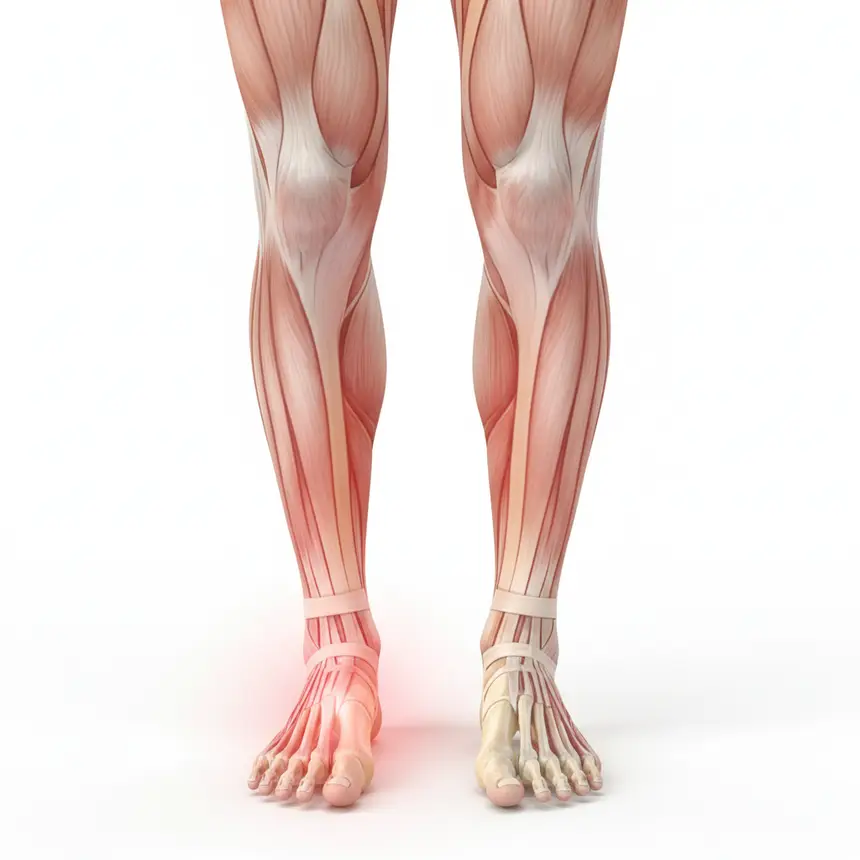
Our bodies are an intricate network of connections, and the feet serve as the starting point. The arch structure, toe alignment, and ankle stability form the basis for every movement, from walking to running. If your foot alignment is compromised—for instance, due to overly flat or high arches, or toe deformities—it can lead to uneven weight distribution. This, in turn, puts stress on your ankles, knees, hips, and even your spine. Such imbalances can cause certain muscles to overcompensate or weaken, exacerbating muscular imbalances and ultimately manifesting as chronic pain or postural deviations. Specifically, if you have early signs of conditions like bunions, where a part of your foot tends to curve outward, it can alter your gait and strain the opposite hip or lower back. Regularly checking your foot alignment and seeking a professional assessment if needed is a proactive step towards better health.
※ This post contains affiliate links. I may earn a commission at no extra cost to you.

H2. From Feet to Core: A Full-Body Routine for Holistic Balance
To restore foot health and improve overall body balance, it's essential to build fundamental strength through comprehensive full-body exercises, rather than just treating localized pain. Here's a routine designed to strengthen your feet, core, and entire body:
- Foot and Ankle Strengthening: Barefoot exercises such as picking up a towel with your toes, ankle circles, and lifting your foot arch activate the proprioceptors in your feet and strengthen small intrinsic muscles. Practicing balance while standing barefoot on a mat is particularly effective for improving foot stability.
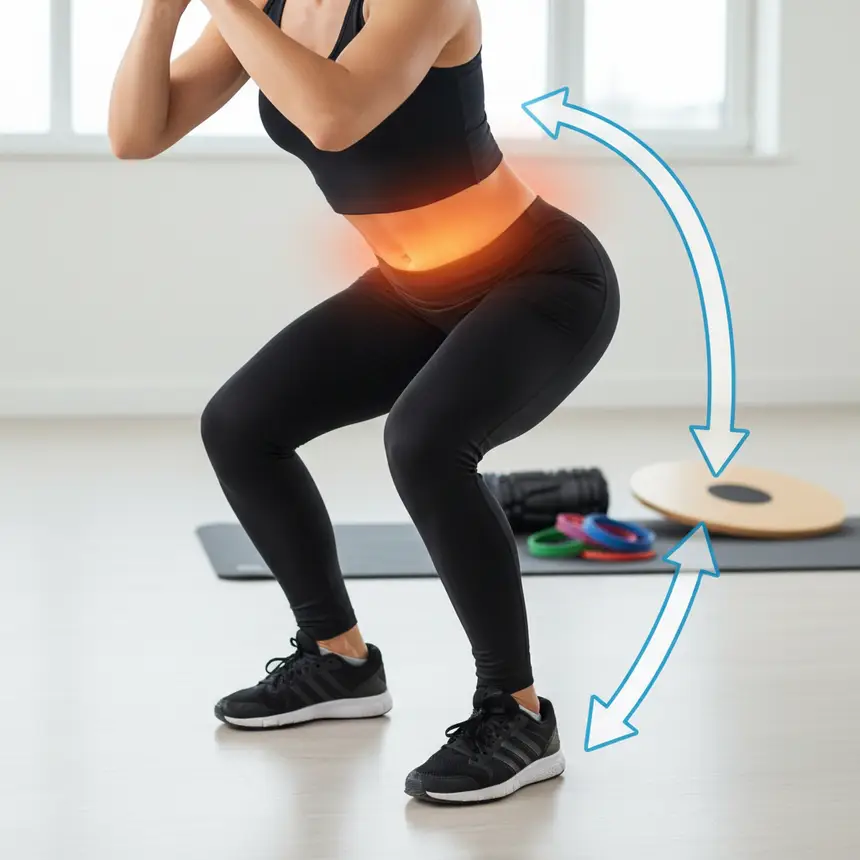
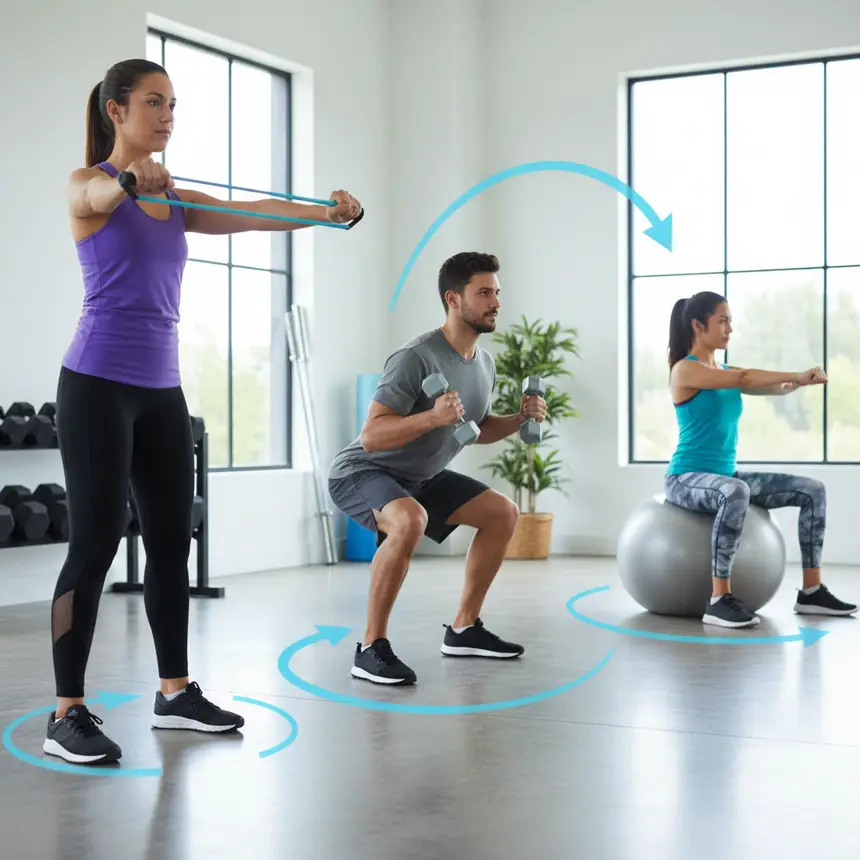
- Core and Hip Muscle Activation: Incorporate exercises like deadlifts and squats using light dumbbells or kettlebells. These movements simultaneously strengthen your core and gluteal muscles while enhancing your ability to maintain bodily control. Suspension trainer rows or planks effectively challenge your core stability and engage your back, shoulders, and arms for a full-body workout.
- Self-Myofascial Release: Utilize a massage ball or foam roller to release tension in your glutes, hamstrings, back, and even shoulder girdle muscles. This self-myofascial release improves muscle flexibility and promotes blood circulation, maximizing your workout benefits. Using a foam roller for core stability exercises is also highly recommended. These small tools are crucial for diverse foot movements and effective core training.
H2. Practical Guide for Sustainable Exercise Habits
When embarking on a new exercise routine, sustainability is paramount. To consistently work out amidst a busy schedule, a few strategies are key:
1. Set a Flexible Schedule: Opt for a system that allows you to exercise dynamically, rather than being restricted by fixed times. This could involve using a mobile app to book fitness classes that fit your schedule or setting up simple routines you can do at home.
2. Expert Guidance and Feedback: Foot health and posture correction exercises can be challenging for beginners. Choose beginner-friendly classes or programs that build foundational skills step-by-step. Create an environment where you can continuously monitor your form and receive feedback. Learning correct movements through demonstrations by experienced professionals and receiving corrections as needed is crucial for injury prevention and effective training.
3. Pre- and Post-Workout Care: After your workout, make it a habit to neatly put away and sanitize any equipment you used. A clean workout environment also positively influences your motivation for the next session. If facilities like restrooms and changing rooms are well-maintained, you'll find it even more pleasant to focus on your workout.
1. Set a Flexible Schedule: Opt for a system that allows you to exercise dynamically, rather than being restricted by fixed times. This could involve using a mobile app to book fitness classes that fit your schedule or setting up simple routines you can do at home.
2. Expert Guidance and Feedback: Foot health and posture correction exercises can be challenging for beginners. Choose beginner-friendly classes or programs that build foundational skills step-by-step. Create an environment where you can continuously monitor your form and receive feedback. Learning correct movements through demonstrations by experienced professionals and receiving corrections as needed is crucial for injury prevention and effective training.
3. Pre- and Post-Workout Care: After your workout, make it a habit to neatly put away and sanitize any equipment you used. A clean workout environment also positively influences your motivation for the next session. If facilities like restrooms and changing rooms are well-maintained, you'll find it even more pleasant to focus on your workout.

H2. Prevention Over Intervention: Investing in a Healthy Body
Many individuals only begin rehabilitation exercises after they've already experienced pain. While rehabilitation is undoubtedly important, a wiser approach is 'preventative exercise.' Proactively managing and strengthening your body before issues arise is the most effective long-term strategy for saving both time and money. By deeply understanding your body and making exercises that focus on foot health and overall balance a part of your daily life, you can reduce unnecessary pain and enjoy a more vibrant everyday existence. Start today by focusing on exercises that strengthen your feet and core, and elevate your quality of life with a healthy, balanced body. Your consistent effort will surely be rewarded.
Frequently Asked Questions
Q. Why is foot health so crucial for overall body balance?
A. Your feet are the body's primary support structure, absorbing impact and bearing weight. Minor imbalances or misalignments in the feet can create a ripple effect, impacting the ankles, knees, hips, and spine, disrupting overall balance and potentially causing pain throughout the body.
Q. What simple foot and ankle strengthening exercises can I do at home?
A. Try exercises like picking up a towel with your toes, slowly rotating your ankles in all directions, picking up small objects like coins with your toes, and practicing standing on one foot for balance. These help strengthen the small muscles around your feet and ankles, improving stability.
Q. How do core strengthening exercises contribute to posture correction?
A. Core muscles are vital for stabilizing the spine and supporting the body's center. A strong core enhances the support needed to maintain proper posture, helps align the spine, corrects imbalances, and significantly aids in preventing lower back pain.
Q. What should I do if I feel pain during exercise?
A. If you experience pain during exercise, stop immediately and rest. It's important to consult with a professional to understand the cause of the pain, as pushing through discomfort can lead to further injury. Gentle stretching or self-myofascial release can sometimes help alleviate tension.
Q. Are there any tips for building an effective full-body workout routine?
A. An effective full-body routine should incorporate exercises for foot and core strength, along with movements that enhance upper body, lower body, and full-body coordination. Aim for 3-4 sessions per week, performing 10-15 repetitions for each exercise, for 2-3 sets. Gradually increase weight or repetitions as you get stronger. Utilizing various fitness props can also make your workouts more engaging and effective.