Discover the amazing benefits of hula hoop workouts for easy belly fat management and core strengthening at home. Learn how combining it with cardio jump rope exercises can boost overall circulation and fitness.

Boost Your Vitality at Home: The Health Benefits of Hula Hooping and Jump Roping
Many individuals, especially as they age, find themselves facing decreased activity levels and noticeable physical changes. Common concerns often include increased abdominal fat, a general feeling of sluggishness, and reduced overall vitality. With busy schedules making gym visits or outdoor exercise challenging, more people are seeking effective home workout solutions. In this context, hula hoop exercises and jump rope routines emerge as excellent alternatives. These two activities, performed in the comfort of your home, can deliver remarkable health transformations with minimal time investment.
Hula hooping engages your core by requiring continuous movement around your waist, which helps activate abdominal muscles and stimulate digestive processes. Consistent practice can lead to more regular bowel movements and a lighter, more comfortable feeling in your gut. Furthermore, it can improve circulation, leaving you feeling warm and energized. Jump roping, on the other hand, is a full-body cardio workout that rapidly elevates your heart rate and engages various muscle groups. By combining these two exercises regularly, you can effectively manage belly fat, enhance digestive health, improve blood circulation, and boost your overall fitness, injecting new vitality into your daily life.
Hula hooping engages your core by requiring continuous movement around your waist, which helps activate abdominal muscles and stimulate digestive processes. Consistent practice can lead to more regular bowel movements and a lighter, more comfortable feeling in your gut. Furthermore, it can improve circulation, leaving you feeling warm and energized. Jump roping, on the other hand, is a full-body cardio workout that rapidly elevates your heart rate and engages various muscle groups. By combining these two exercises regularly, you can effectively manage belly fat, enhance digestive health, improve blood circulation, and boost your overall fitness, injecting new vitality into your daily life.
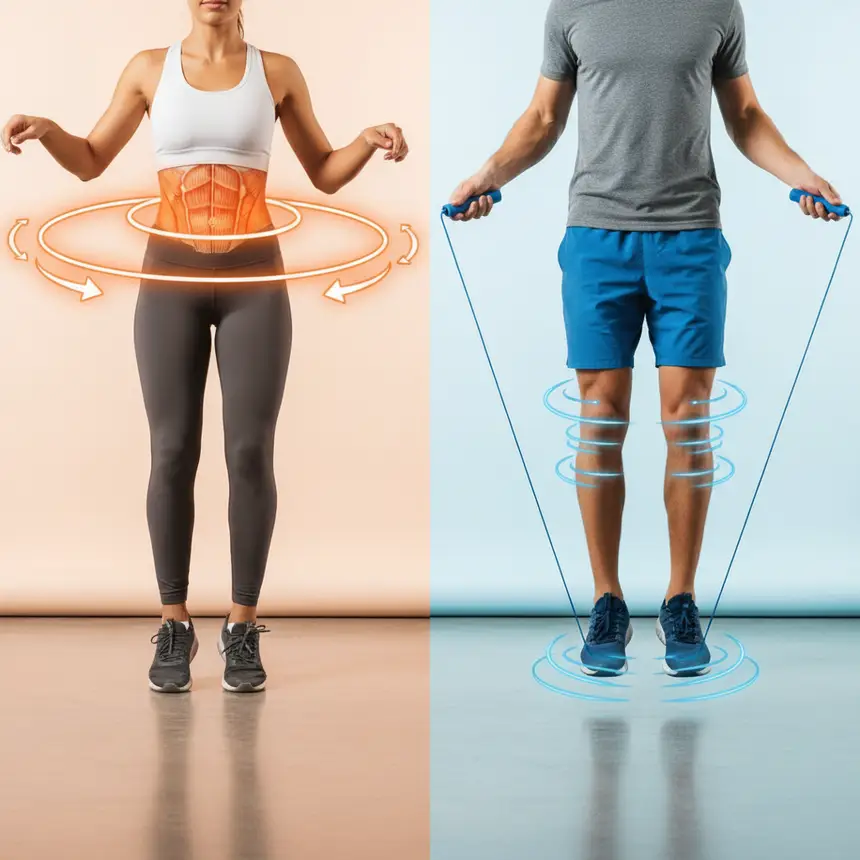
Targeting Belly Fat and Core: Your Hula Hoop & Jump Rope Workout Guide
Let's dive into the specifics of hula hoop and jump rope exercises that are highly effective for managing belly fat and strengthening your core at home. Remember, proper form and consistency are key to achieving the best results.
Engaging Your Core with Basic Hula Hoop Moves
Hula hooping fundamentally involves rotating your waist in a circular motion. The crucial aspect is to consciously engage your core muscles—your abdominal and lower back muscles—to keep the hoop aloft. Stand with your feet shoulder-width apart, and gently move your hips forward and back or side to side to maintain the hoop's momentum. It's vital to keep your abdominal muscles braced and your back straight, focusing on stable posture rather than speed. Begin with just 5 minutes and gradually increase your duration as your body adapts. Opting for a hula hoop with cushioning can reduce strain on your abdomen or lower back, making your workout more comfortable.
The Ultimate Indoor Cardio: Modified Jump Rope Exercises
Jump roping provides an excellent cardio workout indoors, especially with cordless or weighted jump ropes that eliminate concerns about noise disturbing neighbors. Beyond basic jumping, you can try various modifications:
Try performing each modification for one minute, followed by a short rest. Even 10 minutes of these exercises can significantly raise your heart rate and leave you feeling invigorated.
A Synergistic Workout Routine
Combining hula hooping and jump roping creates a powerful synergy for targeted abdominal engagement and full-body cardio. Consider this routine:
Adhering to this 30-minute routine daily can significantly improve your body's firmness and overall stamina.
Engaging Your Core with Basic Hula Hoop Moves
Hula hooping fundamentally involves rotating your waist in a circular motion. The crucial aspect is to consciously engage your core muscles—your abdominal and lower back muscles—to keep the hoop aloft. Stand with your feet shoulder-width apart, and gently move your hips forward and back or side to side to maintain the hoop's momentum. It's vital to keep your abdominal muscles braced and your back straight, focusing on stable posture rather than speed. Begin with just 5 minutes and gradually increase your duration as your body adapts. Opting for a hula hoop with cushioning can reduce strain on your abdomen or lower back, making your workout more comfortable.
The Ultimate Indoor Cardio: Modified Jump Rope Exercises
Jump roping provides an excellent cardio workout indoors, especially with cordless or weighted jump ropes that eliminate concerns about noise disturbing neighbors. Beyond basic jumping, you can try various modifications:
- Alternate Foot Jumps: Jump with one foot at a time, alternating rapidly, to further activate leg muscles and improve balance.
- Spreading Jumps: Jump and spread your legs wide, then bring them back together, targeting inner and outer thigh muscles.
- High Knee Jumps: As you jump, bring your knees up towards your chest to intensify core engagement and lower body strength.
Try performing each modification for one minute, followed by a short rest. Even 10 minutes of these exercises can significantly raise your heart rate and leave you feeling invigorated.
A Synergistic Workout Routine
Combining hula hooping and jump roping creates a powerful synergy for targeted abdominal engagement and full-body cardio. Consider this routine:
- Warm-up (5 minutes): Light stretching and marching in place
- Hula Hoop Exercise (15 minutes): Focus on core activation and abdominal engagement
- Modified Jump Rope Exercise (10 minutes): Enhance cardio fitness and full-body circulation with various jumps
- Cool-down (5 minutes): Gentle stretching to relax muscles
Adhering to this 30-minute routine daily can significantly improve your body's firmness and overall stamina.
※ This post contains affiliate links. I may earn a commission at no extra cost to you.


Consistency is Key: Practical Tips for Successful Home Workouts
While home workouts offer great convenience, maintaining consistency can sometimes be a challenge. Here are some practical tips to help you stay on track and maximize your home fitness journey.
- Start Small and Build Up: Instead of aiming for long, strenuous sessions from day one, set achievable small goals—like 5 or 10 minutes a day. This builds success experiences and helps you gradually increase your workout duration as your fitness improves. Tailor your routine to match your current stamina.
- Choose Your Equipment Wisely: For hula hoops, look for models with soft cushioning or adjustable weights. These features can minimize discomfort during exercise and allow you to customize the intensity. For jump ropes, consider a cordless version if you need to exercise indoors without worrying about overhead space or noise.
- Track Your Progress: Keep an exercise journal or use a fitness app to log your workout times, intensity, and weekly goal achievements. Seeing your progress visually can be incredibly motivating and help you stay committed to your fitness goals.
- Find Ways to Make It Fun: Incorporate elements that make your workout enjoyable. Listen to your favorite music, follow along with short workout videos, or even try a fitness game. Turning exercise into a fun activity rather than a chore can significantly boost your long-term adherence.
Safe and Effective Workouts: Precautions and Recommended Audience
While hula hooping and jump roping are generally safe exercises, following certain precautions can reduce the risk of injury and enhance their effectiveness. Let's also explore who might benefit most from these routines.
Essential Considerations Before You Start
Who Will Benefit Most from These Workouts?
Essential Considerations Before You Start
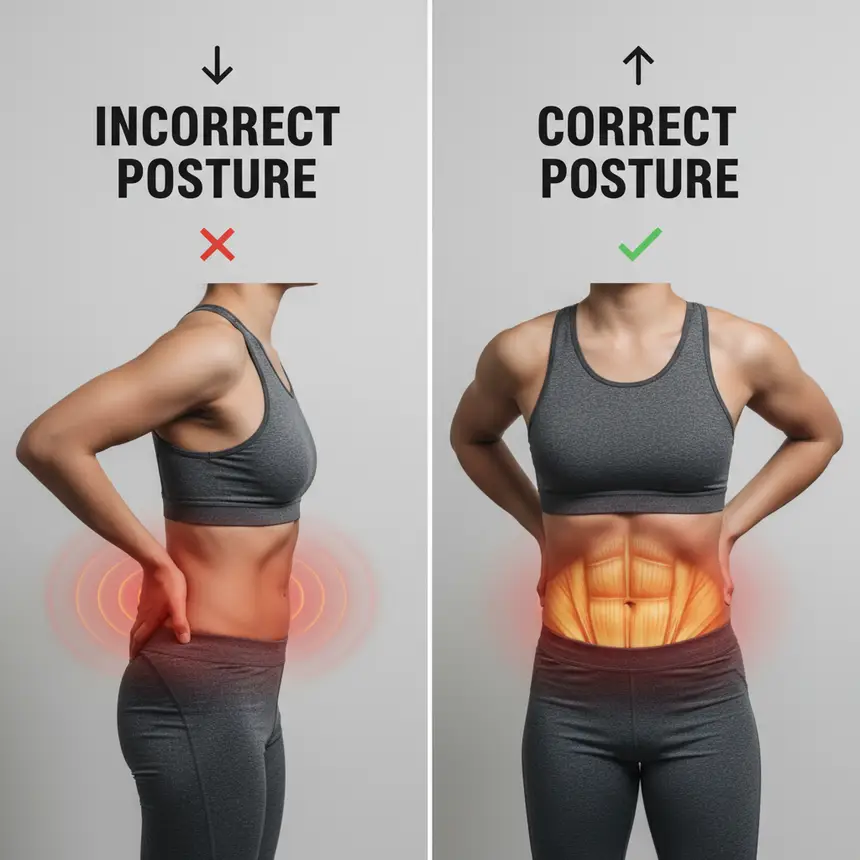
- Maintain Proper Form: Especially with hula hooping, it's crucial to engage your core and keep your back straight to avoid hyperextension of the spine. When jump roping, slightly bend your knees upon landing to absorb impact.
- Warm-up and Cool-down: Dedicate about 5 minutes to light stretching before your main workout, and always follow up with a cool-down stretch to relax tense muscles.
- Don't Overdo It: Avoid pushing yourself too hard, especially when starting out. Gradually increase your workout duration and intensity as your body adapts. If you feel any pain or discomfort, stop immediately and rest.
- Stay Hydrated: Drink plenty of water before, during, and after your workout to prevent dehydration, as you'll lose fluids through perspiration.
Who Will Benefit Most from These Workouts?
- Individuals concerned about belly fat: Hula hooping specifically targets and activates the abdominal muscles, aiding in localized fat management.
- Those seeking to strengthen their core: Both exercises engage core muscles, contributing to improved balance and stability.
- Busy individuals who prefer indoor workouts: These routines offer the convenience of exercising at home, free from time and space constraints.
- Anyone wanting cardio without disturbing others: Cordless jump ropes are an ideal choice for apartment or condominium dwellers concerned about noise.
- Middle-aged and older adults needing consistent health management: These exercises can help maintain fitness and vitality without excessive strain.
Frequently Asked Questions
Q. Is it safe to hula hoop every day?
A. Yes, hula hooping is generally a low-impact cardio exercise, so it's beneficial to do it daily. When starting, begin with shorter sessions of 5-10 minutes. As your body adjusts, gradually increase to 15-30 minutes daily. If you experience any discomfort or pain, it's wise to take a day off to rest.
Q. Why do I get bruises when hula hooping, and how can I prevent them?
A. Beginners might experience bruising due to the repetitive impact on the abdomen. To prevent this, consider using a hula hoop with internal cushioning. Also, focus on engaging your abdominal muscles to absorb some of the impact, rather than relying solely on your bones. Wearing slightly thicker clothing during your workout can also offer some protection.
Q. I'm worried about knee strain from jump roping. What can I do?
A. Jump roping can put stress on the knees, so proper form is crucial. When landing, slightly bend your knees to absorb the shock, and practice landing softly on the balls of your feet. Wearing good quality athletic shoes with cushioning and exercising on a softer surface (like a mat) are also recommended. Cordless jump ropes generally require less jump height, which can reduce knee impact compared to traditional jump ropes.
Q. Which is more effective for belly fat loss: hula hooping or jump roping?
A. Both exercises contribute to belly fat loss, but in different ways. Hula hooping directly stimulates the muscles around the abdomen, strengthening the core and aiding in localized fat reduction. Jump roping is a high-intensity cardio workout that elevates your heart rate and burns a significant amount of calories, making it effective for overall body fat reduction. Combining both exercises will yield synergistic results, making your belly fat loss efforts more effective.
Q. How can I stay consistent with my home workouts?
A. To maintain consistency with home workouts, several strategies can be helpful. First, try to exercise at the same time each day to build a routine. Second, set small, achievable goals to experience success and boost your motivation. Third, keep a workout journal or use an app to track your progress; seeing your improvements can be a great motivator. Fourth, make your workouts enjoyable by listening to your favorite music or watching engaging fitness content.