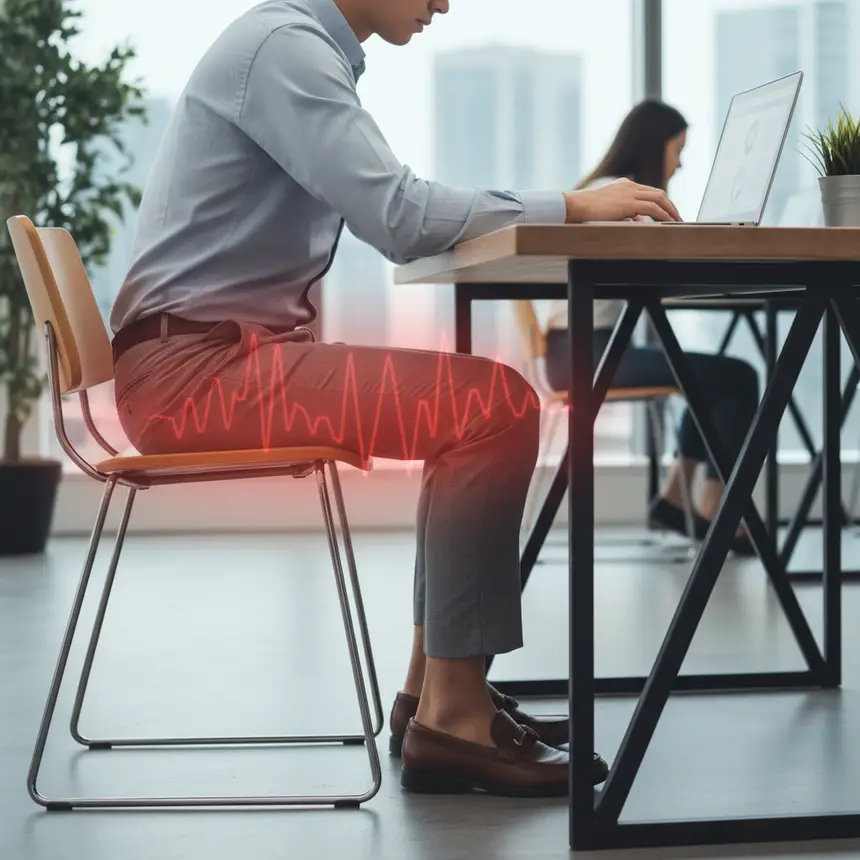
Are post-workout fatigue and muscle soreness making you hesitant to exercise? Discover how to build an effective recovery routine for sustainable healthy habits. Learn detailed strategies for muscle relaxation and fatigue relief through heat therapy and hydro-massage.

When Post-Workout Fatigue and Muscle Soreness Become Obstacles to Consistent Fitness
Engaging in regular physical activity is fundamental for a vibrant life, yet many individuals struggle to maintain consistency due to the pervasive fatigue and muscle soreness that often follow a rigorous workout. This challenge can become particularly pronounced as one ages and perceives a slower recovery rate. It's completely natural to feel hesitant about your next workout when your body feels heavy and achy the day after an intense session. If this cycle repeats, it can erode your motivation, potentially leading you to abandon healthy habits altogether. Crafting an effective post-workout recovery routine isn't just about alleviating discomfort; it's the critical key to rediscovering the joy of exercise and sustaining a healthy lifestyle in the long run. Beyond mere rest, a strategic approach to recharging both your body and mind's energy is essential.
Beyond Recovery: Harnessing Heat Therapy and Hydro-massage for Vitality
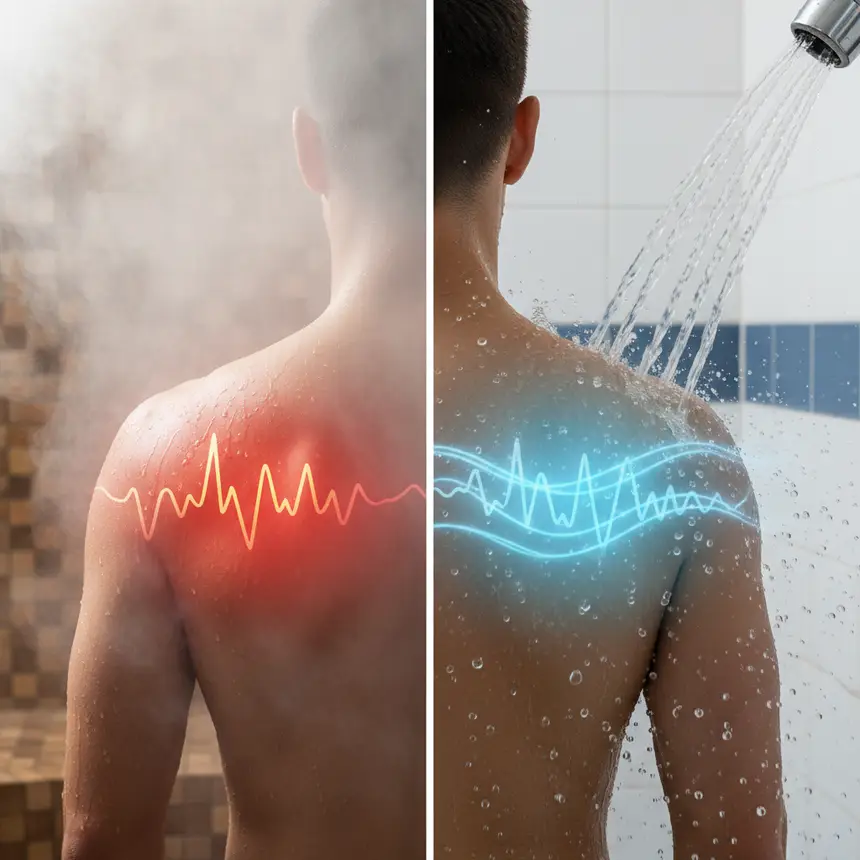
Post-exercise muscle soreness typically stems from microscopic muscle damage, inflammatory responses, and the accumulation of metabolic waste products. To effectively manage this discomfort and fatigue, and to sustain a consistent exercise regimen, a proactive recovery strategy extending beyond simple rest is crucial. Heat therapy excels at promoting blood circulation and relaxing muscles. Warming the body in a warm environment causes blood vessels to dilate, improving the delivery of oxygen and nutrients and accelerating the removal of metabolic byproducts like lactic acid. This helps alleviate muscle stiffness and reduce pain.
Consider utilizing different temperature zones in heat therapy facilities. It's advisable to start in a comfortably warm area to allow your body to adjust, then gradually transition to higher temperature zones to raise your core body temperature. High-temperature environments can also lower stress hormone levels and boost endorphin production, positively impacting mental relaxation and mood. A 20-30 minute heat therapy session after your workout can be effective for muscle relaxation and pain relief, but adequate hydration is non-negotiable.
Furthermore, hydro-massage is highly effective for localized muscle relaxation and improving blood flow. The powerful water jets gently work out muscle knots and contribute to flushing out deep-seated fatigue substances from muscle fibers. On days when you've focused on large muscle groups like your legs or back, utilizing warm water facilities with strong hydro-massage features can be particularly beneficial. Moving in water also offers the advantage of gentle stretching without stressing joints. Light stretching aided by water's buoyancy can enhance muscle flexibility and help reduce next-day soreness.
Through these recovery activities, you can not only resolve physical fatigue but also gain opportunities for psychological rejuvenation. Relieving the stress accumulated from regular workouts and restoring your body's vitality becomes a powerful motivator for long-term exercise adherence.
Consider utilizing different temperature zones in heat therapy facilities. It's advisable to start in a comfortably warm area to allow your body to adjust, then gradually transition to higher temperature zones to raise your core body temperature. High-temperature environments can also lower stress hormone levels and boost endorphin production, positively impacting mental relaxation and mood. A 20-30 minute heat therapy session after your workout can be effective for muscle relaxation and pain relief, but adequate hydration is non-negotiable.
Furthermore, hydro-massage is highly effective for localized muscle relaxation and improving blood flow. The powerful water jets gently work out muscle knots and contribute to flushing out deep-seated fatigue substances from muscle fibers. On days when you've focused on large muscle groups like your legs or back, utilizing warm water facilities with strong hydro-massage features can be particularly beneficial. Moving in water also offers the advantage of gentle stretching without stressing joints. Light stretching aided by water's buoyancy can enhance muscle flexibility and help reduce next-day soreness.
Through these recovery activities, you can not only resolve physical fatigue but also gain opportunities for psychological rejuvenation. Relieving the stress accumulated from regular workouts and restoring your body's vitality becomes a powerful motivator for long-term exercise adherence.
※ This post contains affiliate links. I may earn a commission at no extra cost to you.

Building Your Personalized Recovery Routine and Smart Practice Guide
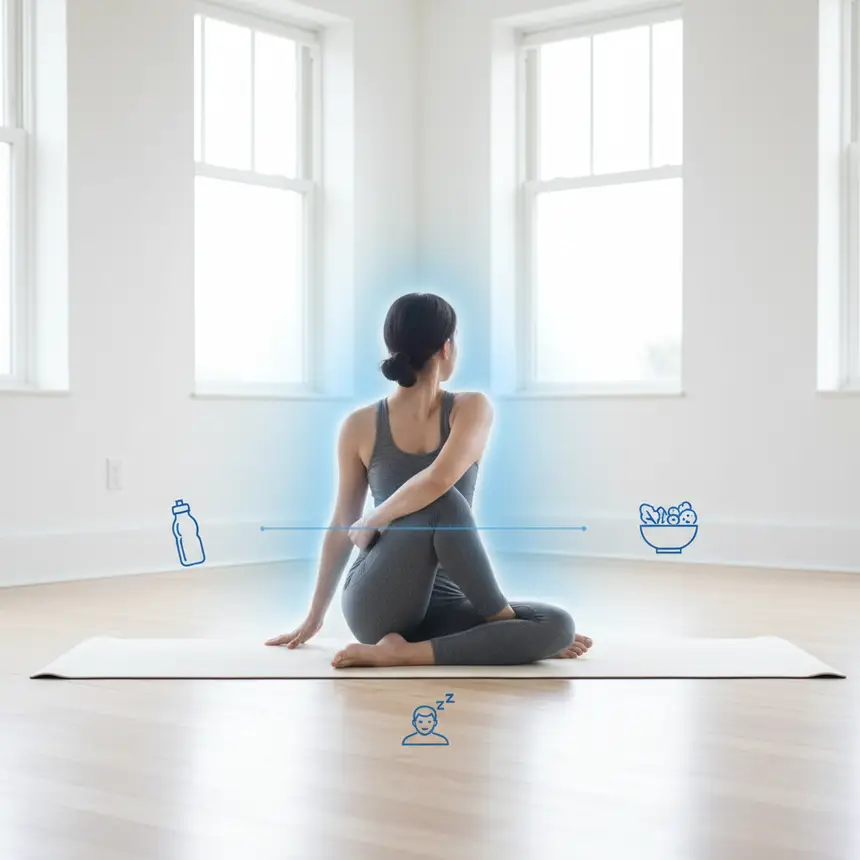
For a sustainable fitness lifestyle, it's vital to establish a recovery routine that suits you and adhere to it consistently. This goes beyond simply visiting a sauna or spa after a workout; it requires the wisdom to naturally integrate recovery time into your daily life.
While exercise is the process of training your body, recovery is the time to fully assimilate the benefits of that training. By adopting your own personalized recovery routine, you can maximize the effects of your workouts and continue to lead a healthy, energetic life.
- Plan Your Recovery Time: When scheduling your workouts, consider your recovery time as well. For example, if you exercise three times a week, plan for at least one dedicated recovery session. This allows your body adequate time to fully recover and reduces the psychological burden for your next workout.
- Hydration and Nutrition: Sufficient hydration is one of the most crucial elements in the recovery process. You'll need to replenish even more fluids if you utilize heat therapy. Additionally, a diet rich in protein and minerals supports muscle repair and regeneration. Don't forget to consume vitamins and antioxidants through seasonal fruits and vegetables.
- Adequate Sleep: Quality sleep is the foundation of all recovery activities. During sleep, your body repairs damaged tissues and regulates hormone balance. Aim for 7-9 hours of consistent sleep to maintain peak condition.
- Experiment with Recovery Methods: Beyond heat therapy and hydro-massage, try various recovery techniques like light stretching, foam rolling, or meditation. It's important to find what works best for you and consistently incorporate it.
- Consider Individual Health Conditions: If you have specific health conditions such as high blood pressure or heart disease, it's safest to consult with a healthcare professional before starting heat therapy or intense hydro-massage. Always monitor your body's response during any recovery activity.
While exercise is the process of training your body, recovery is the time to fully assimilate the benefits of that training. By adopting your own personalized recovery routine, you can maximize the effects of your workouts and continue to lead a healthy, energetic life.
Frequently Asked Questions
Q. When is the most effective time to use a sauna after a workout?
A. It's generally more effective to visit a sauna about 30 minutes to an hour after your workout, rather than immediately. Allowing your body to calm down and your heart rate to stabilize during this time ensures you can experience the benefits of heat therapy more safely and efficiently. Sudden, extreme temperature changes right after intense exercise can place undue stress on your body.
Q. What precautions should I take when using a sauna?
A. Adequate hydration is crucial to prevent dehydration while using a sauna. Avoid prolonged exposure to high temperatures and adjust your time according to your personal comfort level. If you feel dizzy or uncomfortable, stop immediately and rest. If you have specific health concerns like high blood pressure, it's advisable to consult a professional before use.
Q. What other recovery methods can help alleviate muscle soreness?
A. Besides heat therapy and hydro-massage, cold therapy (for acute pain), light cardio (active recovery), foam rolling or massage balls for myofascial release, stretching, and sufficient sleep and nutrition are all effective in relieving muscle soreness. Experiment with various methods to find the optimal combination that works for you.
Q. If I work out every day, is it okay to use a sauna daily?
A. If you work out daily, it's more important to monitor your body's response rather than using a sauna every day. Excessive heat exposure can actually lead to fatigue, so it's wise to limit sauna use to 2-3 times a week, and on days when you don't feel 100%, opt for rest or a warm shower instead.