Master home workouts with perfect squat and lunge form to boost your lower body strength and prevent injury. This guide details essential corrections for a highly effective and safe home fitness routine.

Revolutionize Your Daily Movements: The Transformation with Proper Squats and Lunges
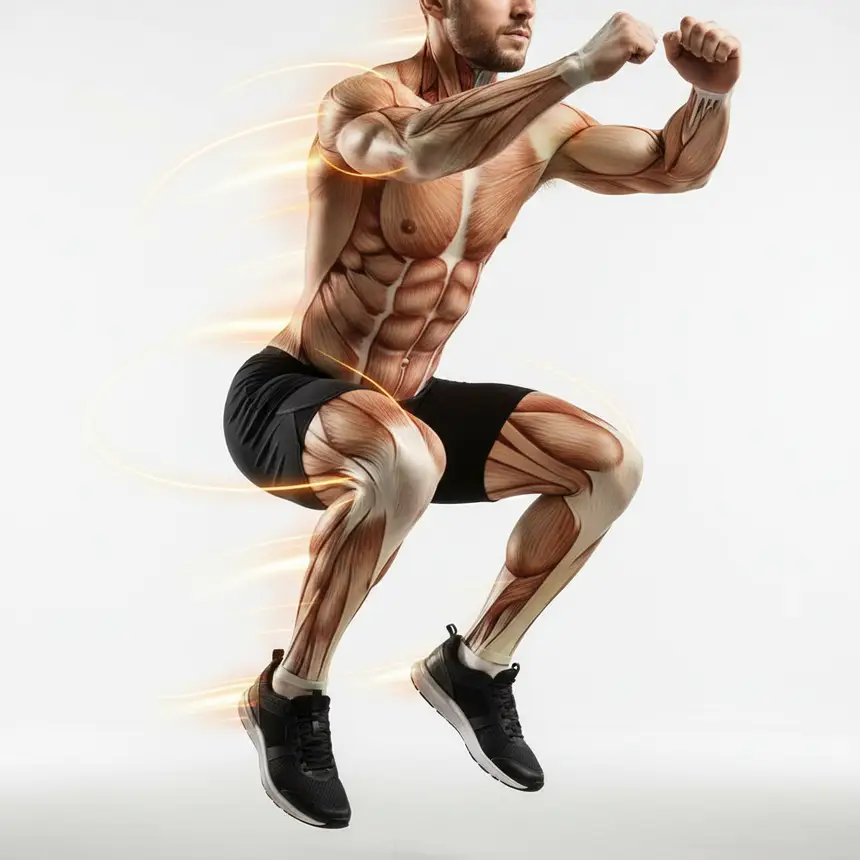
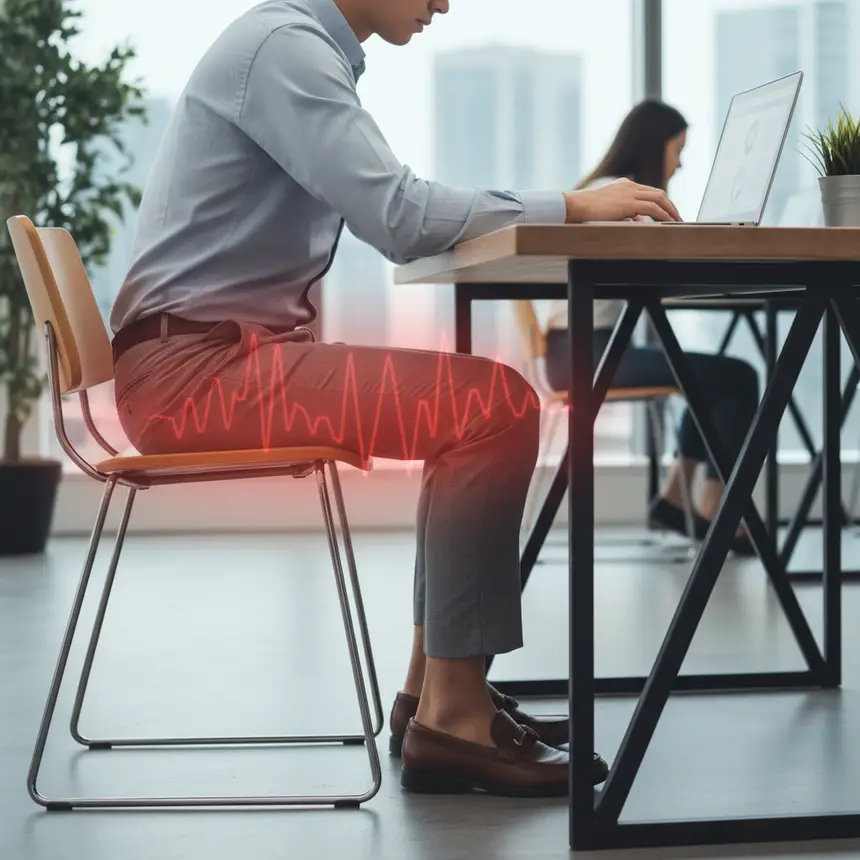
Behind every sit and stand in your day lies an incredible network of lower body muscles. Squats and lunges, as fundamental home workouts, offer a profound opportunity to strengthen these muscles far beyond simple daily tasks. By consistently performing these two exercises with precise form correction, you can significantly enhance your lower body strength, improve balance, boost core stability, and refine your overall movement quality in everyday life. Even short, consistent sessions focused on correct form will contribute immensely to a more vibrant and healthy body. Don't just move; unlock your body's full potential. You can definitely feel noticeable changes with just 10-15 minutes of daily effort.
Your Ultimate Guide to Flawless Squat and Lunge Execution for a Powerful Lower Body
Squats and lunges are highly effective lower body home workouts, but precise form is paramount. Incorrect form not only diminishes workout effectiveness but can also place unnecessary strain on your joints. Let's dive into the correct squat and lunge form to maximize benefits and minimize risks.
Squats: Activating Core Lower Body Muscles with Precision
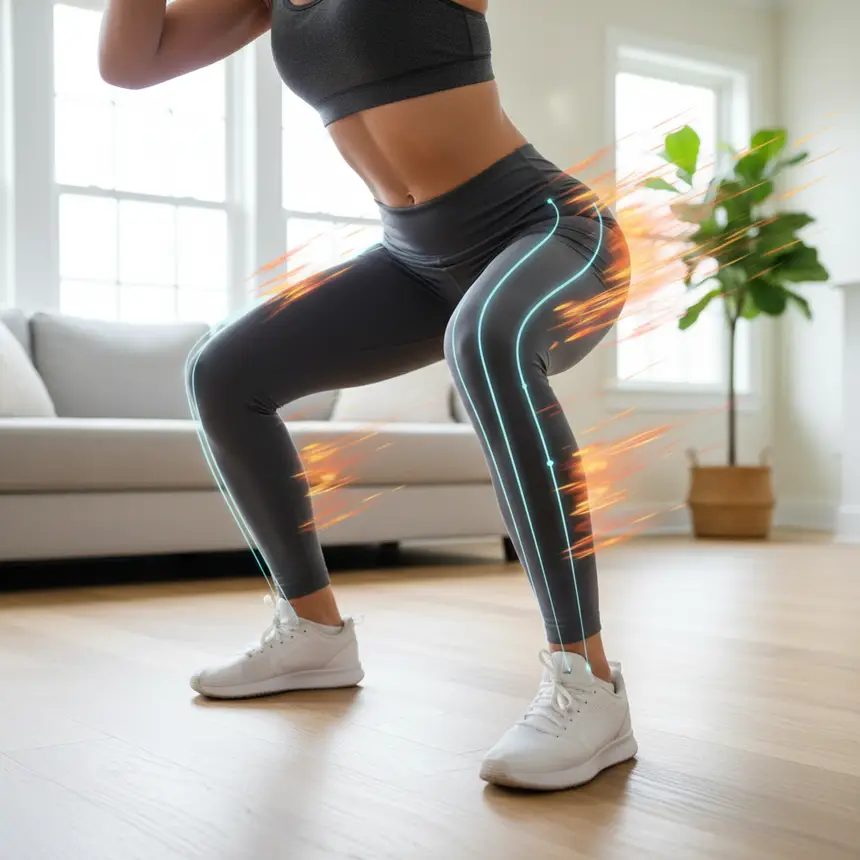
1. Stand with your feet hip-width apart, toes pointing slightly outward.
2. Hold your hands together in front of your chest or extend them forward for balance.
3. Slowly lower your hips as if sitting into a chair, ensuring your knees don't go past your toes.
4. As you descend, press your toes firmly into the ground for stability. When rising, drive through your entire foot, using your full lower body strength to push up.
Lunges: Building Balanced Strength and Stability, One Leg at a Time
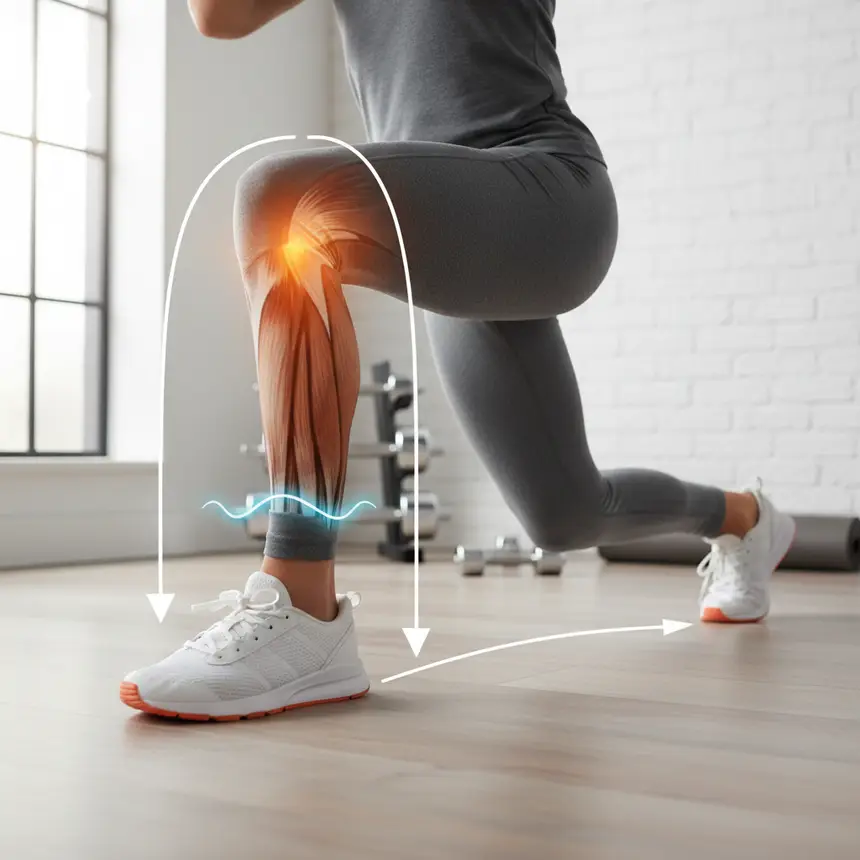
1. Step one foot forward, creating a stance about 1.5 times wider than your natural walking stride.
2. Place roughly 90% of your weight on your front foot, with the back foot acting primarily as a balance support.
3. Slowly lower your body until your back knee almost touches the floor. Keep your torso upright and gaze forward.
4. To return to the starting position, powerfully push off the ground through the pinky-toe side and heel of your front foot, feeling the engagement in your thigh and glute muscles.
Squats: Activating Core Lower Body Muscles with Precision
1. Stand with your feet hip-width apart, toes pointing slightly outward.
2. Hold your hands together in front of your chest or extend them forward for balance.
3. Slowly lower your hips as if sitting into a chair, ensuring your knees don't go past your toes.
4. As you descend, press your toes firmly into the ground for stability. When rising, drive through your entire foot, using your full lower body strength to push up.
- Form Correction Tips:
- Knees caving inward: This often indicates weak glute and outer thigh muscles. Focus on keeping your knees aligned with your ankles throughout the movement. Imagine squeezing a ball between your knees to maintain tension.
- Feet angling or arch collapsing: Your entire foot should remain stable and grounded. Ensure your arch doesn't collapse by distributing your weight evenly across your toes, heels, and the pinky-toe side of your foot. Unstable feet compromise overall form and reduce exercise efficacy.
Lunges: Building Balanced Strength and Stability, One Leg at a Time
1. Step one foot forward, creating a stance about 1.5 times wider than your natural walking stride.
2. Place roughly 90% of your weight on your front foot, with the back foot acting primarily as a balance support.
3. Slowly lower your body until your back knee almost touches the floor. Keep your torso upright and gaze forward.
4. To return to the starting position, powerfully push off the ground through the pinky-toe side and heel of your front foot, feeling the engagement in your thigh and glute muscles.
- Form Correction Tips:
- Hips shifting to one side: This can be due to a weak core or poor balance. Engage your abdominal muscles and consciously keep your hips level throughout the movement.
- Knees caving inward: Similar to squats, ensure your front knee tracks in line with your ankle. Allowing your knee to collapse inward places undue stress on the joint.
※ This post contains affiliate links. I may earn a commission at no extra cost to you.

Maximizing Your Workout: Essential Tips for Safe and Effective Squats and Lunges
While squats and lunges are incredibly effective home workouts, there are key considerations and tips to ensure you reap maximum benefits and exercise safely.
Pre-Workout Checks and Precautions
Who Are These Workouts For?
Squats and lunges are more than just lower body exercises; they are powerful tools for transforming your body. With correct form and consistency, embark on your journey to a stronger, healthier lower body.
Pre-Workout Checks and Precautions
- Prioritize Proper Form: Instead of just racking up reps, focus on executing each movement with precision. Using a mirror or recording yourself can provide valuable feedback for self-correction.
- Consider Individual Anatomy: Everyone's skeletal alignment and joint flexibility are unique. If standard exercise forms feel uncomfortable, don't force them. It's wise to seek guidance from a fitness professional to find modifications that suit your body.
- Stop Immediately if Pain Occurs: If you experience any discomfort or pain in your knees, back, or ankles during exercise, stop immediately and rest. Ignoring pain can lead to injuries.
Who Are These Workouts For?
- Beginners to Exercise: These are an excellent starting point for effectively building foundational lower body strength.
- Those Seeking Consistent Home Workouts: As they require no equipment, they offer flexibility for busy schedules, eliminating barriers of time and location.
- Individuals Aiming to Improve Lower Body Strength and Balance: They contribute to more stable everyday movements and enhance overall physical capabilities.
- Anyone Looking to Develop Better Posture Habits: These functional exercises strengthen the muscles necessary for maintaining good posture, thereby improving your daily stance and alignment.
Squats and lunges are more than just lower body exercises; they are powerful tools for transforming your body. With correct form and consistency, embark on your journey to a stronger, healthier lower body.
Frequently Asked Questions
Q. Is it okay to do squats and lunges every day?
A. While squats and lunges can be performed daily, beginners should aim for 3-4 times a week to allow muscles time to recover. As you become more accustomed, you can increase frequency or adjust intensity for daily routines. The key is to listen to your body and avoid overtraining.
Q. What should I do if I experience knee pain during squats or lunges?
A. If you feel knee pain during these exercises, stop immediately and rest. The pain could stem from incorrect form, excessive intensity, or a pre-existing injury. If the pain persists, it's crucial to consult a professional to identify the cause and receive appropriate guidance.
Q. How can I effectively check my form when working out alone at home?
A. Exercising in front of a full-length mirror or recording yourself with your smartphone provides objective feedback. Additionally, watching instructional videos from certified trainers and comparing them to your own movements can be very helpful. If possible, a session or two with a professional trainer can make a significant difference.
Q. Besides squats and lunges, what other lower body exercises can I do at home?
A. Other effective bodyweight lower body exercises include glute bridges, hip thrusts, wall squats, and calf raises. Incorporating these alongside squats and lunges can lead to more balanced and comprehensive lower body strength development, all easily done at home without equipment.
Q. Are warm-ups and cool-downs really necessary for these basic exercises?
A. Yes, they are absolutely essential. A light dynamic warm-up before your workout prepares your muscles, reduces the risk of injury, and enhances exercise efficiency. Post-workout, static stretching helps to relax contracted muscles, improve flexibility, and aids in reducing muscle soreness and promoting recovery.