Post-workout soreness and muscle fatigue can hinder your fitness journey. Discover how low-frequency muscle stimulation devices work and how to effectively use them to deeply relax tired muscles and accelerate recovery.

Is Your Post-Workout Soreness Lingering Too Long?
That satisfying ache after a tough workout can be a badge of honor, but sometimes, muscle soreness and stiffness linger, making your next session feel like a chore or even disrupting your daily life. We often reach for traditional methods like stretching, foam rolling, or a good old-fashioned manual massage to alleviate these discomforts. While these approaches certainly have their place in a recovery routine, they often fall short when it comes to addressing deep-seated muscle knots or chronic tension. Many individuals, especially those with desk jobs or repetitive motions, frequently experience persistent stiffness in their neck, shoulders, and lower back. When this kind of fatigue accumulates, it can not only diminish your physical performance but also significantly impact your overall well-being and quality of life.
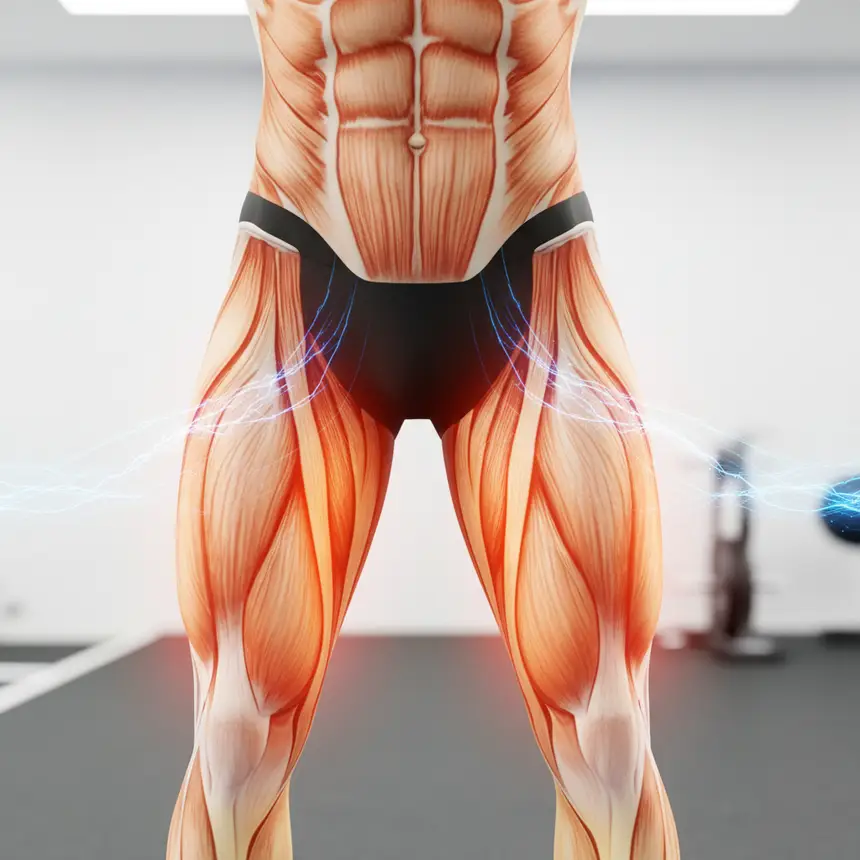
Understanding Deep Muscle Fatigue and the Benefits of Electrical Stimulation
Muscle fatigue can stem from various sources: microscopic tears in muscle fibers after intense exercise, the buildup of metabolic byproducts, or reduced circulation and sustained tension from prolonged static postures. While external pressure from traditional massages can be effective for superficial muscle relaxation, they often have limitations in reaching and stimulating the delicate nerves and fibers deep within the muscle tissue. This is where Electrical Muscle Stimulation (EMS) technology offers a unique advantage. EMS devices deliver safe, low-frequency electrical impulses that directly cause muscles to contract and relax. This process mimics the natural bioelectrical signals your body produces when you voluntarily move your muscles, effectively activating them and relieving tension in tight areas. It’s like getting a gentle workout without the physical exertion, allowing for a deeper level of muscle relaxation and enhanced recovery without adding extra strain to your body.
※ This post contains affiliate links. I may earn a commission at no extra cost to you.

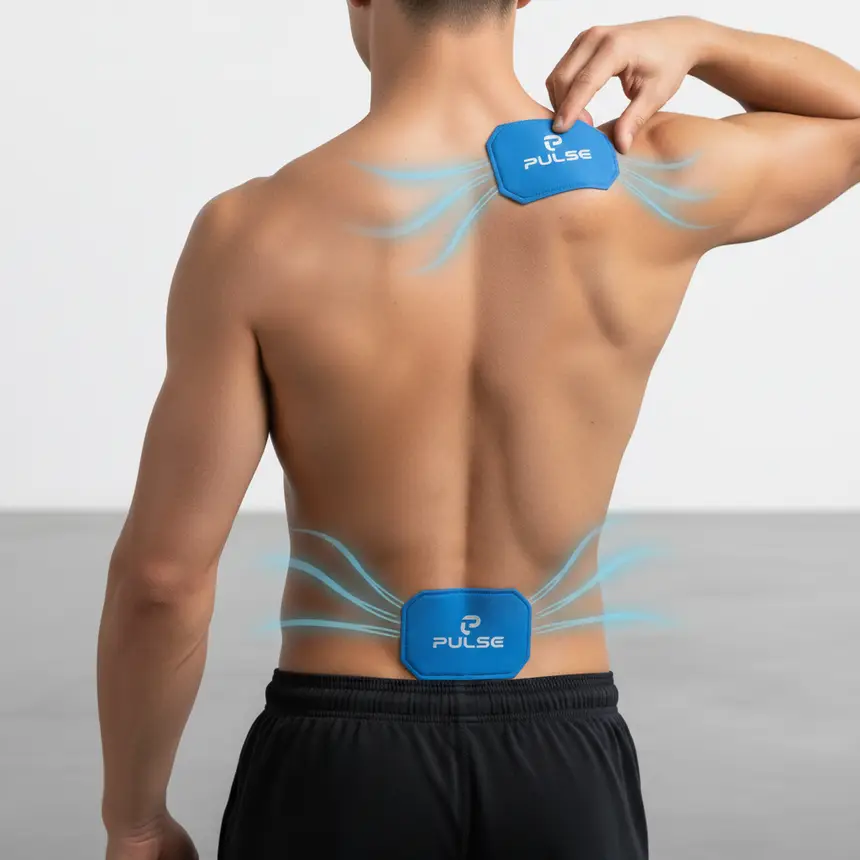
Strategic Use of Low-Frequency Muscle Stimulators for Enhanced Recovery
Low-frequency muscle stimulation devices are more than just a quick fix for soreness; they can be a strategic tool for comprehensive muscle management. Understanding their various features and customizing their use is key.
- Versatile Application: These devices are typically designed with various pad shapes and sizes that can be comfortably applied to numerous body parts, including the neck, shoulders, back, arms, and legs. Their flexible designs ensure stable adhesion even on contoured areas, allowing for effective stimulation where you need it most. For instance, you can target deep fatigue in your calves or thighs after a long run, or soothe stiffness in your shoulders and neck after hours at a computer.
- Personalized Intensity Control: Most devices offer a wide range of intensity levels, often from 1 up to 19 settings, allowing for precise customization. It's always best to start at the lowest intensity and gradually increase it, listening to your body's response and staying within your comfort zone. This approach helps your muscles adapt to the new sensation and avoids any sudden, uncomfortable shocks.
- Diverse Massage Modes: Many stimulators come equipped with multiple pre-set massage modes, frequently 6 or more. Each mode typically delivers a different pattern of electrical pulses, such as tapping, kneading, or acupressure-like sensations. This variety allows you to select a mode that best suits your current muscle condition or personal preference. For example, a more intense tapping mode might be ideal after a high-intensity workout, while a gentler kneading mode could be perfect for relieving everyday tension.
- Portability and Timer Functions: Wireless, rechargeable units offer ultimate convenience, making muscle care accessible anytime, anywhere. They are easy to carry to the office, on trips, or for use during a post-workout cool-down. Some models even allow two users simultaneously. Furthermore, built-in timer functions, often adjustable in 5-minute increments up to 30 minutes, help prevent overuse and ensure you get just the right amount of targeted relief.
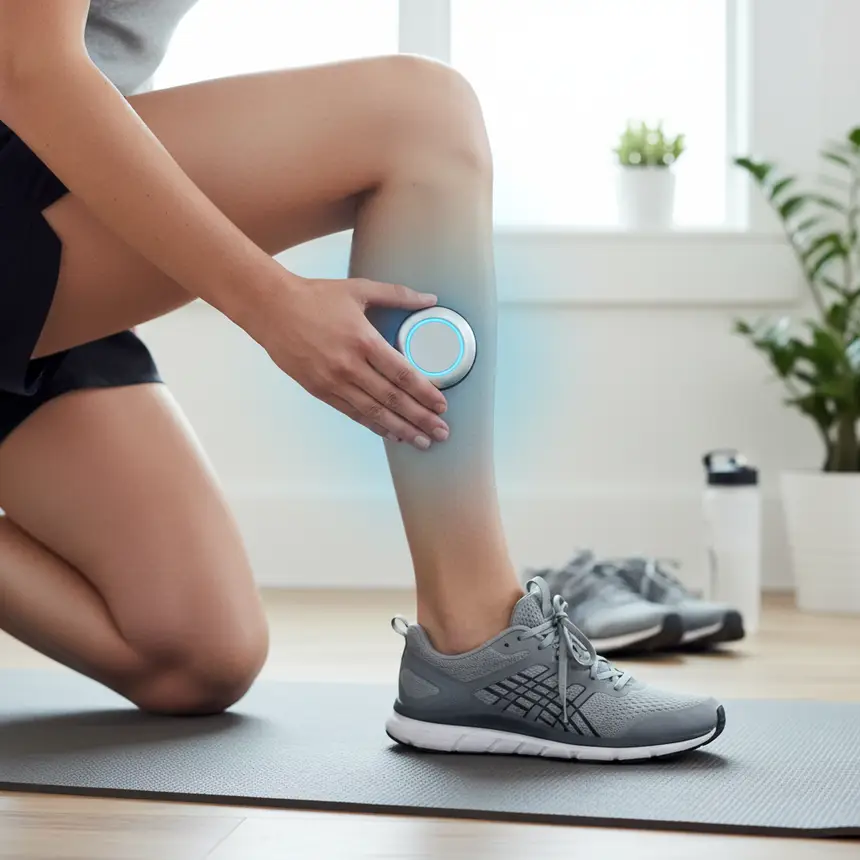
Your Guide to Consistent Muscle Management for a Vibrant Lifestyle
To maximize the benefits and ensure the safe use of your low-frequency muscle stimulation device, adhere to a few important practical guidelines.
1. Read the User Manual: Every device has specific instructions and precautions. Always confirm proper pad placement, suitable body areas for application, and any areas to avoid before use.
2. Gradual Intensity Adjustment: Always begin with the lowest intensity setting and slowly increase it until you find a level that feels effective and comfortable for your body. Never push to a point of pain.
3. Select Modes Purposefully: Choose massage modes that align with your specific goals, whether it's deep muscle relaxation, fatigue relief, or gentle stimulation. For instance, after an intense workout, starting with a softer mode can help gradually release muscle tension.
4. Regular and Consistent Use: Consistency is crucial. Aim for regular sessions, perhaps 15-20 minutes, 3-4 times a week, to support ongoing muscle health and recovery.
5. Integrate with Other Recovery Methods: While low-frequency muscle stimulation is a powerful tool, it yields the greatest synergy when combined with other vital recovery practices. This includes a balanced diet, adequate sleep, consistent stretching, and light cardiovascular activity. These devices serve as an excellent supplementary aid, helping modern individuals effectively manage tired muscles and contribute to maintaining a healthy, active, and vibrant lifestyle.
1. Read the User Manual: Every device has specific instructions and precautions. Always confirm proper pad placement, suitable body areas for application, and any areas to avoid before use.
2. Gradual Intensity Adjustment: Always begin with the lowest intensity setting and slowly increase it until you find a level that feels effective and comfortable for your body. Never push to a point of pain.
3. Select Modes Purposefully: Choose massage modes that align with your specific goals, whether it's deep muscle relaxation, fatigue relief, or gentle stimulation. For instance, after an intense workout, starting with a softer mode can help gradually release muscle tension.
4. Regular and Consistent Use: Consistency is crucial. Aim for regular sessions, perhaps 15-20 minutes, 3-4 times a week, to support ongoing muscle health and recovery.
5. Integrate with Other Recovery Methods: While low-frequency muscle stimulation is a powerful tool, it yields the greatest synergy when combined with other vital recovery practices. This includes a balanced diet, adequate sleep, consistent stretching, and light cardiovascular activity. These devices serve as an excellent supplementary aid, helping modern individuals effectively manage tired muscles and contribute to maintaining a healthy, active, and vibrant lifestyle.
Frequently Asked Questions
Q. How often should I use a low-frequency muscle stimulation device?
A. Generally, using it for 15-20 minutes, 3-4 times a week, is effective. You can adjust the frequency based on your personal condition and muscle needs.
Q. Can I use it immediately after a workout?
A. Yes, it's very effective for relieving muscle tension and aiding recovery after exercise. However, it's best to start with a lower intensity to allow your muscles to adapt to the stimulation.
Q. What body parts are best for using these devices?
A. You can use them on any area experiencing fatigue or soreness, including the neck, shoulders, back, lower back, arms, and legs. Focusing on tight or aching spots is particularly beneficial.
Q. Is this type of device suitable for everyone?
A. Most adults can use them, but if you have specific medical conditions or are pregnant, it's safest to consult with a healthcare professional before use. Always check the product's instruction manual for warnings.
Q. What other methods can help with muscle recovery besides electrical stimulation?
A. Adequate sleep, a balanced diet (especially sufficient protein), regular stretching, and light cardio can all significantly contribute to muscle recovery.