Are you struggling with poor posture and a weak core? Discover effective balance training methods you can easily do at home to correct your posture and build a strong, stable core. Get practical tips for beginners to achieve noticeable health improvements.

Is Your Posture Off? Are You Feeling a Weak Core?
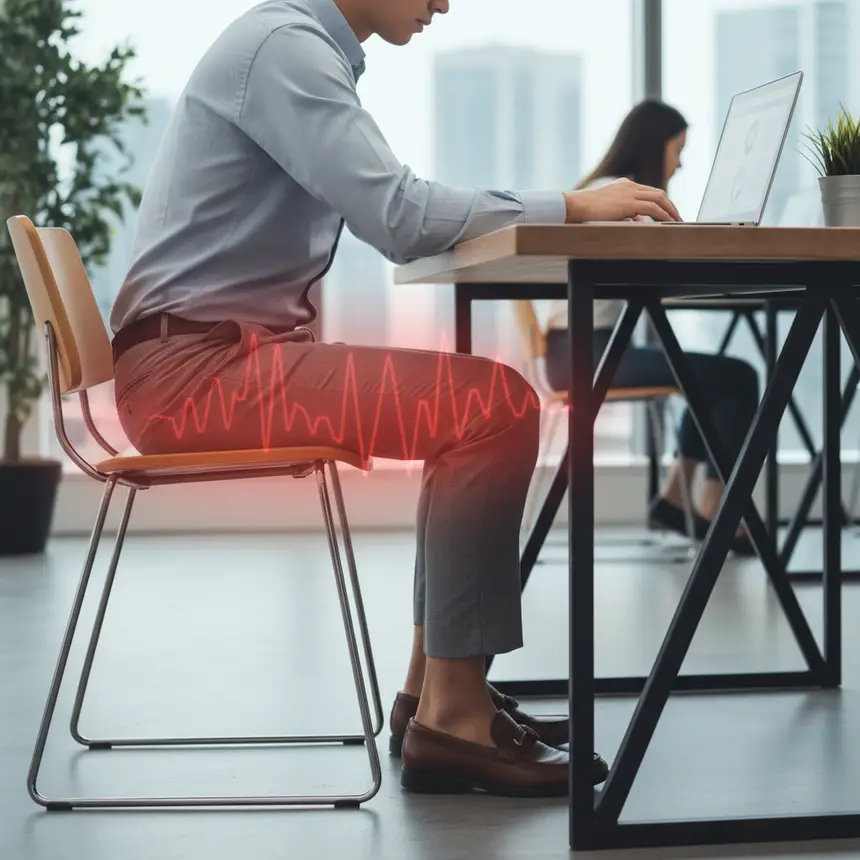
Take a moment to look in the mirror today. Do you notice a slight slump in your shoulders, a forward tilt in your pelvis, or a general stiffness in your back? In our modern lives, filled with desk work, long commutes, and constant digital device use, it's all too easy for our posture to gradually deteriorate. This isn't just about how you look; it can lead to discomfort, aches, and reduced mobility in daily activities. At the heart of a strong, healthy body is a robust core – the foundation that supports your spine and allows for efficient movement. If your core muscles are underdeveloped, these postural issues can become even more pronounced. If you've been wanting to improve your physique and overall well-being but can't find the time for the gym, home-based core strengthening could be your answer. Let's explore how you can regain your center and feel more aligned.
Unpacking the Reasons Behind Postural Imbalance and Core Weakness
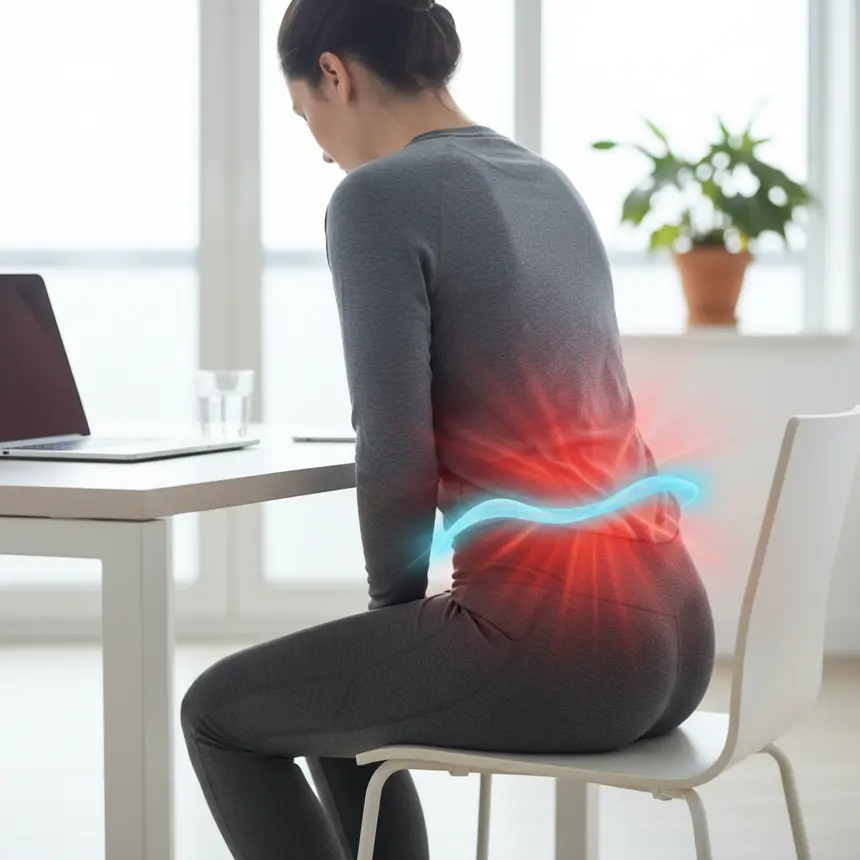
Our bodies are incredibly adaptable, but constant repetition of poor habits can lead to lasting changes. Think about the hours spent hunched over a laptop, craning your neck at a phone, or standing with uneven weight distribution. These behaviors, over time, can shorten some muscles while lengthening others, pulling your body out of alignment. Your core, which includes your abdominal muscles, obliques, lower back, and pelvic floor, acts like a natural corset, stabilizing your torso. When these muscles are weak, your spine lacks adequate support, making it harder to maintain good posture and increasing the risk of strain or injury. Beyond daily habits, another common hurdle is the lack of consistent physical activity. Many aspire to strengthen their core but face practical challenges like limited time, expensive gym memberships, or feeling intimidated by complex workout routines. These combined factors often deter people from starting or sticking with an effective core strengthening program. The good news is, understanding these root causes empowers us to find accessible and sustainable solutions right in our own homes.
※ This post contains affiliate links. I may earn a commission at no extra cost to you.


Beginner-Friendly Balance Training for Core Strengthening
One of the most effective ways to fortify your core and refine your posture is through 'balance training.' A stability board, designed with specific features, makes this type of exercise incredibly accessible, even for absolute beginners. Look for a board with a generous platform, around 16.5 inches (420mm) in diameter, which provides ample space for your feet, reducing instability and making it less intimidating. Non-slip material on both sides ensures a secure grip, whether you're barefoot or wearing athletic shoes, enhancing safety during your workout. For those just starting out, an ideal stability board incorporates a gentle angle, perhaps around 128.9 degrees, that helps you find your center of gravity more easily. This gentle tilt naturally engages your abdominal, lower back, and hip muscles without overwhelming them, allowing you to build foundational strength. These thoughtful design elements are crucial for a positive first experience and fostering consistency. To further enhance your core workout, consider integrating a resistance ring. High-quality resistance rings, often made with durable fiberglass, offer excellent elasticity and are typically covered with soft material, preventing discomfort when used between thighs or against arms. Non-slip grips also ensure a firm hold, even with sweaty hands. An added bonus: some stability boards are designed with therapeutic massage nubs on the underside, allowing for a soothing foot massage (up to 1600 nubs) post-workout, aiding recovery and reducing fatigue. Ergonomic handles make the board easy to move around and convenient for various exercises.
Actionable Strategies for Consistent Core Balance Training
Consistency is king when it comes to core strength. Instead of aiming for long, strenuous sessions from the start, focus on incorporating short, regular balance training into your daily routine. For instance, dedicate just 5 minutes in the morning and another 5 minutes in the evening to your stability board. This consistent 10-minute investment can yield significant results over time. Initially, you might feel quite wobbly, but with each session, your body will adapt, and you'll notice improved stability and control.
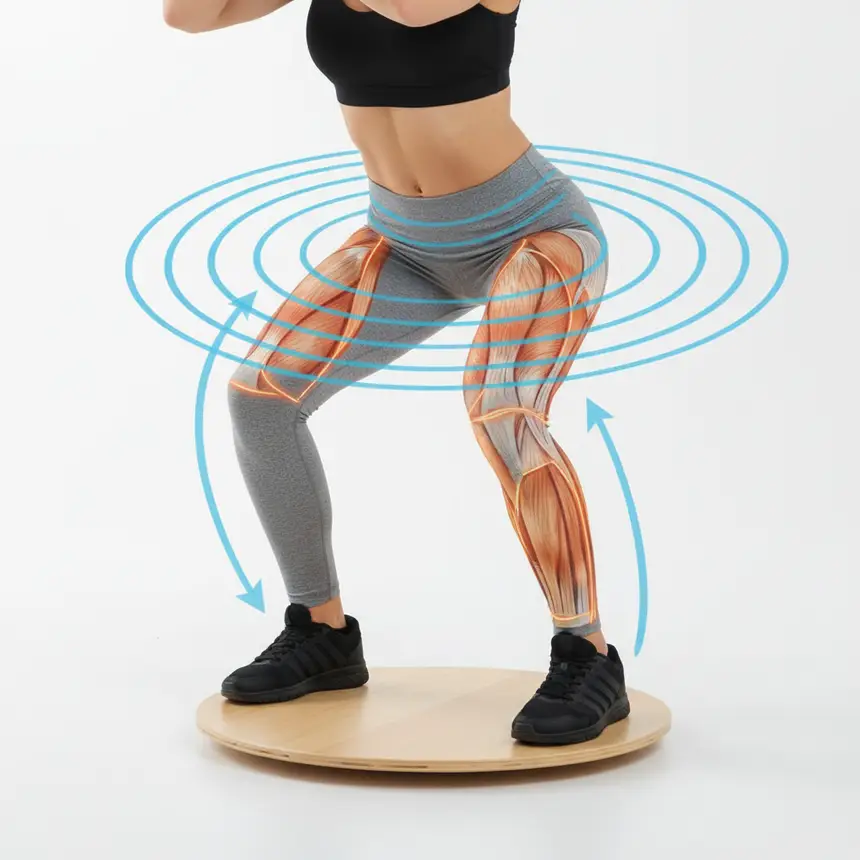
- Start Simple: Begin by simply standing on your stability board with your arms extended for balance. As you become more comfortable, try standing on one leg or gently swaying your upper body from side to side.
- Incorporate a Resistance Ring: Use a resistance ring between your thighs while doing squats on the board to engage your inner thighs and intensify core activation. You can also use it for arm exercises to work your upper body and core simultaneously.
- Track Your Progress: Keep a simple journal or use a fitness app to log your daily workout time and how you felt. Visualizing your progress can be a powerful motivator.
- Create an Accessible Space: Keep your stability board in a high-traffic area of your home, like the living room, so it's a constant, visible reminder to get a quick session in.

Embrace a Balanced Body for a Healthier, More Vibrant Life
Postural imbalances and a weakened core are common challenges in our fast-paced world, potentially diminishing our overall quality of life. However, with consistent effort and the right approach, these issues are entirely rectifiable. The balance training methods discussed today, particularly using an accessible stability board, offer an excellent solution for those who lack gym time or feel overwhelmed by traditional exercise programs. Features like a spacious, stable platform, non-slip surfaces, and ergonomic designs significantly lower the barrier to entry, making regular workouts achievable. Furthermore, integrating supplementary tools like a resistance ring can amplify your results. Committing just 5 to 10 minutes a day at home can help you realign your body's center and forge a robust core. Prepare to experience a noticeable improvement in your posture and a renewed sense of vitality in your daily life. Take the first step towards a balanced and stronger you today.
Frequently Asked Questions
Q. Can balance board exercises truly strengthen my core?
A. Absolutely. Standing on a balance board requires constant engagement of your abdominal, lower back, and hip muscles to maintain stability. This continuous activation of your core muscles makes it a highly effective tool for strengthening your entire core.
Q. Are balance board exercises safe for beginners?
A. Yes, they can be very safe for beginners. Opt for a balance board with a wider platform, non-slip surfaces, and a stable, beginner-friendly angle. Starting with simple balancing exercises, perhaps near a wall for initial support, will allow you to build confidence and strength progressively.
Q. What precautions should I take when using a balance board?
A. It's important to start slowly with basic balancing movements and pay close attention to your body's signals. Stop immediately if you experience any pain. Always ensure you're using the board on a flat, non-slip surface to prevent accidental falls.
Q. How much time should I dedicate to balance board workouts daily?
A. Consistency is key for core training. Begin with short sessions, around 5 to 10 minutes each day. As your body adapts and your balance improves, you can gradually increase the duration of your workouts or introduce more challenging exercises.
Q. Can using other tools with a balance board enhance the results?
A. Yes, incorporating accessories like a resistance ring can significantly boost the effectiveness of your core workouts. Using a resistance ring for exercises involving your thighs or arms helps engage your core muscles alongside other muscle groups, maximizing your overall workout benefits.