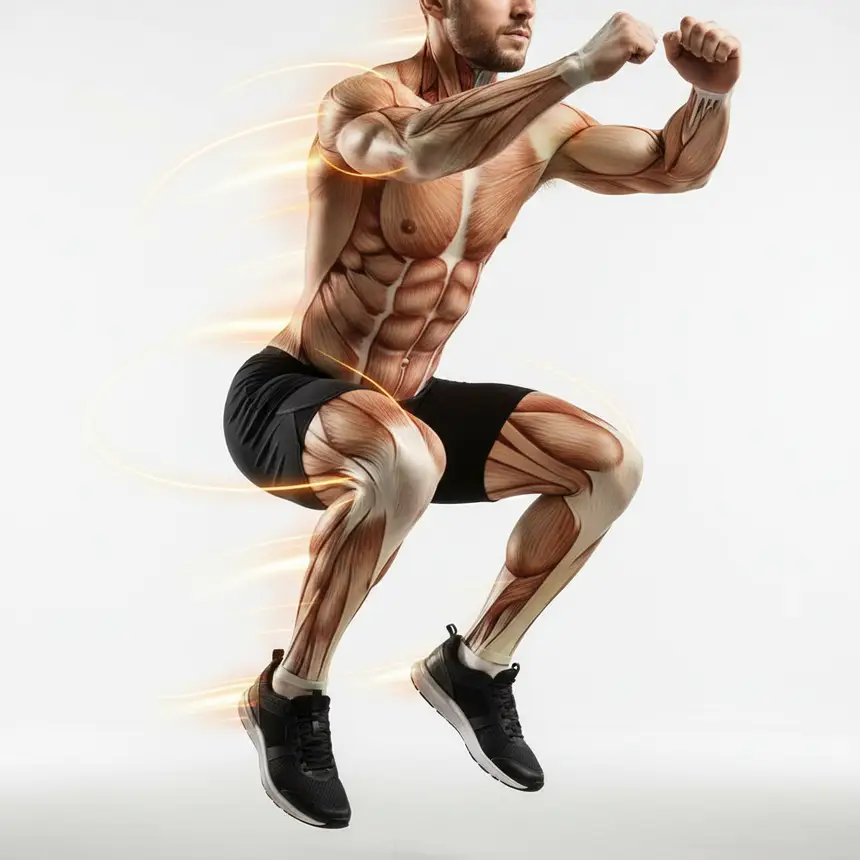
Unlock a more effective chest workout by understanding the precise location and function of your pectoralis major. Discover smart strategies to develop your upper, middle, and lower chest comprehensively.

Chest Workouts: Feeling Shoulder Pain Instead of Chest Burn?
Many dedicated gym-goers hit the weights for chest day, only to find their shoulders or triceps screaming the next day, not their pectorals. If you've ever felt frustrated trying various chest exercises like bench presses or dumbbell flyes, wondering why your chest isn't getting the memo, you're not alone. This common scenario isn't necessarily a sign of weakness, but often stems from a lack of understanding of how the pectoralis major, your primary chest muscle, truly functions. Let's move beyond just pushing weights and start comprehending your body's mechanics for a truly impactful chest workout.
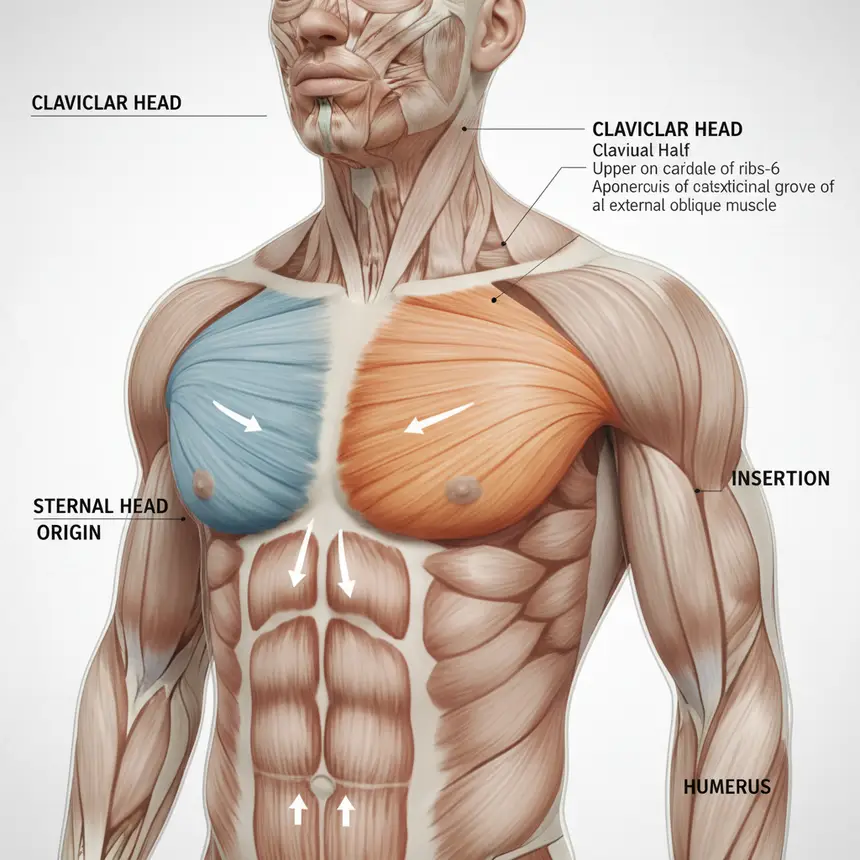
The Pectoralis Major: More Than Just a Flat Muscle
The pectoralis major, a broad muscle covering the front of your chest, is not a simple, single mass. It's a complex structure originating from wide areas of your torso and inserting into the humerus, your upper arm bone. Grasping this anatomical connection is key to understanding why certain chest exercises target specific regions. Your pectoralis major is generally divided into three main heads: First, the clavicular head, often referred to as the 'upper chest,' starts near your collarbone. Second, the sternal head, or 'middle chest,' originates from your sternum and rib cartilage. Third, the abdominal head, forming the 'lower chest,' connects with the rectus abdominis fascia. These three sets of muscle fibers work in concert to control arm movements and generate powerful force. They are crucial for actions such as horizontal adduction (bringing your arm across your body), flexion (raising your arm forward), adduction (pulling your arm towards your body), and internal rotation (rotating your arm inwards). By understanding these functional characteristics, you can intuitively select exercises that effectively target each specific part of your pectoralis major.
※ This post contains affiliate links. I may earn a commission at no extra cost to you.

Targeted Strategies for Balanced Chest Development
To develop all three heads of the pectoralis major evenly, it's crucial to select exercises and angles that align with each head's function. Focusing on proper form and muscle activation is far more effective than simply lifting heavy weights.
- Boosting Upper Chest (Clavicular Head): Exercises that involve an upward pressing angle are most effective. Incline bench presses or incline dumbbell presses, performed on a sloped bench, specifically activate the clavicular fibers of the pectoralis major.
- Strengthening Middle Chest (Sternal Head): Movements emphasizing horizontal adduction, where you bring your arms parallel to your torso, are central. The flat bench press is a prime example, efficiently stimulating the entire middle chest region.
- Developing Lower Chest (Abdominal Head): Exercises where you press downwards or your torso is angled downwards are highly effective. Decline presses or dips are excellent choices for contributing to lower chest development.
Actionable Guidelines for Optimizing Your Chest Activation
To minimize the involvement of your arms and shoulders and maximize pectoralis major activation during chest workouts, adhere to a few core principles.
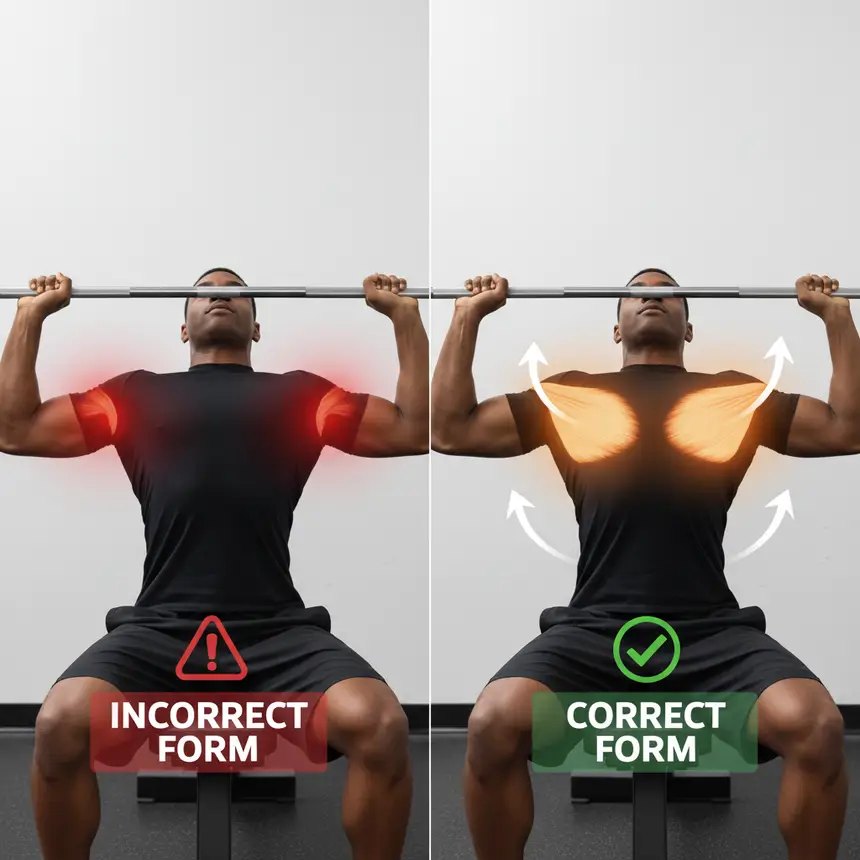
- Scapular Stability: Before beginning your exercise, retract your shoulders back and down to firmly stabilize your shoulder blades. This helps to open up your chest, ensuring a full range of motion for the pectoralis major's stretch and contraction. Think of it as 'puffing out your chest' as you work.
- Elbow Angle Control: Flaring your elbows out too wide can strain your shoulder joints and increase tricep and shoulder engagement. For pressing movements, maintaining your elbows at approximately a 45-degree angle from your torso is ideal. This angle allows for better force transfer directly to your pectorals.
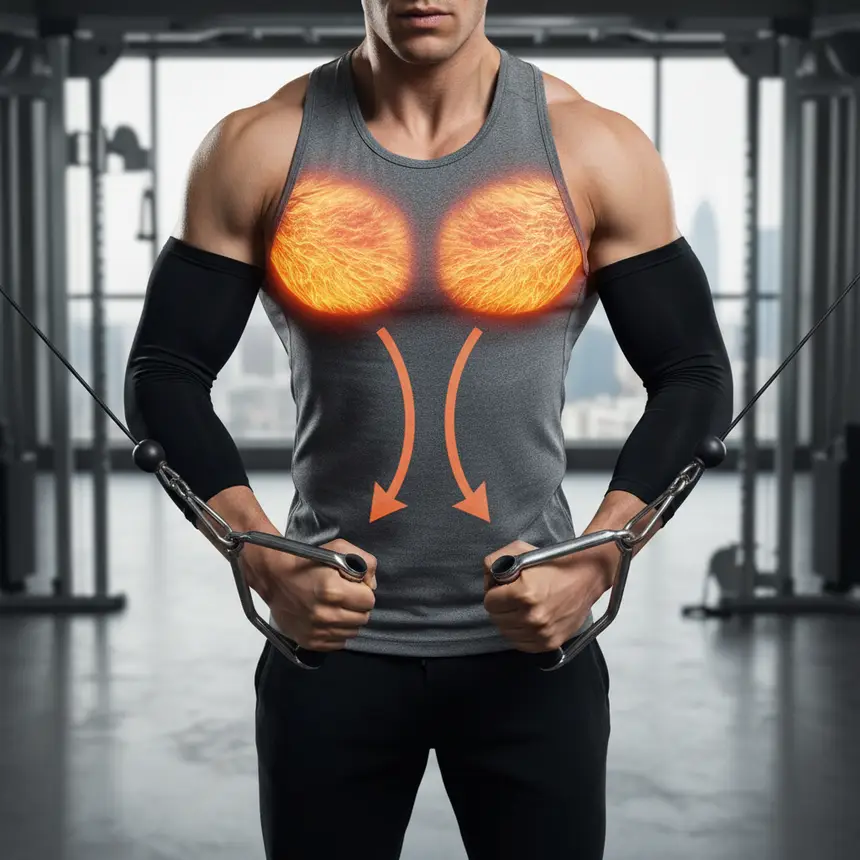
- Pressing with Your Chest: Initiate the movement by contracting your chest muscles before you push the barbell or dumbbells up. Imagine squeezing your chest together forcefully from the center. Especially during exercises like dumbbell presses or cable crossovers, focusing on 'squeezing your inner chest' rather than just 'bringing your arms together' can lead to a much deeper muscle connection and sensation. This subtle shift can make a significant difference in your workout's effectiveness.
The Transformative Power of Understanding Your Pectoralis Major
Beyond aesthetics, the chest muscles are vital for enabling powerful upper body movements. A precise understanding of the pectoralis major's anatomical location and functional roles isn't just about gaining knowledge; it's an opportunity to elevate your entire chest workout routine to a new level. Instead of mindlessly moving weights, consciously engaging with how the clavicular, sternal, and abdominal heads of your pectoralis major contract and relax with each repetition will unlock a deeper muscle activation and noticeable progress you haven't experienced before. Starting today, when you hit the chest, go beyond simply pushing the bar. Connect with your pectoralis major and experience a truly effective workout that will significantly contribute to achieving your fitness goals.
Frequently Asked Questions
Q. Why do I often feel shoulder pain during chest exercises?
A. Shoulder pain during chest workouts usually indicates that your shoulder muscles (especially the anterior deltoids) are over-engaging instead of your pectorals. This often happens due to unstable shoulder blades or flaring your elbows too wide. Focus on firmly retracting your shoulder blades before lifting, keeping your elbows at about a 45-degree angle, and initiating the press by contracting your chest.
Q. What are the most effective exercises for building a bigger upper chest?
A. For optimal upper chest (clavicular head of the pectoralis major) development, incline pressing movements are highly effective. Incline bench presses and incline dumbbell presses involve an upward pressing motion that specifically targets and stimulates these upper fibers. An incline angle of 30-45 degrees is generally recommended.
Q. Can I develop my entire chest just by doing flat bench presses?
A. While the flat bench press is an excellent exercise for building the middle chest (sternal head of the pectoralis major), it provides less direct stimulation to the upper (clavicular) and lower (abdominal) chest regions. For balanced and comprehensive chest development, it's advisable to include a variety of angled exercises such as incline presses, decline presses, and dips in your routine.
Q. Do you have any tips for really feeling my chest muscles during a workout?
A. Concentrating on the contraction and extension of your chest muscles throughout the movement is key. Try to initiate the push by squeezing your chest before you lift the weight, and be mindful not to let your elbows flare out excessively. For exercises like dumbbell presses or cable crossovers, visualize 'squeezing the center of your chest' rather than just 'bringing your arms together' for a much deeper and more effective muscle activation.