Struggling with lower belly fat? This guide uncovers the causes of stubborn abdominal fat and provides effective exercise, diet, and lifestyle strategies to achieve a toned, healthy core and boost your confidence.

Achieve a Stronger, Flatter Core: It's Possible!
As the weather gets warmer and clothes become lighter, many of us start thinking about how to lose lower belly fat. That persistent pooch can make you hesitate to wear your favorite outfits or feel self-conscious in front of the mirror. Often called "belly fat," this lower abdominal adipose tissue is more than just an aesthetic concern; it can signal underlying lifestyle habits and health factors. But don't worry! With the right approach and consistent effort, you can develop a toned, healthy core and boost your body confidence. This article will help you understand common reasons for lower belly fat and provide practical strategies for effective abdominal fat reduction through targeted exercises, smarter nutrition, and improved daily habits. Let's embark on this journey to a healthier, more confident you!

Key Strategies for Lower Abdominal Fat Loss: Exercise, Diet, and Habits
Effectively managing lower belly fat requires a comprehensive approach. The best results come when exercise, nutrition, and daily habit improvements work together. Explore these actionable strategies to build a healthy, flat abdomen.
Lower Core Strengthening Exercises
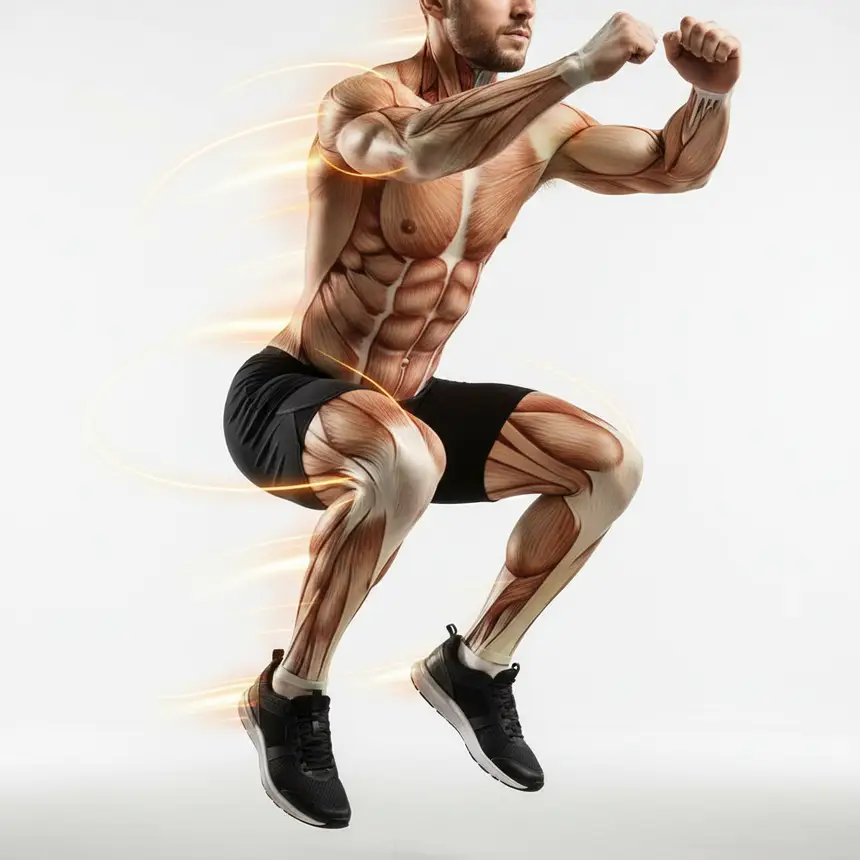
Directly engaging and strengthening your lower abdominal muscles is crucial for sculpting your midsection. Consistent practice helps build deep core strength for a firmer feel.
Nutrition for Gut Health and Fat Loss
Poor dietary choices are often a major contributor to lower belly fat, frequently leading to digestive issues or increased visceral fat. Healthy eating is just as important as exercise for abdominal management.
Posture Correction and Digestive Habits
Overlooked daily habits can significantly impact your lower abdomen. Small changes can lead to substantial results.
Lower Core Strengthening Exercises
Directly engaging and strengthening your lower abdominal muscles is crucial for sculpting your midsection. Consistent practice helps build deep core strength for a firmer feel.
- Pelvic Tilt: Lie on your back, knees bent, feet flat. Exhale, drawing your lower belly towards your spine, slightly tilting your pelvis to flatten your lower back against the floor. Hold for 5 seconds, then slowly release. Repeat 10-15 times.
- Reverse Crunch: Lie on your back, knees bent, feet off the floor. Using your lower abs, lift your hips slightly off the floor, bringing your knees towards your chest. Focus on the abdominal squeeze, not momentum. Slowly return to the starting position. Repeat 10-15 times.
- Modified Leg Raises: Lie on your back, hands under your glutes for support. With a slight bend in your knees, slowly lower both legs towards the floor using your lower abs (don't let them touch). Ensure your lower back remains pressed against the floor. Repeat 10 times.
Nutrition for Gut Health and Fat Loss
Poor dietary choices are often a major contributor to lower belly fat, frequently leading to digestive issues or increased visceral fat. Healthy eating is just as important as exercise for abdominal management.
- Boost Fiber & Protein: Increase your intake of fiber-rich foods like vegetables, fruits, and whole grains to support gut health and regular bowel movements. Lean proteins such as chicken breast and fish promote satiety and maintain muscle mass.
- Limit Refined Carbs & Processed Foods: Foods like white bread, sugary snacks, and processed meats can spike blood sugar and encourage fat storage. Opt for whole, unprocessed alternatives.
- Stay Hydrated: Drinking 1.5-2 liters of water daily supports metabolism and helps reduce bloating, contributing to a flatter stomach.
Posture Correction and Digestive Habits
Overlooked daily habits can significantly impact your lower abdomen. Small changes can lead to substantial results.
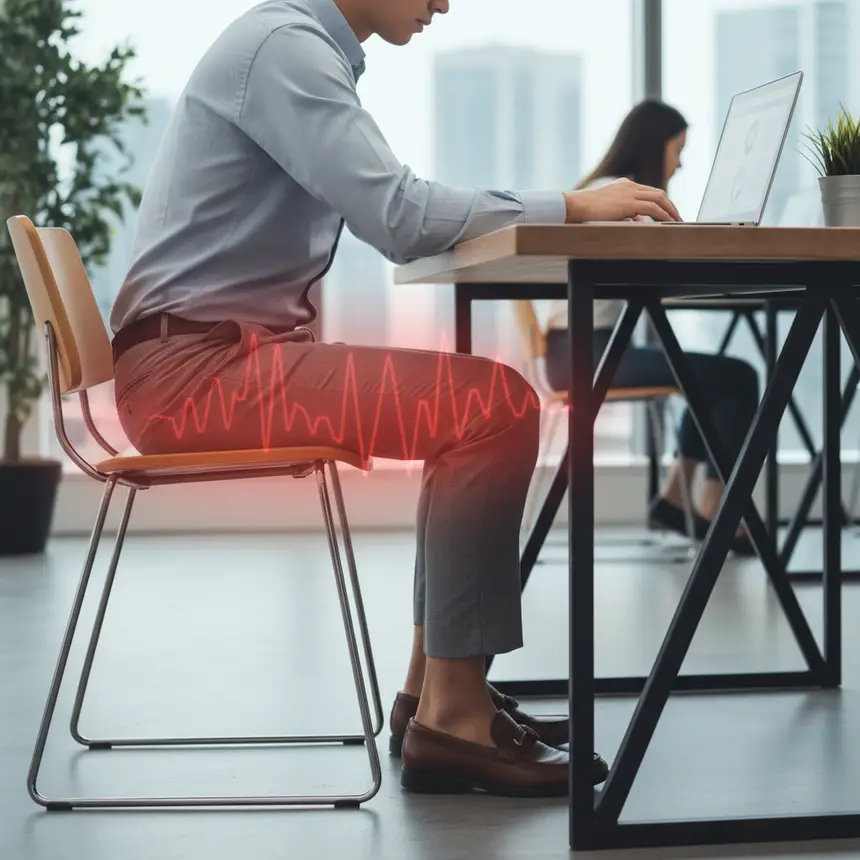
- Maintain Good Posture: Slouching or crossing your legs relaxes abdominal muscles and strains your lower back, making your lower belly more prominent. Actively keep your spine straight and engage your core when sitting or standing.
- Regular Bowel Movements: Constipation is a common cause of a distended lower abdomen. Beyond fiber and water, establish a consistent routine for bowel movements and consider gentle abdominal massage to stimulate gut motility.
- Prioritize Rest & Stress Management: Stress negatively impacts digestion and can trigger overeating. Managing stress through adequate sleep, meditation, or hobbies is crucial for a healthy midsection.
※ This post contains affiliate links. I may earn a commission at no extra cost to you.


Sustainable Lower Ab Management: Consistency is Key!
Building a toned lower abdomen isn't a quick fix. Consistency and patience are paramount. It's crucial to approach the process gradually, listening to your body rather than rushing for immediate results.
Gradual Approach and Patience
Rushing to "lose lower belly fat" can sometimes lead to trying unverified methods or overdoing exercise, which might cause injury or undue stress on your body.
Who Will Benefit from This Guide?
The "how to lose lower belly fat" strategies outlined here are particularly beneficial for:
Gradual Approach and Patience
Rushing to "lose lower belly fat" can sometimes lead to trying unverified methods or overdoing exercise, which might cause injury or undue stress on your body.
- Progressive Changes: Instead of drastic diet restrictions or intense workouts, start with 2-3 exercise sessions per week and gradually increase frequency and intensity. Similarly, make small, sustainable changes to your diet—this is the path to long-term success.
- Listen to Your Body: If you feel pain during exercise or notice unusual symptoms, stop immediately and rest. Adequate rest is essential for muscle recovery and injury prevention.
- Patience with Results: Your body needs time to adapt and change. Rather than getting discouraged by daily mirror checks, focus on your consistent efforts and celebrate small victories. Maintaining a positive attitude is key.
Who Will Benefit from This Guide?
The "how to lose lower belly fat" strategies outlined here are particularly beneficial for:
- Individuals constantly stressed by a protruding lower abdomen.
- Anyone feeling less confident due to their midsection.
- Those concerned about lower belly fat linked to poor posture or digestive issues.
- People seeking healthy, sustainable approaches to lower abdominal management.
Frequently Asked Questions
Q. Why is lower belly fat so stubborn and hard to lose?
A. Lower belly fat can be particularly stubborn due to factors like poor posture, digestive issues (such as constipation), insufficient physical activity, and diets high in refined carbs. Weak lower abdominal muscles can also make it appear more prominent.
Q. Is cardio really effective for reducing lower belly fat?
A. Yes, cardiovascular exercise is highly effective for overall body fat reduction. Consistent moderate-intensity cardio, such as brisk walking or jogging for 30 minutes daily, helps burn calories and significantly contributes to reducing lower abdominal fat.
Q. What foods should I avoid if I want to reduce lower belly fat?
A. It's advisable to limit refined carbohydrates (white bread, sugary foods) and processed foods high in unhealthy fats, as these can promote fat accumulation in the abdominal area. Focus instead on a diet rich in fiber (vegetables, fruits, whole grains) and lean protein.
Q. Will doing only lower ab exercises flatten my stomach?
A. While lower ab exercises are crucial for strengthening and toning the muscles, they are most effective when combined with overall body fat reduction through cardio and a healthy diet. Targeting abs alone without addressing diet and general activity won't yield significant results.
Q. How does good posture help with lower belly fat management?
A. Maintaining good posture activates your core muscles and keeps your abdomen properly engaged, which helps prevent your lower belly from protruding. Slouching can relax these muscles, creating an environment where fat may accumulate more easily.