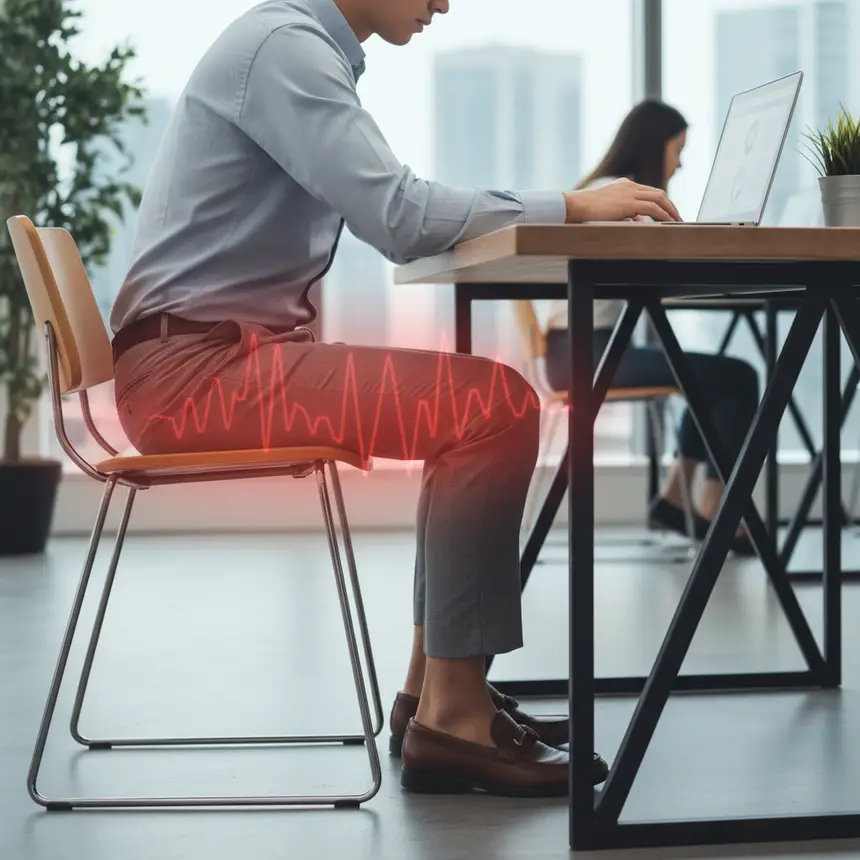
Suffering from persistent lower back discomfort? Discover how a simple 10-minute daily routine can strengthen your core and improve posture. Learn effective home exercises and essential safety tips to cultivate a healthier, more resilient back.

Addressing Everyday Lower Back Discomfort with Consistent Movement
In our modern lives, often spent sitting or standing for extended periods, lower back discomfort can feel like an inevitable companion. It often begins as a mild stiffness and gradually escalates into persistent aches that interfere with daily activities. Ignoring these early signals can lead to more than just muscle fatigue; it can result in weakened core muscles that are unable to properly support your spine. But don't fret! If you're not dealing with a severe, medically diagnosed condition, a few simple lower back exercises performed consistently at home can make a significant difference.
Commit just 10 minutes each day to strengthen your core, the powerhouse of your body. This consistent effort can dramatically help in correcting slumped posture and easing the tension in your lower back that causes nagging aches. It's crucial to start gently, without overexertion, approaching it as if you're slowly waking up dormant muscle cells. Ready to take the first step towards a healthier back?
Commit just 10 minutes each day to strengthen your core, the powerhouse of your body. This consistent effort can dramatically help in correcting slumped posture and easing the tension in your lower back that causes nagging aches. It's crucial to start gently, without overexertion, approaching it as if you're slowly waking up dormant muscle cells. Ready to take the first step towards a healthier back?
Three Effective Core-Strengthening Moves for Your Home Routine
Before diving into core-strengthening exercises, it's essential to perform about 5 minutes of gentle stretching to loosen up your muscles and warm up your body. Skipping this can put undue stress on your muscles, so take the time to gently prepare.
2. Release your arms and slowly fold forward, trying to touch your toes. Keep your knees straight, focusing on the stretch in your hamstrings. Don't force it; go only as far as comfortably possible.
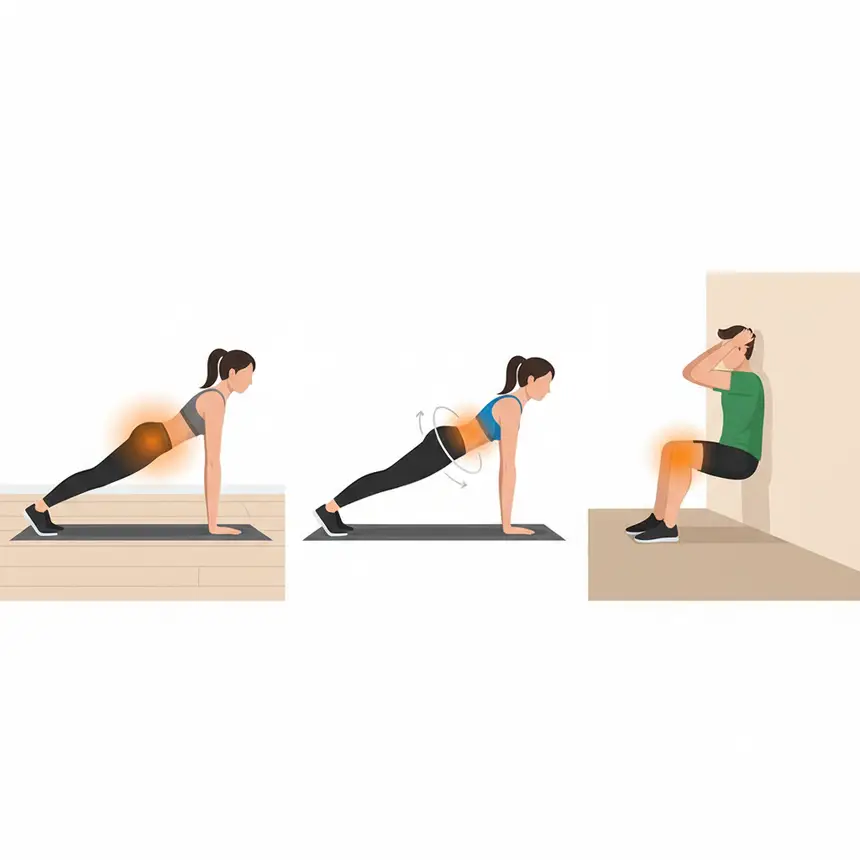
Once you feel sufficiently warmed up, incorporate these three key exercises for a healthier back:
1. The Bridge
Lie on your back with your knees bent and feet flat on the floor, hip-width apart. Engage your glutes and core, then lift your pelvis off the ground until your body forms a straight line from your knees to your shoulders. Hold for 1 second before slowly lowering back down. Perform 3 sets of 15 repetitions.
2. The Plank
Start in a face-down position, placing your elbows on the floor directly beneath your shoulders, forearms flat. Lift your body, supporting yourself on your elbows and toes, keeping your core tight to prevent your hips from sagging. Ensure your body forms a straight line from your head to your heels, which should be perpendicular to the floor. Begin by holding for 20-30 seconds, gradually increasing to a full minute as your strength improves.
3. The Wall Sit
Stand with your back flat against a wall. Slowly slide down the wall until your knees are bent at a 90-degree angle, as if sitting on an invisible chair. Your thighs should be parallel to the floor. If you experience knee pain, stop immediately. Focus on controlled movement as you slide down and back up. Aim for 3 sets of 15 repetitions with proper form.
- Warm-up Stretches:
2. Release your arms and slowly fold forward, trying to touch your toes. Keep your knees straight, focusing on the stretch in your hamstrings. Don't force it; go only as far as comfortably possible.
Once you feel sufficiently warmed up, incorporate these three key exercises for a healthier back:
1. The Bridge
Lie on your back with your knees bent and feet flat on the floor, hip-width apart. Engage your glutes and core, then lift your pelvis off the ground until your body forms a straight line from your knees to your shoulders. Hold for 1 second before slowly lowering back down. Perform 3 sets of 15 repetitions.
2. The Plank
Start in a face-down position, placing your elbows on the floor directly beneath your shoulders, forearms flat. Lift your body, supporting yourself on your elbows and toes, keeping your core tight to prevent your hips from sagging. Ensure your body forms a straight line from your head to your heels, which should be perpendicular to the floor. Begin by holding for 20-30 seconds, gradually increasing to a full minute as your strength improves.
3. The Wall Sit
Stand with your back flat against a wall. Slowly slide down the wall until your knees are bent at a 90-degree angle, as if sitting on an invisible chair. Your thighs should be parallel to the floor. If you experience knee pain, stop immediately. Focus on controlled movement as you slide down and back up. Aim for 3 sets of 15 repetitions with proper form.
※ This post contains affiliate links. I may earn a commission at no extra cost to you.


Key Principles for Safe and Sustainable Back Health
Building a strong, healthy back involves more than just going through the motions; it requires adherence to several important principles. To ensure your exercises are both safe and effective, keep these points in mind:
This routine is ideal for individuals looking to address everyday discomfort or improve their posture. However, if you experience chronic or severe pain, or if your pain is due to a specific medical condition, always consult a healthcare professional before starting any new exercise regimen.
- Gradual Progression: Attempting too much too soon can lead to muscle strain or injury. Start with fewer sets or repetitions and gradually increase the intensity as your body adapts. It's best to begin gently, focusing on 'waking up' your muscles.
- Listen to Your Body's Signals: While some muscle fatigue or stretching sensation is normal during exercise, any sharp or uncomfortable pain is a clear sign to stop immediately. Pushing through pain can be detrimental to your health. Recheck your form, take a break, or consider consulting a fitness professional if pain persists.
- Consistency is Key: These exercises aren't a magical fix for overnight results. Consistent practice, even for short durations daily, is the most crucial factor for long-term back health. Sticking to your 10-minute routine regularly will help you gradually develop a stronger, more comfortable back over time.
This routine is ideal for individuals looking to address everyday discomfort or improve their posture. However, if you experience chronic or severe pain, or if your pain is due to a specific medical condition, always consult a healthcare professional before starting any new exercise regimen.
Frequently Asked Questions
Q. Why is lower back discomfort such a common issue?
A. Many factors contribute to frequent lower back discomfort, including prolonged sitting or standing, poor posture, and insufficient core muscle strength. When the spine is repeatedly subjected to strain from daily activities, weak muscles may fail to provide adequate support, leading to aches and stiffness.
Q. How often should I perform this lower back exercise routine to see results?
A. Consistency is paramount. Aim to perform this routine for about 10 minutes daily. Begin with fewer sets for each exercise and gradually increase as your strength improves. Regular, dedicated effort is key to building a healthier and stronger back.
Q. What should I do if I experience pain in my lower back during these exercises?
A. While a gentle stretch or muscle fatigue might be expected, if you feel any sharp or uncomfortable pain, stop the exercise immediately. Pushing through pain can lead to injury. Re-evaluate your form, take a break, or consider consulting a fitness professional if the pain persists.
Q. Can strengthening my lower back also help improve my posture?
A. Absolutely. Lower back exercises are crucial for strengthening your core muscles, which provide vital support and stability for your spine. A strong core helps maintain proper alignment, naturally improving your overall posture and potentially alleviating issues like rounded shoulders or pelvic tilt.