Looking for short-term weight loss? Discover a realistic approach to feeling lighter in just one week with effective diet and exercise strategies. Start your healthy journey today.

Setting Realistic Expectations for Quick Results
Many people aspire to shed a few pounds quickly, perhaps for an upcoming event or simply to kickstart a healthier lifestyle. The idea of seeing noticeable results in just one week can be very appealing, but what's genuinely achievable? To be clear, achieving significant pure fat loss in such a short timeframe is challenging. A single pound of body fat contains roughly 3,500 calories, meaning to lose 4 pounds (approx 2kg) of fat in a week, you'd need to create a daily caloric deficit of over 2,000 calories – a difficult and potentially unhealthy target to sustain.
However, experiencing a tangible difference in your body within that initial week is entirely possible. Our body weight is dynamic, influenced by factors like water retention, glycogen stores, and digestive content. By making smart dietary choices and increasing your physical activity, you can effectively manage these variables. It's common for individuals to see a 2-4 pound (1-2kg) drop in weight and a reduction in waist circumference during their first week. This initial success isn't just about the numbers on the scale; it's a powerful psychological boost, setting a positive tone and building momentum for your longer-term health journey. Think of it as laying the groundwork for more substantial changes to come.
However, experiencing a tangible difference in your body within that initial week is entirely possible. Our body weight is dynamic, influenced by factors like water retention, glycogen stores, and digestive content. By making smart dietary choices and increasing your physical activity, you can effectively manage these variables. It's common for individuals to see a 2-4 pound (1-2kg) drop in weight and a reduction in waist circumference during their first week. This initial success isn't just about the numbers on the scale; it's a powerful psychological boost, setting a positive tone and building momentum for your longer-term health journey. Think of it as laying the groundwork for more substantial changes to come.
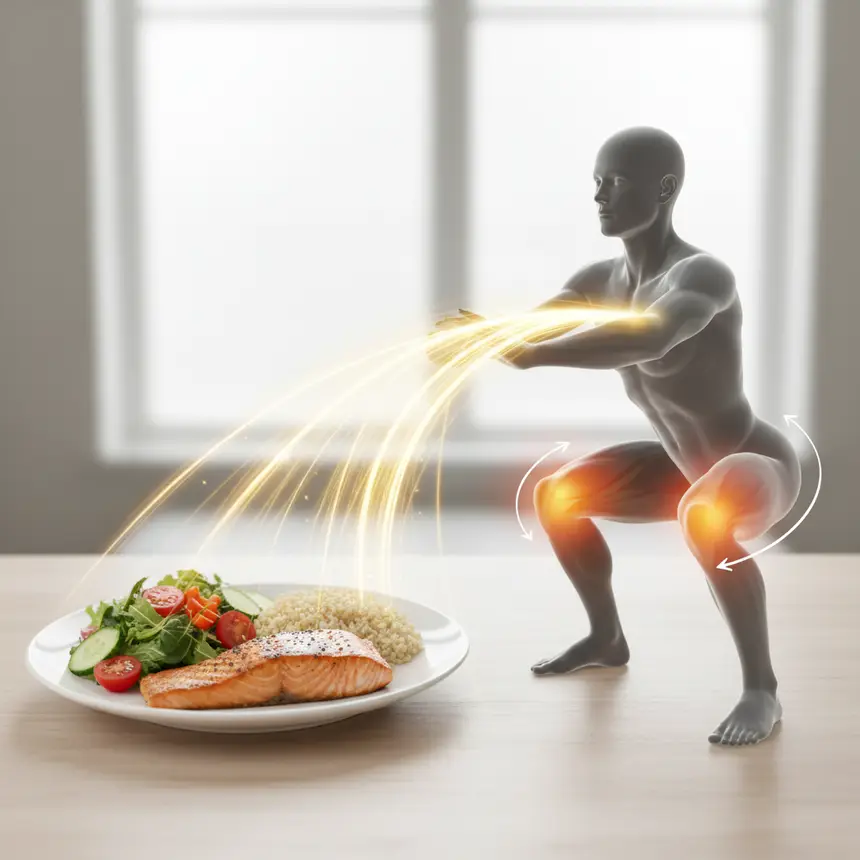
Smart Nutrition and Targeted Movement for Initial Progress
Achieving successful short-term body changes relies on a balanced approach to both nutrition and exercise. Starving yourself can lead to rebound eating and metabolic slowdown, so the key is to fuel your body smartly, focusing on quality and controlled portions.
- Nutritional Guidance: Limit your carbohydrate intake to about a fist-sized portion per meal, opting for complex carbs like brown rice or quinoa instead of refined grains. Prioritize protein, aiming for at least 0.55 grams per pound of body weight (1.2g/kg) daily, which helps preserve muscle mass and keeps you feeling full. Lean sources such as boiled eggs, tofu, chicken breast, or fish are excellent choices. Incorporate a small amount of healthy fats, like those found in olive oil or flaxseed, to enhance satiety and provide essential nutrients.
- Sample Meal Plan:
- Breakfast: Plain Greek yogurt with a handful of berries and one hard-boiled egg.
- Lunch: Half a cup of brown rice, 4 ounces (100g) of grilled chicken breast, and two handfuls of fresh salad greens.
- Dinner: Half a block of tofu, 4 ounces (100g) of baked salmon, and a generous portion of mixed vegetable salad.
- Snacks: Lukewarm water, black coffee, or a small handful of unsalted nuts.
- Exercise Strategy: A combination of cardiovascular and strength training is most effective for boosting calorie expenditure and maintaining your metabolic rate.
- Cardio: Aim for 30-45 minutes of brisk walking or cycling most days. The ideal intensity should leave you slightly breathless, making conversation a little challenging.
- Strength Training: Focus on full-body movements like squats, lunges, hip hinges for the lower body, and push-ups or rows for the upper body. Perform 10-12 repetitions for 3 sets each. Initially, prioritize proper form and injury prevention over heavy weights. Listen to your body; if you feel pain, reduce the intensity or stop the exercise immediately.
※ This post contains affiliate links. I may earn a commission at no extra cost to you.


Cultivating Habits for Sustained Progress
Achieving short-term body changes extends beyond just diet and exercise; it's about integrating small, impactful habits into your daily life. Consistently applying these practices will not only help you see initial results but also build a solid foundation for long-term health and well-being.
These simple lifestyle adjustments are fundamental not just for initial weight changes but for establishing a sustainable, healthy lifestyle. The small victories you achieve in your first week can be the catalyst for positive, long-lasting impacts on your health journey.
- Hydration is Key: Make it a goal to drink at least 68 ounces (2 liters) of water daily. Water supports metabolism, aids in flushing out waste, and can help reduce feelings of hunger. Keep a water bottle handy as a visual reminder.
- Prioritize Quality Sleep: Lack of sleep can disrupt hormones that regulate appetite, potentially leading to increased cravings and overeating. Aim for 7-8 hours of quality sleep each night to support hormonal balance and allow your body to recover. A warm shower before bed can help improve sleep quality.
- Track Your Journey: Develop the habit of briefly logging your food intake, exercise, and any body changes (like weight or waist measurements). This practice provides valuable insights into your patterns and serves as a powerful motivator to stay on track towards your goals.
- Smart Choices When Eating Out: When faced with social dining, plan ahead. Opt for grilled or baked dishes instead of fried or sugary options. Drinking a glass of water before your meal can help you feel fuller, preventing overconsumption.
- Embrace Consistency: Success isn't about perfection; it's about persistence. Rather than undoing your week's progress with weekend indulgences, allow for small, healthy treats while generally sticking to your principles. This consistent effort is what truly transforms short-term gains into lasting habits.
These simple lifestyle adjustments are fundamental not just for initial weight changes but for establishing a sustainable, healthy lifestyle. The small victories you achieve in your first week can be the catalyst for positive, long-lasting impacts on your health journey.
Frequently Asked Questions
Q. Is a 2-4 pound (1-2kg) weight loss realistic in just one week?
A. Yes, it's a realistic target for initial changes. This early weight reduction is primarily due to a decrease in stored water, glycogen, and gut content, which is a natural and rapid response when you begin a diet. While pure fat loss takes longer, this initial shift can provide significant motivation.
Q. Should I skip meals to lose weight faster in the short term?
A. Skipping meals might seem to reduce weight quickly, but it often slows down your metabolism, can lead to muscle loss, and significantly increases the likelihood of overeating later. For healthy, sustainable weight management, it's much more effective to eat regular, balanced meals, controlling portion sizes and calorie intake.
Q. What if I experience joint pain during exercise, like in my knees or back?
A. If you feel joint pain during exercise, you should immediately reduce the intensity or stop the movement. Ignoring pain can lead to injury. Consider replacing high-impact exercises with low-impact options like swimming or cycling, and if the pain persists, consult a healthcare professional.
Q. How does sleep quality affect weight loss and body changes?
A. Sleep plays a crucial role in weight management. Insufficient sleep can disrupt the balance of appetite-regulating hormones like leptin and ghrelin, leading to increased hunger and cravings for high-calorie foods. Adequate, quality sleep helps maintain hormonal balance and supports a healthy metabolism, positively influencing your body's ability to change.