Looking for a low-impact way to boost your overall health? Discover the diverse forms and health benefits of cycling, along with practical tips for a sustainable routine, and start living a more vibrant life.

Rediscover Vitality Without Joint Strain
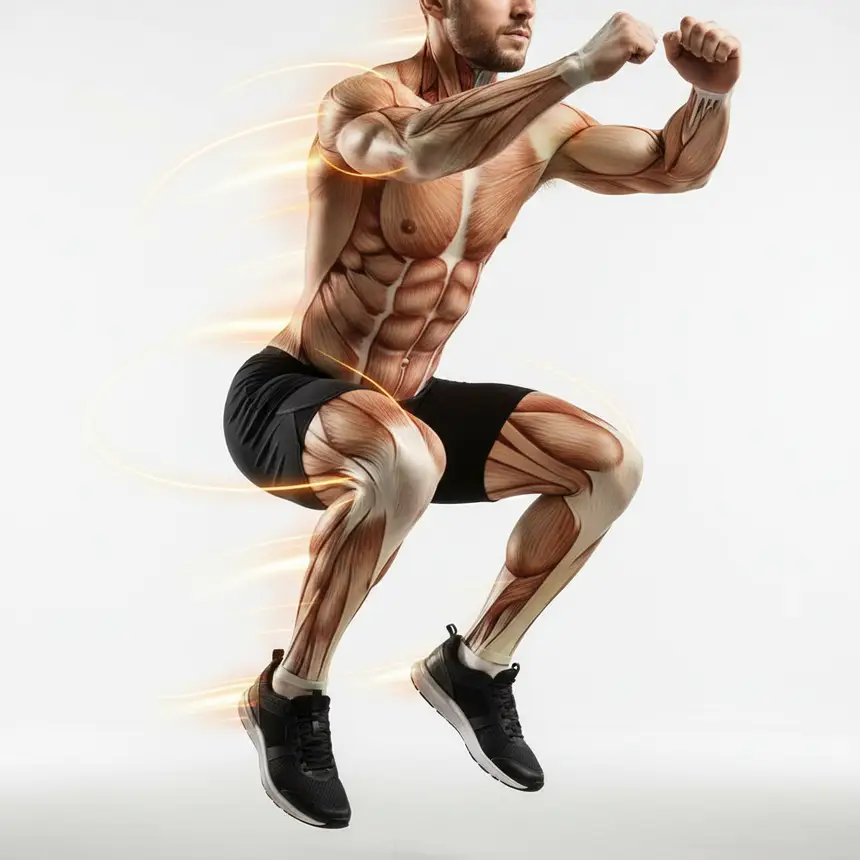
Do you often feel sluggish and drained by daily routines, yet the thought of starting an exercise regimen fills you with dread due to joint concerns or the fear of intense sweating? If you're dealing with knee or back discomfort, or simply out of shape, a common anxiety arises: "Can I really stick to this?" This internal struggle is a real barrier for many today. High-impact workouts like running or heavy lifting can seem daunting. However, amidst these challenges, there's a gentle yet powerful path to transformation. What if you could engage your entire body, build robust health, and restore your energy without putting undue stress on your joints, much like gliding smoothly through the air on a bike? Discover cycling—a low-impact activity that holds the key to the vitality your body and mind crave.
The Silent Toll of Inactivity
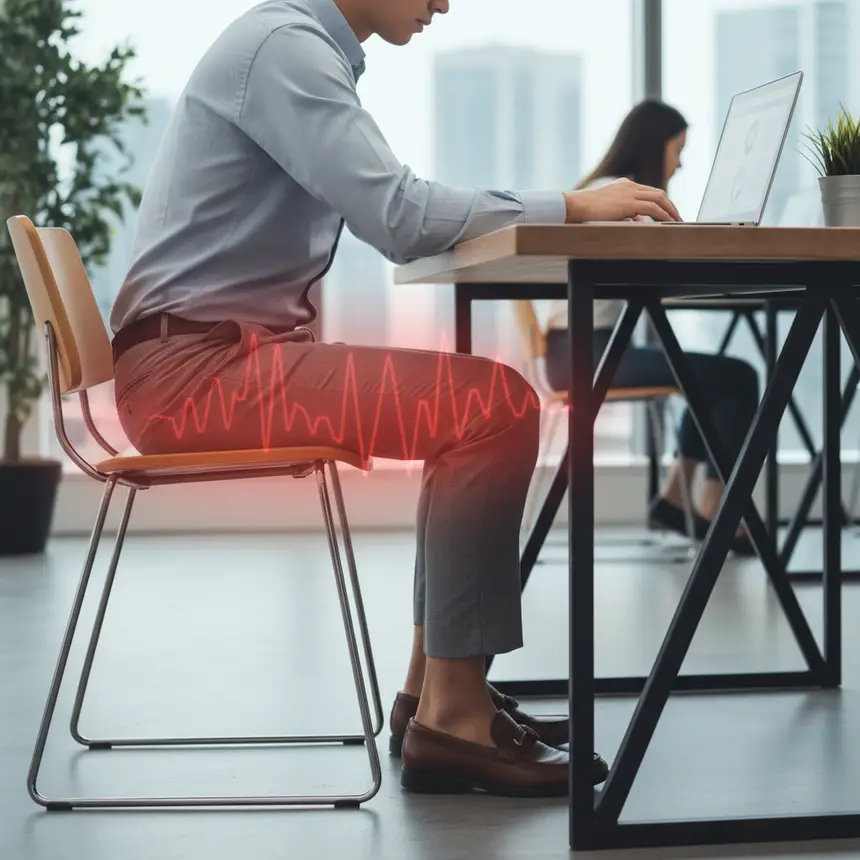
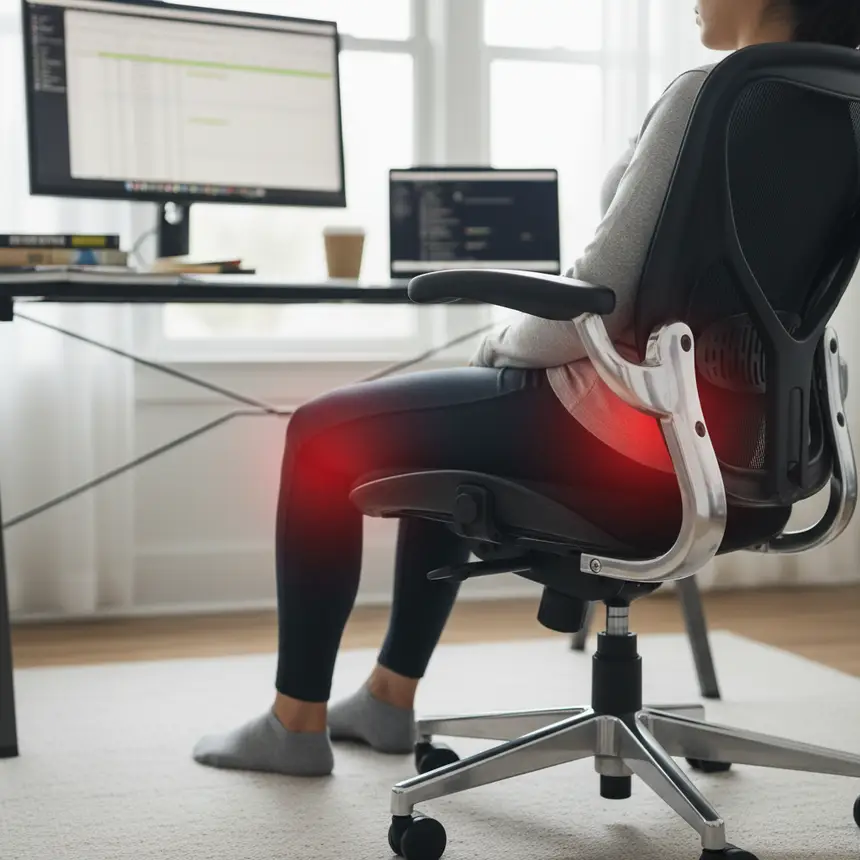
Modern lifestyles often inadvertently reduce physical activity, forcing us into prolonged periods of sitting. With increasing time spent in front of screens, physical movement sharply declines, becoming a primary driver of various health issues. Commonly, this leads to persistent strain on major joints like the lower back and knees, causing or worsening pain and reducing overall flexibility. Furthermore, a lack of physical activity slows blood circulation and impairs metabolic efficiency, contributing to chronic fatigue and lethargy. Insufficient energy production can also trigger mood swings and difficulty concentrating, trapping individuals in a cycle of declining quality of life. In this scenario, finding activities that offer full-body benefits without taxing the joints becomes crucial to break free from this pattern.
※ This post contains affiliate links. I may earn a commission at no extra cost to you.

Exploring the Diverse Benefits and Types of Cycling
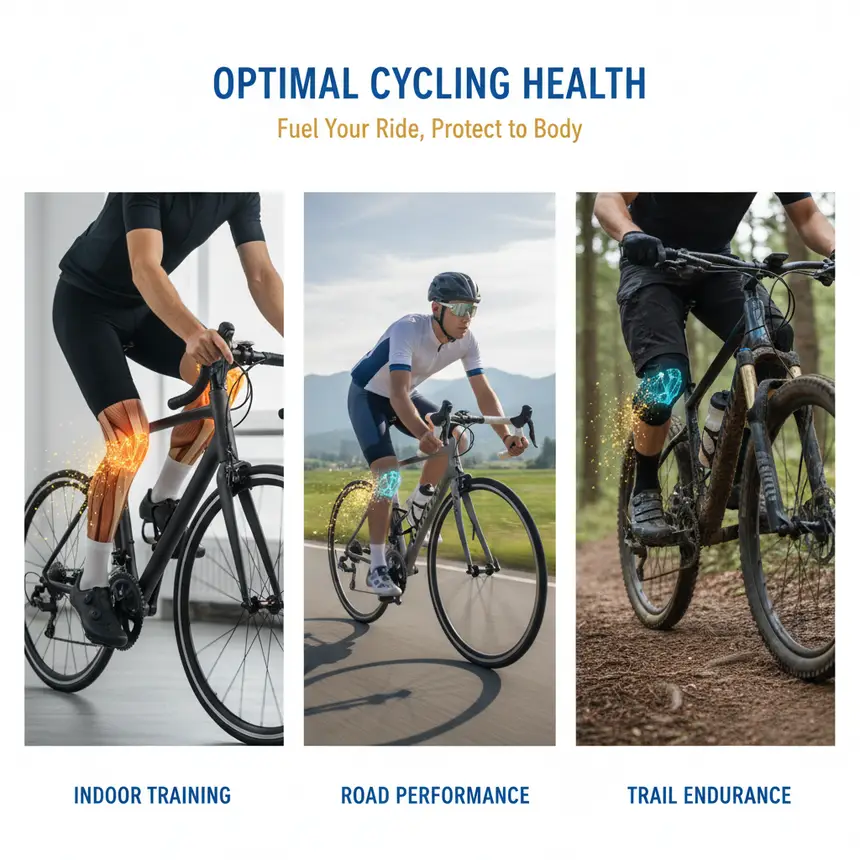
One of the most effective solutions to modern sedentary issues is regular cycling. This activity significantly boosts heart and lung function, promoting healthy blood circulation and enhancing cardiovascular wellness. Consistent riding strengthens major lower body muscles—quadriceps, hamstrings, and calves—improving overall body support and muscular endurance. Cycling also burns a substantial amount of calories per hour, making it essential for healthy weight management, particularly effective for reducing body fat. Beyond physical changes, the positive hormones released during exercise help alleviate stress and elevate mood, proving excellent for mental well-being. With various options like indoor stationary bikes, scenic outdoor road cycling, or thrilling off-road mountain biking, you can choose a style that fits your environment and preferences, ensuring sustained engagement. Start your journey today by selecting the method that suits you best.
Your Practical Guide to Sustainable Cycling
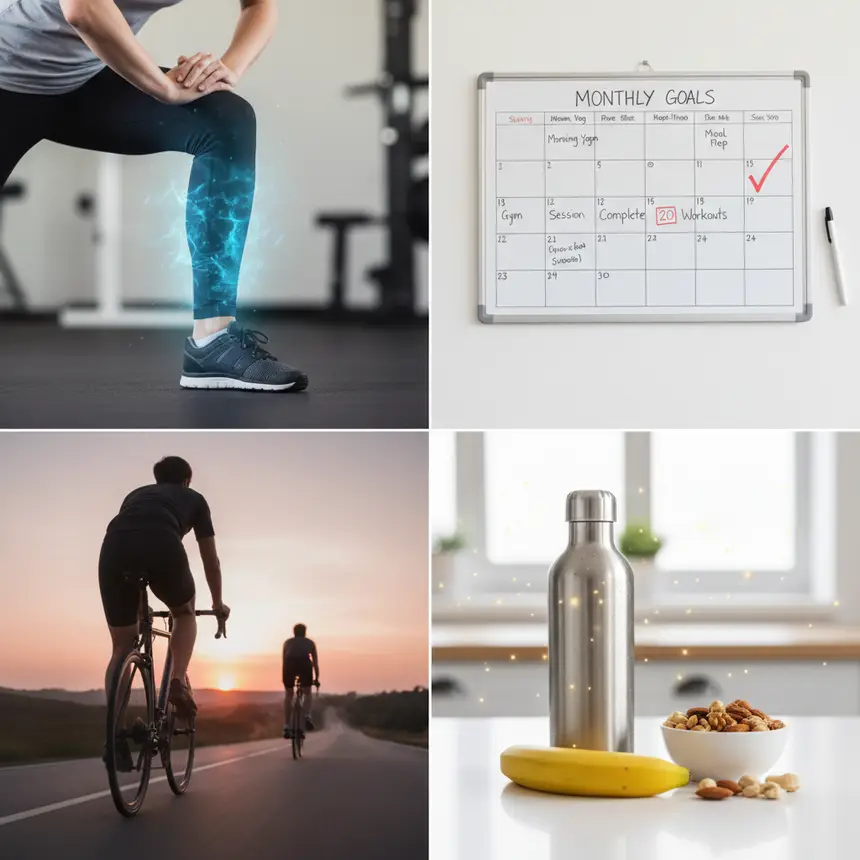
To effectively start and sustain your cycling routine, a few preparatory steps and consistent practices are key. First, pre- and post-workout stretching is vital to prevent injury. Focus on increasing flexibility in your lower body and core muscles, and gently warm up your body with light cardio to gradually raise your heart rate. Hold each stretch for 15-30 seconds. Second, set clear, measurable goals and track your progress to stay motivated. For instance, aiming for 'at least three 40-minute cycling sessions per week' and logging your achievements can significantly boost your enthusiasm. Third, to keep the fun alive, vary your routes or cycle with friends. Exploring new places or joining group rides can expand your social interaction and enhance long-term commitment. Lastly, remember that ample hydration and a balanced diet rich in vitamins, minerals, and proteins are crucial for muscle recovery and energy replenishment.

Embark on Your Journey to a New Lifestyle
Don't let joint pain or lack of fitness hold you back from an active life any longer. Cycling is more than just a physical activity; it's a powerful tool that can bring positive changes across your entire life. This low-impact, full-body workout not only boosts physical health but also offers profound mental benefits like stress relief, mood enhancement, and improved focus. Each smooth pedal stroke will build a stronger body and foster a calmer mind. Starting today, find the cycling style that suits you and commit to consistent practice with small, achievable goals. Whether you begin with an indoor stationary bike or embrace the thrill of outdoor rides, consistency is paramount. Before long, you'll be amazed by the positive transformation your body and mind experience. Why not embark on this journey towards a vibrant, energetic new lifestyle right now? A healthier you awaits.
Frequently Asked Questions
Q. Why is cycling considered good for your joints?
A. Cycling is beneficial for joints because it's a non-weight-bearing exercise. Your feet remain on the pedals, reducing direct impact on joints like knees and ankles. This allows you to strengthen lower body muscles and improve flexibility with minimal stress on your joints.
Q. How can I maximize weight loss results from cycling?
A. Consistency is key for weight loss. Aim for 3-5 sessions per week, each lasting at least 30 minutes at a moderate intensity to increase calorie expenditure. Incorporating high-intensity interval training (HIIT) can further boost fat burning. Healthy dietary choices are also crucial.
Q. Should I choose indoor or outdoor cycling?
A. Indoor cycling offers the advantage of consistent workouts regardless of weather, with access to structured training programs. Outdoor cycling allows you to enjoy scenery and experience varied terrain, providing a more diverse workout. Choose based on your fitness goals and personal preferences.
Q. What are the best ways to reduce muscle soreness after cycling?
A. Post-ride, thorough stretching is essential to relax muscles. Using a foam roller for self-massage can also help improve blood circulation. Adequate hydration and a protein-rich diet support muscle recovery, and warm showers or baths can further ease discomfort.