Discover an effective workout routine for your 40s to overcome pain and boost vitality.
From posture correction to strength building, start living a healthier, more active midlife today.

Midlife Challenges: Addressing Aches, Pains, and Declining Stamina
As we age, it's natural to notice shifts in our physical capabilities. For many entering their 40s, this often means confronting unexpected aches, diminished stamina, and a general feeling of not being as 'strong' as before. Postural habits that were once dismissed can now contribute to persistent shoulder stiffness, lower back pain, or general fatigue from minimal activity. These physical hurdles can drain your energy, affecting daily life and even impacting your mood. Do you often find yourself thinking, 'I really should start working out,' or 'It's just too hard to get moving,' only to postpone it? Implementing a consistent 40s workout routine can be the critical first step in tackling these concerns and revitalizing your midlife fitness. Many can attest to how quickly their physical condition can deteriorate when exercise stops. While a short break might offer temporary relief, it doesn't fundamentally contribute to long-term stamina enhancement, posture correction, or effective pain management.
Strategic Exercise: Core Routines for Balance and Strength
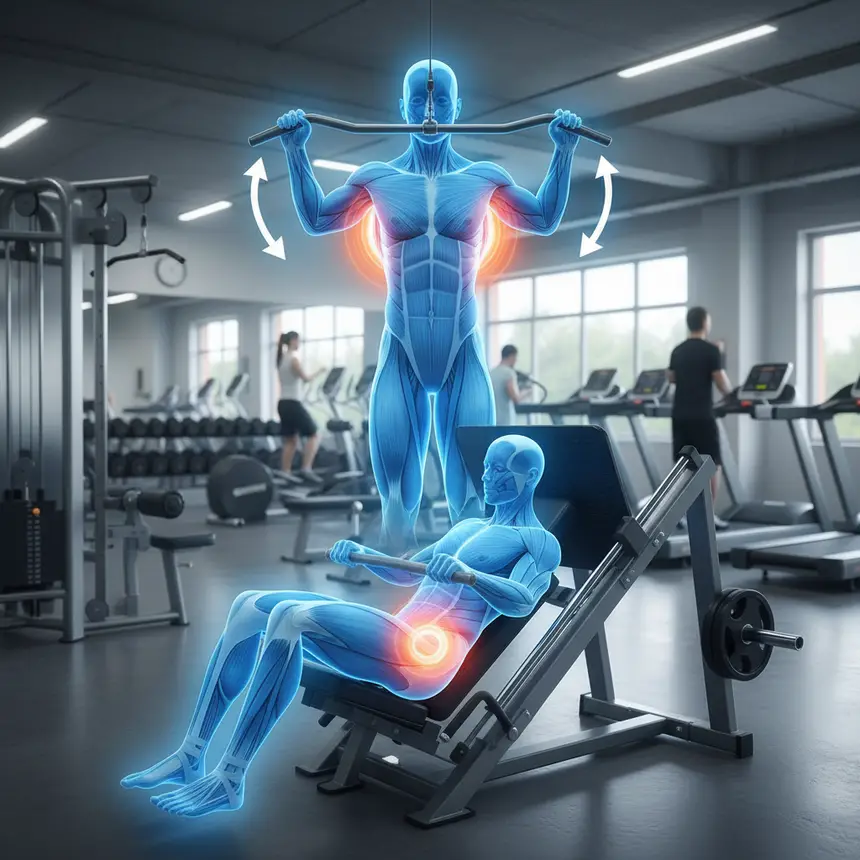
A primary contributor to the aches, pains, and reduced stamina common in midlife is often poor posture coupled with imbalanced muscle use. Habits like prolonged sitting or constant smartphone use can weaken crucial back and shoulder muscles, placing undue stress on specific areas and leading to chronic discomfort. To combat these issues and achieve robust stamina enhancement, a well-rounded 40s workout routine is essential. Building a personalized exercise plan tailored to your specific needs is often the most effective approach.
Key Strength Training Movements
Strengthening your back, shoulders, and lower body muscles is crucial for maintaining proper posture and managing pain.
Cardiovascular Exercise and Pre/Post-Workout Care
Sufficient stretching before and after strength training is vital for injury prevention. Regular cardiovascular exercise, performed 2-3 times a week for at least 30-40 minutes, is crucial for improving cardiorespiratory health and aiding in fat loss. For instance, using an incline machine (like a stair climber) with a 25-degree incline, alternating 3 minutes of brisk walking with 2 minutes of faster walking for 6-7 cycles, followed by a gentle cool-down walk, can effectively burn approximately 400 calories. Consistency is indeed the cornerstone of midlife fitness.
Key Strength Training Movements
Strengthening your back, shoulders, and lower body muscles is crucial for maintaining proper posture and managing pain.
- Upper Body Posterior: Include machine-based back pulls (lat pulldowns), dumbbell external rotations for shoulder stability, and bent-over dumbbell rows. Aim for 3 sets of 15-25 repetitions for each, focusing on muscle engagement and proper form.
- Full Lower Body: Incorporate exercises like leg extensions, leg presses, and split squats for 3-4 sets of 18-20 repetitions to build lower body strength and balance. Foam roller wall squats can also aid in restoring leg strength.
- Core and Stability: Band-assisted hip flexor activation exercises are effective for improving core stability and overall flexibility.
Cardiovascular Exercise and Pre/Post-Workout Care
Sufficient stretching before and after strength training is vital for injury prevention. Regular cardiovascular exercise, performed 2-3 times a week for at least 30-40 minutes, is crucial for improving cardiorespiratory health and aiding in fat loss. For instance, using an incline machine (like a stair climber) with a 25-degree incline, alternating 3 minutes of brisk walking with 2 minutes of faster walking for 6-7 cycles, followed by a gentle cool-down walk, can effectively burn approximately 400 calories. Consistency is indeed the cornerstone of midlife fitness.
※ This post contains affiliate links. I may earn a commission at no extra cost to you.


Your Midlife Fitness Journey: Practical Tips and Important Considerations
A 40s workout routine isn't about simply pushing through intense discomfort. It's crucial to accurately assess your physical condition and devise a tailored strategy. If you're not feeling your best, or if a woman is experiencing physical changes due to her menstrual cycle, it's more beneficial for midlife fitness to adjust the exercise type or frequency rather than overdoing it. Exercising smartly, perhaps focusing on lighter upper body workouts or stretching, is a wise approach to maintain consistency.
The Power of Consistency and Professional Guidance
Starting your fitness journey early is one of the best gifts you can give your future self. A consistent exercise habit not only strengthens your body but also positively impacts mental well-being, injecting vitality into your life. If you're uncertain about proper exercise techniques or struggling with pain, don't hesitate to seek professional guidance. An expert can provide accurate form instruction and appropriate intensity adjustments tailored to your body and goals, crucial for reducing injury risk and maximizing workout effectiveness. This is a solid investment in long-term stamina enhancement, pain management, and healthy posture correction.
Tune In to Your Body's Signals
Always pay close attention to the signals your body sends during exercise. While mild muscle soreness is a natural part of progress, any abnormal pain warrants an immediate stop and consultation with a professional. If you're returning to exercise after a break, it's important to gradually increase intensity rather than starting too strong. True midlife fitness is achieved when regular exercise is balanced with adequate rest and a nutritious diet. Strive to make exercise a lifelong healthy habit, rather than seeking only short-term results.
The Power of Consistency and Professional Guidance
Starting your fitness journey early is one of the best gifts you can give your future self. A consistent exercise habit not only strengthens your body but also positively impacts mental well-being, injecting vitality into your life. If you're uncertain about proper exercise techniques or struggling with pain, don't hesitate to seek professional guidance. An expert can provide accurate form instruction and appropriate intensity adjustments tailored to your body and goals, crucial for reducing injury risk and maximizing workout effectiveness. This is a solid investment in long-term stamina enhancement, pain management, and healthy posture correction.
Tune In to Your Body's Signals
Always pay close attention to the signals your body sends during exercise. While mild muscle soreness is a natural part of progress, any abnormal pain warrants an immediate stop and consultation with a professional. If you're returning to exercise after a break, it's important to gradually increase intensity rather than starting too strong. True midlife fitness is achieved when regular exercise is balanced with adequate rest and a nutritious diet. Strive to make exercise a lifelong healthy habit, rather than seeking only short-term results.
Frequently Asked Questions
Q. Is it too late to start exercising in my 40s?
A. Absolutely not! The 40s are a crucial time when physical decline can accelerate, making it even more important to start a consistent exercise routine now for long-term health. Fitness experts emphasize that the sooner you begin, the better.
Q. What should I do if I experience pain during my workout?
A. If you feel any unusual or sharp pain during exercise, stop immediately and rest. If the pain persists, consult a fitness professional or healthcare provider to identify the cause and adjust your workout plan as needed. Pushing through pain can lead to injury.
Q. What types of exercises are most important for middle-aged individuals?
A. For middle-aged individuals, a balance of strength training and cardiovascular exercise is key. Focus on strengthening muscles prone to weakening, such as those in the back, core, and lower body, while also incorporating cardio to improve heart health. Flexibility exercises are also beneficial for overall physical well-being.
Q. Do you have tips for staying consistent with exercise in a busy schedule?
A. Start with small, achievable goals and gradually increase them. Try to commit to 30 minutes, 2-3 times a week, and schedule your workouts like any other important appointment. Keeping an exercise journal can also help maintain motivation. Seeking guidance from a fitness professional can also significantly boost consistency.