Middle-aged women often grapple with stubborn body fat, especially visceral fat. Uncover why belly fat is harder to lose with age and discover step-by-step strategies for body fat reduction, from boosting metabolism to burning fat.

The Persistent Belly Fat Challenge for Middle-Aged Women
As we age, our bodies undergo changes that can sometimes feel unfamiliar and frustrating. For many middle-aged women, a common lament is, "I'm eating less, but my belly seems to be growing larger!" You might remember a time in your twenties when a late-night snack had no consequences, but now, it feels like even drinking water makes your stomach feel bloated. The disappearing waistline and the need for a looser fit in clothes are more than just "age-related weight gain"; they represent a real concern. Initial attempts with simple dietary adjustments or home workouts often lead to plateaus or discomfort, like knee pain, making consistent effort difficult. This can lead to a sense of stagnation in your weight loss journey, making body fat reduction feel like an uphill battle. When this stubborn belly fat goes beyond a cosmetic issue and starts to impact health, it's time to understand the root cause.
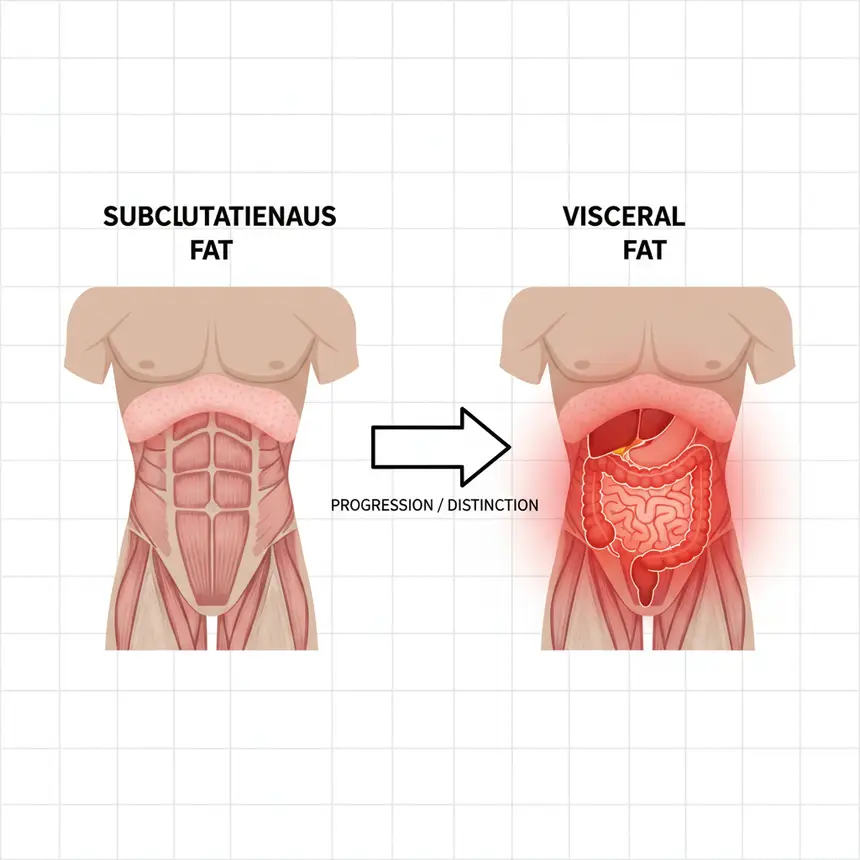
Beyond Subcutaneous Fat: Understanding the Risks of Visceral Fat
The "fat" we often talk about comes in two main forms: subcutaneous fat, which lies just beneath the skin, and visceral fat, which accumulates around your internal organs. While subcutaneous fat might be more visible, it's the visceral fat that demands particular attention due to its potential health risks. Several factors contribute to the rapid increase in visceral fat for middle-aged women, especially after their 40s. A significant contributor is the natural decline in Basal Metabolic Rate (BMR). Your BMR is the number of calories your body burns simply to maintain basic functions at rest. As this rate decreases with age, your body becomes more prone to storing excess calories as fat, even if your eating habits haven't changed drastically, or if you're eating less. Compounding this issue is age-related muscle loss. Since muscle tissue is a primary calorie-burner, a reduction in muscle mass directly impairs your body's ability to metabolize fat. Understanding these physiological shifts helps explain why relying solely on diet or a single exercise routine might no longer be effective in managing body fat.
※ This post contains affiliate links. I may earn a commission at no extra cost to you.

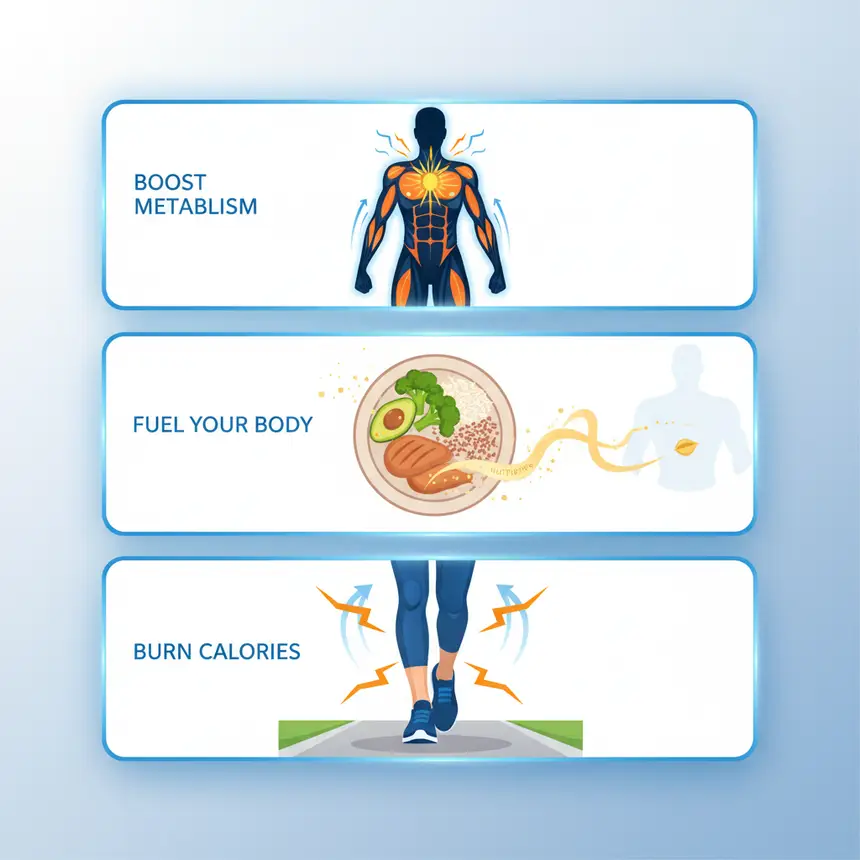
A Three-Pronged Strategy for Visceral Fat Reduction: Metabolism, Inhibition, Burn
Effectively reducing body fat, especially visceral fat, requires a multifaceted approach. Keep these three core strategies in mind and implement them consistently:
- Boost Your Basal Metabolic Rate (BMR): The goal is to make your body burn more energy even at rest. The most effective way to achieve this is by increasing muscle mass through strength training. Incorporate exercises like squats, lunges, and light dumbbell presses targeting large muscle groups 2-3 times a week. Adequate sleep also plays a crucial role in supporting metabolic activity.
- Inhibit Fat Accumulation: Diet management is key to preventing new fat storage. Focus on reducing unnecessary sugar intake and prioritizing a diet rich in protein and fiber. For example, compounds like catechins found in green tea are known to aid fat oxidation, while certain amino acids (such as L-carnitine) found in lean red meat or dairy can contribute to converting fat into energy. Regular meal times and avoiding overeating are also vital habits.
- Consistently Burn Existing Fat: Cardiovascular exercise is essential for burning off accumulated fat. Engage in activities you enjoy, such as brisk walking, jogging, swimming, or cycling, for at least 30 minutes, 3-5 times per week. Always remember to include light stretching before your workout and allow for sufficient rest afterward to prevent injuries and aid recovery.

The Power of Consistency: Your Guide to a Healthier, More Vibrant Midlife
The journey to reduce body fat is more than just a quest to see a lower number on the scale; it's an investment in a healthier, more vibrant life. Instead of aiming for dramatic, short-term changes, focus on consistency. While even small shifts might feel challenging at first, remember that minor efforts accumulated over time can lead to significant results.
- Set Small, Achievable Goals: Rather than overwhelming yourself with ambitious targets, begin with manageable goals like walking for 20 minutes daily or cutting out one daily snack. Each successful step builds momentum for the next.
- Cultivate a Positive Mindset: The changes in your body offer more than just physical improvements; they provide a deep sense of psychological satisfaction. Feeling your body become lighter can boost your confidence, which in turn reinforces positive lifestyle habits. For instance, you might find yourself reaching for clothes that fit better instead of baggy attire, experiencing a newfound self-assurance.
- Embrace Sustainable Habits: Drastic diets often lead to a yo-yo effect. The key is to discover a dietary pattern and exercise routine that you can realistically maintain for life. This approach is the most reliable path to a healthy and fulfilling life in your middle and later years.
Frequently Asked Questions
Q. Why do middle-aged women tend to gain belly fat more easily than when they were younger?
A. Middle-aged women experience a combination of hormonal changes, a decrease in basal metabolic rate, and muscle mass loss, which collectively reduce their fat-burning capacity, making it easier for visceral fat to accumulate.
Q. What types of exercise are most effective for reducing visceral fat?
A. A combination of cardiovascular and strength training exercises is most effective. Strength training helps boost your basal metabolic rate, while cardio burns accumulated fat.
Q. Are there specific foods or nutrients that help with visceral fat reduction during diet management?
A. A diet rich in protein and fiber, while reducing processed foods and sugars, is beneficial. Nutrients like catechins in green tea or L-carnitine found in lean meats and dairy are known to support fat metabolism.
Q. I have knee problems and can't do strenuous exercises. What are my options?
A. Opt for low-impact exercises that are gentle on the knees, such as swimming, cycling, brisk walking, or water aerobics. Consulting a professional for guidance on personalized, low-intensity strength training is also recommended.