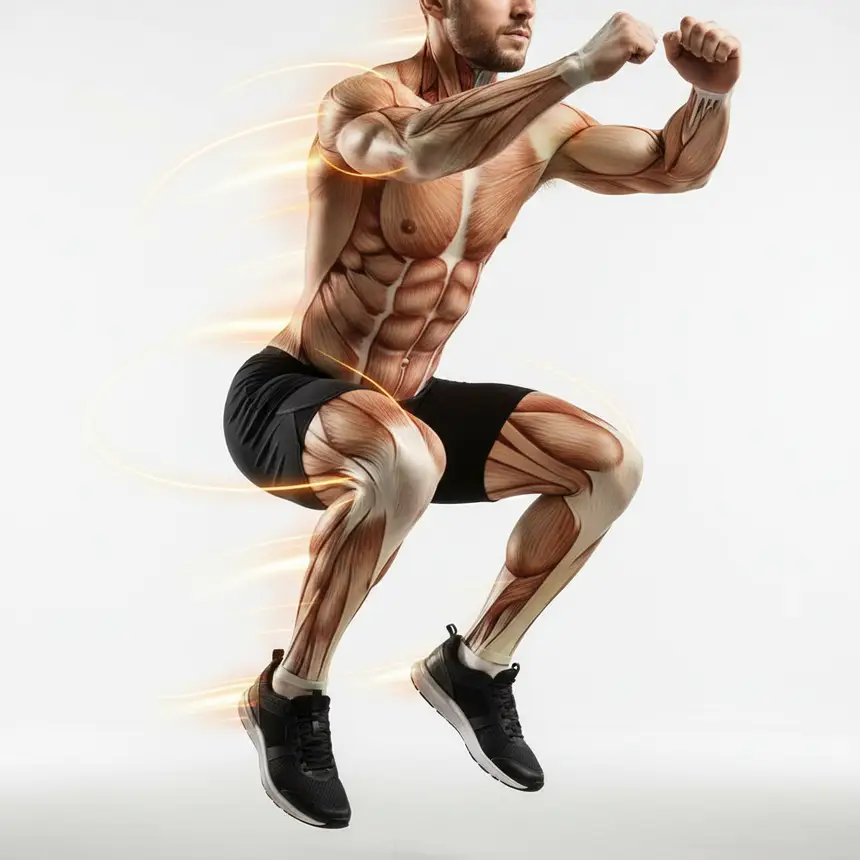
The deadlift is a cornerstone of lower body training, but its variations target different muscles. Understand the clear distinctions between Romanian deadlifts and stiff-leg deadlifts. Learn how to achieve your specific fitness goals, whether it's glute development or hamstring definition, by mastering the correct form for each.

Building a Powerful Posterior Chain: Which Deadlift Aligns with Your Goals?
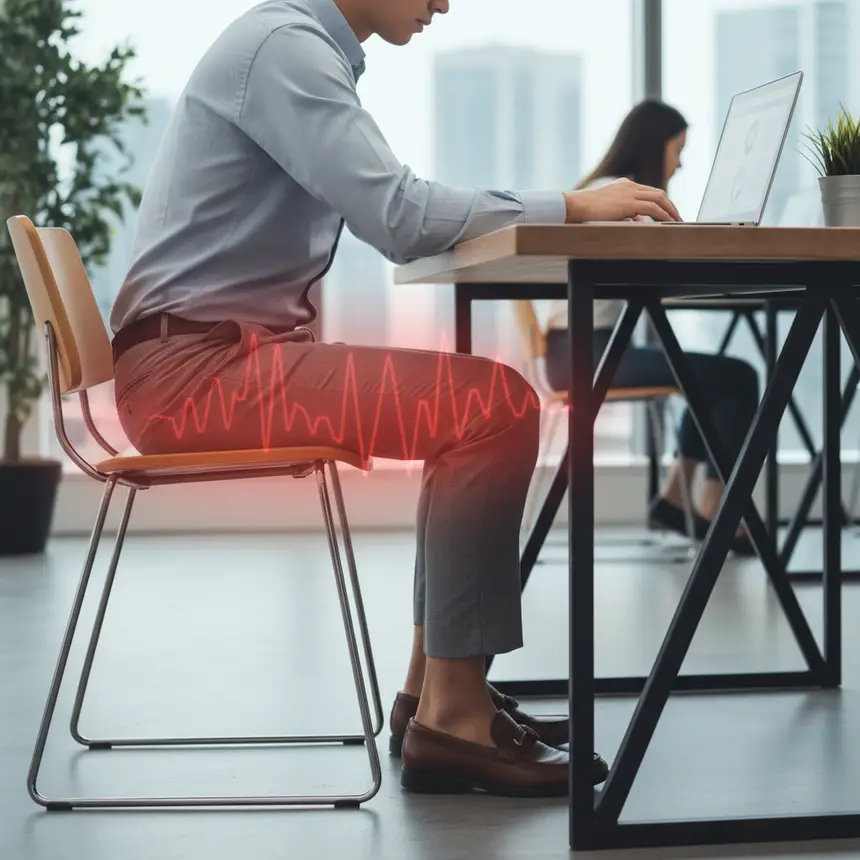
The deadlift stands as a foundational exercise for developing overall strength and a robust posterior chain. Yet, many individuals find themselves performing deadlifts only to feel the burn in unintended areas or, worse, experiencing discomfort, particularly in the lower back. You might find your glutes aren't firing, but your hamstrings are screaming, or your lower back feels exhausted after a session. This isn't usually a sign of poor strength, but rather a common misconception about the distinct deadlift variations and their primary muscle targets. Even subtle shifts in knee and hip angles can completely alter which muscle groups bear the brunt of the work. Understanding these nuances is crucial for maximizing your workout effectiveness and mitigating injury risk. Specifically, the Romanian deadlift and the stiff-leg deadlift are both excellent for strengthening the back of your legs and core, but they engage your glutes and hamstrings in different ways. Let's delve into how to choose the right deadlift variation to match your personal fitness aspirations and ensure every rep counts.
Targeting Specific Muscles: Your Guide to Romanian vs. Stiff-Leg Deadlift Form
1. The Romanian Deadlift: For Glute and Core Engagement
The Romanian deadlift (RDL) is an exceptional deadlift variation for those looking to primarily build their glutes and reinforce their spinal erectors. The cornerstone of this movement is the "hip hinge."
2. The Stiff-Leg Deadlift: For Hamstring Strength and Definition
The stiff-leg deadlift (SLDL) is a potent deadlift variation designed to intensely target and lengthen the hamstrings, boosting both their strength and flexibility.
The Romanian deadlift (RDL) is an exceptional deadlift variation for those looking to primarily build their glutes and reinforce their spinal erectors. The cornerstone of this movement is the "hip hinge."
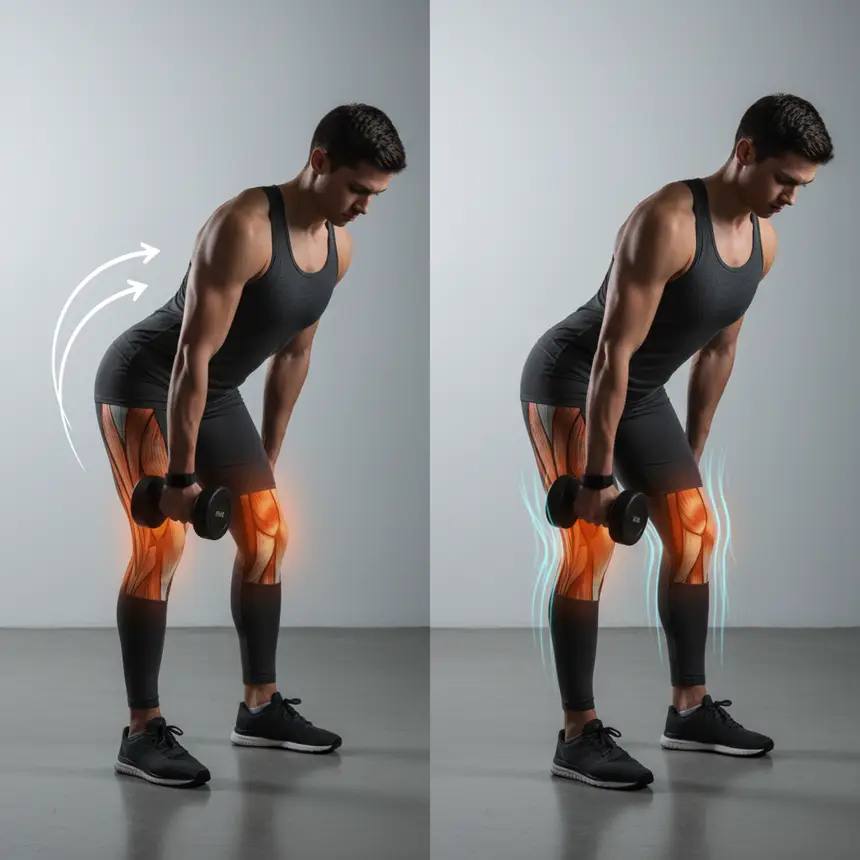
- Key Form Points: Maintain a slight bend in your knees throughout the entire movement, keeping this angle largely consistent. Focus on pushing your hips back as if you're trying to touch a wall behind you, truly "hinging" at the hips. Keep your torso straight and your core engaged to protect your lower back. The weight should descend close to your thighs. Concentrate on feeling your glutes stretch at the bottom of the movement before powerfully squeezing them to return to the starting position.
- Primary Muscles Targeted: Glutes, hamstrings, spinal erectors.
2. The Stiff-Leg Deadlift: For Hamstring Strength and Definition
The stiff-leg deadlift (SLDL) is a potent deadlift variation designed to intensely target and lengthen the hamstrings, boosting both their strength and flexibility.
- Key Form Points: Unlike the RDL, the SLDL emphasizes minimal knee bend. Your knees should be almost straight, though never locked out, to maximize the stretch on the hamstrings. Your primary movement should come from hinging at your hips, allowing your torso to fold forward as your hamstrings feel a deep stretch. Keep your pelvis stable and avoid using your lower back to initiate the movement. The weight should stay close to your legs as you descend, focusing on the strong pull and stretch in the back of your thighs.
※ This post contains affiliate links. I may earn a commission at no extra cost to you.

Effective Deadlifting at Home: Precision Over Pounds
You don't need a fully equipped gym to perform effective deadlift exercises. The most crucial aspect, whether you're in a gym or your living room, is prioritizing immaculate form over the amount of weight you're lifting. Here are some actionable tips to maximize the benefits of various deadlift variations in a home setting:
- Forget the Ego Lift: Begin with bodyweight or light objects like dumbbells or even sturdy water bottles. Your initial focus should be on internalizing the correct movement pattern and truly feeling the target muscles engage.
- Mirror, Mirror on the Wall: Position yourself sideways in front of a mirror. This allows you to monitor your form in real-time, checking for a rounded back or insufficient hip hinge. Visual feedback is invaluable for maintaining proper spinal alignment and mechanics.
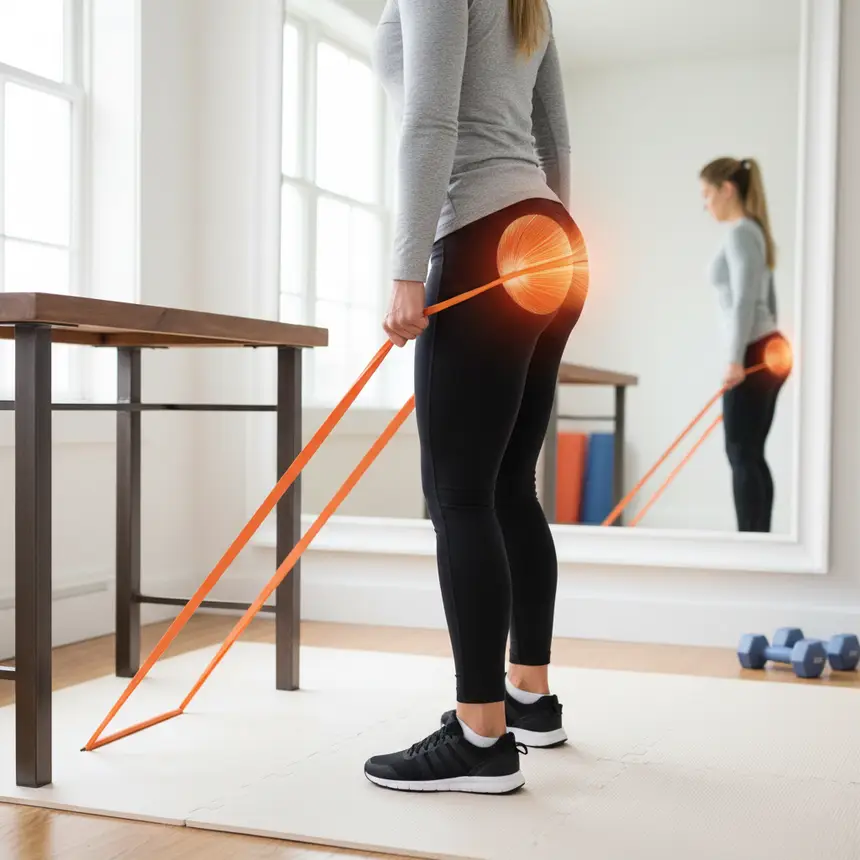
- Leverage Resistance Bands: If you struggle to grasp the hip hinge movement, try wrapping a resistance band around your hips and anchoring it behind you (e.g., to a doorframe). As you push your hips back, the band provides feedback, helping you feel the proper glute activation and ingrain the correct movement pattern.
- Mind-Muscle Connection: Actively concentrate on which muscles are working and stretching throughout each rep. For the Romanian deadlift, focus on the sensation of your glutes "folding" and stretching. For the stiff-leg deadlift, home in on the deep stretch in your hamstrings.
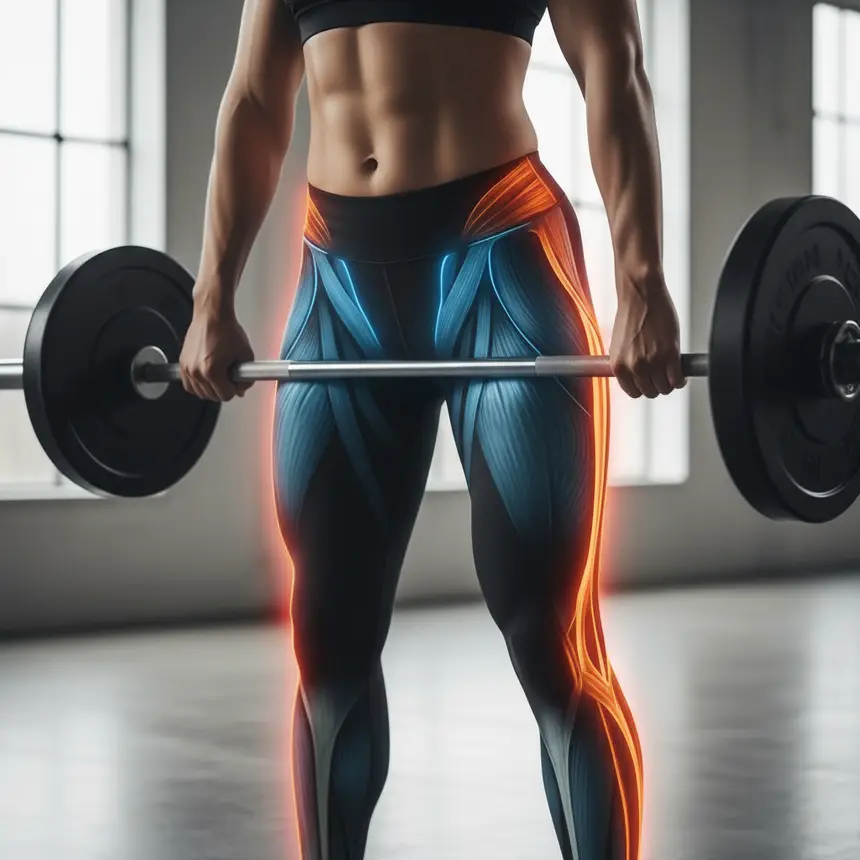
Who Benefits Most from Deadlifts?
The deadlift is an incredibly versatile exercise for boosting overall strength and core stability. However, certain individuals may find particular benefits from incorporating specific deadlift variations into their routine:
Important Precautions:
- For Sculpted Glutes and Improved Body Line: The Romanian deadlift is exceptionally effective for glute activation, making it a go-to for developing a shapely and strong posterior.
- For Toned Hamstrings and Enhanced Leg Definition: The stiff-leg deadlift zeroes in on the hamstrings, helping to build lean muscle and improve the aesthetic of your upper legs.
- For Bolstering Core Strength and Postural Stability: Both deadlift variations engage the spinal erectors and core muscles, contributing to a stronger, more stable trunk and better overall posture.
- For Those Experiencing Frequent Lower Back Discomfort During Lifts: Learning the correct form for different deadlift variations can significantly reduce strain on the lower back often caused by improper technique.
Important Precautions:
- Avoid Excessive Weight: Always start with a weight that allows you to maintain perfect form, gradually increasing it as your strength improves.
- Maintain a Neutral Spine: It is paramount to keep your back straight and avoid rounding your lower back during deadlifts. If you feel any sharp pain, stop immediately and reassess your form.
- Prioritize Flexibility: Incorporate thorough hip, hamstring, and lower back stretches before and after your workout to improve flexibility and help prevent injuries.
Frequently Asked Questions
Q. As a beginner, which deadlift variation should I start with?
A. If you're new to deadlifts, it's often best to begin with the Romanian deadlift (RDL). It's excellent for learning the fundamental hip hinge movement and how to engage your glutes effectively, as you maintain a slight bend in your knees throughout the exercise.
Q. Why do I feel lower back pain but no glute activation when doing Romanian deadlifts?
A. This usually indicates you're bending your back rather than hinging at your hips. If your hips don't push back enough and your lower back rounds, it puts undue stress on your spine. Practice the hip hinge in front of a mirror, focusing on pushing your glutes back while keeping your spine neutral. Reduce the weight until your form is perfect.
Q. Should my knees be completely straight during a stiff-leg deadlift?
A. While the stiff-leg deadlift minimizes knee bend, your knees should never be completely locked out. Maintain a very slight, soft bend to protect your joints. The primary focus is on feeling a deep stretch in your hamstrings as you hinge at the hips.
Q. What if I feel general back pain during deadlifts, not just localized lower back pain?
A. General back pain during deadlifts often points to unstable form or using a weight that's too heavy. It can also happen when your core isn't properly braced, leading to excessive strain on your back muscles. Reduce the weight, focus on bracing your core, and consider seeking guidance from a fitness professional to refine your technique.
Q. Can I get good deadlift results without using heavy weights?
A. Absolutely! Bodyweight deadlifts or using light resistance are highly effective for learning proper hip mechanics and activating your glutes and hamstrings. Using resistance bands can also add challenge and intensify muscle activation. The key is always to prioritize precise form over the amount of weight lifted.