Discover effective foam roller exercises for muscle release and flexibility. This guide provides actionable tips and targeted techniques to alleviate stiffness, enhance well-being, and bring vitality back to your daily life.

H2: Feeling Stiff? Is Muscle Release the Key You're Missing?
Do you often wake up feeling heavy and stiff? Many of us experience tight shoulders, neck, and lower back after a long day. Whether you work a desk job or are an active fitness enthusiast, modern life often leads to muscle knots and tension. This muscle tightness isn't just uncomfortable; it can drain your energy and even hinder your athletic performance. So, how can you effectively loosen up these tight muscles and regain your body's natural flexibility? Foam rolling offers a fantastic solution. In this guide, we'll dive into various foam rolling stretches and exercises that can help alleviate stiffness, enhance your well-being, and bring more vitality to your daily routine.

H2: The Modern Predicament: Understanding the Causes and Impact of Muscle Tightness
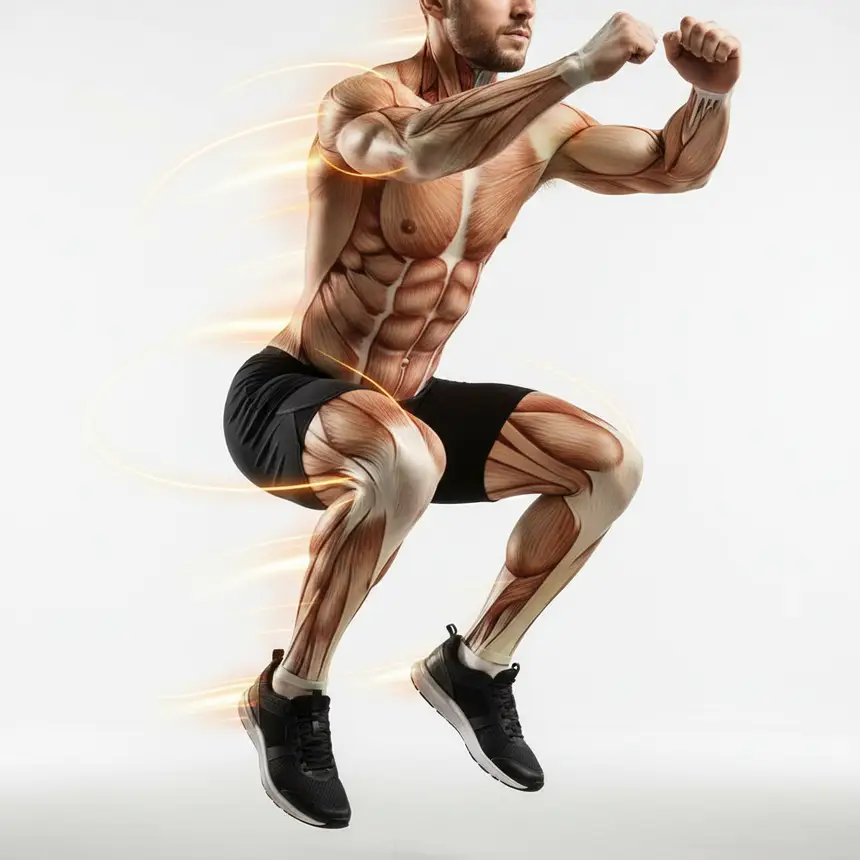
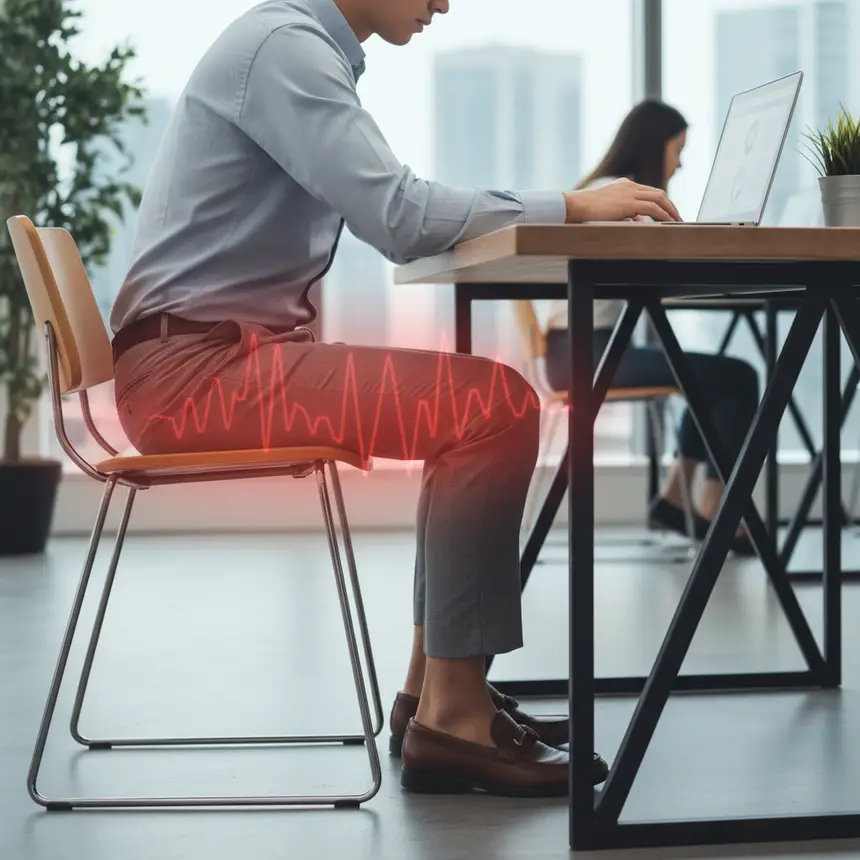
Muscle tightness can stem from various sources. Prolonged periods of poor posture, like hunching over a computer or smartphone, often lead to stiffness in the neck and shoulders. Similarly, intense workouts without adequate stretching and recovery can cause muscle fibers to shorten and knot up. Even mental stress is a significant culprit, causing our bodies to tense up unconsciously. These tight muscles can impede blood circulation, potentially contributing to temporary swelling, escalating muscle pain, and even leading to postural imbalances. For instance, tight shoulder muscles might contribute to a forward head posture, while lower back tension can affect pelvic alignment. Therefore, addressing muscle tension and maintaining suppleness is crucial for both healthy physical activity and overall quality of life.
※ This post contains affiliate links. I may earn a commission at no extra cost to you.

H2: Mastering the Foam Roller: Targeted Muscle Release Techniques
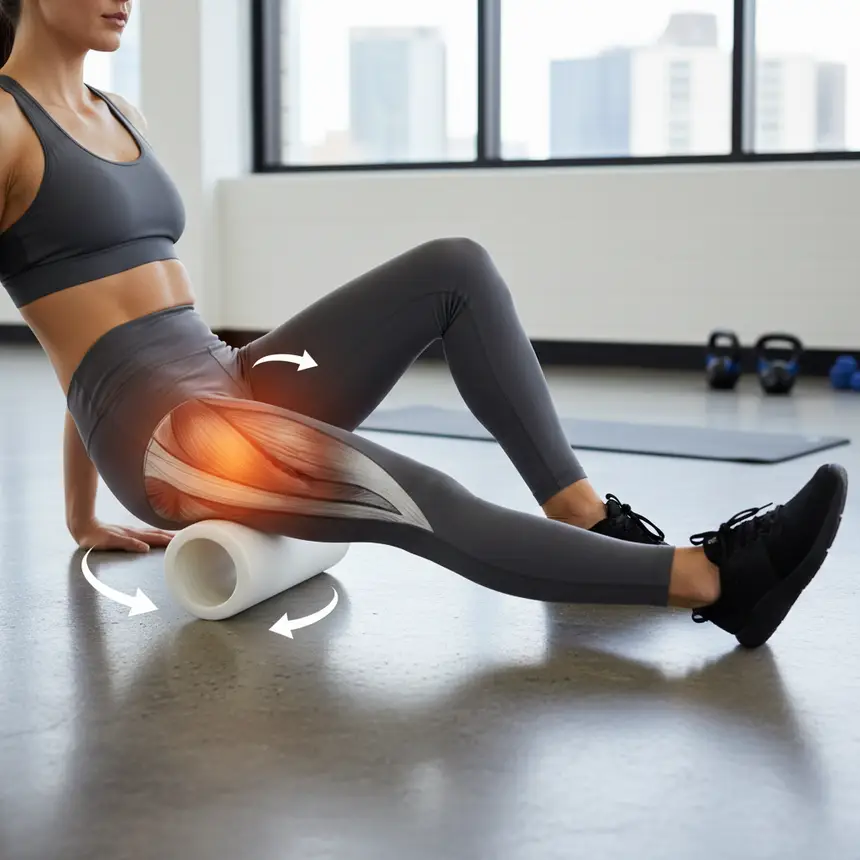
A foam roller is excellent for deep tissue stimulation, aiding myofascial release, and boosting blood flow. Here are some effective foam roller exercises for various body parts:
- Shoulders and Upper Back: Lie down with the foam roller horizontally across your mid-back. Support your head with your hands and gently roll up and down to massage the muscles around your shoulder blades. Slightly tilting your torso side-to-side can expand the area of stimulation.
- Armpits and Lymphatic Area: Lie on your side and place the foam roller under your armpit. Apply body weight and slowly move back and forth to release tension in the armpit area and latissimus dorsi.
- Outer Thigh (IT Band): Lie on your side with the foam roller under your outer thigh. Support yourself with your hands and the opposite foot on the floor, then roll up and down. For more pressure, stack your legs.
- Glutes (Buttocks): Sit on the foam roller with one glute. Cross the leg of the side you're massaging over the opposite knee to form a 'figure four' shape, then roll your entire gluteal region.
- Inner Thighs: Lie face down with the foam roller placed horizontally under your inner thigh. Support your upper body with your elbows and slowly roll side to side to loosen your adductor muscles.
- Calves: Sit with your calves on the foam roller. Lift your hips slightly using your hands for support and roll up and down. For a deeper massage, cross one leg over the other. Aim for 1-2 minutes per area, pausing on particularly tender spots for gentle sustained pressure.
H2: Actionable Tips for Maximizing Your Foam Rolling Practice
To get the most out of your foam roller, keep these practical tips in mind:
- Customize Your Pressure: Foam roller intensity varies by material and surface design. If you're new to it, start with a softer foam roller and gradually move to firmer options (like high-density EPP). During your session, aim for a stimulating, slightly uncomfortable sensation rather than sharp pain. To increase intensity, apply more body weight or hold pressure on specific areas.
- Ensure Stability: To prevent slipping and reduce injury risk, use your foam roller on a yoga mat or carpet. A longer foam roller (e.g., 36 inches) is great for full-body massages and balance exercises, while shorter ones are ideal for portability and targeted areas.
- Integrate into a Routine: Try to include 10-20 minutes of foam rolling into your daily regimen. It's particularly beneficial before or after workouts, or right before bed for enhanced muscle recovery and morning freshness. You might also consider segmenting your routine, focusing on the upper body on certain days and the lower body on others.
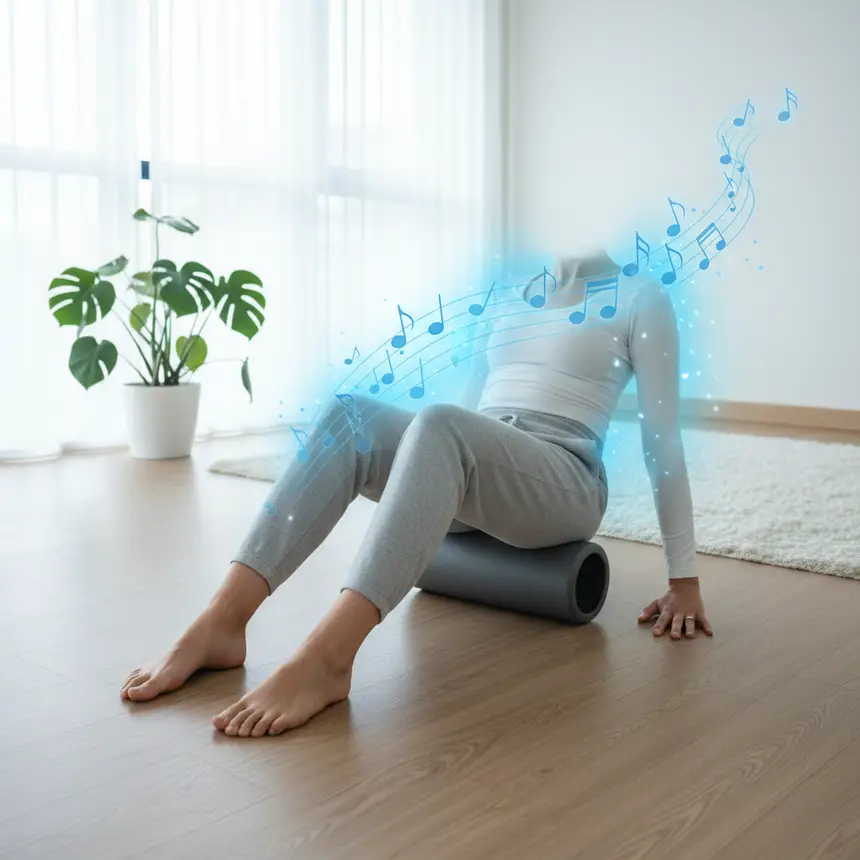
- Focus on Breath and Relaxation: Maintaining deep, relaxed breathing throughout your foam rolling session is crucial. Use your breath to release muscle tension and promote overall body relaxation. Playing calming music and approaching the session like a meditative practice can also significantly aid in stress relief.
H2: Cultivating a Vibrant Life Through Consistent Self-Care
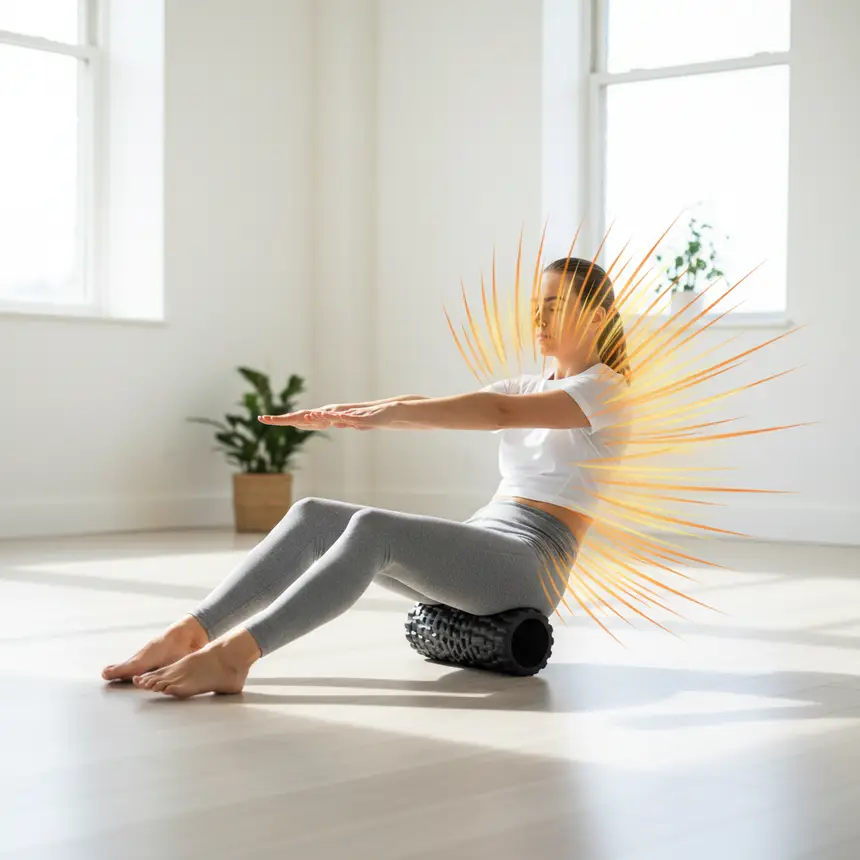
Foam rolling for muscle release is more than just a remedy for tight muscles; it can bring about positive transformations for both your body and mind. Regular foam rolling stretches improve muscle flexibility, enhancing exercise performance and supporting better posture. Moreover, by promoting healthy blood circulation, it helps revitalize your body and alleviate tension in common problem areas. Through self-massage, you can also reduce stress and foster a sense of psychological calm. Consistent self-care is no longer a luxury but a necessity. Start listening to your body today with a foam roller, and embark on a journey towards a healthier, more vibrant life. Your body will undoubtedly thank you for the effort.
Frequently Asked Questions
Q. What should I do if I experience pain while foam rolling?
A. If you feel severe pain during foam rolling, you should reduce the pressure on that area. Adjust the foam roller's position slightly or distribute your body weight to other limbs to lessen the intensity. It's advisable to start with a softer foam roller and gradually move to a firmer one as you get used to it. Repeating short, light pressure passes until the muscle relaxes can also be effective.
Q. Is it okay to use a foam roller every day?
A. Yes, using a foam roller daily is generally fine, provided you don't have any specific injuries. However, instead of focusing intensely on one spot for a prolonged period, it's recommended to massage your entire body for about 10-20 minutes. Consistent daily use can significantly improve muscle flexibility and recovery.
Q. How do I choose the right foam roller (material, length, etc.)?
A. Foam rollers vary by material (EVA, EPP, etc.), length, and surface design. For beginners, a medium-density EVA foam roller is a good starting point. For full-body use, a length of about 36 inches is ideal, while 18-24 inches might be better for portability or targeted areas. While textured foam rollers offer deeper stimulation, beginners should start with a smooth surface.
Q. What benefits can I expect after foam rolling exercises?
A. After foam rolling, you can expect several positive changes. Your body may feel lighter as tight muscles relax, and your flexibility will improve. Enhanced blood circulation can boost overall vitality, and tension in previously uncomfortable areas may ease. Regular use can also contribute to better posture, supporting your overall physical well-being.