Discover core principles and practical methods for sustainable diet meal plan management. Get a practical guide to successful weight loss without the rebound effect.

The Undeniable Benefits of Effective Diet Management
For many embarking on a health journey, the primary hurdle is often 'diet meal plan management.' Simply starving yourself or eliminating entire food groups rarely leads to lasting results. Even if initial weight loss occurs, it's often unsustainable, paving the way for the dreaded rebound effect. Effective diet management extends far beyond shedding pounds. It's about consistently maintaining your body's energy levels, ensuring a balanced intake of essential nutrients, and ultimately boosting your overall well-being. A well-structured diet plan minimizes health risks associated with drastic weight changes or nutrient deficiencies. Crucially, it lays the groundwork for developing healthy, long-term eating habits. By mastering the art of 'how to create a diet meal plan,' you gain control over unnecessary cravings and maintain satiety for longer periods, significantly reducing the stress often associated with dieting. In essence, it's not just about a smaller number on the scale; it's about building a robust foundation for a vibrant and healthy life.
Crafting Your Personalized Meal Plan: A Step-by-Step Guide
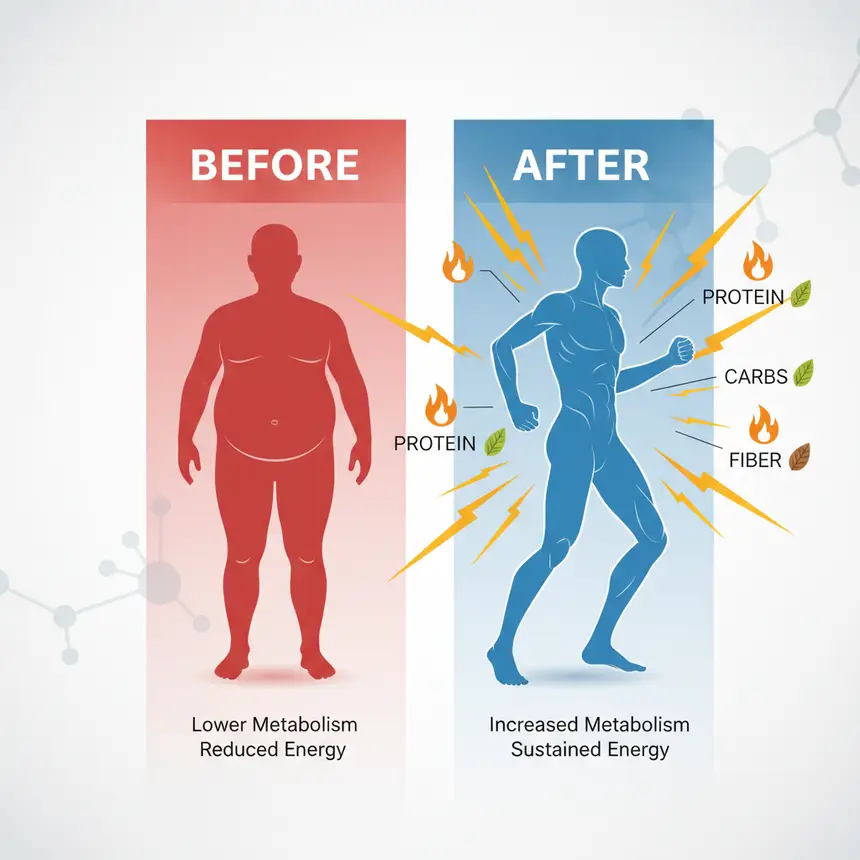
To implement effective diet meal plan management, it's crucial to first understand your body's unique energy requirements. Begin by estimating your Basal Metabolic Rate (BMR), which is the minimum energy your body needs at rest. Then, factor in your daily activity level to calculate your total daily energy expenditure. Generally, to lose about 1 pound (0.5kg) per week, aim for a daily caloric deficit of around 500 calories. For a more aggressive goal of 2 pounds (1.0kg) per week, a deficit of about 1,000 calories might be considered. However, it's vital to remember minimum intake thresholds: women should aim for at least 1,200 calories per day, and men at least 1,500 calories. Consuming fewer calories than these minimums can lead to nutrient deficiencies and potentially adverse health effects in the long run. If circumstances require you to dip below these levels, consulting a healthcare professional about multivitamin and mineral supplementation is highly recommended. Balanced nutrient intake is the cornerstone of 'how to create a diet meal plan.' Protein, for example, is key for satiety and muscle preservation, so ensure adequate intake from sources like lean meats, fish, legumes, and nuts. Carbohydrates, often mistakenly demonized, are essential for maintaining sympathetic nervous system activity and healthy thyroid hormone levels. Opt for complex carbohydrates such as whole grains, brown rice, and oats to provide sustained energy and support vital bodily functions. Dietary fiber also plays a significant role in weight management. It aids digestion, helps stabilize blood sugar, and, most importantly, provides lasting fullness, preventing overeating. Incorporate plenty of fiber from raw vegetables, whole fruits (with skin), seeds, and whole grains.
※ This post contains affiliate links. I may earn a commission at no extra cost to you.


Practical Strategies for Sustaining Your Diet Plan Daily
Successful diet meal plan management hinges more on consistent daily habits than on elaborate, complex strategies. Integrating a few simple practices into your routine can lead to significant changes. Firstly, never skip meals. Irregular eating often leads to overeating or binging later and can slow down your metabolism. Regular mealtimes help stabilize your body's rhythm and prevent blood sugar spikes, which are crucial for appetite control. Secondly, cultivate the habit of eating slowly. Chewing your food thoroughly and taking your time allows your brain sufficient time to register fullness, preventing overconsumption and aiding digestion. Thirdly, proper hydration is paramount. Drinking enough water boosts metabolism, helps flush out waste products, and can prevent you from mistaking thirst for hunger. Aim for at least eight glasses of plain water daily. Fourthly, actively include low-calorie density, fiber-rich foods in your diet. Fresh green and yellow vegetables, whole grains, and fruits offer substantial satiety with fewer calories, while also positively impacting blood cholesterol levels. Finally, setting realistic, achievable goals that fit seamlessly into your lifestyle is vital when learning 'how to create a diet meal plan.' Instead of striving for perfection from the outset, build momentum through small, consistent successes, and gradually refine your habits. This flexible approach is often the key to long-term success.

Essential Advice for a Healthy and Sustainable Diet Journey
Diet meal plan management is more akin to a marathon than a sprint. Prioritize long-term health and well-being over immediate, drastic results. Severely restricting specific nutrients or adhering to extremely low-calorie diets for extended periods can lead to nutritional imbalances and harm your health. Specifically, ultra-low-calorie diets below 800 calories per day, while offering temporary weight loss, carry a high risk of essential nutrient deficiencies and are generally not recommended. Any diet plan should be meticulously tailored to an individual's health status, physical activity level, and lifestyle. Before starting any significant dietary changes, it's wise to assess your current health and, if necessary, consult with a healthcare professional to formulate a safe and effective plan. The principles of 'how to create a diet meal plan' outlined here offer valuable foundational guidance for anyone seeking healthy weight management. These recommendations will be particularly beneficial for those looking to improve their eating habits for a healthier life, individuals aiming for sustainable weight loss without the yo-yo effect, and anyone wishing to deepen their understanding of dietary nutrition. Remember, the true goal of dieting is not just weight loss, but enhancing your quality of life through healthy eating habits.
Frequently Asked Questions
Q. How do I accurately calculate my daily calorie needs?
A. Your precise daily calorie intake should be calculated by considering your Basal Metabolic Rate (BMR – energy burned at rest) and your daily activity level. You can use online calorie calculators or consult a professional to determine a recommended calorie range suitable for your physical activity.
Q. Is it more effective for weight loss to completely cut out carbohydrates?
A. No, completely eliminating carbohydrates is not recommended. Carbohydrates are our body's primary energy source and play a crucial role in maintaining nervous system function and hormone balance. Consuming appropriate amounts of complex carbohydrates is more important for a healthy and sustainable diet.
Q. What if I struggle with consistently sticking to my diet plan?
A. Instead of aiming for a perfect diet from the start, begin with realistic, smaller goals. For example, increase vegetable intake at one meal, or make healthier snack choices. Gradually improving your habits and allowing for occasional flexibility to reduce stress can also be an effective strategy.
Q. What does 'low-calorie density foods' mean?
A. Low-calorie density foods are those that provide fewer calories for a given volume, yet still offer significant satiety. Vegetables, fruits, and whole grains are prime examples; these foods are typically rich in fiber, making them effective for weight management.
Q. Does drinking a lot of water really help with weight loss?
A. Yes, adequate water intake is very important for weight loss. Water helps activate metabolism and aids in flushing out waste products. It also plays a role in preventing you from misinterpreting thirst as hunger, which can lead to unnecessary snacking.